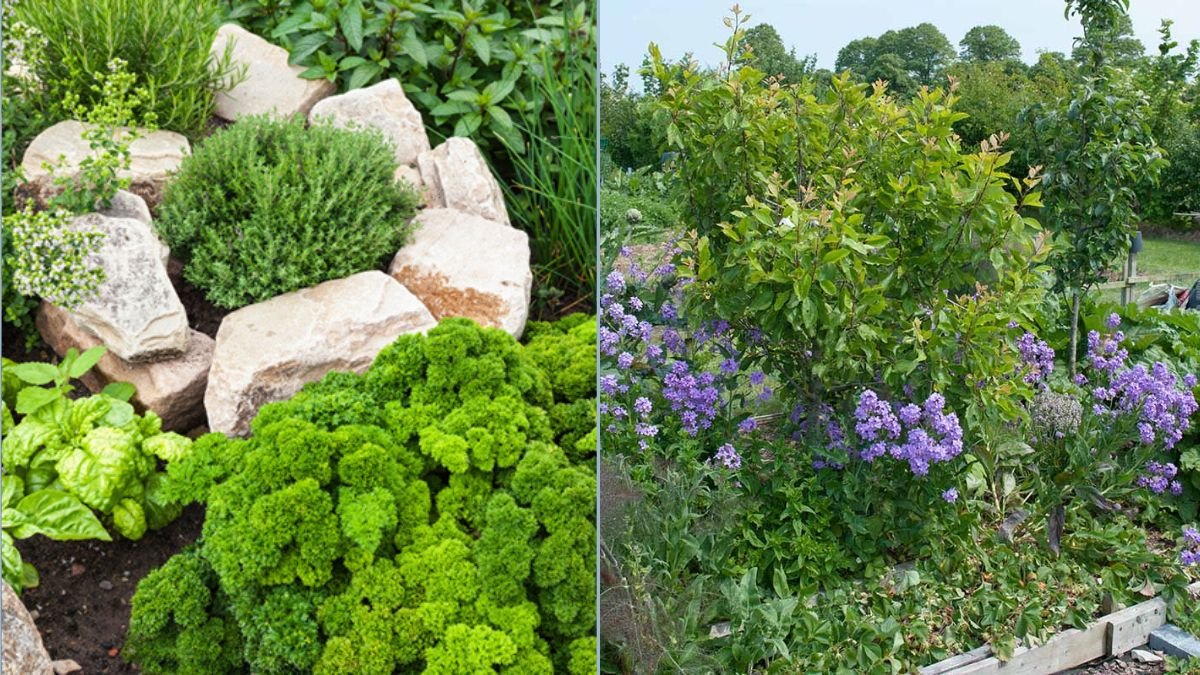
Growing your own vegetables and herbs at home is an enriching experience that combines sustainability, nutrition, and aesthetic appeal. When cultivated together, herbs and vegetables can complement each other in both growth and health benefits, improving yields and enhancing the flavor of meals. Companion planting, a method of growing herbs alongside vegetables, is not only practical but also encourages natural pest control, improves soil health, and maximizes limited space. This article provides a comprehensive guide for successfully growing herbs alongside vegetables, covering planning, selection, care, and harvesting techniques.
Benefits of Growing Herbs with Vegetables
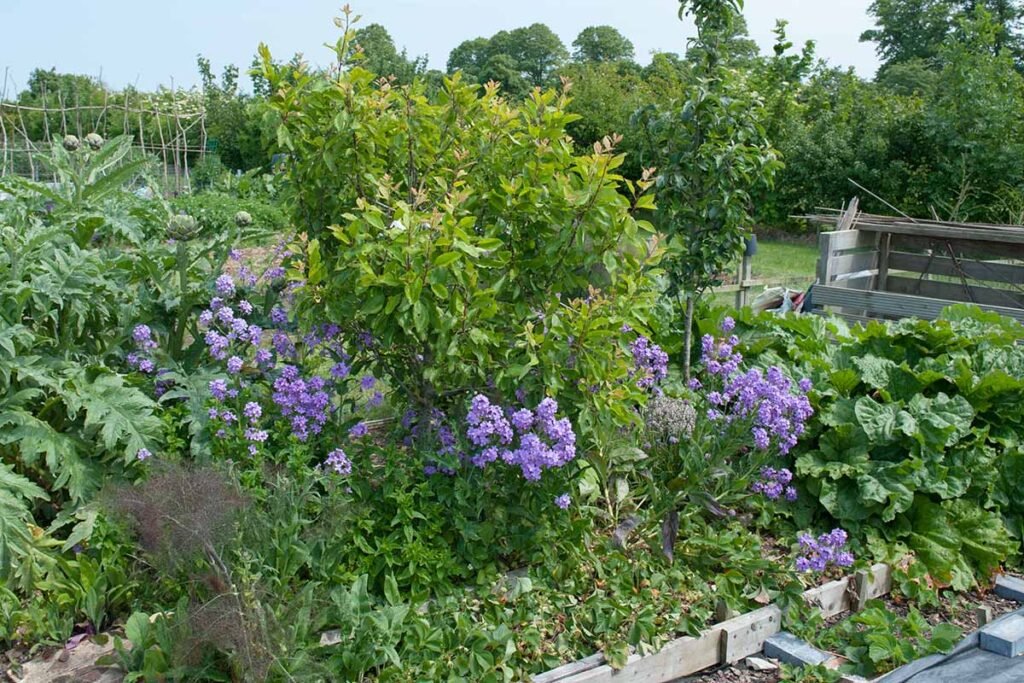
Integrating herbs with vegetables in home gardens offers multiple advantages:
- Enhanced Flavor: Fresh herbs like basil, parsley, and dill enrich vegetable dishes and elevate home cooking.
- Pest Control: Certain herbs repel pests naturally. For instance, basil deters aphids, and rosemary repels cabbage moths.
- Improved Soil Health: Herbs can enrich soil with nutrients and enhance biodiversity, benefiting neighboring vegetable crops.
- Space Optimization: Growing herbs alongside vegetables maximizes available space, especially in small gardens, patios, or container setups.
- Health Benefits: Herbs are packed with antioxidants, vitamins, and minerals, complementing the nutritional profile of vegetables.
By planning thoughtful combinations, gardeners can create thriving, low-maintenance gardens that support both herbs and vegetables.
Planning Your Herb and Vegetable Garden
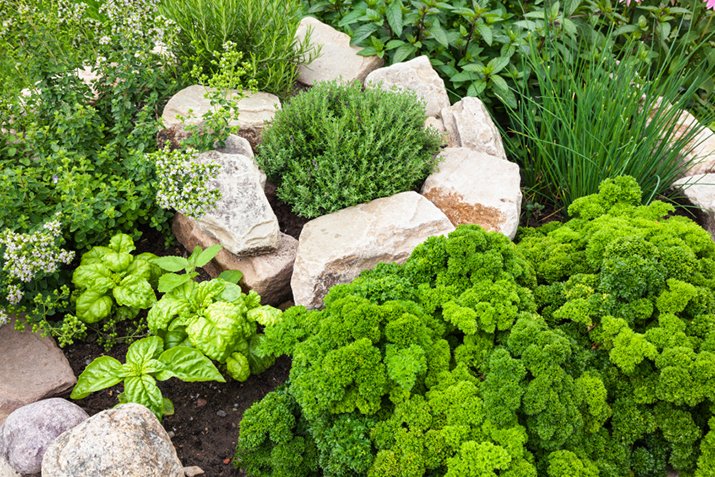
Proper planning is essential for a successful mixed garden:
- Sunlight Requirements: Most vegetables and herbs require 6–8 hours of sunlight daily. Group plants with similar light needs together.
- Watering Needs: Match herbs and vegetables with compatible water requirements. For example, thyme and rosemary prefer drier soil, while lettuce and basil thrive in consistently moist conditions.
- Soil Type: Use well-draining, nutrient-rich soil. Incorporate compost and organic fertilizers to support diverse plant growth.
- Spacing: Proper spacing ensures airflow, reducing disease risk and preventing overcrowding. Herbs generally take up less space than vegetables, so interplanting is efficient.
Planning ensures that plants coexist harmoniously and reduces maintenance challenges.
Selecting Compatible Herb-Vegetable Pairs
Certain herbs and vegetables grow particularly well together due to complementary traits:
- Basil and Tomatoes: Basil enhances tomato flavor and repels whiteflies, aphids, and tomato hornworms.
- Chives and Carrots: Chives deter carrot flies while carrots help improve chive growth.
- Rosemary and Beans: Rosemary repels bean beetles and encourages healthy bean growth.
- Parsley and Asparagus: Parsley attracts beneficial insects that support asparagus health.
- Thyme and Cabbage: Thyme deters cabbage moths and strengthens the flavor of cabbage.
Choosing compatible pairs reduces pest damage, improves yields, and maximizes garden efficiency.
Container Gardening for Herbs and Vegetables
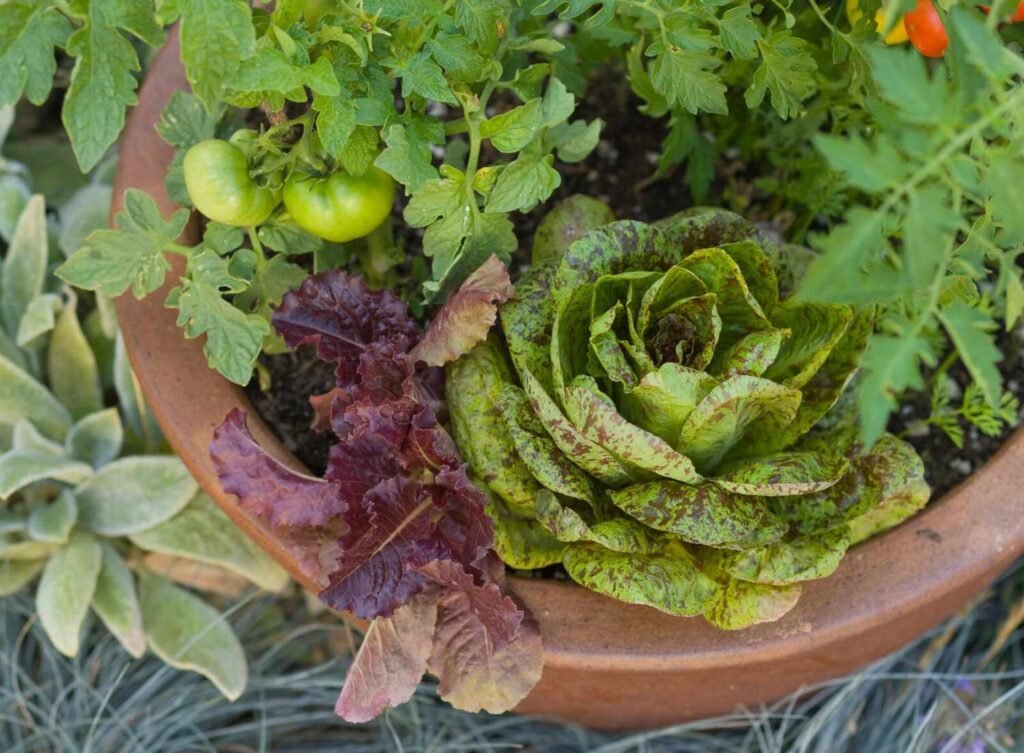
Container gardening is ideal for homes with limited space, balconies, or patios:
- Container Size: Use 8–12 inch pots for most herbs, and larger containers (12–18 inches) for vegetables with deep roots.
- Drainage: Ensure containers have drainage holes to prevent waterlogging, which can damage roots.
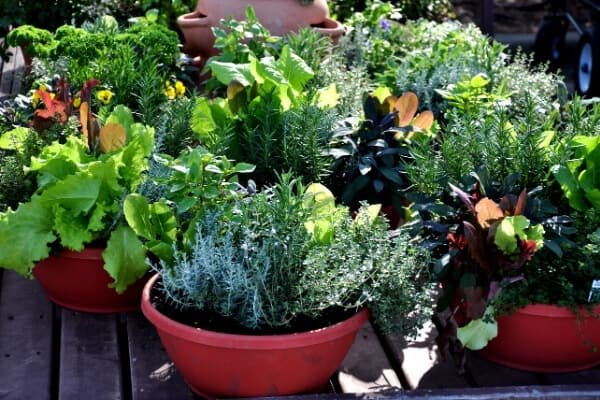
- Soil Mix: Combine potting soil, compost, and perlite for aeration and fertility. Herbs often thrive in lighter, well-draining soil compared to water-loving vegetables.
- Placement: Position containers to optimize sunlight exposure and airflow, rotating them periodically for uniform growth.
Containers allow easy management of diverse water and soil needs while preventing overcrowding.
Sowing and Planting Techniques
Proper planting ensures strong growth and healthy plants:
- Seed Germination: Start seeds indoors for sensitive vegetables or herbs, transplanting seedlings once strong. Sow directly for hardy varieties like rosemary, thyme, or lettuce.
- Companion Spacing: Interplant smaller herbs like basil, cilantro, or dill between rows of vegetables to save space and maximize sunlight.
- Depth: Follow seed packet instructions for planting depth, generally ¼–½ inch for herbs and ½–1 inch for vegetable seeds.
- Timing: Succession planting ensures a continuous harvest. For example, sow basil every few weeks alongside fast-growing lettuce or radishes.
Careful planning during sowing promotes compatibility and reduces competition for nutrients.
Watering and Moisture Management
Balancing water needs is critical when growing mixed gardens:
- Consistent Moisture: Most herbs prefer moderate watering, while vegetables often need more frequent watering. Group plants with similar water needs together.
- Mulching: Apply organic mulch around vegetables and herbs to retain moisture, suppress weeds, and regulate soil temperature.
- Self-Watering Containers: For container gardens, self-watering pots or drip irrigation systems reduce manual effort and maintain steady moisture levels.
Proper moisture management encourages healthy roots, reduces stress, and supports consistent growth.
Fertilization and Nutrient Management
Herbs and vegetables require regular nutrition to thrive:
- Organic Fertilizers: Use compost, vermicompost, or plant-based liquid fertilizers to provide balanced nutrients.
- Nitrogen for Leafy Growth: Leafy vegetables like lettuce, spinach, and basil benefit from nitrogen-rich supplements.
- Phosphorus and Potassium: Encourage root development and flowering in vegetables like tomatoes, peppers, and beans.
- Micronutrients: Ensure adequate calcium, magnesium, and iron to prevent deficiencies and support overall plant health.
Balanced feeding supports both leafy herbs and fruiting vegetables without overfertilizing.
Pest and Disease Management
Growing herbs alongside vegetables naturally reduces pest and disease issues, but monitoring is still necessary:
- Common Pests: Aphids, whiteflies, and spider mites can affect both herbs and vegetables. Introduce beneficial insects like ladybugs or lacewings.
- Natural Repellents: Herbs such as basil, rosemary, and thyme naturally repel many insects.
- Airflow and Pruning: Proper spacing, regular pruning, and removing dead or yellowing leaves reduce fungal and bacterial infections.
- Hygiene: Clean garden tools and containers regularly to prevent contamination.
By using companion planting principles, gardeners can reduce chemical interventions and create a healthy ecosystem.
Harvesting Herbs and Vegetables
Proper harvesting ensures continuous production and high-quality produce:
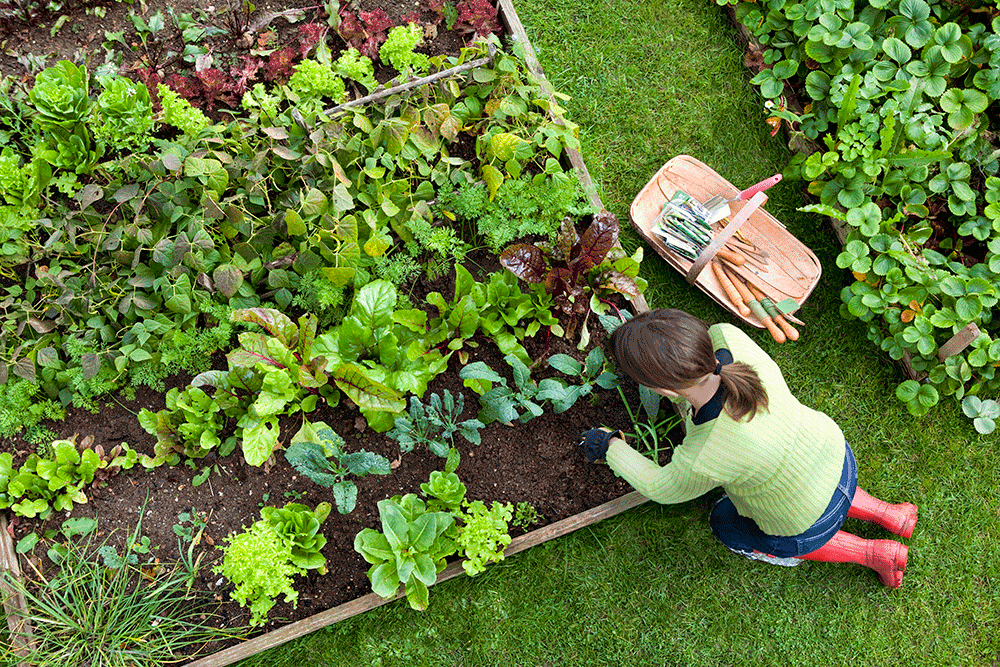
- Herbs: Harvest leaves regularly to encourage bushy growth. Snip from the top rather than removing entire stems.
- Leafy Vegetables: Pick outer leaves first to allow inner leaves to continue growing.
- Fruit Vegetables: Harvest cucumbers, tomatoes, peppers, and beans when fully ripe to stimulate further production.
- Frequency: Regular harvesting every 1–2 weeks maintains plant vigor and prolongs the growing season.
Harvesting strategically improves yields and encourages healthy regrowth.
Space Optimization and Creative Planting
Maximizing limited space is essential when combining herbs and vegetables:
- Vertical Gardening: Use trellises or vertical planters for climbing vegetables like beans, peas, or tomatoes, freeing floor space for herbs.
- Mixed Containers: Plant herbs like basil, parsley, or chives around vegetable bases to utilize every inch of soil.
- Hanging Baskets: Herbs like thyme, oregano, or mint can cascade from hanging baskets, saving ground space and adding visual appeal.
Creative planting enhances aesthetics and ensures efficient use of space in home gardens.
Benefits Beyond the Garden
Growing herbs alongside vegetables offers broader advantages:
- Culinary Diversity: Fresh herbs elevate the flavor of home-cooked meals, encouraging healthy eating.
- Educational Opportunities: Children learn about plant interactions, life cycles, and nutrition by observing mixed gardens.
- Stress Reduction: Gardening promotes mindfulness, relaxation, and connection with nature.
- Sustainability: Home gardens reduce reliance on store-bought produce, packaging waste, and transportation emissions.
Combining herbs and vegetables provides tangible lifestyle, environmental, and health benefits.
Conclusion
Growing herbs alongside vegetables is a practical, sustainable, and rewarding approach for home gardeners, particularly in urban and small-space settings. By selecting compatible plant pairs, preparing nutrient-rich soil, managing water and light needs, and using smart container or vertical gardening techniques, gardeners can achieve productive, aesthetically pleasing gardens. Companion planting reduces pests, enhances flavor, and improves yields, making it an ideal strategy for busy families, apartment dwellers, and small-space gardeners.
With careful planning, regular maintenance, and thoughtful harvesting, herbs and vegetables can coexist harmoniously, providing fresh, nutritious, and flavorful ingredients year-round. Indoor, balcony, and container gardens demonstrate that even limited spaces can support diverse and thriving plant communities, fostering sustainability, culinary creativity, and a connection to nature.