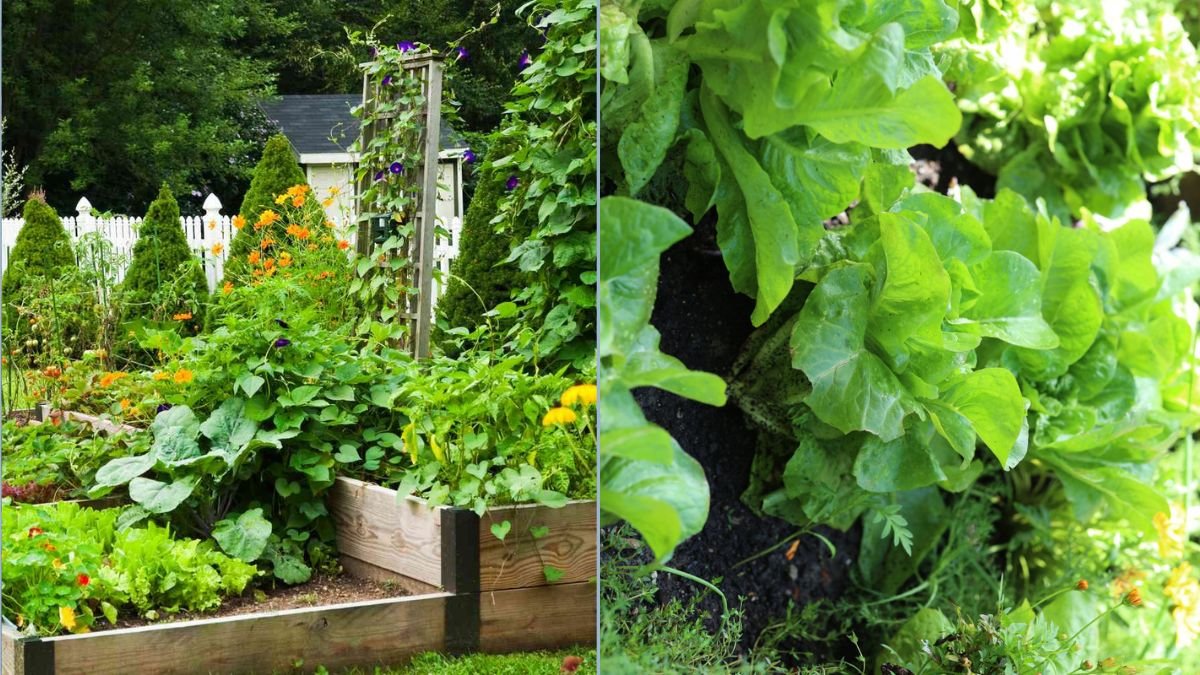
Leafy greens are essential for a healthy diet, providing vitamins, minerals, and antioxidants. However, many urban and small-space gardeners face challenges when their available growing areas receive limited sunlight. Shaded spaces, such as under trees, near buildings, or on covered balconies, may seem unsuitable for growing vegetables. The good news is that several leafy greens thrive in partial or full shade, making it possible to cultivate nutritious greens even in low-light conditions. This article provides a detailed, step-by-step guide on selecting, planting, and maintaining leafy greens in shaded spaces for a continuous and productive harvest.
Why Grow Leafy Greens in Shaded Spaces?
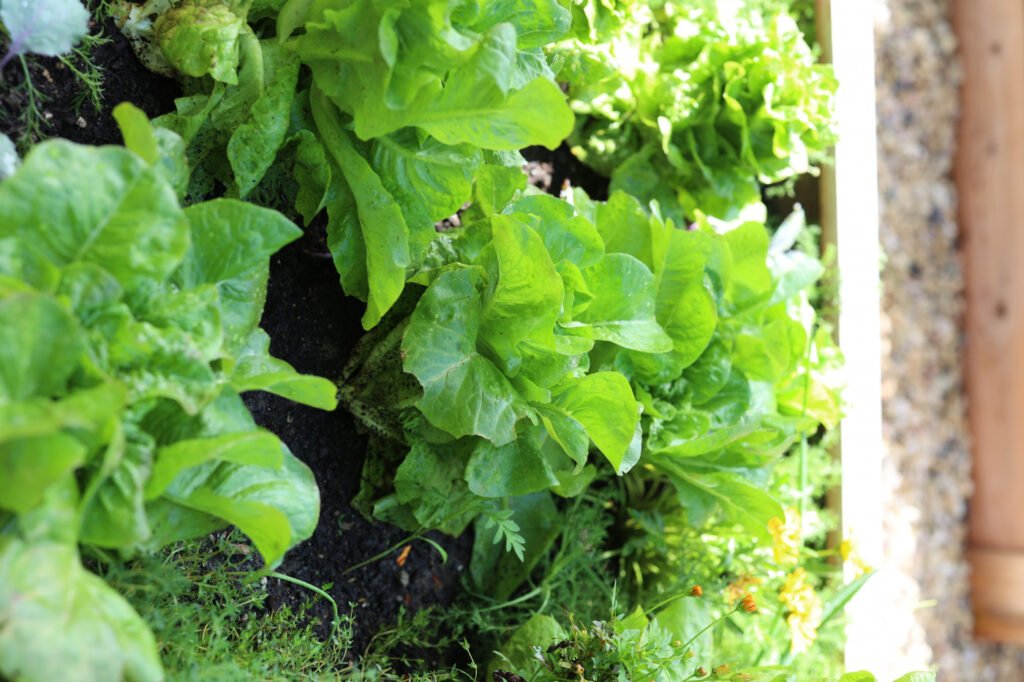
Growing leafy greens in shaded areas offers several advantages:
- Utilization of Underused Space: Shaded areas are often overlooked, but they can be transformed into productive vegetable-growing zones.
- Health and Nutrition: Leafy greens such as spinach, kale, and lettuce provide iron, calcium, vitamin C, and antioxidants essential for health.
- Reduced Heat Stress: Shaded areas protect plants from intense sunlight, reducing water loss and preventing leaf burn during hot seasons.
- Year-Round Cultivation: Many shade-tolerant leafy greens are cool-season crops, allowing multiple harvests throughout the year.
- Urban Gardening Solutions: Apartment dwellers, balcony gardeners, and those with limited outdoor space can grow greens successfully despite low light conditions.
By focusing on shade-tolerant varieties and proper care techniques, gardeners can enjoy a steady supply of leafy greens without requiring full sun.
Choosing Shade-Tolerant Leafy Greens
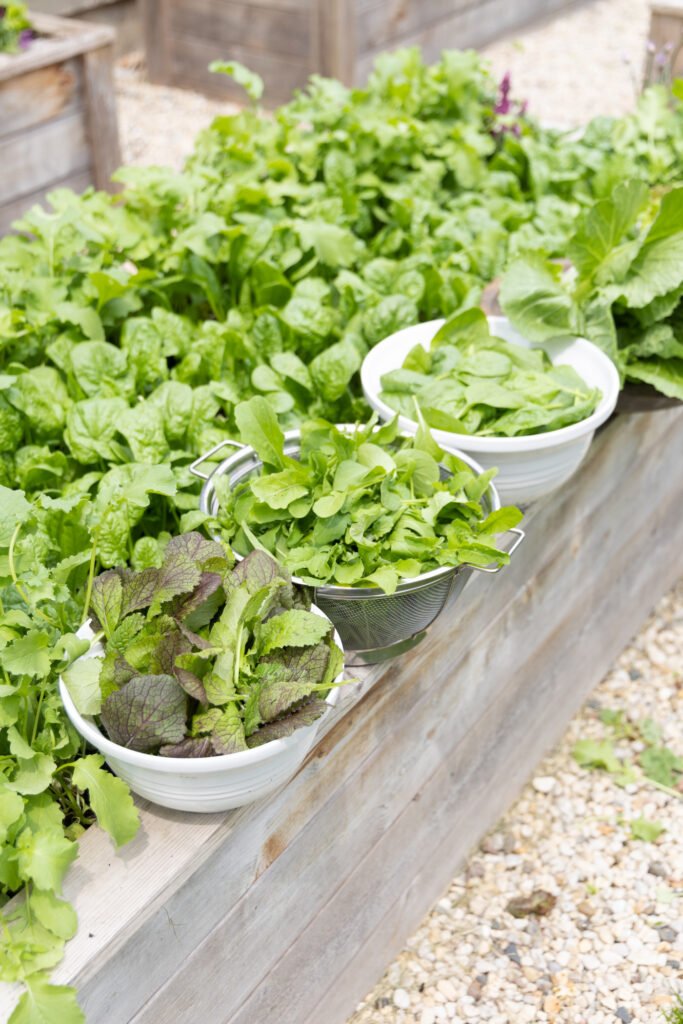
Selecting the right varieties is key to success in shaded spaces. Not all greens thrive with limited sunlight, so focus on species that can grow with 3–6 hours of indirect or filtered sunlight:
- Spinach (Spinacia oleracea): Prefers cool, partially shaded conditions and grows quickly, providing tender leaves.
- Lettuce (Lactuca sativa): Many loose-leaf varieties, such as ‘Buttercrunch’ and ‘Red Sails,’ tolerate partial shade well.
- Kale (Brassica oleracea var. sabellica): Thrives in cooler, shaded environments and produces nutrient-dense leaves.
- Arugula (Eruca sativa): Grows rapidly and tolerates partial shade; ideal for salad greens.
- Swiss Chard (Beta vulgaris var. cicla): Tolerates low-light conditions and provides colorful stems for visual appeal.
- Collard Greens (Brassica oleracea var. viridis): Hardy leafy green that grows well in partially shaded areas.
Focusing on shade-tolerant greens ensures successful growth and minimizes frustration from poor plant performance.
Planning Your Shaded Garden
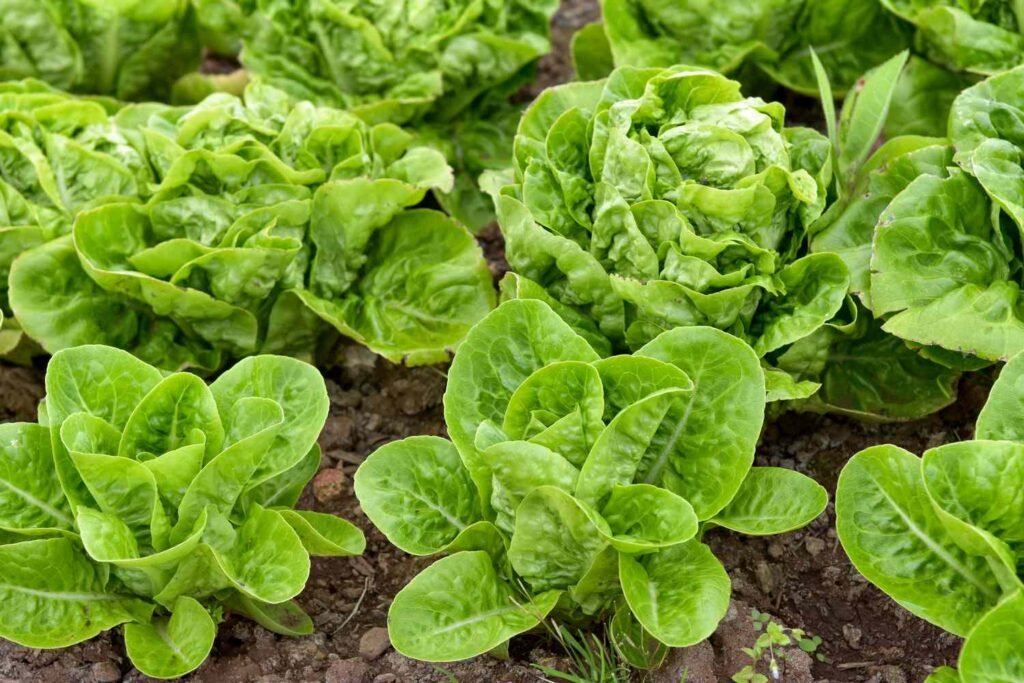
Planning is essential when cultivating leafy greens in low-light areas:
- Assess Light Conditions: Determine the number of hours of sunlight and type of light (direct, filtered, or reflected). This will influence plant selection and layout.
- Soil Preparation: Shaded soils often have more organic matter and moisture retention. Incorporate compost and well-draining soil amendments to promote root health.
- Spacing: Proper spacing ensures air circulation and prevents disease. Leafy greens in shaded spaces may grow slower, so avoid overcrowding to reduce competition for nutrients.
- Watering Plan: Shaded areas often retain moisture longer; adjust watering schedules accordingly to prevent waterlogging.
Careful planning maximizes the productivity of shaded spaces while ensuring plant health.
Choosing Containers for Limited Light Areas
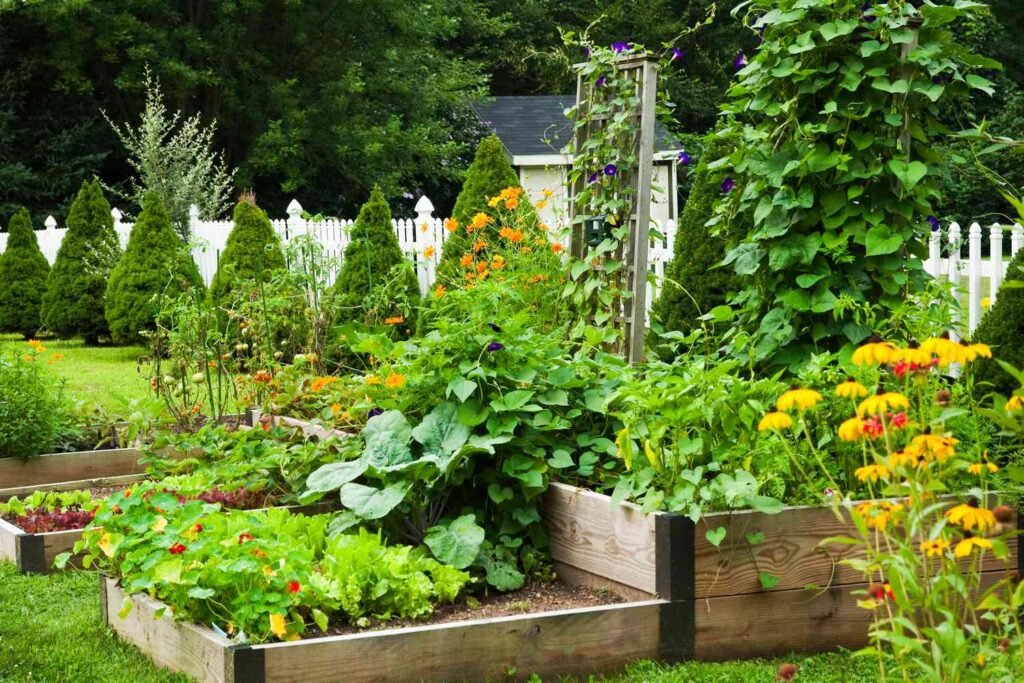
Container gardening is particularly effective for shaded spaces, allowing gardeners to move plants to optimize light exposure:
- Container Size: Use pots at least 6–8 inches deep for greens like lettuce and spinach. Kale and Swiss chard may require deeper containers (10–12 inches).
- Material: Lightweight plastic or resin containers retain moisture and can be moved easily, whereas terra-cotta allows better airflow.
- Drainage: Ensure containers have adequate drainage holes to prevent root rot. Adding a layer of pebbles or perlite improves drainage.
- Mobility: Using portable containers allows rotation into sunlight when available, enhancing leaf growth.
Containers provide flexibility and enable urban gardeners to grow greens effectively in shaded environments.
Soil Preparation
Healthy soil is crucial for leafy greens, especially in shaded conditions:
- Nutrient-Rich Mix: Combine high-quality potting soil with compost to provide a steady supply of nutrients. Leafy greens are fast growers and need nitrogen for lush foliage.
- pH Level: Leafy greens prefer slightly acidic to neutral soil (pH 6.0–7.0). Conduct a simple soil test and adjust using lime or organic amendments if necessary.
- Moisture Retention: Shade reduces evaporation; incorporate materials like coconut coir or peat moss to maintain balanced moisture.
- Aeration: Lightly mix in perlite or vermiculite to prevent compacted soil, promoting root health and growth.
Proper soil preparation ensures consistent growth, even with limited sunlight.
Sowing and Planting Techniques
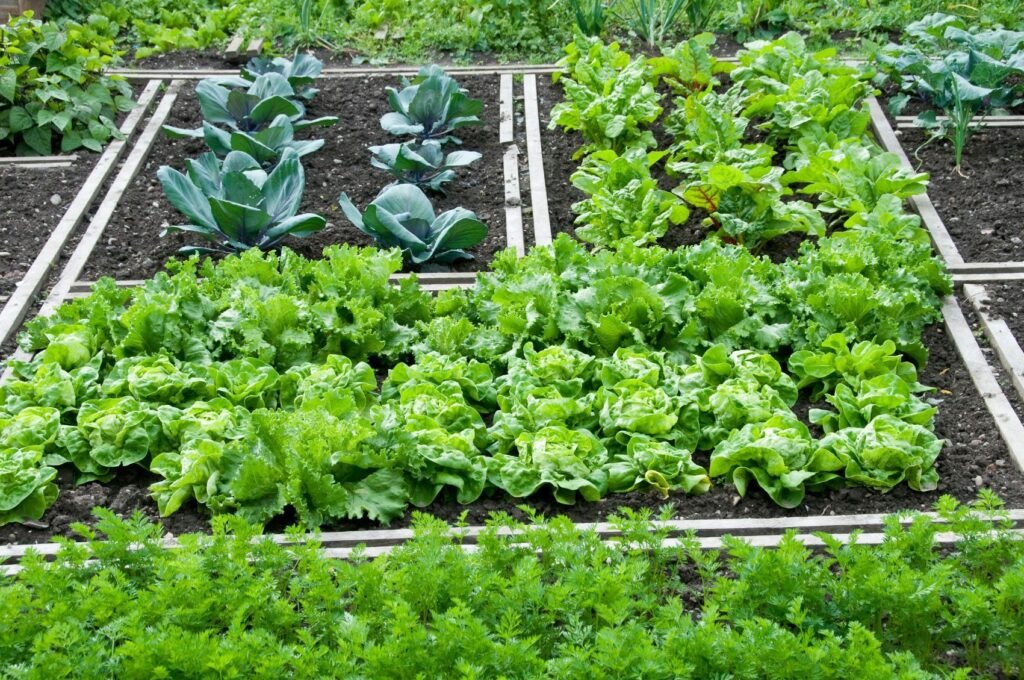
Seed sowing and planting methods influence success in shaded areas:
- Seed Depth: Sow seeds according to packet instructions—generally ¼–½ inch for small leafy greens.
- Succession Planting: Planting in intervals (every 2–3 weeks) ensures continuous harvest, especially important in slower-growing shaded conditions.
- Transplanting: Start seedlings in trays or small pots indoors, then transplant into shaded beds or containers when established.
- Spacing: Maintain adequate spacing between plants to optimize airflow and reduce disease risk.
Strategic planting ensures productive growth and minimizes competition for limited light.
Watering and Moisture Management
Watering leafy greens in shaded areas requires careful attention:
- Frequency: Shaded soils retain moisture longer, so water only when the top inch of soil feels dry.
- Method: Water at the soil base rather than overhead to reduce fungal disease risk.
- Mulching: Apply organic mulch, such as shredded leaves or straw, to conserve moisture and regulate soil temperature.
Consistent but careful watering prevents root rot while supporting healthy growth.
Fertilization and Nutrient Management
Leafy greens in shaded spaces may grow slower, so providing sufficient nutrients is important:
- Nitrogen-Rich Fertilizers: Encourage leafy growth. Organic options include compost, worm castings, or plant-based liquid fertilizers.
- Balanced Feeding: Incorporate phosphorus and potassium to support root health and overall vigor.
- Micronutrients: Ensure adequate magnesium and calcium to prevent yellowing or stunted growth.
Regular feeding ensures leafy greens remain lush, tender, and nutritious despite reduced sunlight.
Pest and Disease Management
Shade-tolerant leafy greens can be susceptible to specific pests and diseases:
- Common Pests: Aphids, slugs, and caterpillars may affect shaded crops. Handpicking or using neem oil or insecticidal soap are effective, safe solutions.
- Disease Prevention: Ensure proper spacing and airflow to prevent fungal infections like downy mildew or powdery mildew.
- Hygiene: Clean tools and containers regularly to reduce contamination risk.
Shade combined with proper care reduces pest pressure while ensuring healthy leafy greens.
Harvesting Leafy Greens
Harvesting leafy greens in shaded areas requires attention to timing and technique:
- Leaf Picking: Harvest outer leaves first, allowing inner leaves to continue growing. This promotes continuous production.
- Frequency: Harvest regularly (every 1–2 weeks) to encourage new leaf growth and maintain plant vigor.
- Optimal Size: Pick leaves when tender, avoiding over-mature leaves that may become bitter.
Regular harvesting maximizes yield and keeps plants productive throughout the season.
Creative Strategies for Shaded Spaces
Maximize productivity and aesthetic appeal in low-light areas:
- Vertical Gardening: Use trellises or wall-mounted planters to grow greens above ground level, enhancing light exposure.
- Reflective Surfaces: Place reflective materials (mirrors, white walls, or foil) near shaded areas to increase light availability.
- Mixed Planting: Combine shade-tolerant greens with herbs like mint or parsley for efficient use of space.
- Mobility: Use lightweight containers to move plants toward sunlight during parts of the day.
These strategies enhance productivity and make shaded gardening visually appealing and practical.
Conclusion
Growing leafy greens in shaded spaces demonstrates that limited sunlight does not have to restrict urban or small-space gardening. By selecting shade-tolerant varieties, preparing nutrient-rich soil, using appropriate containers, and following proper planting, watering, and fertilization techniques, gardeners can enjoy a continuous supply of fresh, nutritious greens. Creative strategies like vertical gardening, reflective surfaces, and mobility further enhance growth in low-light conditions.
Shaded-space gardening allows busy families, apartment dwellers, and urban gardeners to utilize underused areas effectively, contributing to healthier diets, sustainable practices, and the joy of homegrown produce. With thoughtful planning, consistent care, and patience, leafy greens can thrive even in environments with limited sunlight, proving that productive and nourishing home gardens are possible anywhere.