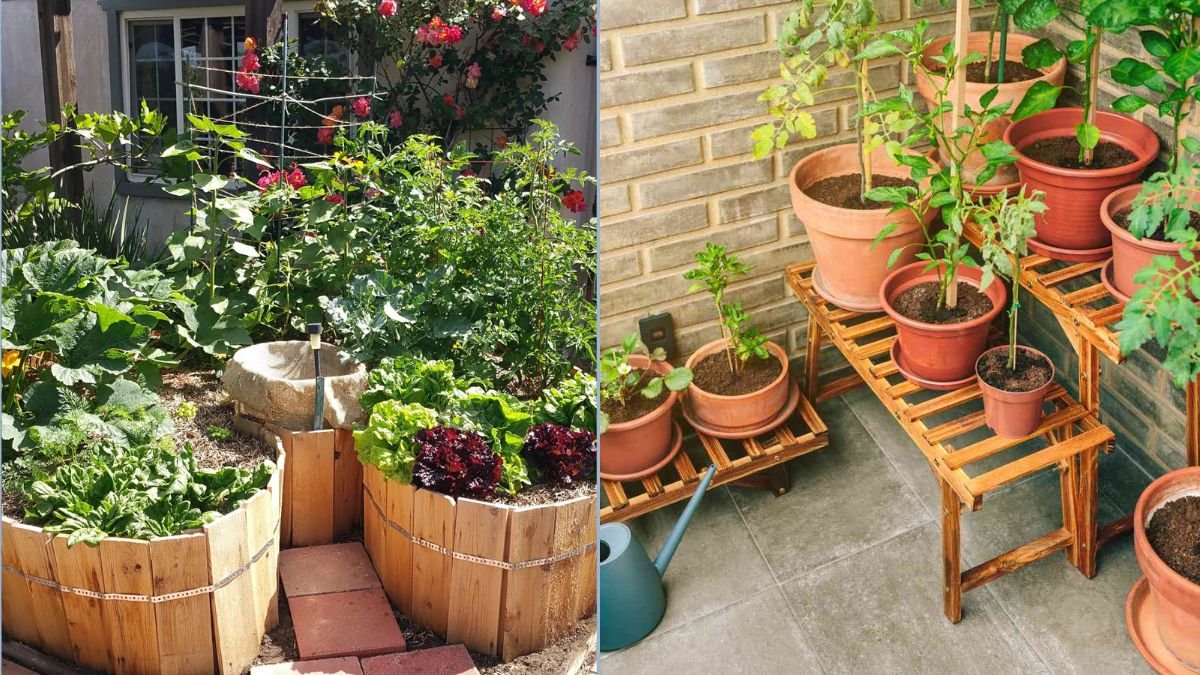
Indoor gardening has become increasingly popular as urban living spaces shrink and more people seek self-sufficiency, fresh produce, and a connection with nature. Creating a mini veggie patch indoors allows anyone, regardless of outdoor space, to grow nutritious vegetables year-round. From leafy greens and herbs to compact vegetables like cherry tomatoes and radishes, indoor mini gardens provide fresh ingredients for meals, improve mental well-being, and enhance the aesthetics of a home. This article offers a detailed guide on designing, planting, and maintaining a mini indoor veggie patch, focusing on container selection, soil preparation, plant care, pest management, and harvesting strategies.
Benefits of an Indoor Mini Veggie Patch
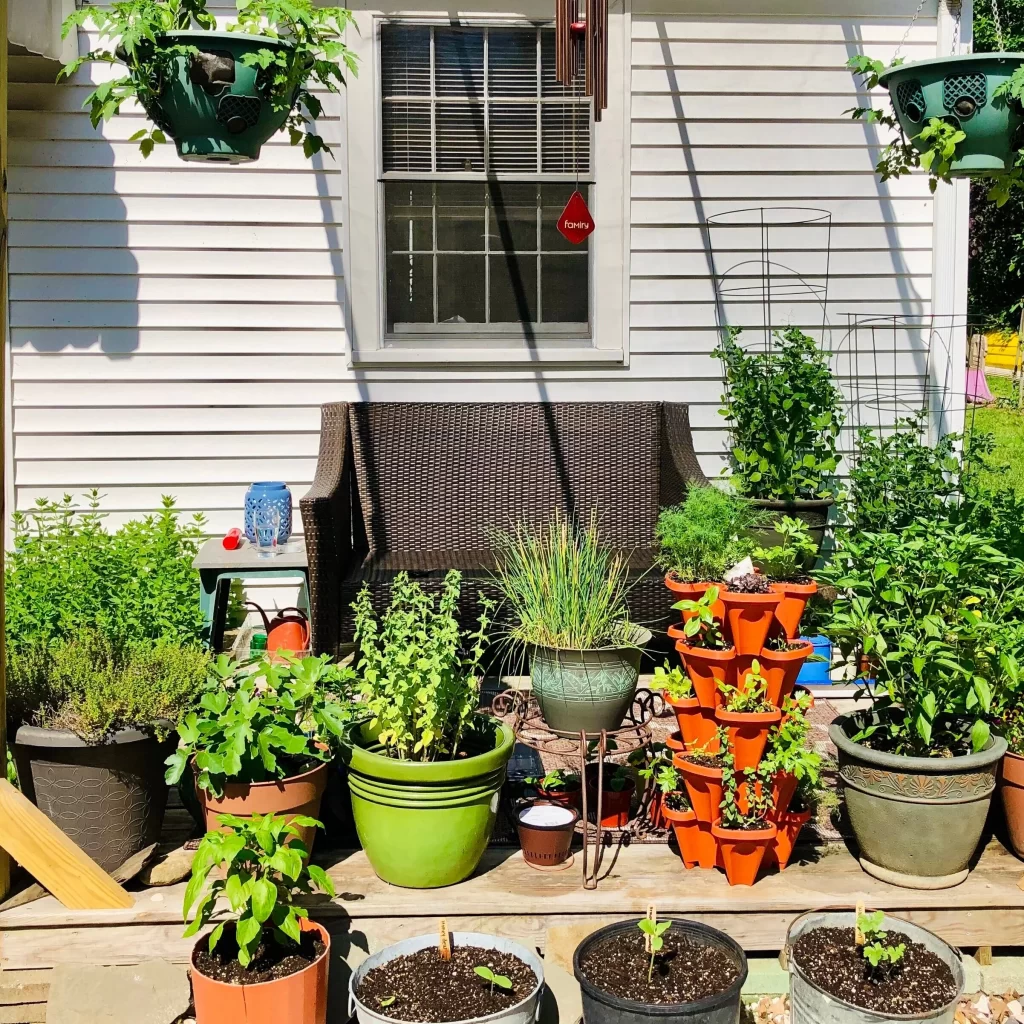
Indoor vegetable gardening provides numerous advantages:
- Access to Fresh Produce: Homegrown vegetables are nutrient-rich, pesticide-free, and harvested at peak freshness.
- Space Efficiency: Even a small corner, windowsill, or balcony can accommodate a mini veggie patch.
- Culinary Diversity: Fresh herbs, leafy greens, and small vegetables enhance flavor, nutrition, and presentation of meals.
- Therapeutic Benefits: Gardening indoors reduces stress, promotes mindfulness, and fosters a connection with nature.
- Sustainability: Growing vegetables indoors reduces packaging waste, lowers food transportation impact, and encourages eco-friendly practices.
- Educational Value: Indoor veggie patches offer learning opportunities about plant growth, life cycles, and environmental stewardship.
A well-planned indoor mini veggie patch combines health, convenience, sustainability, and enjoyment.
Choosing Suitable Plants for Indoor Veggie Patches
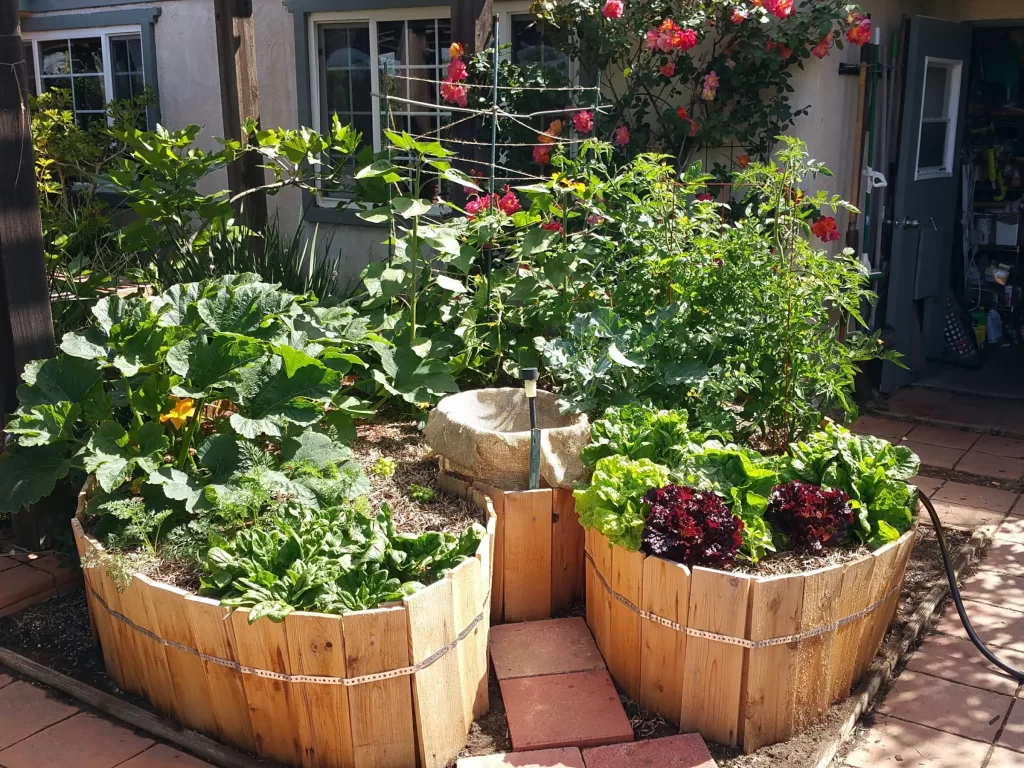
Selecting the right plants is essential for small indoor spaces. Focus on compact, fast-growing, and shade-tolerant vegetables:
- Leafy Greens:
- Lettuce (Lactuca sativa): Loose-leaf varieties like ‘Buttercrunch’ and ‘Red Sails’ are perfect for quick indoor harvests.
- Spinach (Spinacia oleracea): Thrives in moderate light and produces tender, nutrient-rich leaves.
- Arugula (Eruca sativa): Fast-growing with a peppery flavor for salads.
- Kale (Brassica oleracea var. sabellica): Hardy and productive in indoor settings.
- Herbs:
- Basil (Ocimum basilicum): Sweet and compact, ideal for windowsills.
- Cilantro (Coriandrum sativum): Thrives indoors for fresh flavor in various dishes.
- Parsley (Petroselinum crispum): Slow-bolting and easy to maintain.
- Chives (Allium schoenoprasum): Compact, fast-growing, and versatile for garnishing.
- Small Fruit Vegetables:
- Cherry Tomatoes (Solanum lycopersicum var. cerasiforme): Dwarf varieties like ‘Tiny Tim’ or ‘Red Robin’ perform well in containers.
- Mini Cucumbers (Cucumis sativus): Bush varieties such as ‘Tasty Green’ thrive indoors.
- Radishes (Raphanus sativus): Quick-growing, ideal for shallow pots and small patches.
- Baby Carrots (Daucus carota): Compact varieties fit in container gardens.
Choosing versatile, compact, and low-maintenance crops ensures continuous production in limited indoor spaces.
Planning Your Indoor Mini Veggie Patch
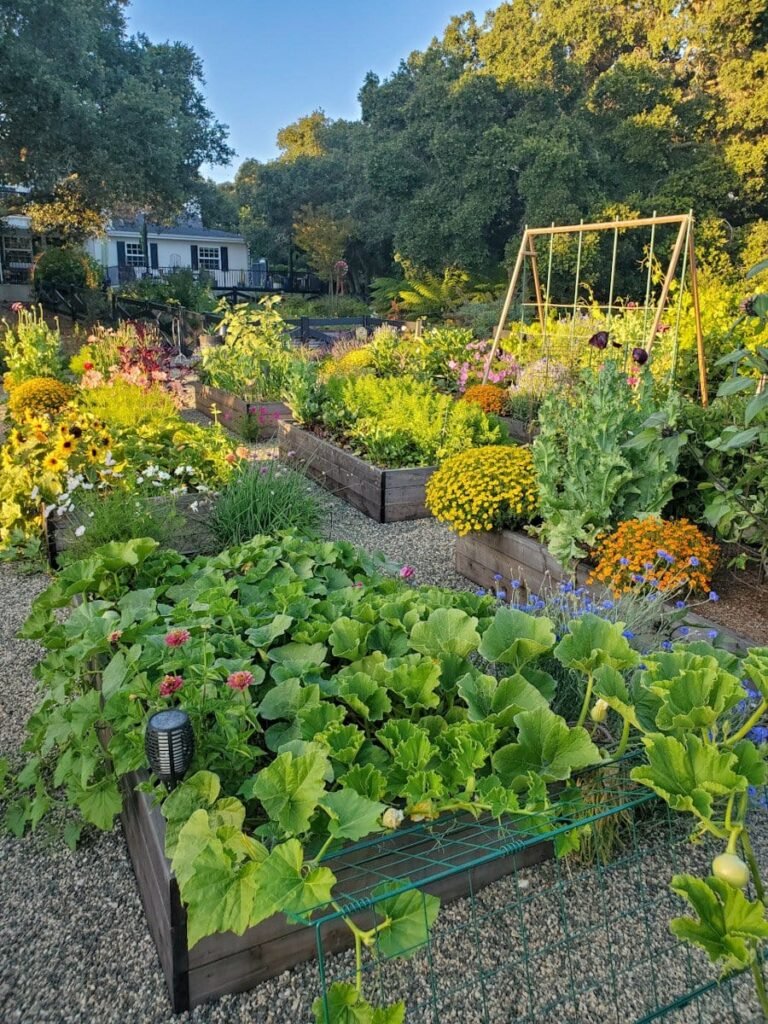
Proper planning maximizes yield and reduces maintenance:
- Assess Light Conditions: Determine how many hours of natural sunlight your space receives. South- or west-facing windows are ideal; otherwise, plan for artificial lighting.
- Space Allocation: Identify a corner, balcony, or tabletop where containers can be arranged efficiently without crowding.
- Container Arrangement: Group plants with similar light, water, and nutrient needs together to simplify care routines.
- Accessibility: Ensure that your patch is easily reachable for watering, pruning, and harvesting.
Thoughtful planning ensures optimal plant growth and efficient use of indoor space.
Choosing Containers
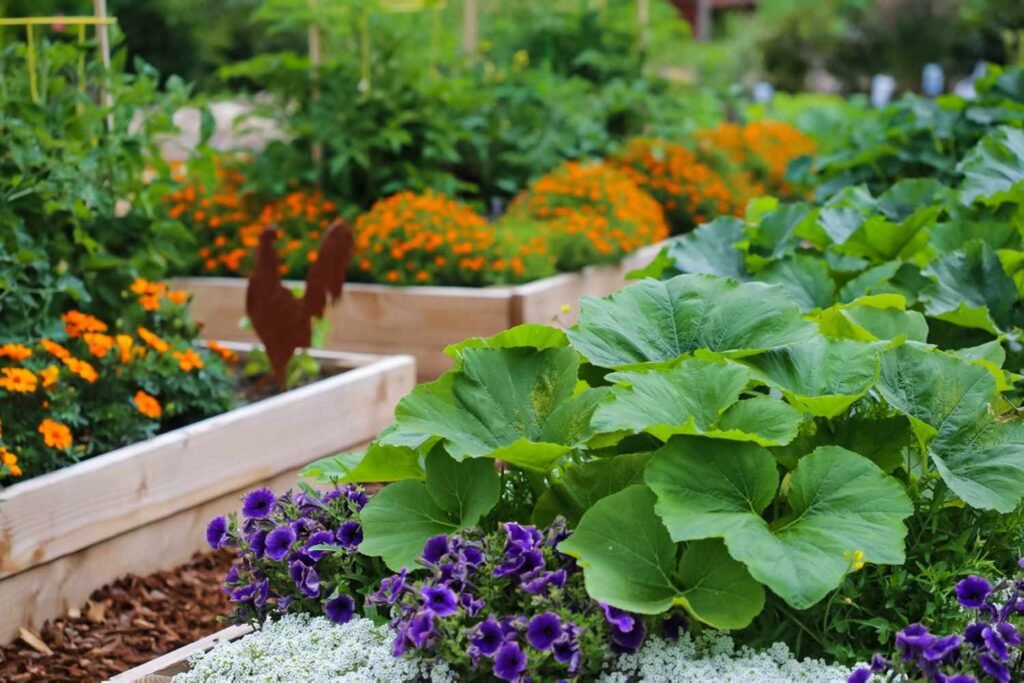
Containers are crucial for indoor gardening:
- Size: Leafy greens and herbs grow well in 6–8 inch pots, while small fruiting vegetables like cherry tomatoes and mini cucumbers need 12–16 inch pots.
- Material: Plastic or resin containers retain moisture and are lightweight. Terra-cotta provides better airflow but may dry faster.
- Drainage: Proper drainage holes prevent waterlogging and root rot. Adding a layer of pebbles or perlite enhances drainage.
- Portability: Lightweight containers can be moved to follow sunlight or indoor temperature changes.
Appropriate containers provide healthy root systems and flexibility for indoor arrangements.
Soil Preparation
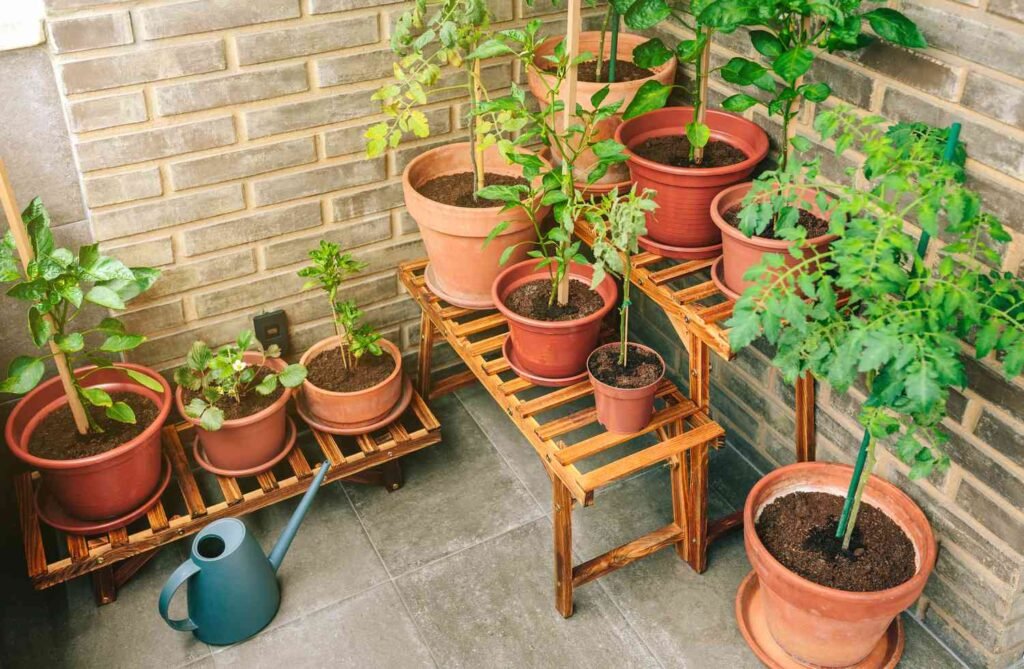
High-quality soil is essential for indoor veggie patches:
- Potting Mix: Use a well-draining mix enriched with compost or vermicompost. Avoid heavy garden soil, which may compact indoors.
- Fertility: Leafy greens benefit from nitrogen-rich soil, while fruiting vegetables need balanced nutrients including phosphorus and potassium.
- pH Level: Most vegetables prefer slightly acidic to neutral soil (pH 6.0–7.0). Adjust naturally using lime or organic amendments.
- Moisture Retention: Add coconut coir or peat moss to maintain consistent moisture without waterlogging.
Proper soil preparation promotes healthy growth, rapid leaf development, and abundant fruiting.
Sowing and Planting Techniques
Efficient sowing ensures a steady supply of produce:
- Seed Depth: Plant seeds according to packet instructions—typically ¼–½ inch for leafy greens and ½–1 inch for root crops.
- Succession Planting: Sow seeds every 1–2 weeks to ensure continuous harvests.
- Transplanting: Start seedlings in trays and transplant once they have 2–3 true leaves.
- Spacing: Maintain proper spacing to prevent overcrowding, which can slow growth and increase disease risk.
By following these steps, indoor gardeners can enjoy a productive and low-maintenance mini veggie patch.
Light Requirements
Light is critical for indoor vegetables:
- Natural Sunlight: Place containers near south- or west-facing windows for 4–6 hours of sunlight daily.
- Artificial Lighting: Use LED or fluorescent grow lights if sunlight is limited. Position lights 6–12 inches above plants for 12–14 hours daily.
- Rotation: Rotate containers to ensure uniform growth and prevent plants from leaning toward the light.
Adequate light encourages healthy leaves, vibrant colors, and fruiting.
Watering and Moisture Management
Proper watering ensures consistent growth:
- Frequency: Keep soil evenly moist but not waterlogged. Smaller containers dry quickly and require frequent checks.
- Method: Water at the base of plants to reduce leaf diseases.
- Mulching: Apply organic mulch, such as shredded leaves or straw, to retain moisture and regulate soil temperature.
Balanced watering promotes lush foliage and robust vegetables.
Fertilization
Regular feeding ensures productivity:
- Organic Fertilizers: Use compost tea or plant-based liquid fertilizers every 2–3 weeks.
- Nitrogen: Supports leafy greens and herbs for rapid growth.
- Phosphorus and Potassium: Promote root development and fruit production in radishes, tomatoes, and cucumbers.
- Micronutrients: Calcium and magnesium prevent deficiencies that affect leaf color and fruit quality.
Balanced nutrition ensures a continuous supply of healthy, flavorful vegetables.
Pest and Disease Management
Indoor gardens require vigilance:
- Common Pests: Aphids, spider mites, and whiteflies may appear. Use neem oil, insecticidal soap, or introduce beneficial insects like ladybugs.
- Disease Prevention: Maintain proper spacing, airflow, and hygiene. Remove diseased leaves promptly.
- Cleaning: Regularly clean containers, tools, and trays to prevent fungal or bacterial infections.
Proactive pest and disease management ensures a thriving mini veggie patch.
Harvesting Techniques
Timely harvesting maximizes yield:
- Leafy Greens: Use the “cut-and-come-again” method by harvesting outer leaves and allowing inner leaves to continue growing.
- Herbs: Snip leaves from the tips to encourage bushy growth. Avoid removing more than one-third at a time.
- Root Vegetables: Harvest radishes and baby carrots when tender for optimal flavor.
- Small Fruits: Pick cherry tomatoes and mini cucumbers when fully ripe and firm.
Regular harvesting stimulates new growth and ensures continuous produce.
Creative Strategies for Indoor Mini Veggie Patches
Enhance efficiency, aesthetics, and productivity:
- Vertical Gardening: Use tiered shelves or wall-mounted planters to maximize space.
- Companion Planting: Grow complementary plants together, such as basil with lettuce or radishes with spinach, to optimize space and deter pests.
- Portable Containers: Move plants for optimal sunlight or convenience.
- Colorful Arrangements: Mix vegetables with vibrant stems and leaves to enhance kitchen aesthetics.
These strategies ensure your mini veggie patch is both productive and visually appealing.
Conclusion
Creating a mini veggie patch indoors offers a practical, rewarding, and sustainable solution for growing fresh, nutritious vegetables year-round. By selecting compact, fast-growing plants, preparing nutrient-rich soil, using appropriate containers, and maintaining proper light, water, and fertilization, gardeners can enjoy a continuous supply of leafy greens, herbs, root crops, and small fruits. Strategic succession planting, pest management, and creative container arrangements further optimize productivity and convenience.
Indoor veggie patches demonstrate that even small urban spaces can be transformed into productive, vibrant gardens. With thoughtful planning, consistent care, and regular harvesting, anyone can cultivate homegrown vegetables for healthier, flavorful, and sustainable meals—all within the comfort of their home.