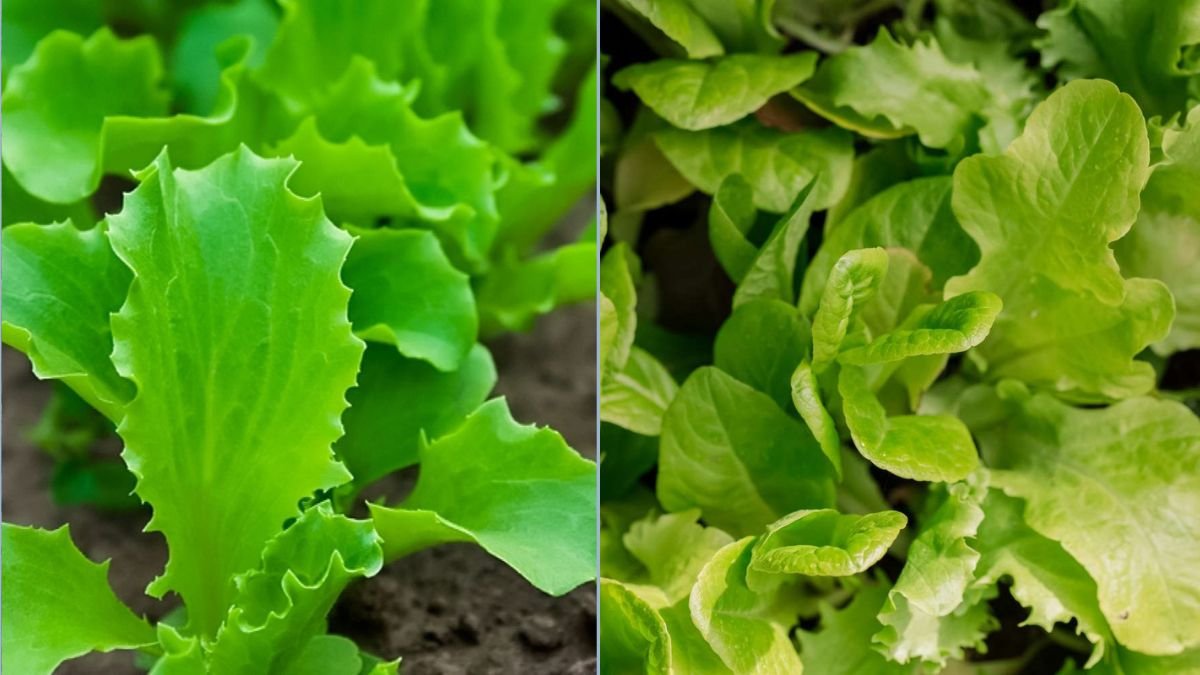
Urban living, limited outdoor space, and the desire for fresh, homegrown produce have sparked interest in innovative gardening methods. One such method is soil-less gardening, commonly known as hydroponics, aeroponics, or water culture gardening. Growing compact vegetables without soil offers numerous advantages: faster growth, efficient nutrient use, minimal space requirements, and year-round cultivation. This approach is particularly suitable for apartment dwellers, small-space gardeners, and busy individuals seeking a continuous supply of fresh, nutritious vegetables. This article provides a comprehensive guide to growing compact vegetables without soil, detailing plant selection, setup, nutrient management, maintenance, pest control, and harvesting strategies.
Benefits of Soil-Less Gardening
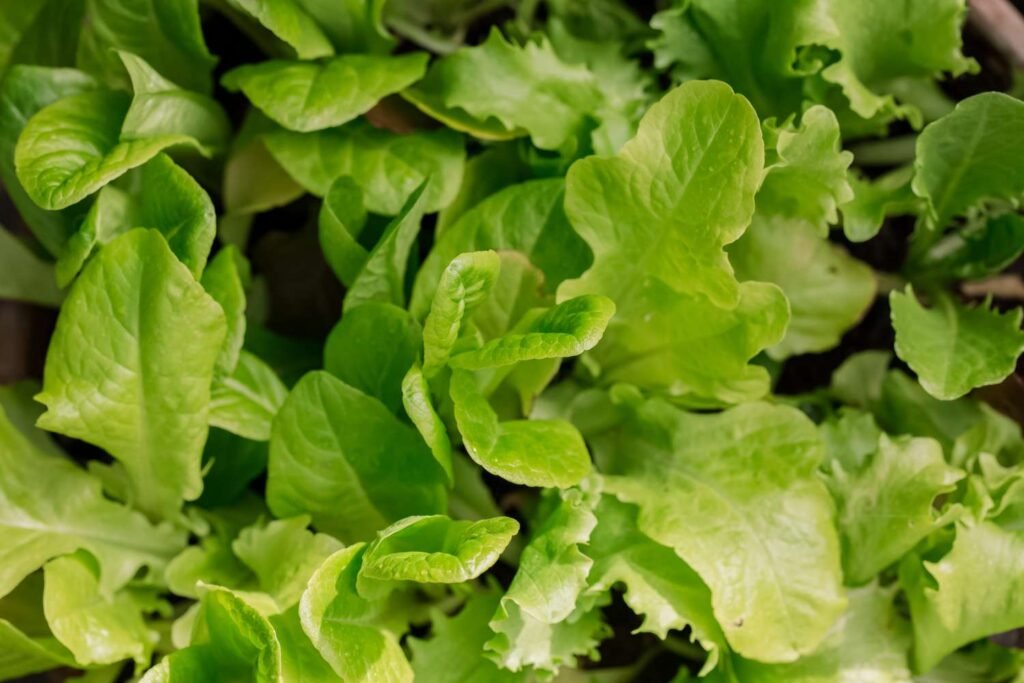
Soil-less vegetable gardening provides multiple advantages over traditional soil-based cultivation:
- Space Efficiency: Compact systems fit on windowsills, kitchen counters, balconies, or even shelves, making them ideal for urban environments.
- Faster Growth: Vegetables grow up to 30% faster in nutrient-rich water compared to soil because nutrients are directly available to roots.
- Year-Round Cultivation: Indoor setups allow continuous production regardless of season or climate.
- Reduced Soil-Borne Pests and Diseases: Growing without soil minimizes exposure to pathogens and pests common in soil gardens.
- Efficient Water Use: Hydroponic systems recycle water, reducing overall water consumption.
- Higher Yield: Nutrient control allows compact vegetables to produce more consistently and abundantly.
These benefits make soil-less gardening an attractive option for modern urban gardeners seeking convenience, sustainability, and productivity.
Selecting Suitable Compact Vegetables
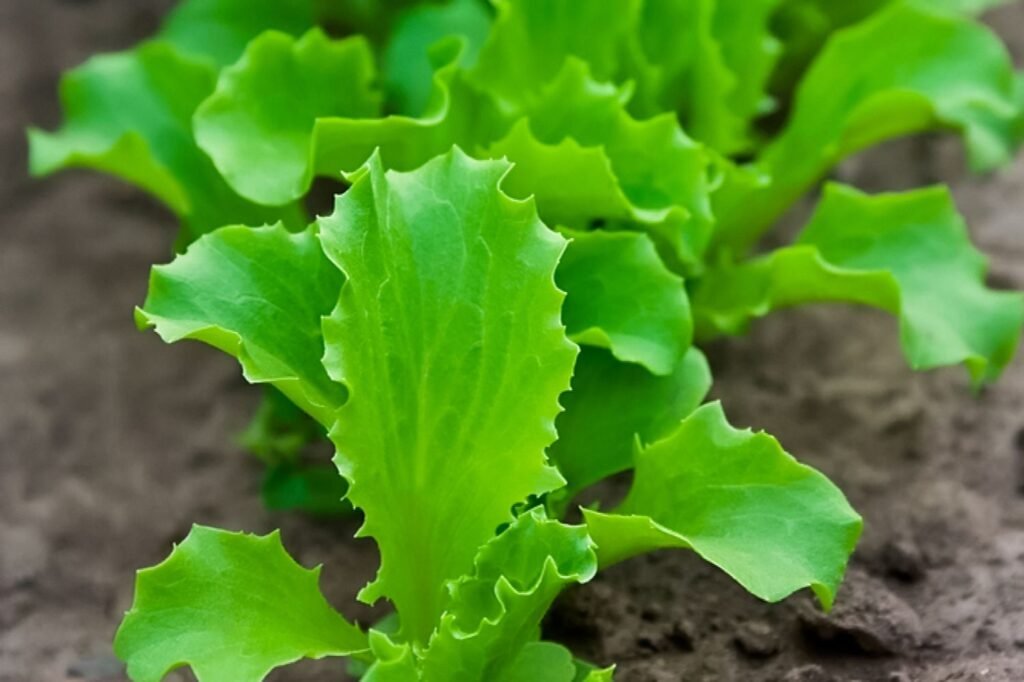
Choosing the right vegetables is critical for soil-less gardening. Focus on compact, fast-growing, and high-yield varieties that thrive in controlled water and nutrient environments:
- Leafy Greens:
- Lettuce (Lactuca sativa): Loose-leaf varieties grow rapidly in hydroponic setups.
- Spinach (Spinacia oleracea): Performs well in nutrient solutions with moderate light.
- Kale (Brassica oleracea var. sabellica): Hardy, compact varieties thrive in water-based systems.
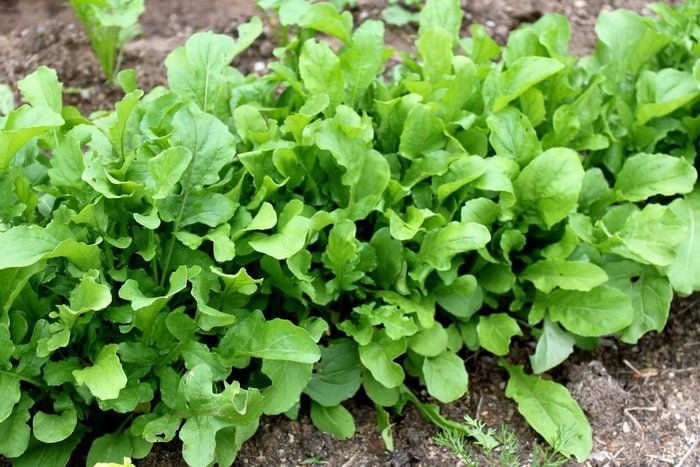
- Arugula (Eruca sativa): Fast-growing and ideal for salads.
- Herbs:
- Basil (Ocimum basilicum): Thrives in hydroponic systems and grows compactly.
- Cilantro (Coriandrum sativum): Suited for indoor, soil-less cultivation.
- Parsley (Petroselinum crispum): Performs well in nutrient-rich water systems.
- Chives (Allium schoenoprasum): Compact and easy to maintain in water culture.
- Small Fruiting Vegetables:
- Cherry Tomatoes (Solanum lycopersicum var. cerasiforme): Dwarf varieties like ‘Tiny Tim’ grow well hydroponically.
- Mini Cucumbers (Cucumis sativus): Bush varieties are compact and ideal for vertical or container hydroponics.
- Radishes (Raphanus sativus): Quick-growing and suited for shallow water systems.
Selecting compact, fast-growing vegetables ensures efficient use of space and continuous harvest.
Types of Soil-Less Gardening Systems
Several soil-less gardening methods suit compact vegetable cultivation:
- Hydroponics: Plants grow in a nutrient-rich water solution. Popular systems include:
- Deep Water Culture (DWC): Roots submerged in aerated nutrient solution.
- Nutrient Film Technique (NFT): Thin water film flows over roots continuously.
- Ebb and Flow: Nutrient solution periodically floods and drains the root zone.
- Aeroponics: Roots are suspended in air and misted with a nutrient solution. This method maximizes oxygen exposure and speeds growth.
- Wicking Systems: A passive hydroponic method where a wick draws nutrient solution from a reservoir to plant roots. Suitable for small, low-maintenance setups.
- Aquaponics (Vegetarian Version): Plants grow in water with nutrients derived from non-animal sources, like compost teas or plant-based fertilizers, ensuring purely vegetarian cultivation.
Choosing a system depends on available space, budget, and desired level of automation.
Setting Up a Soil-Less Mini Veggie Patch
Follow these steps for a successful soil-less indoor garden:
- Containers and Reservoirs: Use shallow trays, buckets, or specialized hydroponic containers to hold plants and nutrient solution. Ensure they are light-proof to prevent algae growth.
- Support Structures: Net pots, foam inserts, or mesh baskets support plants while allowing roots to contact water and nutrients.
- Aeration: Incorporate air pumps or water pumps for oxygenating roots, especially in DWC systems.
- Lighting: Provide 12–14 hours of light daily using LED or fluorescent grow lights if natural sunlight is insufficient.
- Temperature Control: Maintain moderate indoor temperatures (65–75°F) for optimal growth.
A well-planned setup ensures healthy root development, nutrient absorption, and consistent plant growth.
Nutrient Management
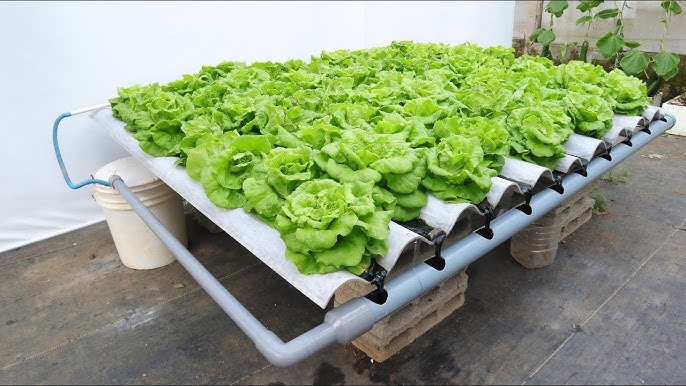
Plants grown without soil require carefully balanced nutrients:
- Essential Nutrients: Nitrogen, phosphorus, potassium, calcium, magnesium, and trace elements must be present in the solution.
- Vegetarian Nutrient Sources: Use plant-based fertilizers, compost teas, or seaweed extracts. Avoid animal-derived fertilizers to maintain a vegetarian approach.
- Monitoring: Measure pH (5.5–6.5) and electrical conductivity (EC) regularly to ensure optimal nutrient uptake.
- Solution Replacement: Replace nutrient solution every 1–2 weeks to prevent depletion and maintain stability.
Proper nutrient management promotes lush foliage, strong roots, and abundant fruiting.
Watering and Maintenance
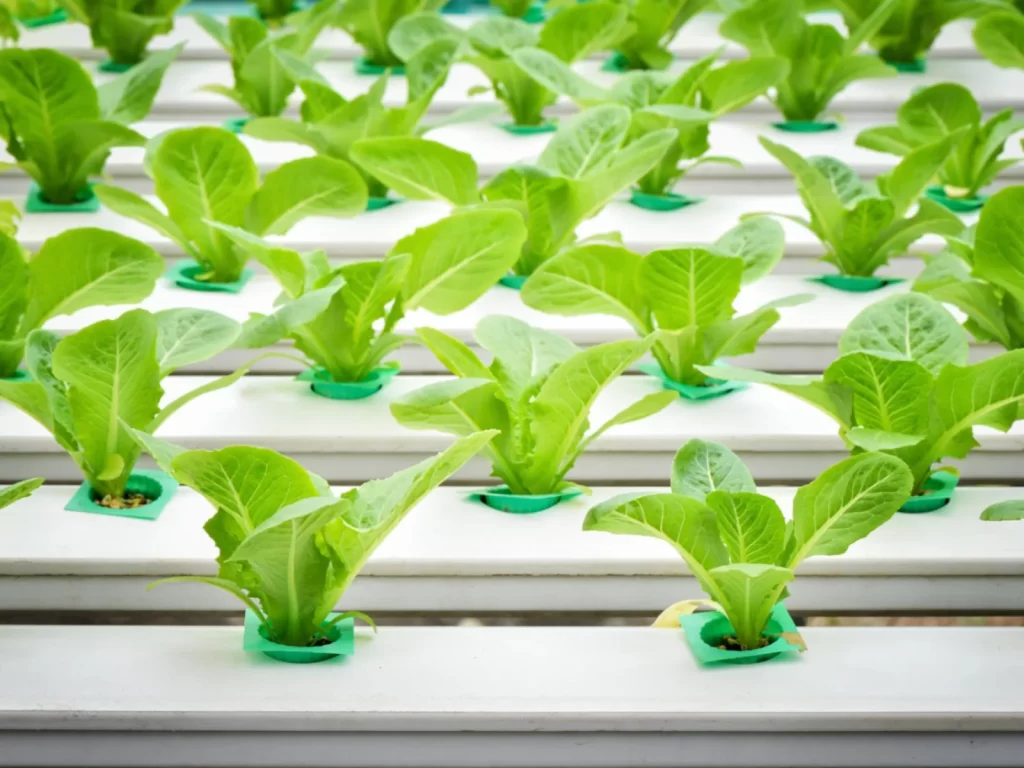
Although soil-less systems are water-based, consistent monitoring is crucial:
- Solution Levels: Keep reservoirs topped up to prevent roots from drying out.
- Oxygenation: Ensure roots receive adequate oxygen using air pumps or aeration stones.
- Cleaning: Clean containers and reservoirs regularly to prevent algae, bacterial growth, or mineral build-up.
- Pruning: Trim excessive foliage to allow airflow and light penetration.
Routine maintenance keeps your soil-less garden productive and healthy.
Pest and Disease Management
Indoor soil-less gardening minimizes pest problems, but some vigilance is necessary:
- Common Pests: Aphids, whiteflies, and spider mites may appear. Control with insecticidal soaps or neem oil.
- Disease Prevention: Proper spacing, clean containers, and healthy nutrient solutions reduce fungal and bacterial issues.
- Hygiene: Sterilize tools and reservoirs between cycles to prevent contamination.
Preventive care ensures compact vegetables remain vigorous and productive.
Harvesting Strategies
Timely harvesting ensures maximum yield:
- Leafy Greens and Herbs: Use the cut-and-come-again method, harvesting outer leaves while inner leaves continue growing.
- Small Fruits: Pick cherry tomatoes and mini cucumbers when fully colored and firm. Frequent harvesting encourages continuous production.
- Root Vegetables: Remove radishes when they reach maturity for optimal tenderness and flavor.
Regular harvesting ensures continuous production and maintains plant health.
Creative Approaches for Compact Soil-Less Gardening
Enhance productivity and aesthetics with these strategies:
- Vertical Systems: Stack trays or use tiered racks to maximize space and light exposure.
- Combination Planting: Grow complementary plants together, like basil with lettuce or arugula, to optimize space.
- Portable Units: Small, self-contained hydroponic or aeroponic kits allow easy relocation for sunlight or kitchen convenience.
- Decorative Arrangements: Use colorful foliage, herbs, or dwarf fruiting plants to make the mini patch visually appealing.
These approaches increase efficiency while transforming indoor spaces into green, productive areas.
Conclusion
Growing compact vegetables without soil is an innovative and practical solution for urban dwellers, small-space gardeners, and busy individuals seeking fresh, nutritious produce. By selecting fast-growing, compact vegetables and herbs, setting up efficient hydroponic or aeroponic systems, managing nutrient solutions carefully, and maintaining proper lighting and oxygenation, anyone can cultivate a thriving indoor mini veggie patch. Routine maintenance, pruning, pest prevention, and timely harvesting ensure continuous production and optimal plant health.
Soil-less gardening demonstrates that homegrown, pesticide-free vegetables are achievable without outdoor space or traditional soil. Indoor soil-less systems maximize efficiency, space, and yield, offering a sustainable, convenient, and rewarding approach to urban vegetable cultivation. With creativity, consistency, and care, compact vegetables can flourish indoors, providing a steady supply of fresh, nutritious, and flavorful produce all year round.