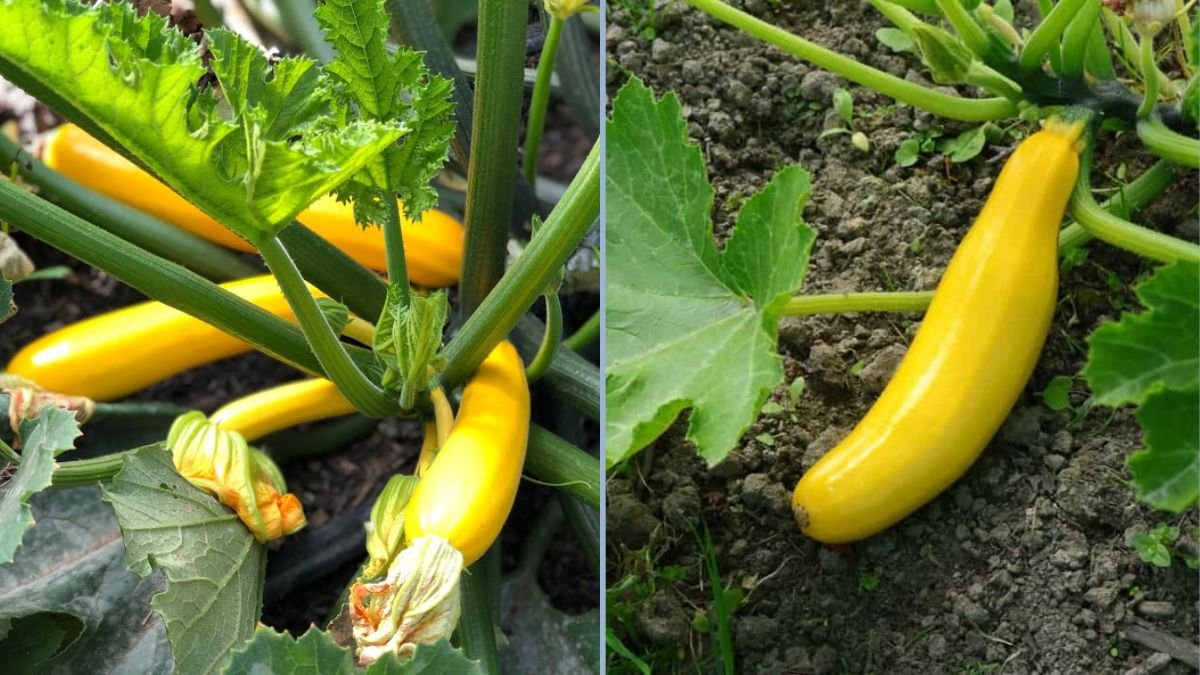
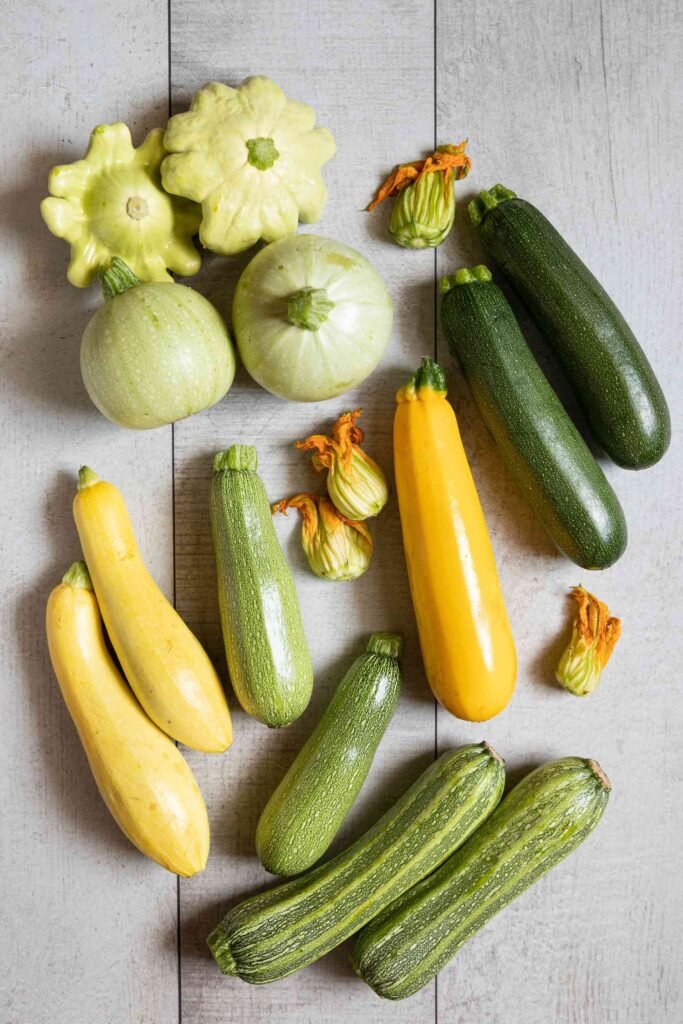
Summer squash, including zucchini, yellow squash, and pattypan squash, is a versatile vegetable widely used in vegetarian cooking. Renowned for its mild flavor, tender texture, and high water content, summer squash is rich in vitamins A and C, potassium, fiber, and antioxidants. Its delicate nature, however, makes it highly perishable. Without proper preservation, summer squash quickly becomes soft, watery, and unappealing, limiting its usability beyond the harvest period.
This article explores easy, effective, and vegetarian-friendly methods to preserve summer squash, covering selection, preparation, freezing, drying, pickling, and storage techniques, ensuring year-round availability for cooking and baking.
1. Selecting Summer Squash for Preservation
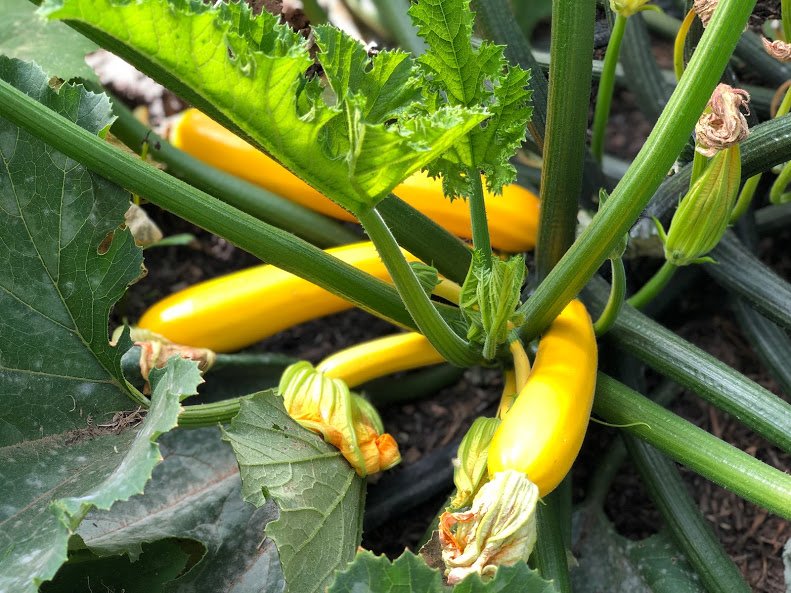
The foundation of successful preservation begins with choosing high-quality squash.
Tips for Selection
- Firmness: Choose squash that is firm with no soft spots or bruises.
- Size: Medium-sized squash is ideal; very large squash may be seedy or watery.
- Skin Integrity: Select squash with smooth, unbroken skin. Avoid those with blemishes or mold.
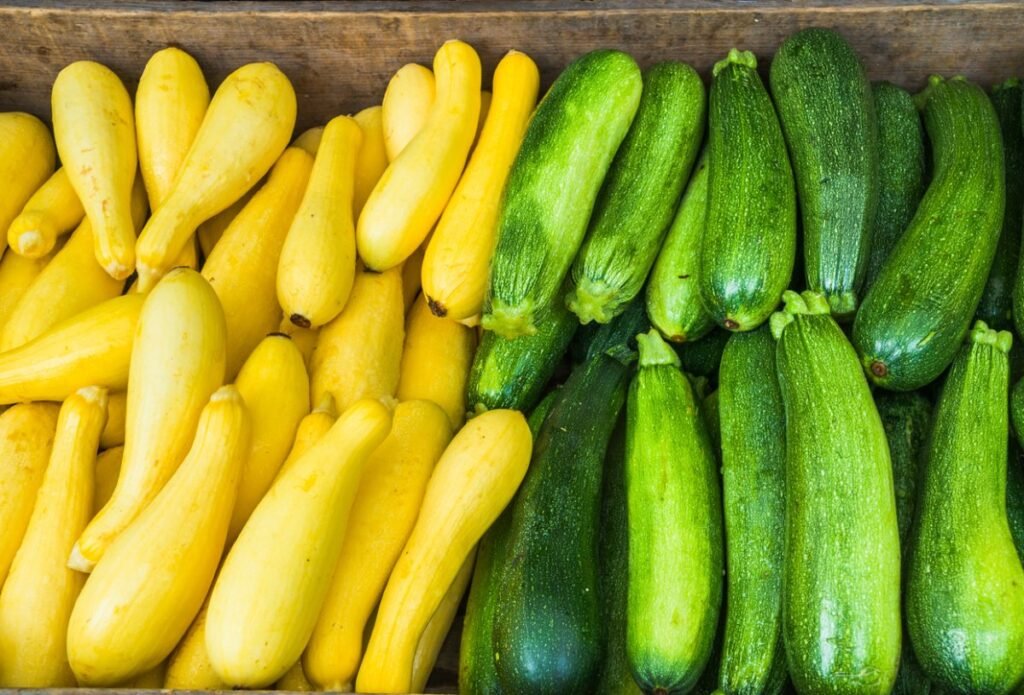
- Color: Look for vibrant colors—deep green for zucchini, bright yellow for yellow squash, or characteristic hues for pattypan.
Selecting the best produce ensures better preservation, flavor, and texture over time.
2. Handling Summer Squash Properly
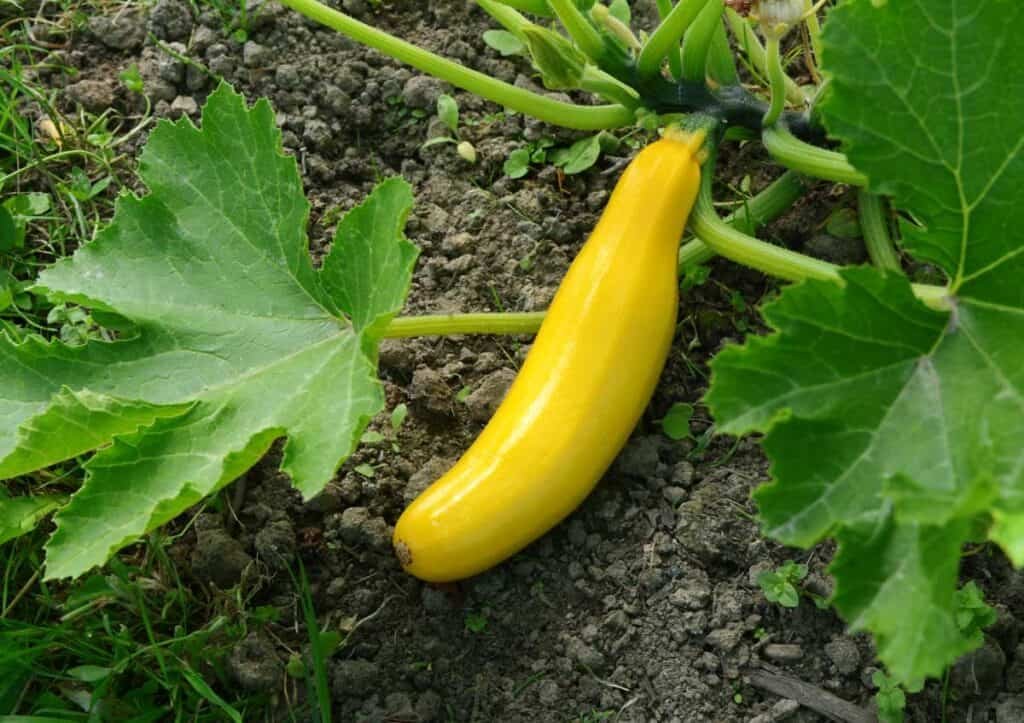
Even the freshest squash can spoil quickly if mishandled.
Handling Tips
- Avoid Washing Before Storage: Excess moisture encourages mold growth. Wash squash only before use.
- Prevent Bruising: Handle gently to avoid pressure marks or dents, which speed up decay.
- Separate by Size: Uniform sizes freeze and dry more evenly, ensuring consistent preservation.
3. Freezing Summer Squash
Freezing is a convenient method that retains nutrients, texture, and flavor for several months.
Preparation for Freezing
- Wash squash under cold water.
- Slice or dice into uniform pieces suitable for recipes.
- Optional: Blanch slices in boiling water for 2–3 minutes, then immediately cool in ice water to preserve color and texture.
- Drain thoroughly to remove excess water.
Freezing Techniques
- Tray Freezing: Spread slices or diced pieces on a baking sheet in a single layer. Freeze for 1–2 hours to prevent clumping. Transfer to airtight freezer bags or containers, removing excess air.
- Portion-Freezing: Divide squash into portions suitable for soups, casseroles, or stir-fries. This makes thawing and cooking easier.
- Vacuum Sealing: Use a vacuum sealer for long-term storage. This prevents freezer burn and preserves flavor.
Shelf Life: 10–12 months when frozen properly.
4. Drying Summer Squash
Drying reduces moisture, extending shelf life without refrigeration.
Drying Methods
- Oven Drying: Slice squash thinly, arrange on baking trays, and dry at low temperature (50–60°C / 120–140°F) until brittle or leathery.
- Dehydrator: Use a food dehydrator for consistent results. Dry evenly to prevent mold growth.
- Sun Drying (Optional): In warm, sunny climates, thin slices can be sun-dried on racks covered with mesh to keep insects away.
Storage of Dried Squash
- Place dried squash in airtight containers in a cool, dark, and dry location.
- Shelf life: 6–12 months.
- Rehydrate in water before cooking, or use directly in soups, stews, and casseroles.
5. Pickling Summer Squash
Pickling adds flavor while preserving squash for months.
Pickling Process
- Slice or dice squash and pack into sterilized jars.
- Prepare a brine of water, vinegar, salt, and optional spices such as garlic, dill, or mustard seeds.
- Pour brine over squash, leaving headspace. Seal jars.
- Refrigerate for short-term pickles or process in a water bath for longer storage.
Shelf Life: Several months in the refrigerator; up to a year if properly canned.
Pickled squash is a tangy addition to salads, sandwiches, or vegetarian antipasti.
6. Storing Fresh Summer Squash
Proper storage can extend the freshness of raw squash for up to a week or more.
Tips
- Temperature: Keep in a cool, dry area or refrigerator at 10–15°C (50–59°F).
- Avoid Moisture: Wrap squash in paper towels or store in perforated plastic bags to prevent condensation.
- Separate from Ethylene-Producing Produce: Store away from fruits such as apples, bananas, and tomatoes to prevent premature softening.
- Use Quickly: Even under ideal conditions, delicate summer squash should be used within 5–7 days.
7. Avoiding Common Preservation Mistakes
Improper handling and storage can reduce squash quality.
| Mistake | Effect | Solution |
|---|---|---|
| Freezing wet squash | Ice crystals, mushy texture | Dry thoroughly before freezing |
| Skipping blanching for freezing | Loss of color and nutrients | Blanch briefly, then ice-cool |
| Overcrowding freezer bags | Clumping and uneven freezing | Flash freeze in a single layer first |
| Storing near ethylene-producing fruits | Accelerates softening | Keep squash separate |
| Using high heat for drying | Nutrient and flavor loss | Use low-temperature drying methods |
8. Nutrient Preservation in Summer Squash
Summer squash contains vitamins A, C, potassium, fiber, and antioxidants that are sensitive to heat, air, and light.
Tips
- Blanch before freezing to preserve vitamins and color.
- Avoid prolonged exposure to heat or sunlight during storage.
- Use airtight containers to prevent oxidation.
- Incorporate natural preservation methods like pickling or drying to retain nutrients for longer periods.
9. Culinary Uses of Preserved Summer Squash
Preserved summer squash maintains versatility in vegetarian dishes.
Ideas
- Frozen Squash: Ideal for stir-fries, soups, casseroles, or baking directly from frozen.
- Dried Squash: Use in soups, stews, grain dishes, or as rehydrated pasta alternatives.
- Pickled Squash: Serve as a tangy side dish, salad ingredient, or snack.
- Fresh Squash: Enjoy in salads, sautés, roasted dishes, or grilled as a side.
Proper preservation ensures that summer squash remains a convenient, flavorful, and nutritious ingredient year-round.
10. Sustainable and Eco-Friendly Preservation Practices
Preserving squash efficiently supports environmentally responsible habits.
Suggestions
- Use reusable freezer containers, silicone bags, or glass jars instead of disposable plastics.
- Compost any spoiled squash to reduce food waste.
- Freeze or dry only what can realistically be consumed to minimize waste.
- Organize storage space to maximize efficiency and reduce energy consumption.
Sustainable preservation reduces waste while keeping squash available for long-term use.
Conclusion
Preserving summer squash is essential for maintaining flavor, texture, and nutrients beyond the harvest season. Selecting firm, vibrant squash, handling gently, and employing methods such as freezing, drying, pickling, and proper refrigerator storage ensures longevity and quality. Techniques like flash freezing, blanching, portioning, and low-temperature drying prevent spoilage and maintain color and nutritional content.
By following these vegetarian-friendly preservation methods, summer squash can remain a versatile, nutritious, and flavorful ingredient year-round. Proper storage not only enhances the taste and texture of dishes but also reduces food waste and supports sustainable kitchen practices.