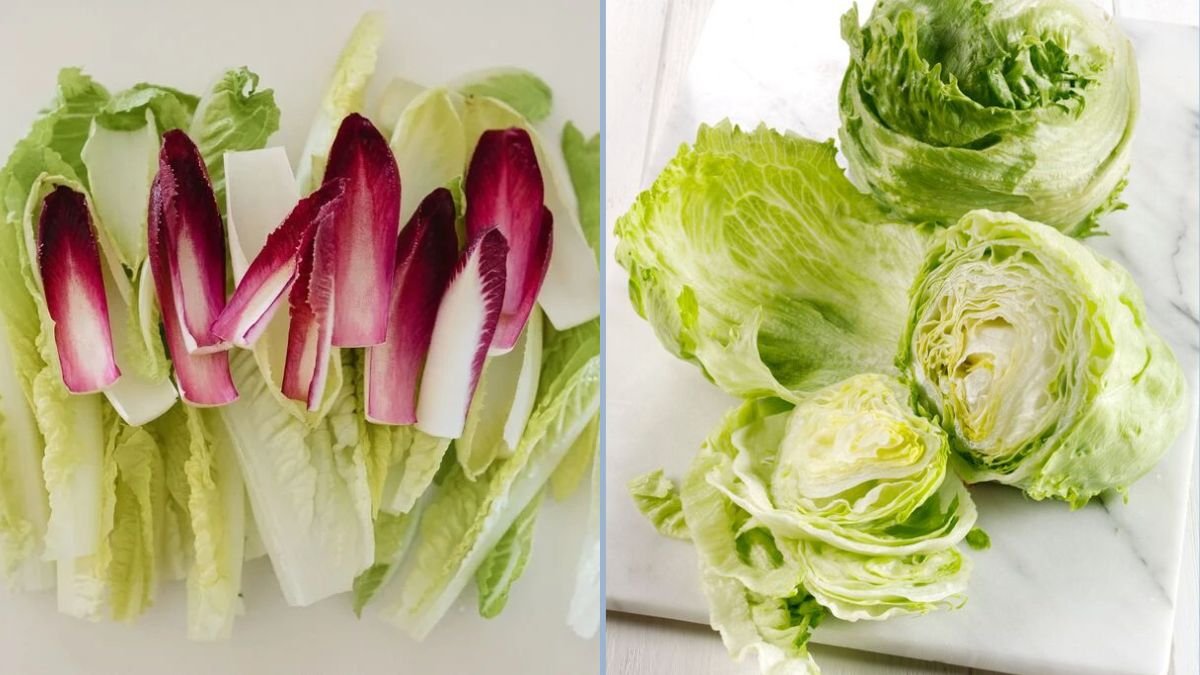
Lettuce is a staple in vegetarian diets, forming the base of salads, sandwiches, wraps, and garnishes. Rich in water, fiber, vitamins A, C, K, and folate, lettuce contributes to hydration, digestive health, and overall wellness. However, due to its high water content and delicate leaves, lettuce wilts quickly and loses its crispness if not stored properly. Prolonging the freshness of lettuce is essential for minimizing food waste, enhancing meal quality, and maintaining its nutritional value.
This article explores easy, effective, and vegetarian-friendly methods to keep lettuce crisp longer, covering selection, handling, storage techniques, preparation, and natural preservation methods.
1. Selecting Lettuce for Long-Term Crispness
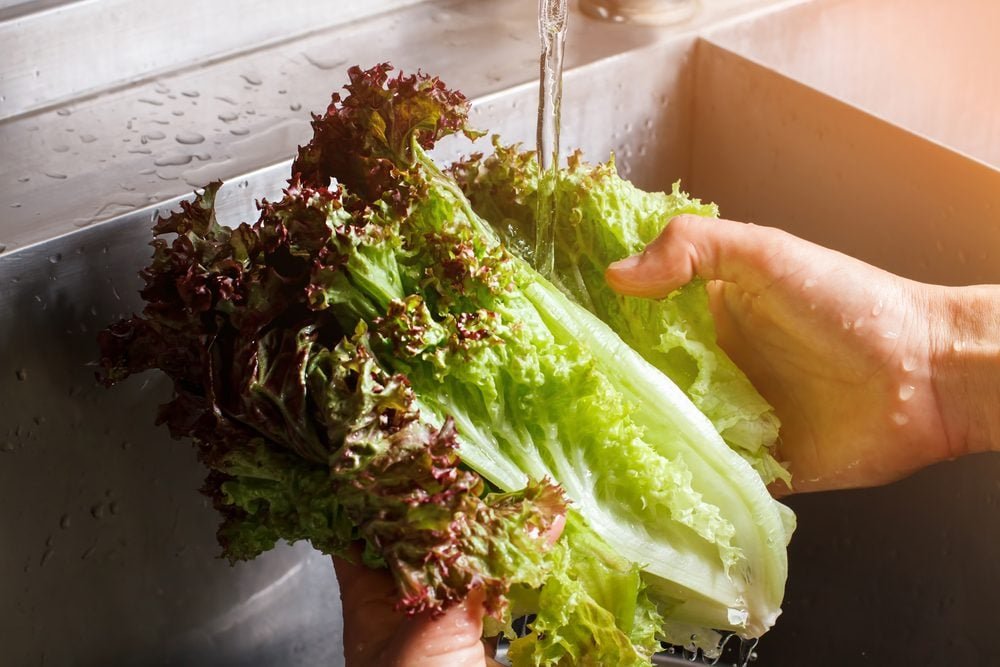
The foundation of maintaining crisp lettuce begins with choosing high-quality heads or leaves.
Tips for Selection
- Leaf Color: Choose vibrant, green leaves without yellowing or browning.
- Texture: Look for firm, turgid leaves. Avoid limp or wilted leaves.
- Integrity: Avoid torn or bruised leaves, as damaged areas spoil faster.
- Variety: Some varieties, such as romaine, iceberg, and butterhead, naturally stay crisper longer than delicate leaf or mesclun mixes.
Selecting fresh, undamaged lettuce is critical for extending shelf life.
2. Handling Lettuce Properly
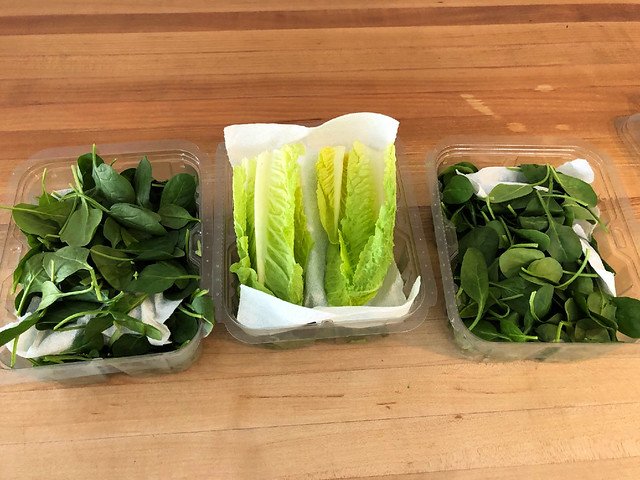
Even the freshest lettuce can lose crispness if mishandled.
Handling Tips
- Wash Gently: Rinse leaves under cold water to remove dirt or insects. Avoid rough handling to prevent bruising.
- Dry Thoroughly: Excess water promotes wilting and microbial growth. Use a salad spinner or pat leaves dry with paper towels.
- Separate Leaves: Remove damaged or yellowing leaves to prevent spoilage from spreading.
- Avoid Crushing: Do not pack lettuce tightly; allow leaves space to maintain air circulation.
3. Optimal Storage Conditions for Lettuce
Temperature, humidity, and airflow are critical to prolonging crispness.
Temperature
- Store lettuce in the refrigerator at 0–4°C (32–39°F).
- Avoid freezing or storing near the freezer compartment, as temperatures that are too low damage cells, causing brown spots and limp leaves.
Humidity
- High relative humidity (~95%) helps retain water in lettuce leaves.
- Use the crisper drawer or humidity-controlled containers to maintain optimal moisture levels.
Airflow
- Proper airflow reduces moisture condensation, preventing decay and sliminess.
- Avoid airtight containers without ventilation, which trap water and accelerate wilting.
4. Storage Techniques to Keep Lettuce Crisp
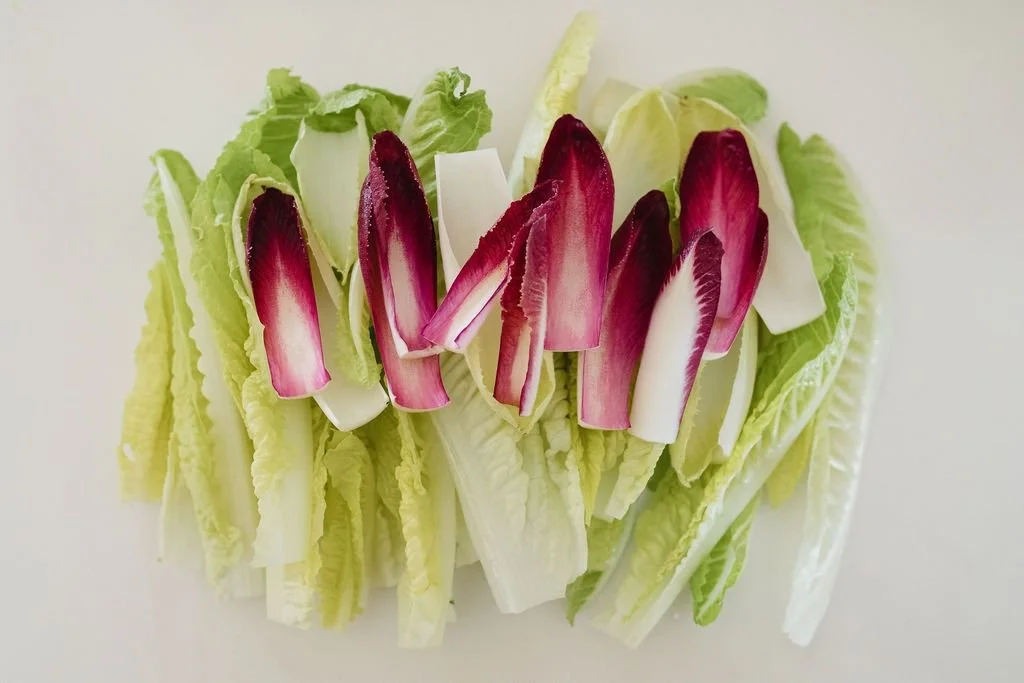
Several effective storage methods help extend lettuce freshness.
A. Paper Towel Method
- Place washed and dried leaves in a container lined with a dry paper towel.
- Add another paper towel layer on top of the leaves.
- Seal loosely and store in the refrigerator. The paper towel absorbs excess moisture while maintaining humidity around the leaves.
B. Jar or Container Storage
- Store leaves upright in a glass or plastic container with a slightly damp paper towel at the bottom.
- Keep the container slightly ajar for airflow.
- This method works well for romaine, butterhead, and leaf lettuce.
C. Plastic Bag Storage
- Place washed, dried leaves in a perforated plastic bag.
- Add a dry paper towel to absorb moisture.
- Seal loosely and store in the crisper drawer.
D. Lettuce Spinner Storage
- Keep lettuce in a salad spinner between washes.
- The spinning basket allows air circulation and reduces moisture accumulation.
- Store in the refrigerator and spin leaves gently before use to revive crispness.
5. Pre-Treatment to Extend Crispness
Certain treatments can help lettuce maintain texture and prevent wilting.
A. Ice Water Soak
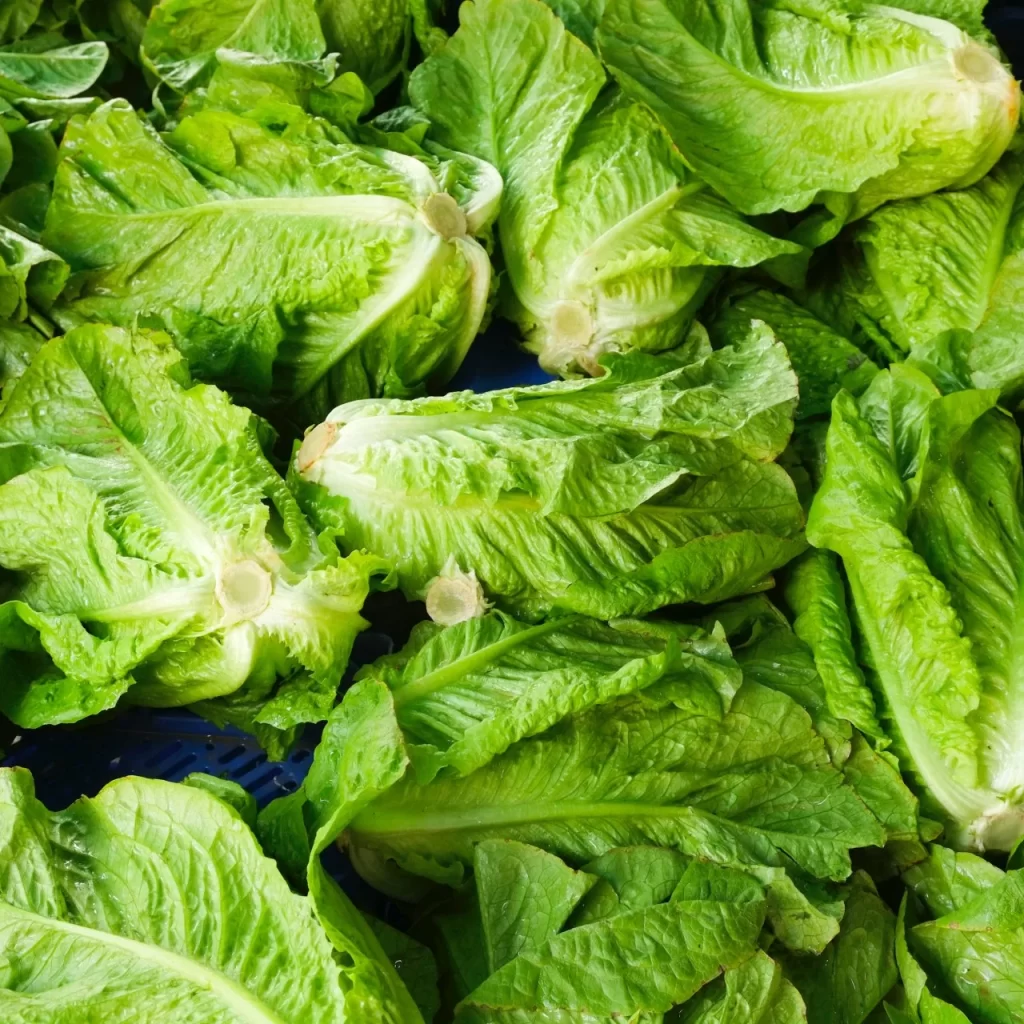
- Briefly submerge wilted lettuce in ice water for 5–10 minutes.
- This revives turgidity in leaves, restoring crispness.
- Drain thoroughly before storing or serving.
B. Lemon or Vinegar Rinse (Optional)
- Lightly rinse leaves in a solution of water with a few drops of lemon juice or vinegar.
- This mildly acidic solution helps slow enzymatic browning and bacterial growth.
- Rinse with clean water afterward to remove residual taste.
6. Avoiding Common Storage Mistakes
Even minor errors can reduce lettuce shelf life.
| Mistake | Effect | Solution |
|---|---|---|
| Storing wet leaves | Promotes mold and wilting | Dry leaves thoroughly before storage |
| Overcrowding containers | Crushes leaves and reduces airflow | Use multiple containers or layer leaves with paper towels |
| Storing near ethylene-producing fruits | Accelerates aging | Keep lettuce away from apples, bananas, and tomatoes |
| Using airtight bags without ventilation | Traps moisture | Use perforated bags or loosely seal containers |
| Mixing old and new leaves | Old leaves accelerate decay | Rotate leaves and remove wilted ones regularly |
7. Monitoring Lettuce Freshness
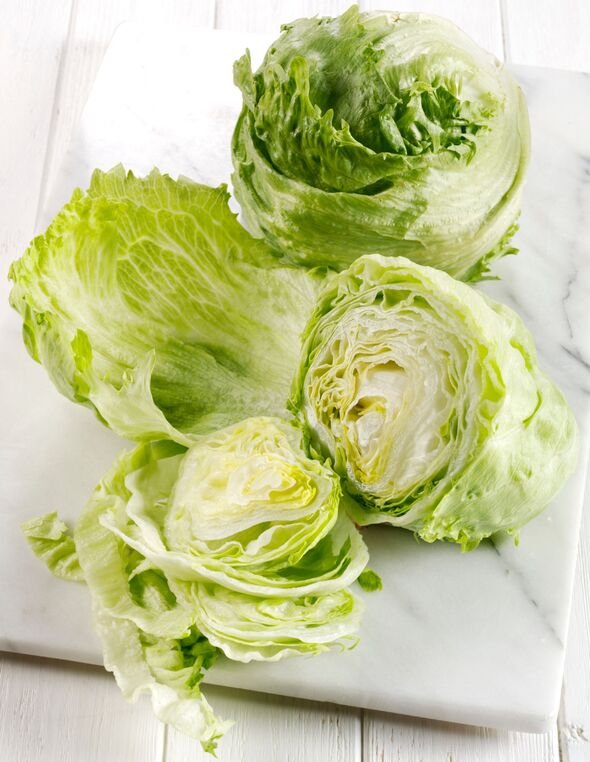
Routine inspection helps maintain crispness and prevent spoilage.
Tips
- Check leaves every 1–2 days for signs of wilting, discoloration, or slime.
- Remove damaged leaves immediately.
- Rotate older leaves to the top or front of storage for first use.
- Spin or refresh leaves in ice water if minor wilting occurs.
8. Nutrient Preservation in Stored Lettuce
Lettuce contains vitamins A, C, K, folate, and antioxidants, which are sensitive to heat, light, and air.
Tips for Preserving Nutrients
- Store in the refrigerator away from light.
- Limit washing until just before consumption to reduce nutrient loss.
- Use gentle handling to prevent bruising, which accelerates oxidation.
- Consume within 5–7 days for delicate varieties; heartier lettuces may last up to 10–12 days.
9. Culinary Uses of Crisp Lettuce
Maintaining crispness enhances both taste and versatility.
Ideas
- Salads: Enjoy as the base of green salads, grain bowls, or wraps.
- Sandwiches and Burgers: Crisp leaves provide crunch and moisture.
- Tacos and Wraps: Use leaves as natural wraps for vegetarian fillings.
- Garnishes: Add fresh leaves to soups, pasta, or stir-fries for color and texture.
- Smoothies: Heartier leaves like romaine can be blended for nutrient-rich drinks.
Fresh, crisp lettuce elevates the flavor, texture, and presentation of vegetarian meals.
10. Sustainable and Eco-Friendly Practices
Extending lettuce freshness can reduce food waste and support eco-friendly kitchens.
Suggestions
- Use reusable containers, jars, or cloth bags instead of single-use plastics.
- Compost any wilted or spoiled leaves.
- Purchase or harvest only what can be consumed within storage limits.
- Optimize refrigerator organization to minimize energy use and repeated door openings.
Sustainable practices maintain freshness while supporting environmentally conscious habits.
Conclusion
Keeping lettuce crisp longer is achievable through careful selection, gentle handling, and proper storage. Techniques such as paper towel layering, jar or container storage, perforated plastic bags, and ice water refreshing help preserve texture, flavor, and nutrients. Avoiding common mistakes, such as storing wet leaves or crowding containers, further extends shelf life.
By implementing these easy, vegetarian-friendly methods, lettuce can remain fresh, crisp, and flavorful for days, enhancing salads, sandwiches, wraps, and other dishes. Proper storage not only improves meal quality but also reduces waste, making lettuce a convenient and sustainable staple in everyday vegetarian cooking.