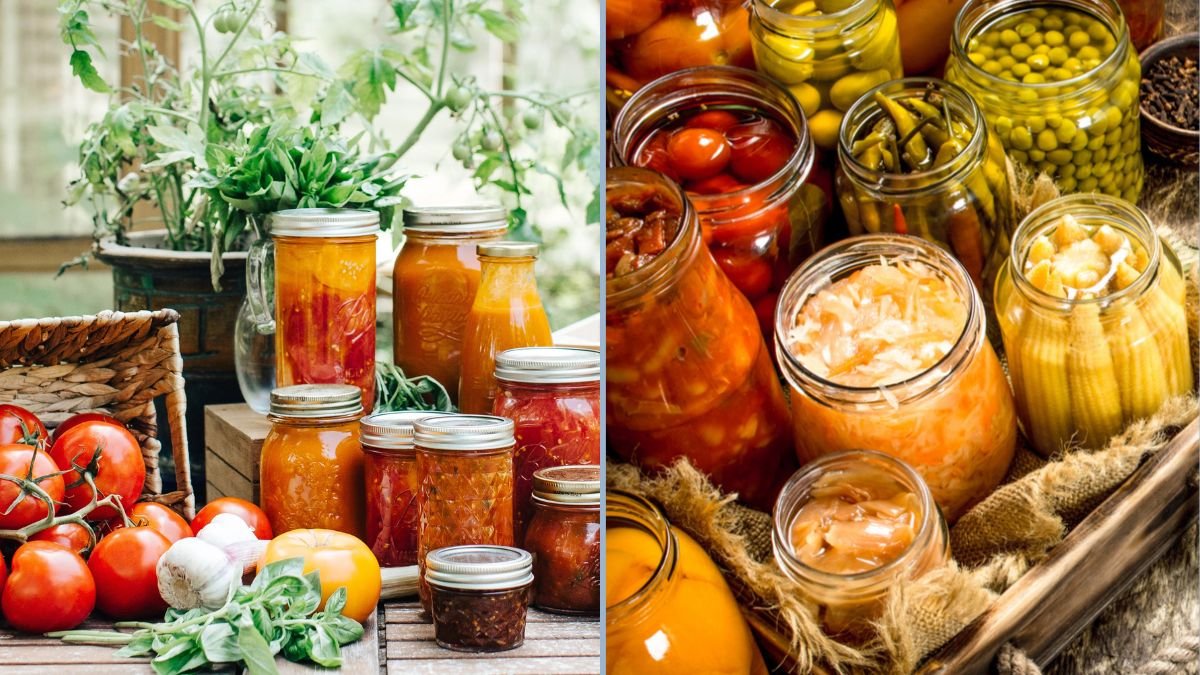
Fresh vegetables from the garden are packed with nutrients, flavor, and natural goodness. From tomatoes and zucchini to carrots, peppers, and leafy greens, homegrown produce offers unmatched freshness. However, their high perishability requires proper preservation to maintain quality, taste, and nutritional content. Many commercial preservation methods rely on chemical additives, but for health-conscious and vegetarian-friendly households, chemical-free preservation is ideal.
This article explores effective, natural, and chemical-free methods to preserve garden vegetables, including selection, handling, storage, drying, freezing, fermentation, and sustainable practices.
1. Selecting Vegetables for Chemical-Free Preservation
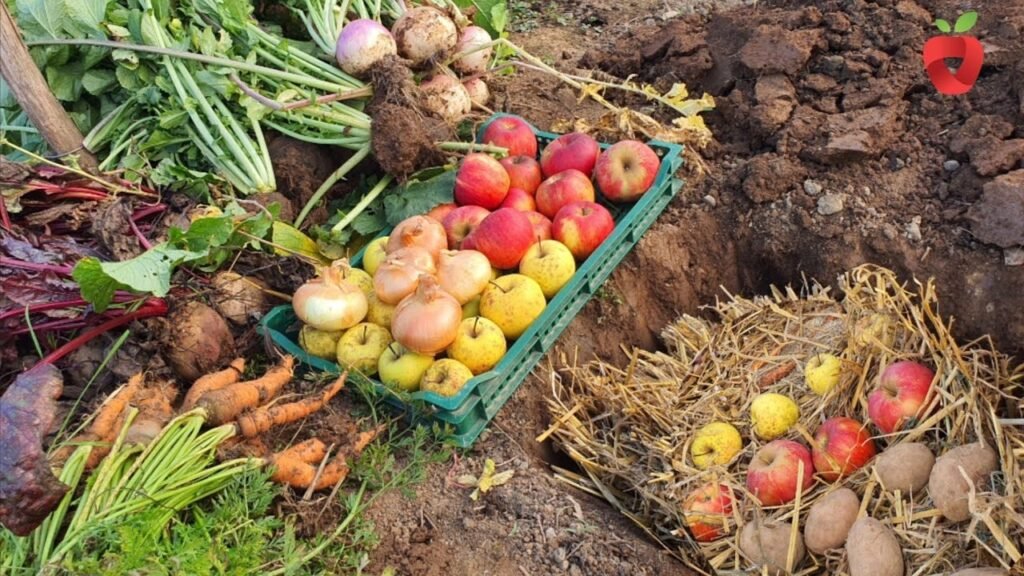
The foundation for effective preservation begins with selecting high-quality vegetables.
Tips for Selection
- Freshness: Choose vegetables freshly harvested from the garden with firm texture and vibrant color.
- Uniform Size: Uniform-sized vegetables dry, freeze, or store more evenly.
- Intact Skin: Avoid vegetables with bruises, cracks, or soft spots, as damaged produce spoils faster.
- Maturity: Harvest vegetables at peak ripeness for maximum flavor and nutrient content.
Choosing the best produce ensures longer preservation without the need for chemical additives.
2. Handling Vegetables Gently
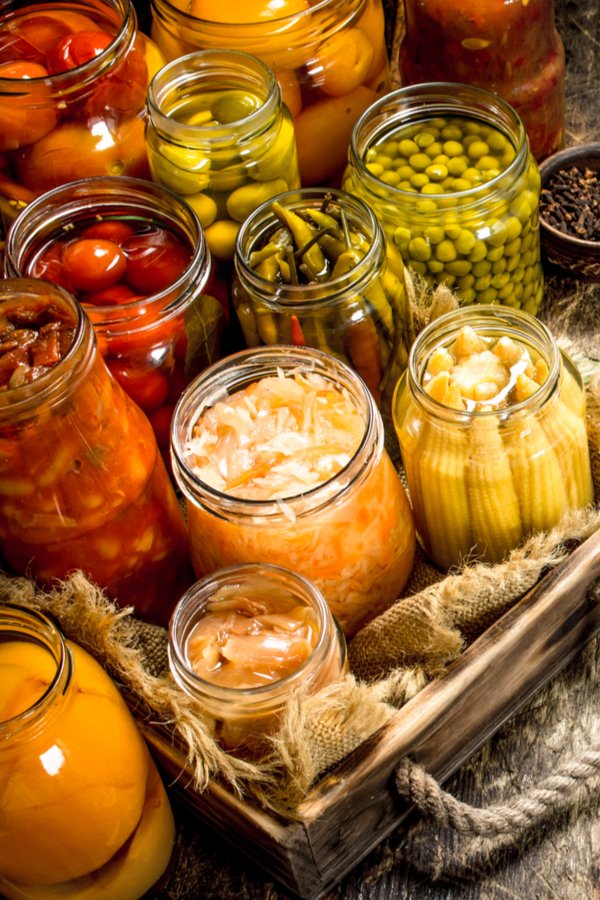
Proper handling prevents early spoilage and maintains natural quality.
Handling Tips
- Rinse Carefully: Wash vegetables under cold water to remove dirt, insects, and debris. Avoid soaking for long periods to reduce nutrient loss.
- Dry Thoroughly: Pat dry with a clean cloth or use a salad spinner for leafy greens. Excess moisture encourages mold and decay.
- Trim Damaged Parts: Remove bruised or yellowing areas to prevent spoilage from spreading.
- Avoid Crushing: Handle gently to preserve structure and texture, especially for delicate vegetables like tomatoes and leafy greens.
3. Storage Techniques Without Chemicals
Storage is the most crucial step in chemical-free preservation.
A. Room Temperature Storage
- Suitable for hardy vegetables like onions, garlic, potatoes, and winter squash.
- Store in a cool, dry, dark area to minimize moisture and sprouting.
- Use ventilated baskets or crates to allow air circulation.
B. Refrigeration
- Ideal for leafy greens, cucumbers, carrots, peppers, and zucchini.
- Place in perforated plastic bags or reusable containers with a dry paper towel to absorb excess moisture.
- Maintain a temperature of 0–4°C (32–39°F) for optimal freshness.
C. Humidity Control
- Root vegetables like carrots, beets, and parsnips benefit from high humidity (~85–95%).
- Use crisper drawers or containers lined with damp sand or paper towels.
- Avoid overcrowding, which can trap moisture and accelerate spoilage.
4. Freezing Vegetables Naturally
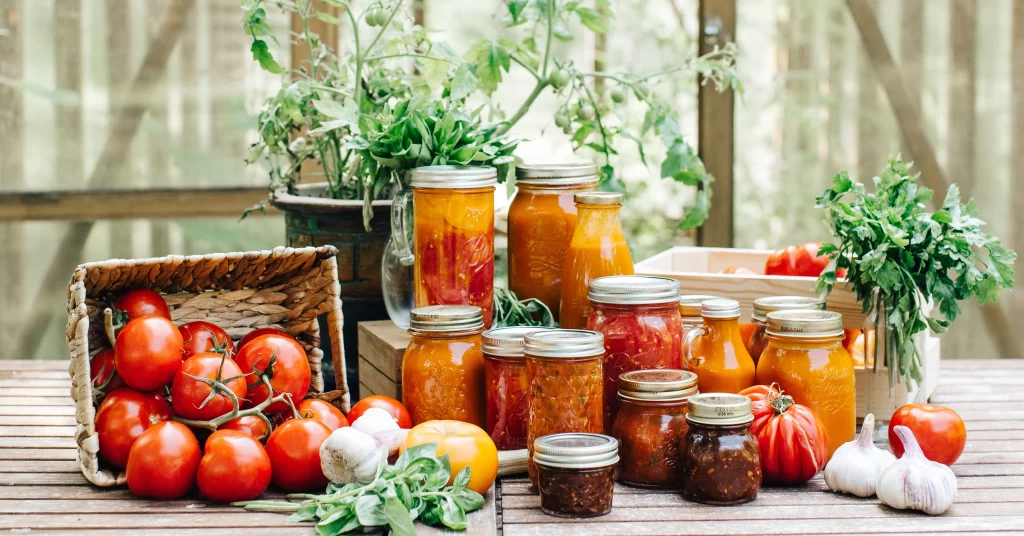
Freezing is one of the most effective chemical-free preservation methods.
Preparation for Freezing
- Wash and peel vegetables if necessary.
- Cut into uniform pieces for even freezing.
- Blanch vegetables briefly in boiling water to halt enzymatic activity and preserve color, flavor, and nutrients.
- Cool immediately in ice water and drain thoroughly.
Freezing Tips
- Spread vegetables in a single layer on a tray to flash-freeze before storing in airtight containers or freezer bags.
- Remove excess air from containers to prevent freezer burn.
- Label containers with the vegetable name and freezing date.
Shelf Life: Most vegetables last 8–12 months when properly frozen.
5. Drying Vegetables Naturally
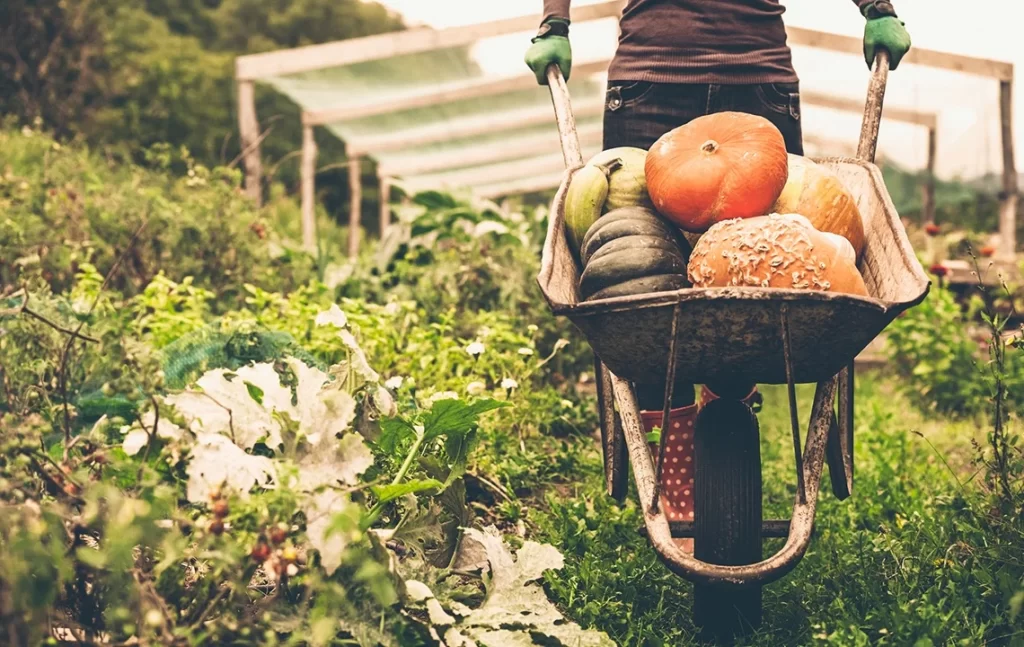
Drying removes moisture, inhibiting microbial growth without chemicals.
Drying Methods
- Sun Drying: Suitable in hot, dry climates; place thinly sliced vegetables on racks or trays in direct sunlight. Cover with mesh to protect from insects.
- Oven Drying: Use low temperatures (50–60°C / 120–140°F) for consistent drying.
- Dehydrator Drying: Ideal for consistent results with vegetables like carrots, peppers, tomatoes, and zucchini.
Storage of Dried Vegetables
- Store in airtight glass jars or reusable containers in a cool, dark place.
- Properly dried vegetables can last 6–12 months.
- Rehydrate in water or broth for use in soups, sauces, and stews.
6. Fermentation: A Natural Preserving Technique
Fermentation enhances flavor while preserving nutrients.
Steps for Fermenting Vegetables
- Wash and chop vegetables into uniform pieces.
- Submerge in a saltwater brine (about 2% salt by weight) or apply a dry salt rub.
- Store in a glass jar or fermentation crock at room temperature for several days.
- Taste periodically and transfer to the refrigerator once desired flavor and texture are reached.
Benefits: Fermentation preserves vegetables naturally, improves digestibility, and produces beneficial probiotics.
7. Pickling Without Chemicals
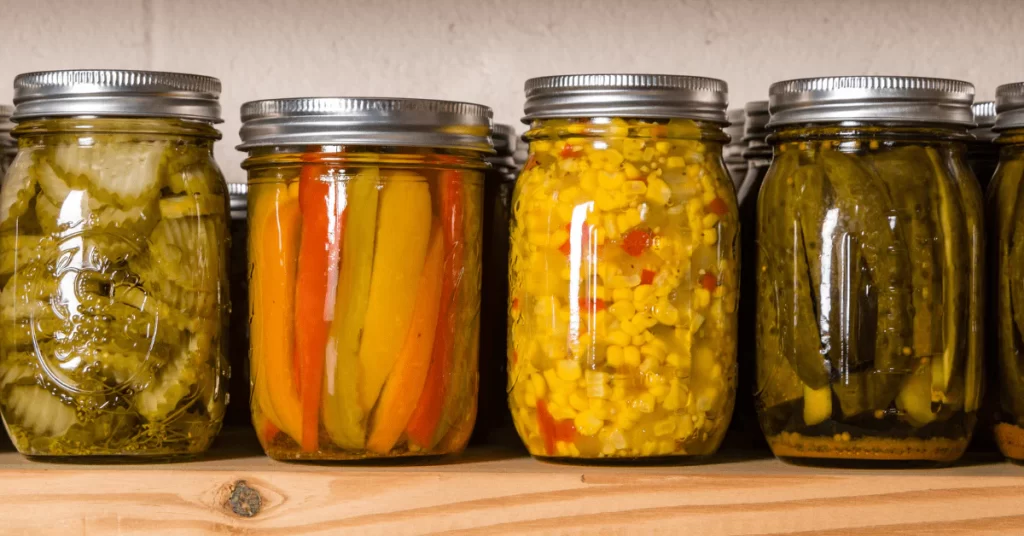
Pickling with vinegar and salt is a safe, chemical-free method.
Steps
- Wash and cut vegetables.
- Prepare a solution of water, vinegar, and salt; optional herbs and spices can enhance flavor.
- Pour brine over vegetables in sterilized jars, leaving headspace.
- Seal jars and store in the refrigerator for short-term preservation or process in a water bath for long-term storage.
Examples: Cucumbers, carrots, peppers, and radishes are excellent for pickling.
8. Avoiding Common Mistakes in Chemical-Free Preservation
| Mistake | Effect | Solution |
|---|---|---|
| Storing wet vegetables | Mold growth | Dry thoroughly before storage |
| Overcrowding containers | Reduced airflow, faster spoilage | Store in layers or use ventilated containers |
| Storing in direct sunlight | Wilting, discoloration | Keep in dark or shaded areas |
| Mixing damaged and fresh produce | Spoilage spreads | Inspect and separate imperfect vegetables |
| Skipping blanching before freezing | Loss of color and nutrients | Blanch vegetables briefly before freezing |
9. Nutrient Preservation in Chemical-Free Methods
Vegetables are rich in vitamins, minerals, and antioxidants.
Tips
- Use prompt preservation after harvest to retain nutrients.
- Avoid prolonged exposure to heat and sunlight.
- Choose storage methods appropriate to vegetable type (root, leafy, or fruiting).
- Consume preserved vegetables within recommended periods for maximum nutritional benefits.
10. Sustainable and Eco-Friendly Preservation Practices
Natural preservation aligns with sustainable kitchen practices.
Suggestions
- Use reusable glass jars, cloth bags, and ventilated containers instead of single-use plastics.
- Compost spoiled or unused vegetables.
- Harvest only what can be consumed or preserved.
- Organize storage areas efficiently to reduce energy waste in refrigerators or freezers.
Sustainable practices maintain vegetable quality while reducing environmental impact.
11. Culinary Uses of Preserved Vegetables
Properly preserved vegetables remain versatile in vegetarian cooking.
Ideas
- Frozen Vegetables: Use directly in soups, stews, stir-fries, and casseroles.
- Dried Vegetables: Rehydrate for sauces, soups, or grain dishes.
- Fermented Vegetables: Serve as probiotic-rich side dishes or salad toppings.
- Pickled Vegetables: Add crunch and tang to sandwiches, salads, or wraps.
Chemical-free preservation ensures vegetables remain nutritious, flavorful, and safe for consumption.
Conclusion
Preserving garden vegetables without chemicals is both effective and sustainable. Selecting fresh produce, handling gently, and using natural methods such as refrigeration, freezing, drying, fermentation, and pickling allows vegetables to retain flavor, texture, and nutritional value. Avoiding common storage mistakes and maintaining proper environmental conditions further extends shelf life.
By implementing these chemical-free methods, gardeners and home cooks can enjoy fresh, versatile, and healthy vegetables year-round while reducing waste and supporting eco-friendly kitchen practices. These approaches align perfectly with vegetarian lifestyles, ensuring safe, flavorful, and nutrient-rich meals without artificial preservatives.