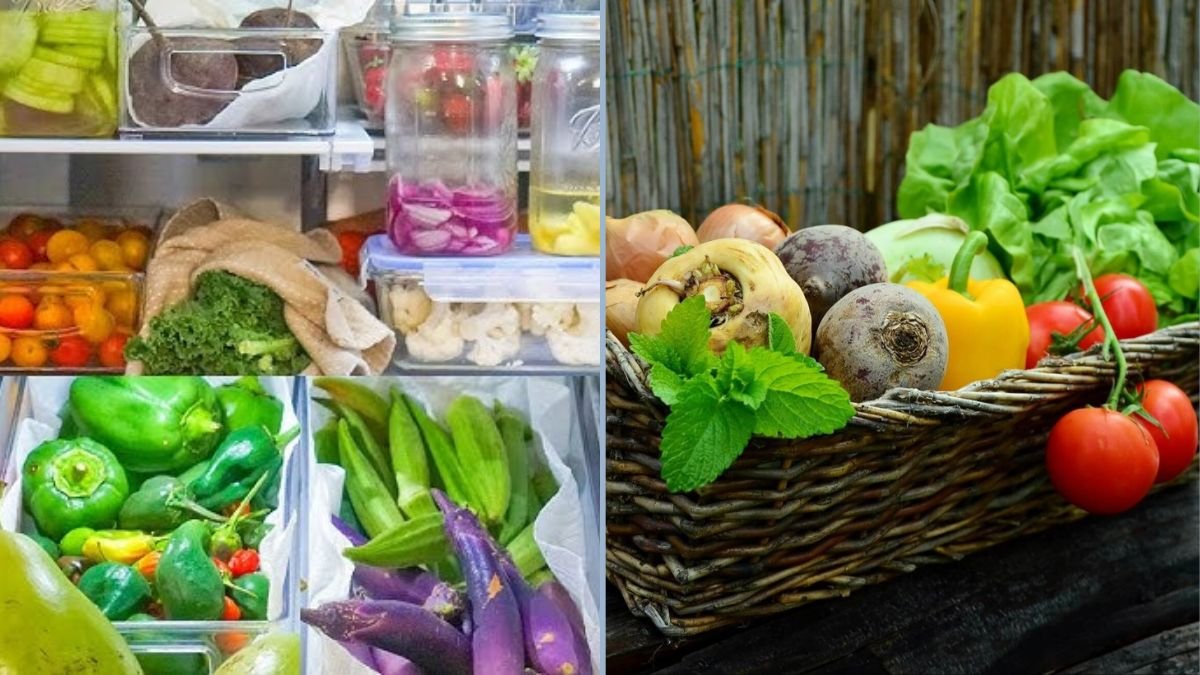
Fresh fruits and vegetables are essential for a healthy, vegetarian diet. They provide essential vitamins, minerals, fiber, and antioxidants, while adding color, texture, and flavor to meals. However, improper organization can lead to spoilage, waste, and reduced nutrient content. Efficiently organizing fresh produce at home ensures longevity, maintains quality, and makes meal preparation easier.
This article explores easy, practical, and vegetarian-friendly methods to organize fresh produce, covering selection, handling, storage strategies, and sustainable practices.
1. Choosing the Right Produce for Organization
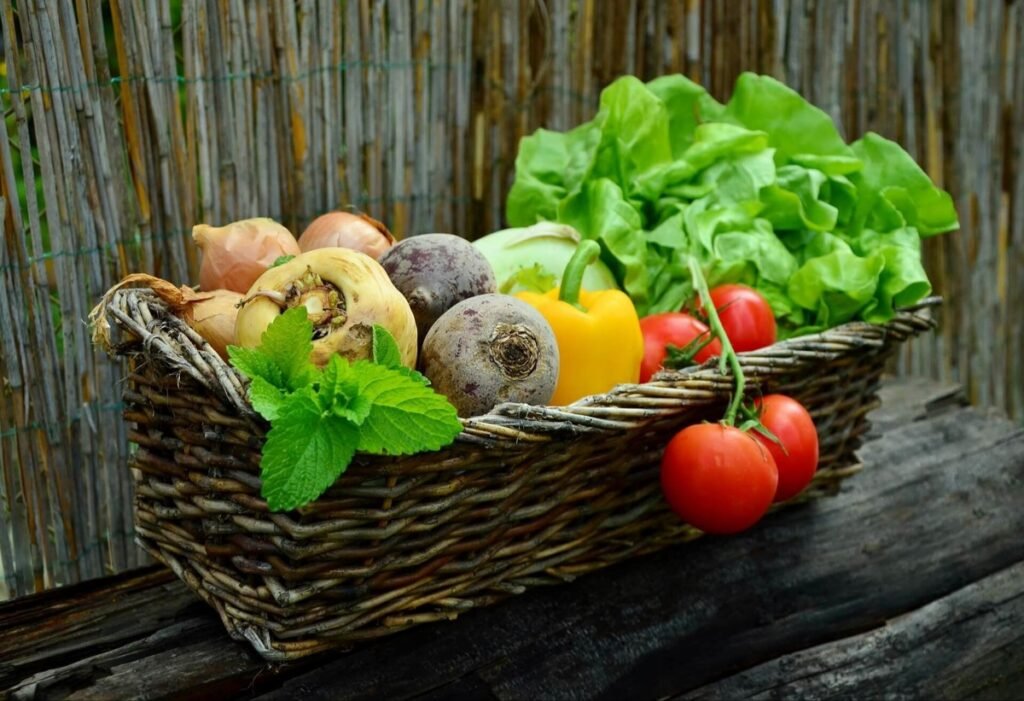
Proper organization begins with selecting high-quality, fresh produce.
Tips for Selection
- Freshness: Choose firm, vibrant fruits and vegetables free from bruises, mold, or discoloration.
- Uniformity: Similar-sized items are easier to store and organize efficiently.
- Variety: Select produce based on household needs and consumption patterns to reduce waste.
- Seasonality: In-season fruits and vegetables are fresher, last longer, and are more cost-effective.
Selecting the right produce ensures longer shelf life and simplifies organization.
2. Handling Produce Properly
Proper handling is essential to maintain freshness and prevent spoilage.
Handling Tips
- Wash Gently: Rinse fruits and vegetables under cold water to remove dirt and pesticides. Wash only if necessary to prevent moisture accumulation.
- Dry Thoroughly: Pat produce dry with paper towels or a salad spinner to prevent mold and decay.
- Separate Damaged Items: Remove bruised or overripe items immediately to prevent spoilage from spreading.
- Avoid Crushing: Store items loosely to maintain structure and freshness.
3. Categorizing Produce for Storage
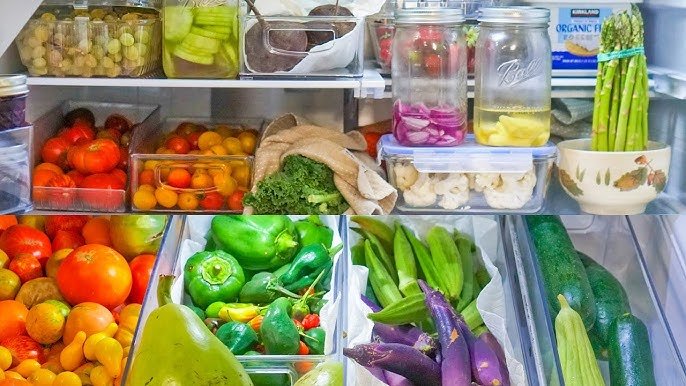
Organizing produce by type, ripeness, and storage needs simplifies management and reduces waste.
A. Type
- Leafy Greens: Spinach, lettuce, kale, and herbs
- Root Vegetables: Carrots, beets, radishes, potatoes
- Fruiting Vegetables: Tomatoes, peppers, zucchini, cucumbers
- Fruits: Apples, bananas, berries, citrus
B. Ripeness
- Store ripe produce separately from underripe produce to prevent premature spoilage.
- Use the “first in, first out” system to rotate stock efficiently.
C. Storage Requirements
- Refrigerated Items: Leafy greens, berries, cucumbers, carrots
- Room Temperature Items: Tomatoes, bananas, apples, onions, garlic
- High-Humidity Storage: Root vegetables like carrots, beets, parsnips
- Low-Humidity Storage: Potatoes, onions, garlic
Categorizing produce ensures each type is stored under optimal conditions.
4. Storage Techniques for Organized Produce
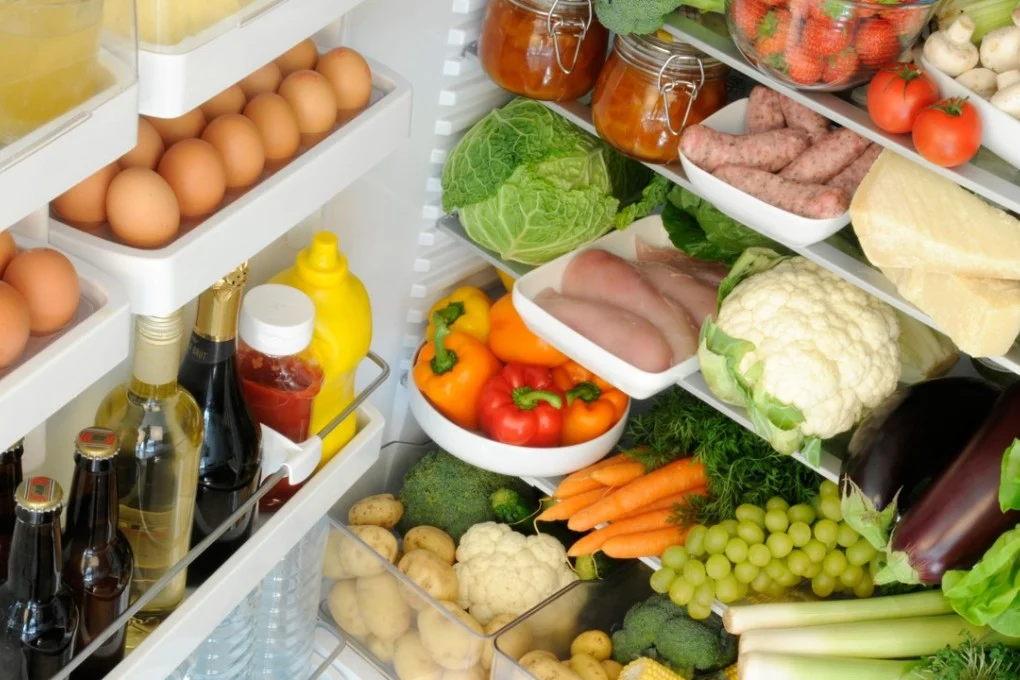
Proper storage methods maximize freshness and facilitate organization.
A. Refrigerator Organization
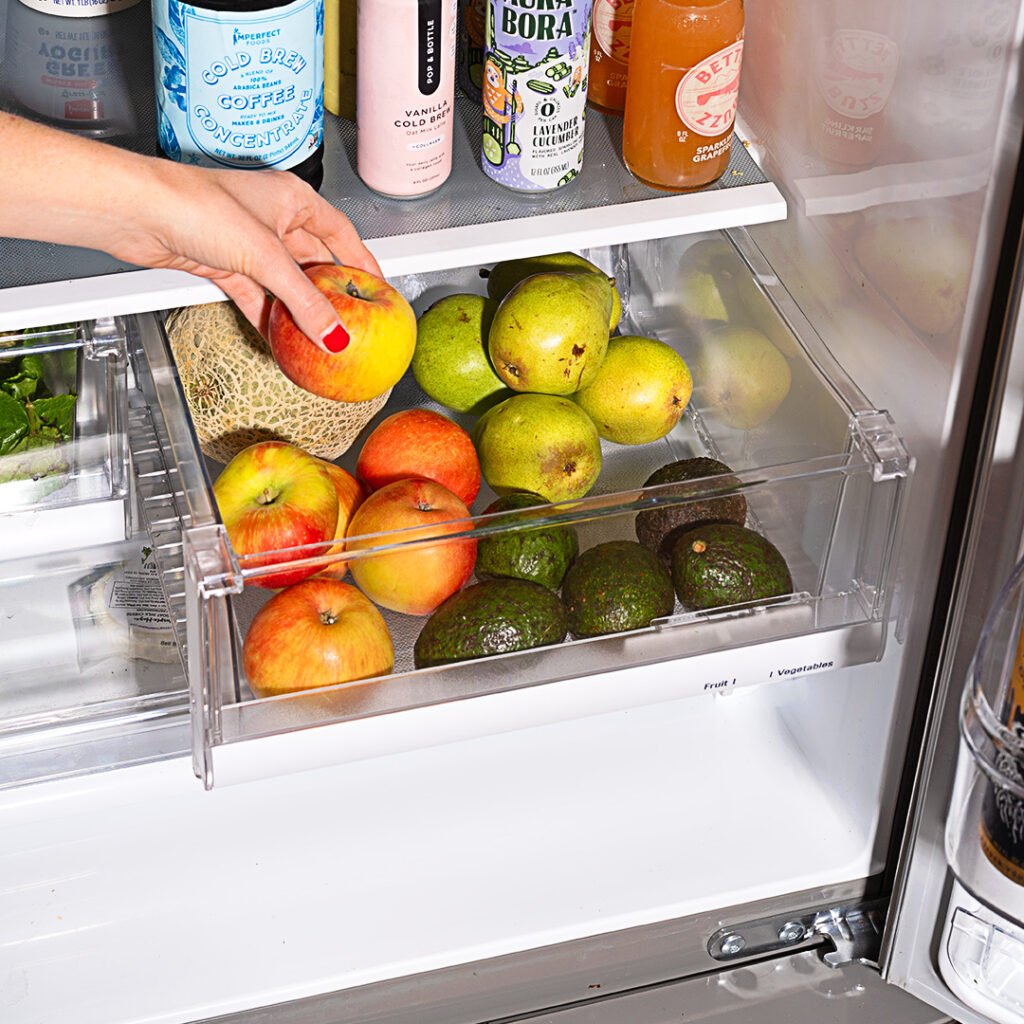
- Use crisper drawers for leafy greens and high-humidity vegetables.
- Store fruits and vegetables separately to manage ethylene gas effects.
- Use perforated bags, reusable containers, or paper towels to absorb excess moisture.
B. Countertop or Pantry Storage
- Place tomatoes, bananas, and stone fruits in baskets or bowls for easy access.
- Store root vegetables like onions, garlic, and potatoes in cool, dark, well-ventilated areas.
C. Containers and Labels
- Use transparent containers or bins for easy identification.
- Label containers with contents and date of storage to monitor freshness.
- Stackable containers save space and keep produce organized.
D. Vertical and Drawer Storage
- Utilize drawers with adjustable dividers for small fruits and vegetables.
- Use shelf risers or stackable bins to maximize vertical space.
- Store herbs in jars with water or small containers to keep them fresh and aromatic.
5. Freezing and Drying for Long-Term Organization
Long-term storage methods reduce waste and maintain order.
A. Freezing
- Wash, peel, and chop produce before freezing.
- Use airtight freezer bags or containers, labeling each item with date and type.
- Flash-freeze fruits or vegetables on trays before transferring to bags to prevent clumping.
- Frozen items remain organized, easily accessible, and ready for cooking.
B. Drying
- Use a dehydrator or oven at low temperatures to dry herbs, tomatoes, zucchini, and other vegetables.
- Store dried produce in glass jars or containers in a cool, dark place.
- Dried produce is lightweight, compact, and easy to store in pantries.
6. Preventing Common Produce Storage Mistakes
| Mistake | Effect | Solution |
|---|---|---|
| Storing wet produce | Mold and rot | Dry thoroughly before storage |
| Mixing ripe and unripe produce | Accelerates spoilage | Store separately based on ripeness |
| Overcrowding containers | Crushing, uneven air circulation | Use bins or dividers to separate items |
| Ignoring ethylene-sensitive produce | Premature ripening | Store ethylene producers like apples and bananas away from sensitive vegetables |
| Lack of rotation | Older items spoil first | Rotate stock regularly using the “first in, first out” system |
7. Nutrient Preservation Through Organization
Properly organized produce retains vitamins, minerals, antioxidants, and fiber longer.
Tips
- Minimize exposure to light and air to prevent nutrient degradation.
- Store produce at recommended temperatures and humidity levels.
- Consume delicate or perishable items promptly, while heartier vegetables can last longer when stored appropriately.
- Avoid unnecessary handling to preserve natural structure and nutrient content.
8. Culinary Uses of Well-Organized Produce
Organized storage not only preserves freshness but also enhances cooking efficiency.
Ideas
- Quick Access for Meals: Pre-chopped vegetables and sorted fruits simplify meal prep.
- Salads and Bowls: Easy access to fresh leafy greens, cucumbers, and peppers.
- Smoothies and Juices: Organized fruits like berries, bananas, and citrus save preparation time.
- Soups and Stews: Root vegetables stored in bins are ready for cooking.
- Herbs: Fresh herbs stored in jars remain aromatic for seasoning dishes.
Proper organization ensures vegetables and fruits are visually appealing, accessible, and ready to use.
9. Sustainable and Eco-Friendly Practices
Organized storage aligns with environmentally responsible habits.
Suggestions
- Use reusable containers, glass jars, cloth produce bags, and stackable bins instead of single-use plastics.
- Compost spoiled or unusable items to reduce waste.
- Purchase or harvest produce according to household needs.
- Keep storage areas clean, labeled, and structured to minimize energy use and prevent overstocking.
Sustainable organization minimizes waste while promoting a healthy, vegetarian lifestyle.
10. Summary of Best Practices
- Select fresh, firm, and appropriately sized produce.
- Handle gently to prevent bruising and preserve quality.
- Categorize by type, ripeness, and storage requirements for efficiency.
- Use proper storage techniques: crisper drawers, bins, jars, or shelves.
- Label and rotate produce regularly to minimize waste.
- Preserve long-term: freeze or dry surplus produce.
- Maintain sustainability: compost spoiled items, reduce plastic use, and optimize storage space.
Implementing these steps ensures fresh, flavorful, and nutrient-rich produce is accessible and waste-free.
Conclusion
Organizing fresh produce at home is a simple yet highly effective way to preserve freshness, extend shelf life, reduce waste, and maintain nutritional quality. Proper selection, handling, categorization, and storage techniques ensure fruits and vegetables remain visually appealing, aromatic, and ready for meals. Long-term preservation methods like freezing and drying, combined with sustainable practices, create a convenient, eco-friendly, and vegetarian-friendly kitchen environment.
By following these practical strategies, households can enjoy fresh, versatile, and nutrient-rich produce year-round while minimizing waste and supporting efficient, sustainable kitchen management.