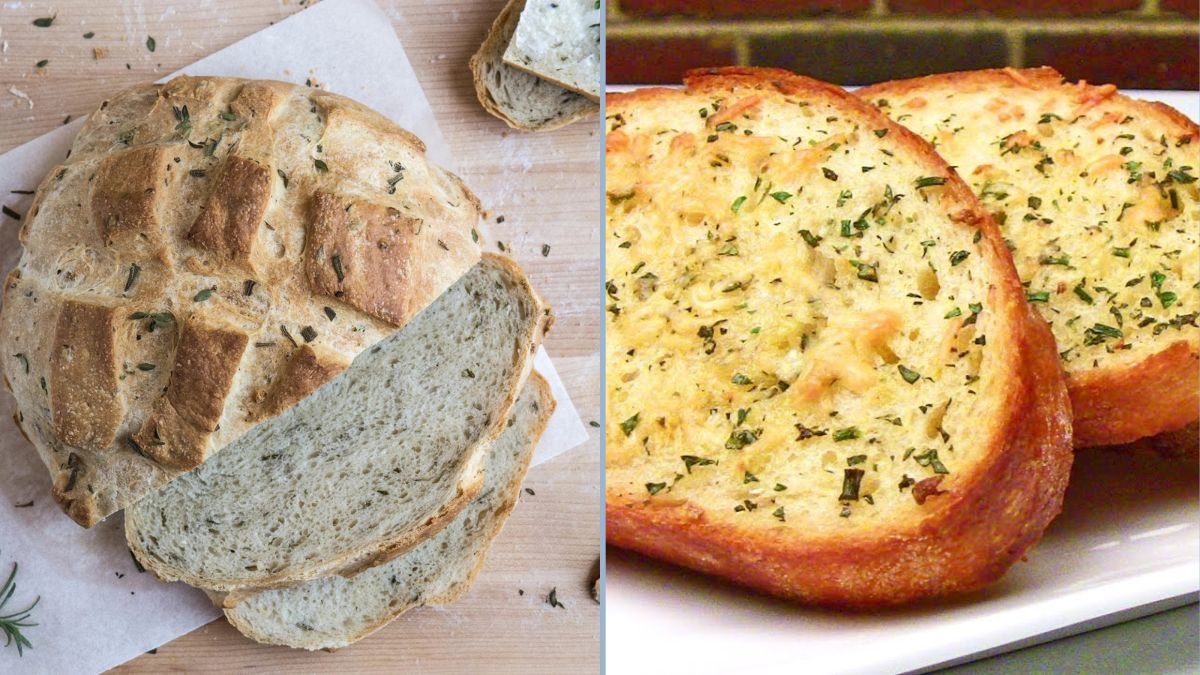
Incorporating fresh herbs into homemade bread enhances flavor, aroma, and nutritional value while elevating a simple staple into a gourmet experience. This paper explores the methods of selecting, preparing, and baking bread infused with garden-fresh herbs. Emphasis is placed on vegetarian, plant-based ingredients, simple preparation techniques, and culinary creativity. The study discusses the nutritional benefits of herb-infused bread, various herb combinations, dough preparation, and baking methods. The findings demonstrate that fresh herbs not only enhance taste and aroma but also add antioxidant, anti-inflammatory, and digestive benefits to bread, making it a wholesome addition to everyday meals.
Introduction
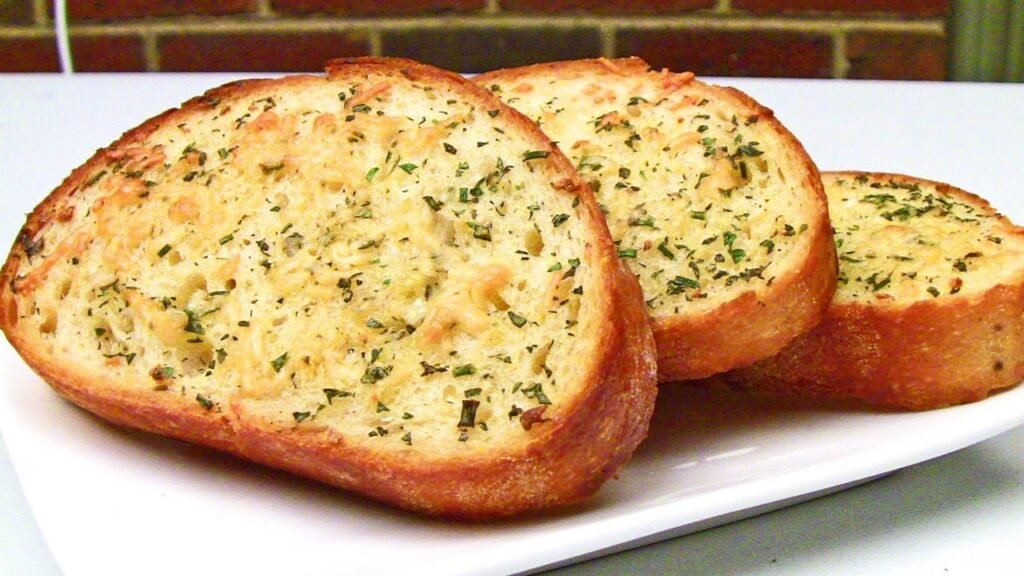
Bread is a fundamental component of diets worldwide, traditionally made with flour, water, yeast, and salt. While basic bread is nutritious and versatile, adding fresh herbs transforms it into a flavorful, aromatic, and visually appealing creation. Herbs like rosemary, thyme, basil, parsley, and oregano provide natural flavoring without the need for artificial additives, while contributing vitamins, antioxidants, and phytonutrients.
Homemade bread infused with fresh herbs encourages healthier eating habits, reduces reliance on store-bought options containing preservatives, and allows complete control over ingredients. Using fresh herbs elevates both taste and aroma, creating breads suitable for sandwiches, toast, or accompaniment to soups and salads. This paper explores the art and science of incorporating fresh herbs into bread, emphasizing vegetarian principles, nutritional benefits, and culinary versatility.
Nutritional Benefits of Herb-Infused Bread
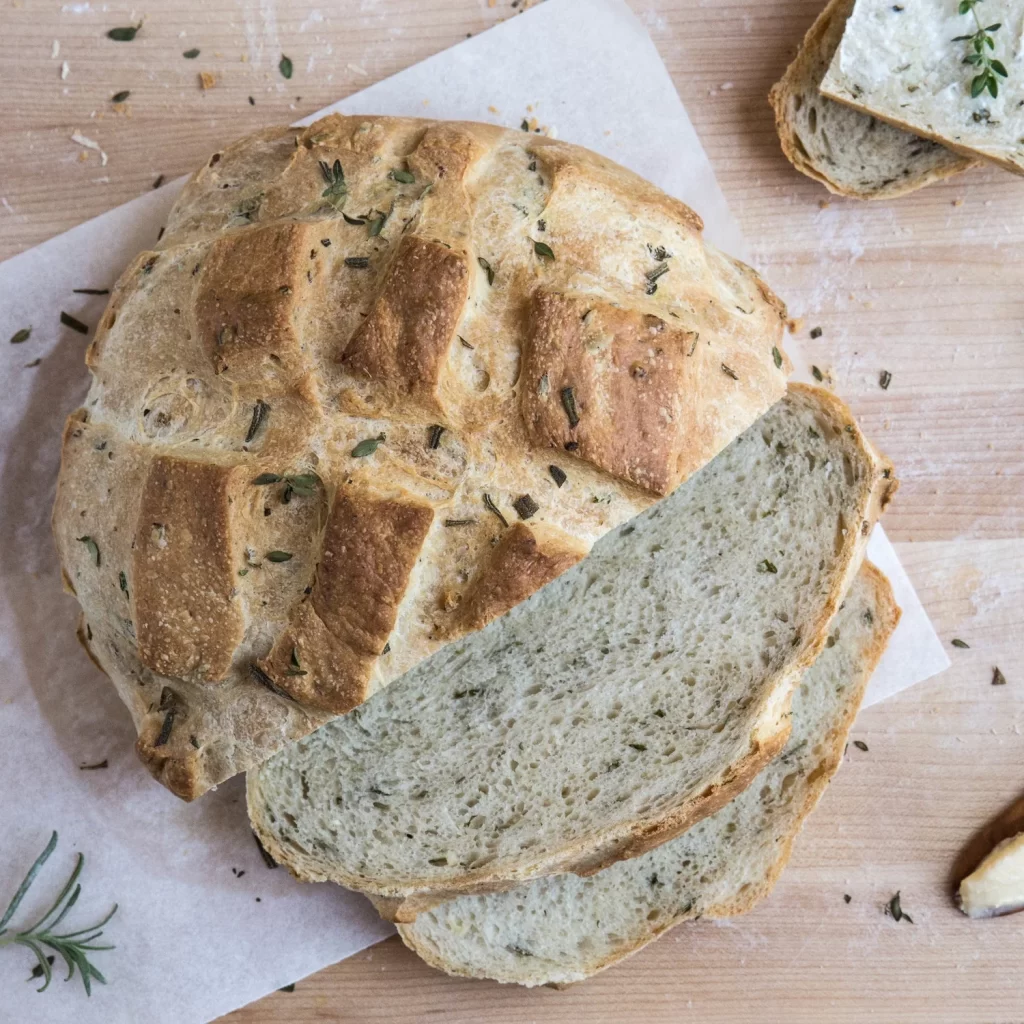
Herb-infused bread offers several health advantages beyond basic nutrition:
- Vitamins and Minerals: Fresh herbs provide vitamins A, C, and K, as well as minerals like iron and calcium.
- Antioxidants: Herbs such as rosemary and thyme are rich in polyphenols, which help neutralize free radicals.
- Digestive Support: Certain herbs, like parsley and fennel, contain compounds that aid digestion.
- Anti-Inflammatory Properties: Herbs contribute bioactive compounds that reduce inflammation and support overall wellness.
- Enhanced Flavor Without Additives: Natural herbs reduce the need for excessive salt or artificial flavoring.
Combining herbs with whole-grain flours further boosts fiber content, promoting satiety and supporting digestive health.
Selecting Fresh Herbs
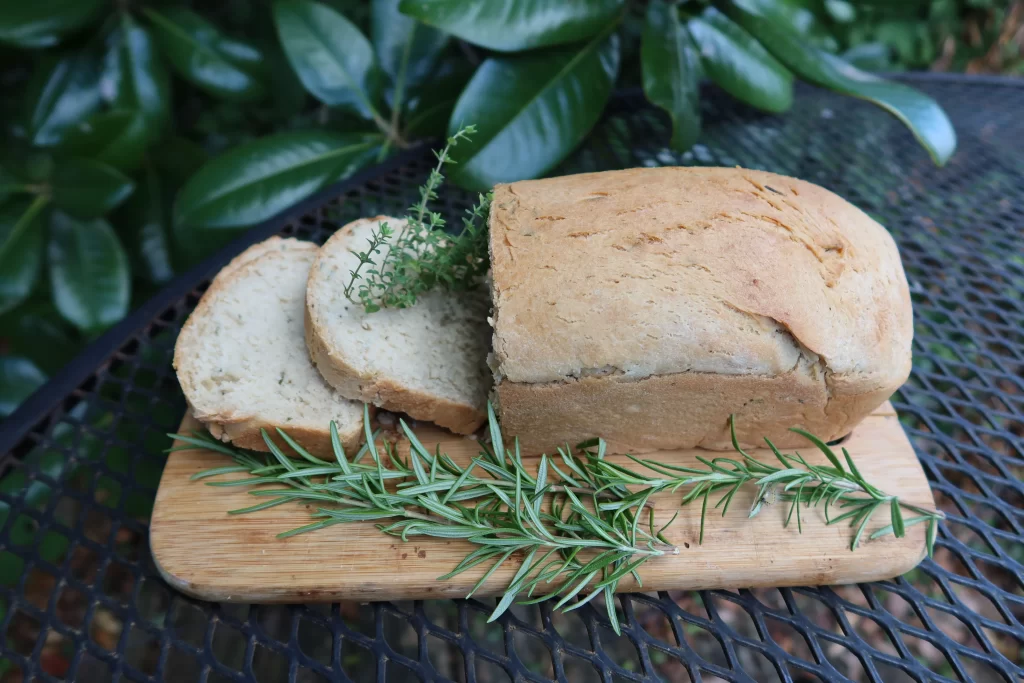
The choice and quality of herbs determine the bread’s flavor and nutritional profile:
- Rosemary: Woody, aromatic, pairs well with olive oil or whole-grain bread.
- Thyme: Subtle, earthy, ideal for savory bread and dinner rolls.
- Basil: Sweet and fragrant, enhances tomato-based breads or Mediterranean-style loaves.
- Parsley: Fresh and mild, suitable for softer breads and sandwich loaves.
- Oregano: Robust and slightly pungent, complements pizza or focaccia-style breads.
- Mint: Refreshing, works well in sweet or herbaceous breads.
Herbs can be used singly or in combination to achieve layered flavors.
Preparation Techniques
- Washing and Drying Herbs: Rinse fresh herbs under cold water and pat dry to prevent excess moisture.
- Chopping or Crushing: Finely chop delicate herbs or crush woody herbs to release natural oils.
- Incorporating into Dough: Mix herbs directly into flour before adding water and yeast to ensure even distribution.
- Flavor Enhancement: Combine herbs with olive oil or butter before kneading into dough.
- Optional Toppings: Sprinkle additional herbs on top of the dough before baking for aroma and presentation.
Proper preparation preserves essential oils, flavor, and nutrients in the final bread.
Dough Preparation
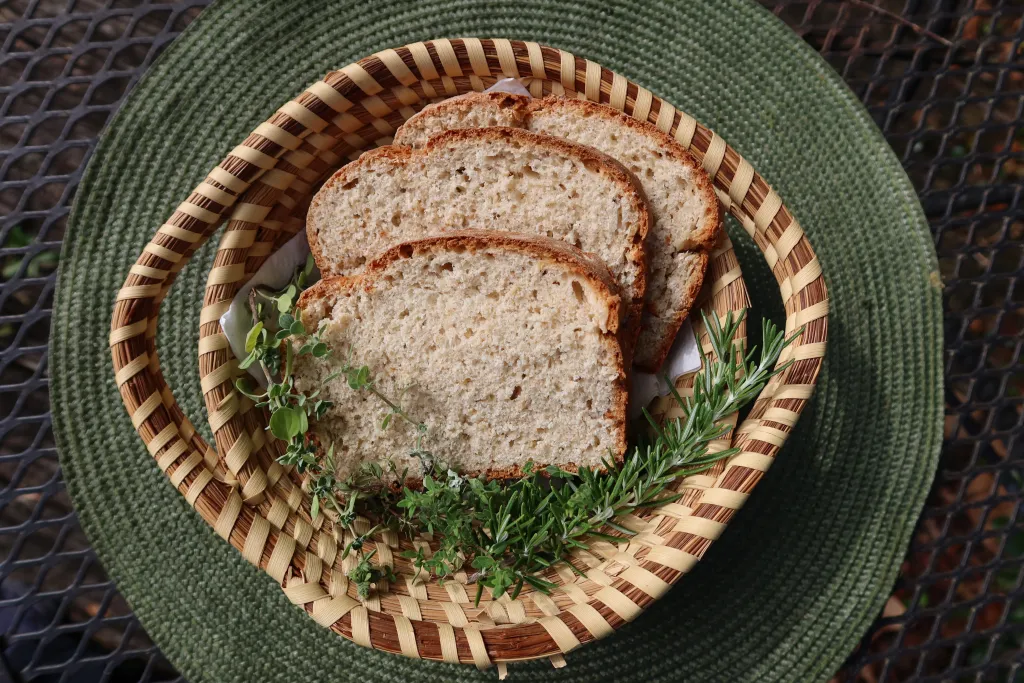
- Ingredients: Flour (white, whole wheat, or multigrain), yeast, water, salt, olive oil, and fresh herbs.
- Method:
- Dissolve yeast in warm water and allow it to activate for 5–10 minutes.
- Mix flour, salt, chopped herbs, and olive oil.
- Gradually add yeast mixture, knead until smooth and elastic.
- Allow dough to rise in a warm place for 1–2 hours until doubled in size.
- Tips: Whole-grain flours may require slightly more water. Kneading ensures proper gluten development and even herb distribution.
Baking Methods
- Oven Temperature: Preheat oven to 200–220°C (390–425°F).
- Baking Time: Bake for 20–40 minutes depending on loaf size. Smaller rolls bake faster, while larger loaves require more time.
- Steam Method: Adding a small pan of water in the oven can create a crisp crust.
- Optional Garnishes: Brush with olive oil or sprinkle coarse salt and herbs on top before baking.
- Cooling: Allow bread to cool completely before slicing to maintain texture.
Proper baking ensures a crisp crust, soft crumb, and preserved aroma.
Popular Herb Combinations
- Rosemary and Thyme Focaccia:
- Flavor Profile: Earthy, aromatic, slightly piney.
- Applications: Ideal for dipping in olive oil or serving alongside soups.
- Basil and Oregano Italian Loaf:
- Flavor Profile: Sweet, herbaceous, Mediterranean-inspired.
- Applications: Excellent for sandwiches or bruschetta.
- Parsley and Garlic Dinner Rolls:
- Flavor Profile: Mild, fresh, with subtle garlic undertones.
- Applications: Perfect for dinner sides or bread baskets.
- Mint and Lemon Zest Quick Bread:
- Flavor Profile: Refreshing and aromatic, suitable for breakfast or light tea snacks.
- Applications: Sweet-savory versatile bread.
- Thyme and Caramelized Onion Bread:
- Flavor Profile: Savory, earthy, and slightly sweet from onions.
- Applications: Pairs well with cheeses or vegetable soups.
Tips for Successful Herb-Infused Bread
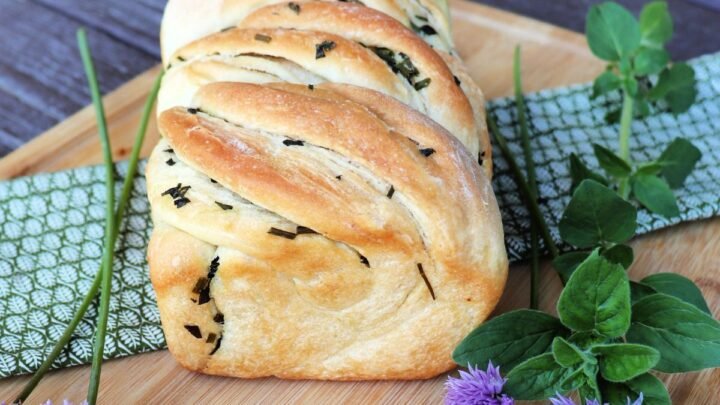
- Balance Herb Intensity: Strong herbs like rosemary require smaller amounts; delicate herbs can be added liberally.
- Avoid Moisture Overload: Excess water from wet herbs can affect dough consistency.
- Experiment with Flavors: Combine herbs, garlic, olives, or sun-dried tomatoes for creative variations.
- Use Fresh and Seasonal Herbs: Enhances aroma, taste, and nutrient content.
- Store Properly: Wrap in a clean kitchen towel or store in airtight containers to maintain freshness for up to 3–4 days.
Health and Culinary Benefits
- Nutrient-Rich: Combines fiber, vitamins, antioxidants, and healthy fats.
- Enhanced Flavor Without Additives: Reduces the need for processed seasonings or excess salt.
- Culinary Versatility: Suitable for sandwiches, toasts, dinner sides, and savory snacks.
- Promotes Home Gardening: Encourages use of fresh herbs from home gardens.
- Digestive and Anti-Inflammatory Benefits: Herbs contribute bioactive compounds supporting overall wellness.
Discussion
Using fresh herbs in homemade bread demonstrates the fusion of culinary creativity and nutrition. Herbs not only enhance flavor and aroma but also introduce functional health benefits, making bread a more wholesome food. Home-prepared herb-infused bread allows cooks to control ingredients, reduce additives, and experiment with flavor combinations according to seasonal availability.
Additionally, baking at home fosters mindfulness in cooking, reduces reliance on processed bread, and supports sustainable eating by utilizing homegrown or locally sourced herbs. By pairing herbs with whole-grain flours and healthy oils, bread becomes both a satisfying and nutrient-rich component of the diet.
Conclusion
Herb-infused homemade bread offers a delicious, aromatic, and nutritious alternative to standard bread. Fresh herbs elevate both taste and appearance, while contributing antioxidants, vitamins, and phytonutrients. From rosemary and thyme focaccia to basil and oregano Italian loaves, parsley-garlic dinner rolls, and mint-lemon quick breads, herb-infused breads provide endless culinary possibilities.
By incorporating fresh, seasonal herbs and following proper preparation and baking techniques, home cooks can create breads that are flavorful, wholesome, and visually appealing. Herb-infused bread demonstrates how simple plant-based ingredients can transform a staple food into a gourmet, health-promoting, and versatile creation, suitable for any vegetarian diet.