
Garden fruits offer a fresh, nutrient-rich, and flavorful foundation for creating a variety of sweet and savory desserts. Utilizing homegrown fruits ensures peak freshness, enhances nutritional value, and allows creative culinary expression without relying on processed ingredients. This paper explores methods for preparing fruit-based desserts, focusing on fresh produce, natural sweeteners, and simple techniques that maintain the integrity and flavor of the fruits. It emphasizes the balance of sweet and savory elements, preparation methods, and nutritional benefits, demonstrating that garden fruits can be transformed into versatile, wholesome, and visually appealing desserts suitable for everyday consumption.
Introduction

Fruits are one of the most versatile ingredients in vegetarian cuisine, offering natural sweetness, vibrant colors, and abundant nutrients. Desserts created from homegrown fruits provide a unique opportunity to combine freshness, flavor, and health. Sweet and savory fruit desserts integrate complementary flavors such as herbs, citrus, spices, and nuts, enhancing taste while providing functional health benefits.
Using garden fruits not only maximizes flavor but also encourages seasonal eating, reduces food waste, and promotes sustainable cooking practices. This paper examines the principles of crafting sweet and savory fruit desserts, including ingredient selection, preparation techniques, flavor balancing, and creative presentation, emphasizing the benefits of vegetarian, plant-based desserts.
Nutritional Benefits of Garden Fruit Desserts

Incorporating garden fruits into desserts offers several health advantages:
- Vitamins and Minerals: Fruits such as berries, apples, peaches, and plums provide vitamin C, vitamin A, potassium, and folate.
- Dietary Fiber: Supports digestion, satiety, and gut health.
- Natural Antioxidants: Polyphenols, flavonoids, and carotenoids help combat oxidative stress.
- Low in Processed Sugars: Using natural fruit sweetness reduces reliance on refined sugars.
- Hydration: Fruits with high water content, such as melons and berries, contribute to hydration while providing energy.
These nutritional benefits make fruit-based desserts both satisfying and healthful, supporting mindful eating practices.
Selecting Garden Fruits
The choice of fruits is critical for flavor, texture, and presentation:
- Berries: Strawberries, blueberries, raspberries — sweet, tangy, and antioxidant-rich.
- Stone Fruits: Peaches, plums, cherries — juicy, aromatic, and naturally sweet.
- Apples and Pears: Crisp, versatile, and ideal for baking.
- Melons and Citrus: Refreshing, hydrating, and aromatic.
- Herbs and Spices: Mint, basil, rosemary, cinnamon, and nutmeg complement both sweet and savory desserts.
- Nuts and Seeds (Optional): Almonds, walnuts, or pumpkin seeds add texture and nutritional value.
Selecting seasonal, fresh fruits ensures maximum flavor and nutritional content while reducing environmental impact.
Preparation Techniques

- Raw Desserts: Serve fresh fruits alone or in salads, combining contrasting textures and flavors.
- Baked Desserts: Use fruits in tarts, crisps, or cobblers to concentrate natural sugars and add warmth.
- Poached Fruits: Simmer fruits in lightly sweetened water, fruit juice, or herbal infusions to enhance flavor and tenderness.
- Grilled or Roasted Fruits: Caramelize natural sugars to add depth and complexity.
- Smoothies and Sorbets: Blend fruits for refreshing, nutrient-dense desserts without added sugar.
- Flavor Infusions: Combine fruits with herbs, citrus zest, spices, or a dash of olive oil for nuanced flavor profiles.
Proper handling preserves vitamins, antioxidants, and visual appeal while enhancing the natural flavor of each fruit.
1. Mixed Berry Salad with Mint and Lemon
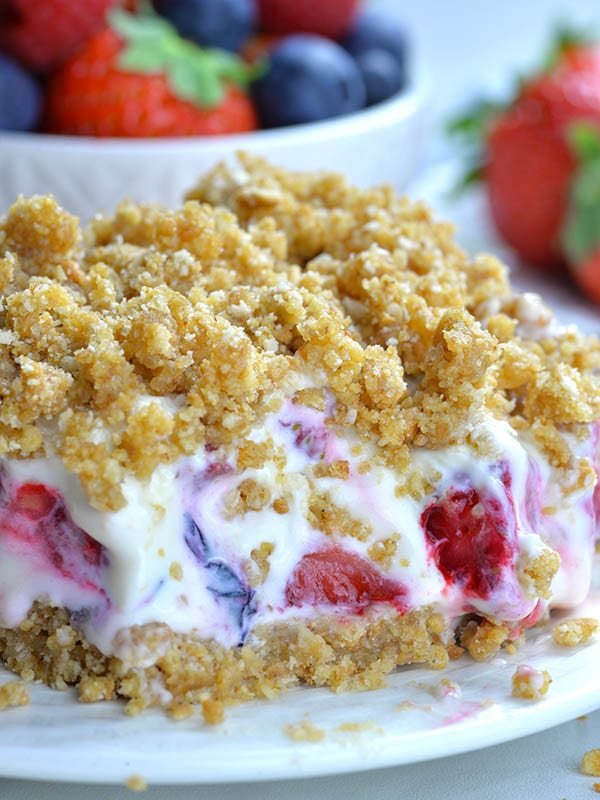
Ingredients: Strawberries, blueberries, raspberries, fresh mint, lemon juice, and a drizzle of honey (optional).
Preparation: Wash and gently pat berries dry. Chop strawberries, combine with other berries, add finely chopped mint and lemon juice, and mix. Serve chilled.
Flavor Profile: Sweet, tangy, and refreshing with herbaceous notes.
Nutritional Value: Rich in vitamin C, fiber, antioxidants, and hydration.
Creative Twist: Sprinkle toasted almonds for crunch and texture.
2. Baked Apple and Cinnamon Cups
Ingredients: Apples, cinnamon, nutmeg, a touch of maple syrup, and crushed walnuts.
Preparation: Core apples, fill centers with a mixture of cinnamon, nutmeg, and walnuts, drizzle with maple syrup, and bake at 180°C for 20–25 minutes until tender.
Flavor Profile: Sweet, warm, and aromatic with a nutty crunch.
Nutritional Value: Vitamin C, dietary fiber, antioxidants, and heart-healthy fats from walnuts.
Creative Twist: Serve with a dollop of Greek yogurt or plant-based yogurt for creaminess.
3. Peach and Basil Grilled Dessert

Ingredients: Fresh peaches, basil leaves, olive oil, and a sprinkle of brown sugar.
Preparation: Slice peaches, lightly brush with olive oil, grill until caramelized, and garnish with chopped basil.
Flavor Profile: Sweet, savory, and aromatic, combining fruity and herbaceous notes.
Nutritional Value: Vitamins A and C, antioxidants, and fiber.
Creative Twist: Add a drizzle of balsamic glaze for a gourmet touch.
4. Savory Tomato and Strawberry Tart
Ingredients: Cherry tomatoes, sliced strawberries, fresh basil, whole-grain tart crust, and a light drizzle of olive oil.
Preparation: Arrange tomatoes and strawberries on pre-baked crust, sprinkle chopped basil, drizzle olive oil, and bake 10–12 minutes until slightly softened.
Flavor Profile: Sweet-tart, aromatic, and lightly savory.
Nutritional Value: Vitamin C, antioxidants, fiber, and healthy fats.
Creative Twist: Add crushed pistachios or pumpkin seeds for texture.
5. Fruit and Herb Sorbet
Ingredients: Mixed berries, fresh mint or basil, lemon juice, and water.
Preparation: Blend fruits with herbs and lemon juice until smooth. Freeze in a shallow container, stirring occasionally for smooth texture.
Flavor Profile: Refreshing, sweet, and aromatic.
Nutritional Value: Hydrating, vitamin-rich, and antioxidant-dense.
Creative Twist: Garnish with whole berries or edible flowers before serving.
Tips for Successful Fruit Desserts
- Use Seasonal Fruits: Ensures optimal flavor, freshness, and nutritional content.
- Balance Sweetness and Acidity: Combine fruits with natural sweetness and tartness for a well-rounded taste.
- Incorporate Herbs and Spices: Enhance flavor without adding sugar or artificial flavorings.
- Mind Texture: Pair soft fruits with crunchy elements like nuts, seeds, or granola for contrast.
- Minimal Processing: Preserve natural flavors, colors, and nutrients by avoiding overcooking.
- Presentation: Arrange fruits attractively; garnish with herbs, zest, or seeds for visual appeal.
Health and Culinary Benefits
- Nutrient-Rich: Provides vitamins, minerals, fiber, antioxidants, and hydration.
- Low in Processed Sugars: Sweetness comes naturally from fruits, making desserts healthier.
- Versatile: Can be served fresh, baked, grilled, poached, or blended.
- Encourages Home Gardening: Supports the use of homegrown fruits, fostering sustainability.
- Culinary Creativity: Combines sweet and savory elements for unique flavor profiles.
Garden fruit desserts promote healthy eating habits while offering visually appealing, flavorful, and satisfying options.
Discussion
Sweet and savory fruit desserts illustrate the versatility of garden produce in vegetarian cuisine. By emphasizing freshness, seasonality, and natural flavors, cooks can create desserts that are both indulgent and nutritious. Combining fruits with herbs, spices, citrus, or nuts enhances taste, aroma, and texture, providing a sensory experience while maximizing health benefits.
Home preparation encourages mindful consumption, reduces reliance on processed desserts, and promotes creative culinary expression. Sweet and savory combinations challenge traditional flavor boundaries, allowing for experimentation and personalized preferences. These desserts are suitable for everyday meals, special occasions, and seasonal celebrations, demonstrating the adaptability of fresh garden produce in dessert preparation.
Conclusion
Sweet and savory fruit desserts made from garden produce are flavorful, nutritious, and versatile. Utilizing homegrown fruits ensures peak freshness, vibrant colors, and optimal nutrient content. From berry salads with mint to baked apples with cinnamon, grilled peaches with basil, savory tomato-strawberry tarts, and fruit sorbets, the possibilities for sweet and savory combinations are endless.
By focusing on fresh ingredients, complementary flavor pairings, and simple preparation techniques, home cooks can create desserts that are visually appealing, aromatic, and health-promoting. Garden fruit desserts exemplify how plant-based, seasonal ingredients can be transformed into elegant, nutritious, and indulgent treats, making desserts a celebration of freshness, flavor, and creativity.