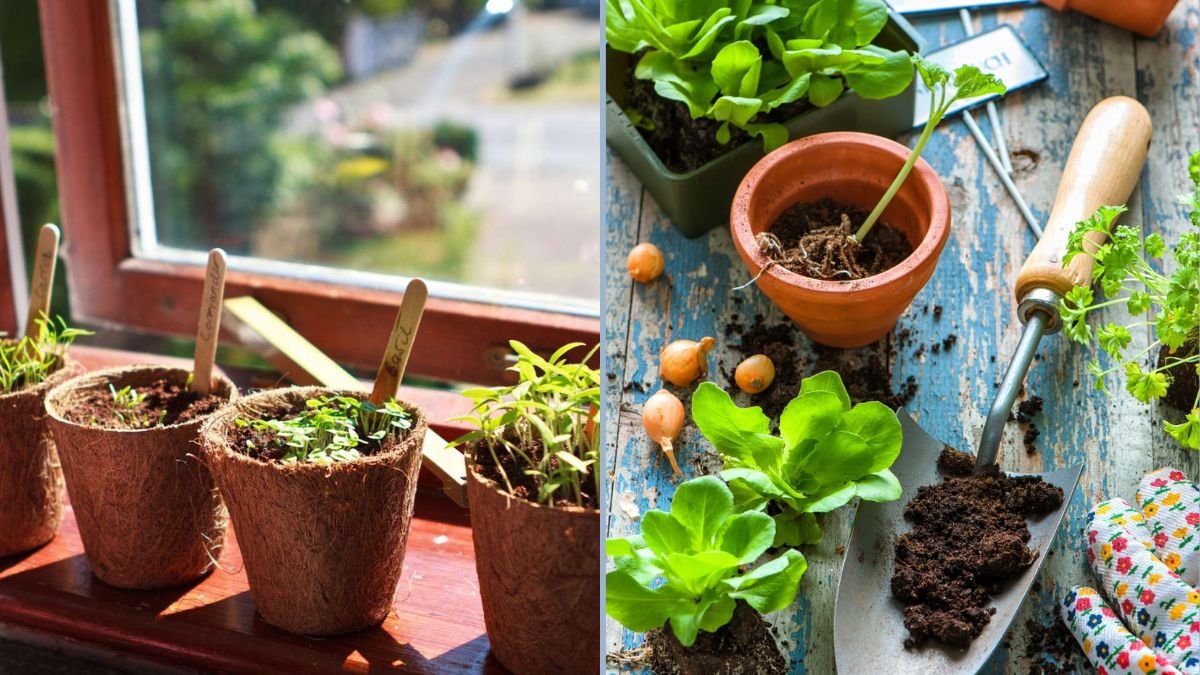
In today’s urbanized world, where space is often limited and lifestyles are fast-paced, the concept of indoor gardening has gained remarkable popularity. For many city dwellers, cultivating a garden within the confines of their homes offers both therapeutic and practical benefits. Among the various types of indoor plants, vegetables stand out as not only ornamental but also nourishing.
Small indoor gardens allow individuals to grow their own fresh produce, even in apartments or homes without outdoor space. By using innovative techniques such as container gardening, hydroponics, and vertical farming, anyone can enjoy a continuous supply of fresh, chemical-free vegetables year-round.
This article explores the best vegetables for small indoor gardens, discussing their growing conditions, care requirements, and benefits. It also provides useful tips to help maximize yield and sustainability — all while keeping your garden fully vegetarian and environmentally friendly.
Advantages of Growing Vegetables Indoors
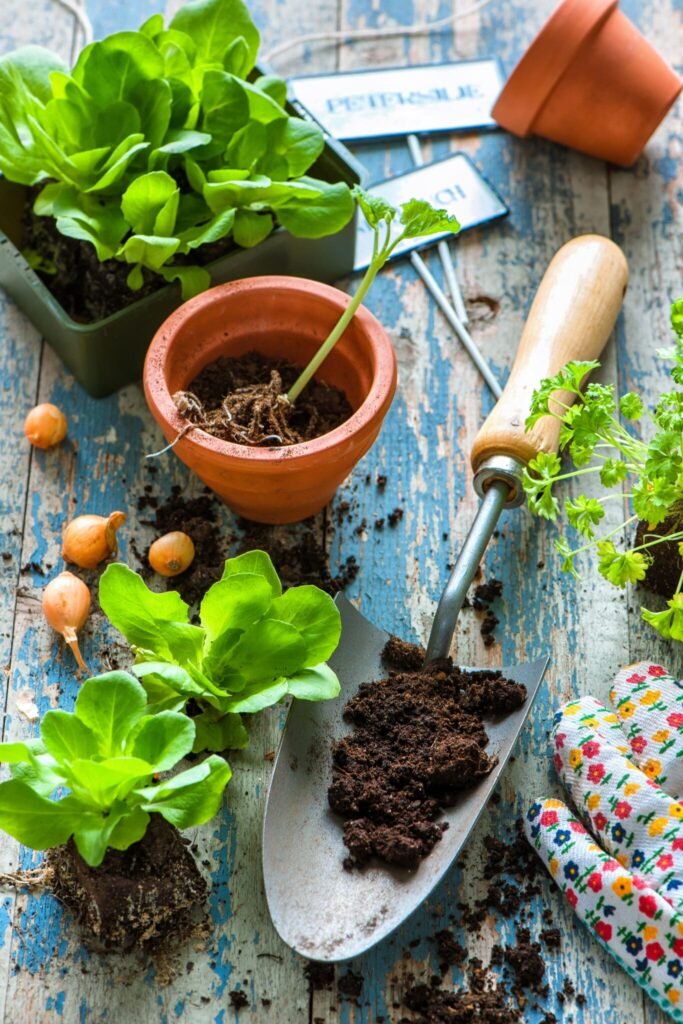
Before selecting the best vegetables for your small indoor garden, it’s essential to understand why indoor gardening is so beneficial.
- Space Efficiency: Indoor gardening allows cultivation in limited areas such as balconies, windowsills, or countertops.
- All-Year Growth: Controlled indoor conditions enable year-round vegetable production, regardless of external climate.
- Pesticide-Free Produce: Homegrown vegetables are free from harmful chemicals and synthetic fertilizers.
- Cost-Effective and Sustainable: Growing your own food reduces grocery expenses and promotes eco-friendly living.
- Health and Well-being: Gardening enhances mood, reduces stress, and fosters a connection with nature — even indoors.
In short, an indoor garden is not merely decorative but also a step toward self-sufficiency and sustainable living.
Essential Requirements for Indoor Vegetable Gardening
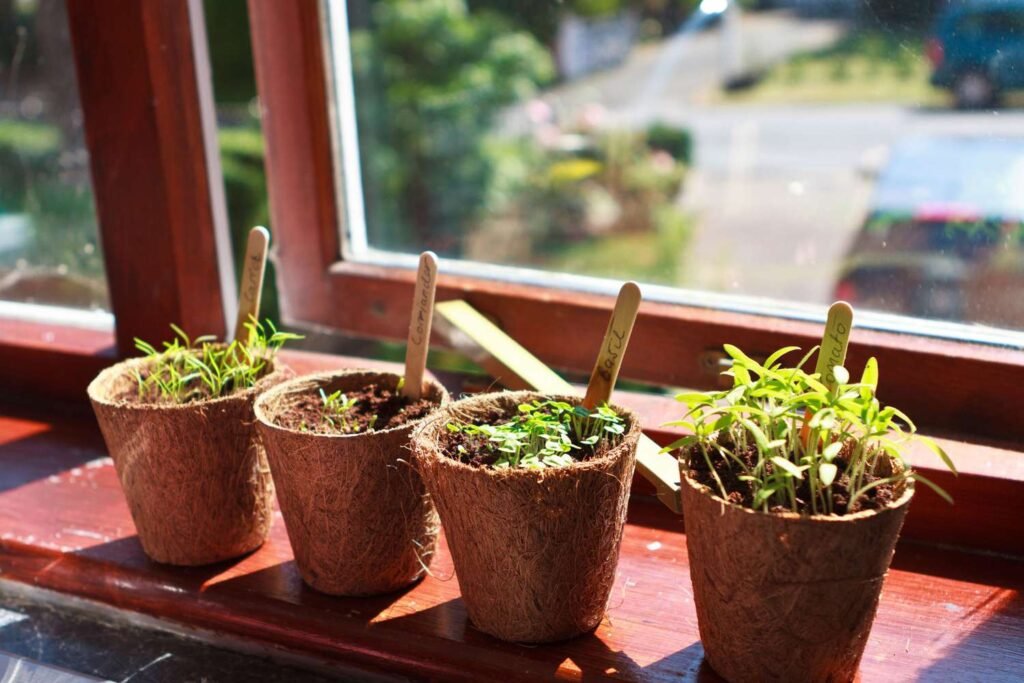
While many vegetables can be grown indoors, they require specific conditions to thrive.
1. Light
Vegetables need plenty of light to photosynthesize. South- or west-facing windows are ideal. If natural sunlight is insufficient, use LED grow lights to supplement illumination for 10–14 hours daily.
2. Temperature
Most vegetables grow best between 18–27°C (65–80°F). Avoid placing plants near air conditioners or heaters, which can cause stress.
3. Soil and Fertilizer
Use a light, well-draining potting mix rich in organic compost. Add vermicompost or natural fertilizers like neem cake or seaweed extract to enrich nutrients.
4. Containers
Select containers with proper drainage holes. Recycled pots, ceramic planters, or grow bags work perfectly. Ensure each plant has enough space for roots to develop.
5. Watering
Overwatering is a common mistake. Keep soil moist but not soggy. Check the top inch of soil — if it feels dry, it’s time to water.
Top Vegetables for Small Indoor Gardens
Here are the best and easiest vegetables to grow indoors, even in compact urban homes.
1. Lettuce and Leafy Greens
Why it’s ideal:
Lettuce, spinach, kale, and arugula are among the easiest and fastest-growing vegetables indoors. They require little space and thrive in cooler temperatures.
Growing tips:
- Use shallow containers (6–8 inches deep).
- Provide bright, indirect sunlight or grow light for at least 10 hours daily.
- Keep soil consistently moist.
- Harvest outer leaves regularly to encourage continuous growth.
Time to harvest: 25–40 days
Bonus: Leafy greens can be regrown from the base after cutting, making them a sustainable choice for continuous yield.
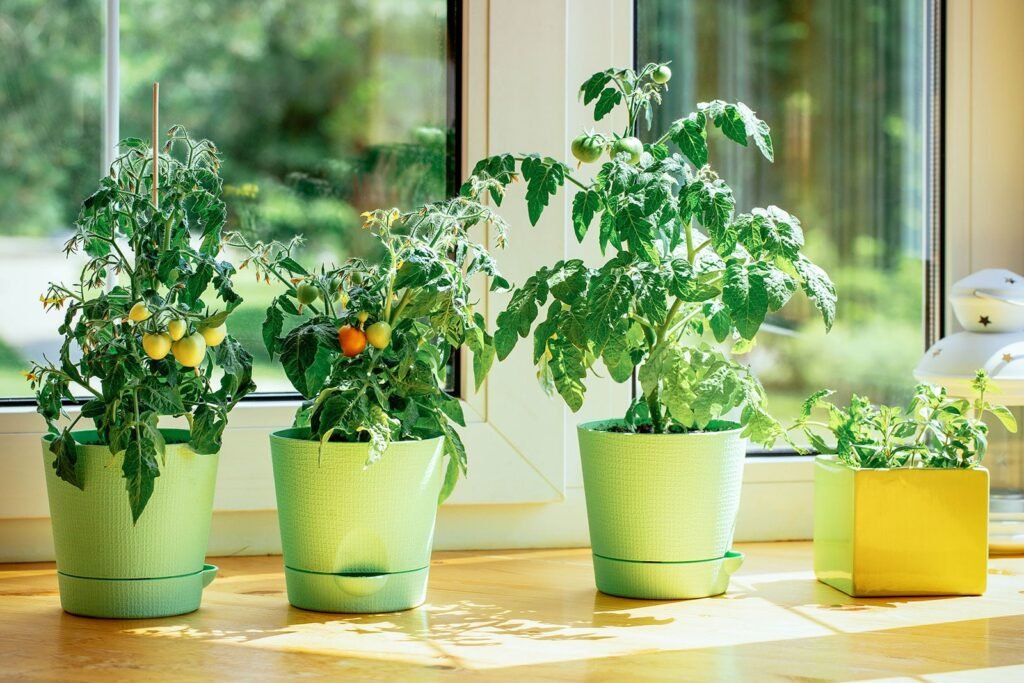
2. Tomatoes
Why it’s ideal:
Tomatoes are compact, productive, and add vibrant color to your indoor garden. Dwarf or cherry tomato varieties are best suited for small spaces.
Growing tips:
- Use medium to large pots (12 inches deep).
- Ensure 12–14 hours of sunlight or grow light.
- Support plants with small stakes or trellises.
- Water regularly but avoid wetting the leaves to prevent disease.
Time to harvest: 60–80 days
Bonus: Indoor tomatoes can yield fresh fruit year-round if temperature and light are consistent.
3. Chillies (Green Peppers)
Why it’s ideal:
Chillies and bell peppers thrive well indoors and require minimal maintenance. Their compact size makes them perfect for window gardens.
Growing tips:
- Use 10–12-inch pots with rich organic soil.
- Keep in a sunny window or under strong grow lights.
- Water moderately; overwatering can cause root rot.
- Fertilize once every 3 weeks with compost or natural fertilizer.
Time to harvest: 60–90 days
Bonus: A single chilli plant can produce for several months, ensuring a constant supply for your kitchen.
4. Radishes
Why it’s ideal:
Radishes are among the fastest-growing indoor vegetables. They do not require large containers and can be harvested within a month.
Growing tips:
- Choose deep containers (8–10 inches).
- Provide at least 6 hours of sunlight daily.
- Maintain moist soil but avoid standing water.
- Sow seeds every two weeks for continuous harvest.
Time to harvest: 25–35 days
Bonus: Both radish roots and leaves are edible and nutritious, minimizing waste.
5. Carrots
Why it’s ideal:
Compact carrot varieties like ‘Thumbelina’ or ‘Paris Market’ are perfect for pots. Their lush green tops also add aesthetic appeal indoors.
Growing tips:
- Use deep containers (at least 12 inches).
- Keep soil loose and well-aerated.
- Provide bright light for 8–10 hours daily.
- Thin seedlings to avoid crowding.
Time to harvest: 60–80 days
Bonus: The greens can be used to make pesto or as garnishing, reducing waste.
6. Spring Onions (Green Onions)
Why it’s ideal:
Spring onions grow rapidly and require very little care. They can be regrown multiple times from kitchen scraps.
Growing tips:
- Place onion bulbs or white roots in shallow containers with water until new shoots appear, then transfer to soil.
- Keep near a sunny window.
- Water regularly to keep soil moist.
Time to harvest: 20–30 days
Bonus: You can regrow green onions endlessly from cuttings, making them a truly zero-waste vegetable.
7. Beans
Why it’s ideal:
Dwarf or bush bean varieties are suitable for container growing and can produce generous yields indoors.
Growing tips:
- Use deep pots (10–12 inches) with support stakes.
- Place in bright sunlight for 8–10 hours daily.
- Water moderately and maintain good air circulation.
Time to harvest: 50–60 days
Bonus: Beans enrich soil by fixing nitrogen, benefiting other nearby plants.
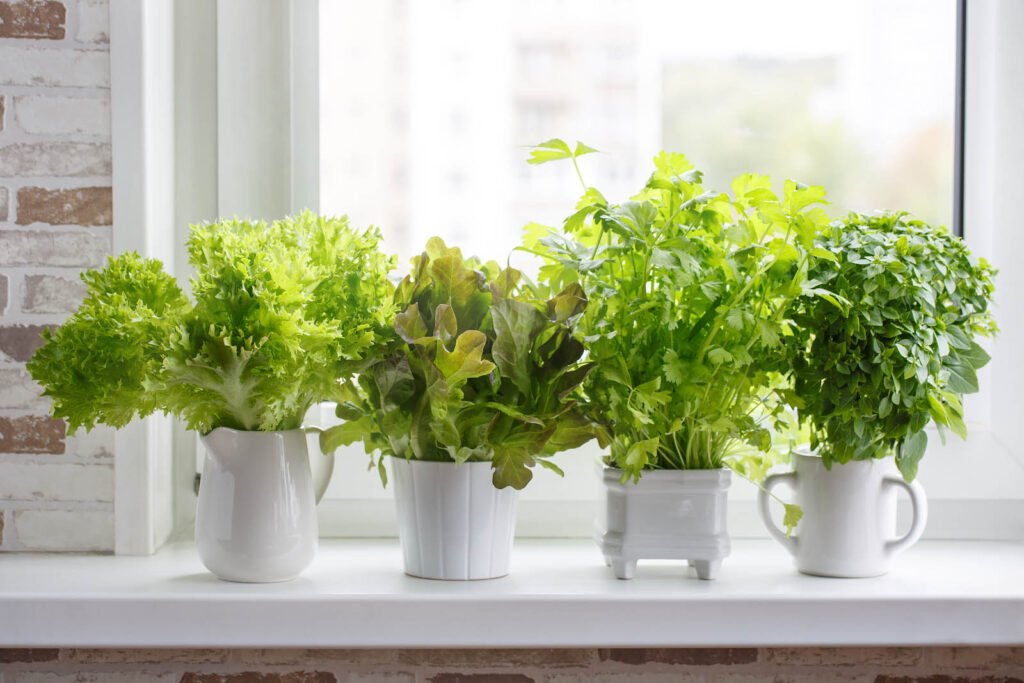
8. Herbs (Basil, Coriander, Mint, Parsley)
Why they’re ideal:
Herbs are essential in every kitchen and thrive perfectly indoors. They require little space and add aroma and flavor to meals.
Growing tips:
- Use small pots (6–8 inches).
- Place on sunny windowsills.
- Trim regularly to encourage new growth.
- Avoid overwatering.
Time to harvest: 25–40 days
Bonus: Herbs continuously regrow after trimming and improve indoor air quality.
Smart Gardening Tips for Small Indoor Spaces
To make the most of your small garden area, adopt creative and efficient growing techniques:
1. Vertical Gardening
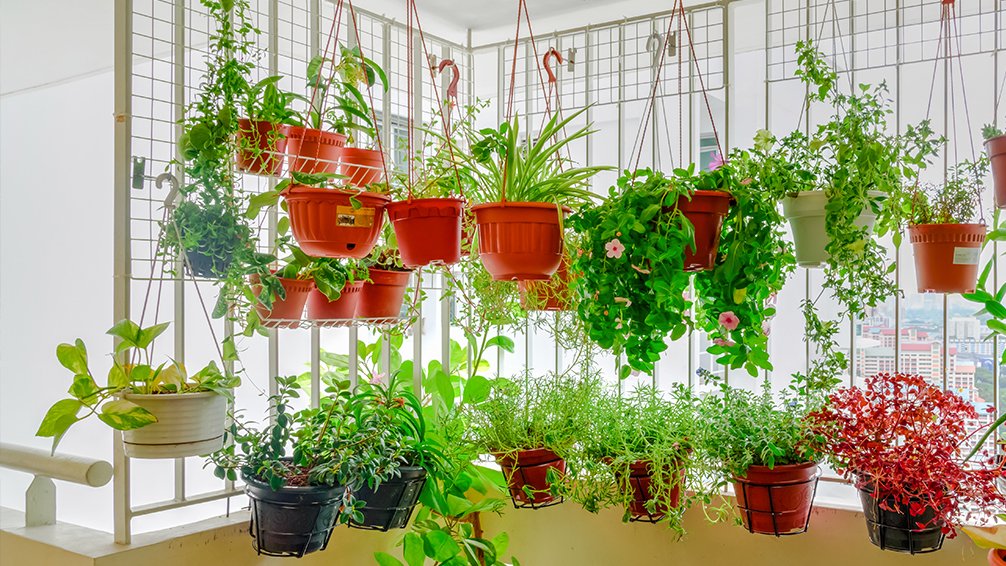
Use hanging baskets, wall planters, or tiered shelves to grow multiple vegetables without taking up floor space.
2. Hydroponics or Soil-less Systems
If space is extremely limited, hydroponic systems allow vegetables to grow in nutrient-enriched water, producing faster yields.
3. Companion Planting
Grow compatible vegetables together to save space and boost productivity. For example:
- Tomatoes and basil improve each other’s flavor.
- Lettuce grows well under taller plants like beans or tomatoes.
4. Regular Pruning
Trim plants regularly to control size and encourage bushier, healthier growth.
5. Rotate Crops
Even in containers, rotate crops every few months to prevent soil exhaustion and pest buildup.
Maintaining Sustainability in Indoor Gardening
A sustainable approach ensures your small indoor garden remains environmentally friendly:
- Compost Kitchen Waste: Convert peels, stems, and scraps into natural fertilizer.
- Reuse Containers: Old jars, bottles, or cans can be turned into planters.
- Collect Rainwater: Use stored rainwater for irrigation whenever possible.
- Avoid Chemicals: Use natural pest repellents such as neem oil or garlic spray.
These eco-friendly steps not only protect your plants but also promote a greener planet.
Challenges of Indoor Gardening and Their Solutions
| Challenge | Solution |
|---|---|
| Insufficient sunlight | Use LED grow lights for 10–12 hours daily. |
| Pests like aphids or fungus gnats | Spray neem oil or soap water weekly. |
| Overwatering | Ensure containers have proper drainage holes. |
| Nutrient deficiency | Add compost or organic fertilizer every 3–4 weeks. |
With patience and observation, these challenges can easily be managed, ensuring continuous and healthy growth.
Conclusion
Growing vegetables indoors may seem challenging, but with proper planning and care, even the smallest space can become a lush green sanctuary. Vegetables like lettuce, tomatoes, chillies, radishes, carrots, beans, and herbs are not only easy to cultivate indoors but also yield fresh, flavorful produce throughout the year.
By combining natural light, suitable containers, and organic methods, small indoor gardens can flourish in harmony with your living environment. This practice not only supports a healthier, vegetarian lifestyle but also encourages sustainability, mindfulness, and a deeper appreciation for nature’s cycles.