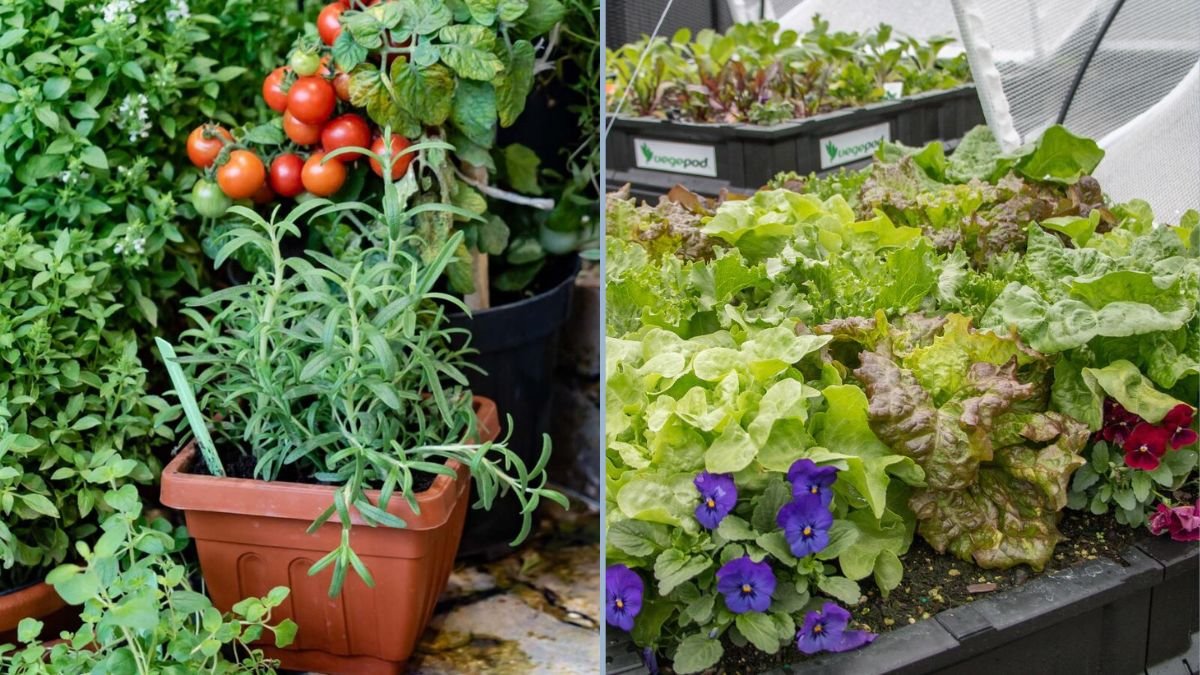
With urbanization on the rise and limited access to large garden spaces, container gardening has become an increasingly popular way to grow fresh, organic vegetables at home. Whether you live in an apartment, have a small balcony, or a sunny windowsill, growing vegetables in containers offers convenience, control, and sustainability.
Container gardening allows you to cultivate nutritious produce without needing a traditional garden bed. It provides flexibility in moving plants, reduces weed growth, and enables better control over soil quality and watering. Moreover, it supports a vegetarian and eco-conscious lifestyle by promoting self-sufficiency and reducing food waste.
This article explores seven easy-to-grow vegetables that thrive in containers, along with practical tips on soil preparation, watering, maintenance, and harvesting — ideal for beginners and small-space gardeners alike.
Advantages of Container Gardening
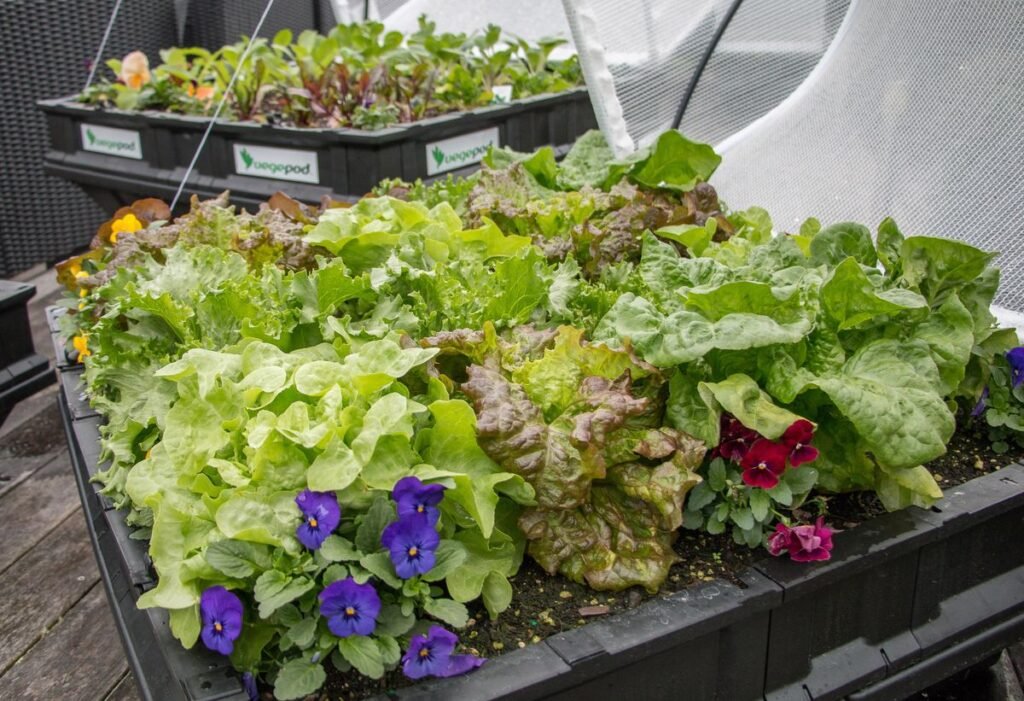
Before diving into specific vegetables, it’s important to understand why container gardening is ideal for home growers:
- Space Efficiency: Perfect for balconies, rooftops, or patios.
- Portability: Containers can be moved to adjust light exposure or protect plants from harsh weather.
- Soil Control: Enables use of nutrient-rich, customized soil blends.
- Fewer Weeds and Pests: Reduces ground-level infestations.
- Sustainability: Encourages organic and chemical-free food production.
- Accessibility: Great for individuals with limited mobility, as containers can be placed at comfortable heights.
Now, let’s look at the seven best vegetables you can grow easily in containers.
1. Tomatoes (Solanum lycopersicum)
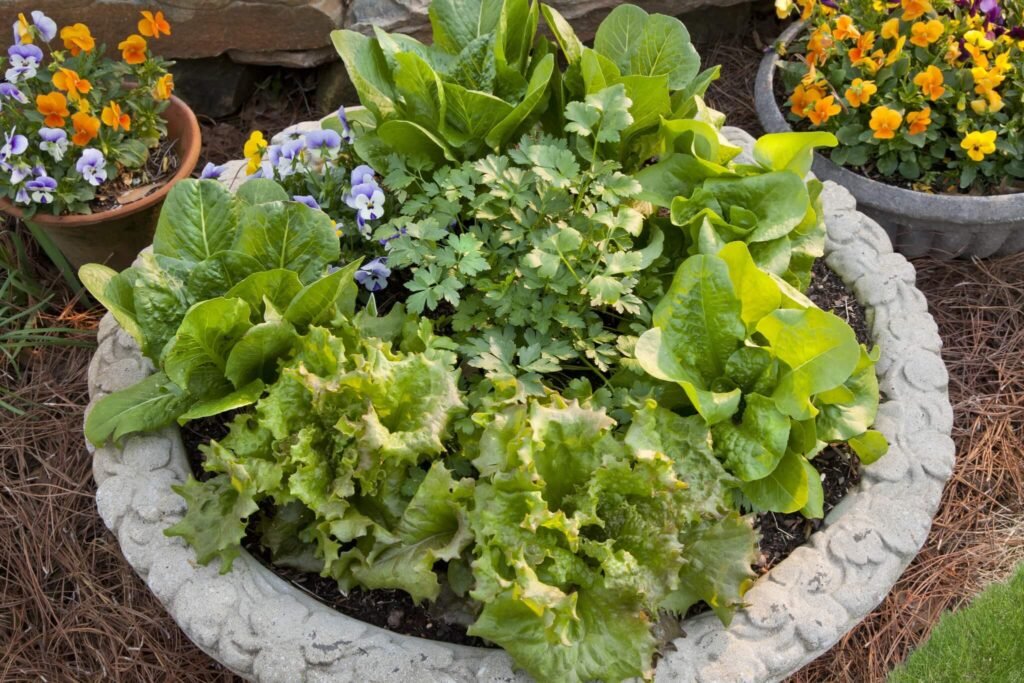
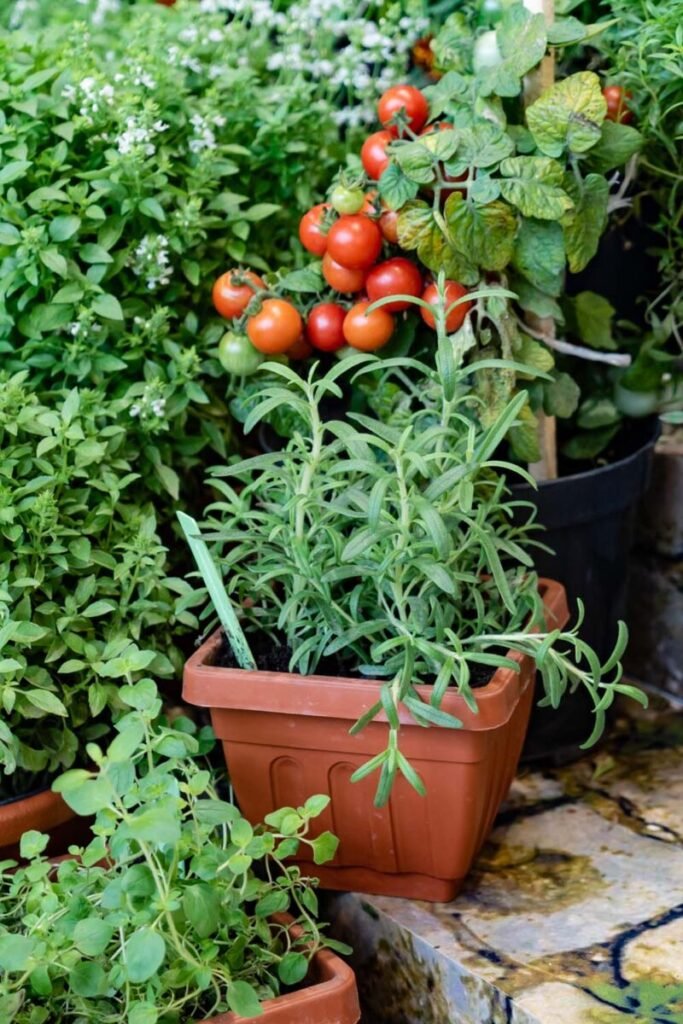
Tomatoes are one of the most popular and rewarding vegetables to grow in containers. They adapt well to pots and yield abundantly with minimal care.
Container Requirements:
- Size: At least 12–18 inches deep with good drainage holes.
- Soil: A mix of 40% garden soil, 40% compost, and 20% cocopeat or sand.
Growing Tips:
- Place the container in a spot with 6–8 hours of direct sunlight daily.
- Water consistently — the soil should be moist but not soggy.
- Add organic fertilizer or compost every 2–3 weeks.
- Support tall varieties with a stake or trellis.
Recommended Varieties:
- Cherry tomatoes, Roma, or small hybrid types designed for pots.
Harvest Time:
Around 60–80 days after transplanting, depending on the variety.
Tomatoes not only provide a steady supply of fresh produce but also enhance the beauty of your balcony garden with their vibrant colors.
2. Spinach (Spinacia oleracea)
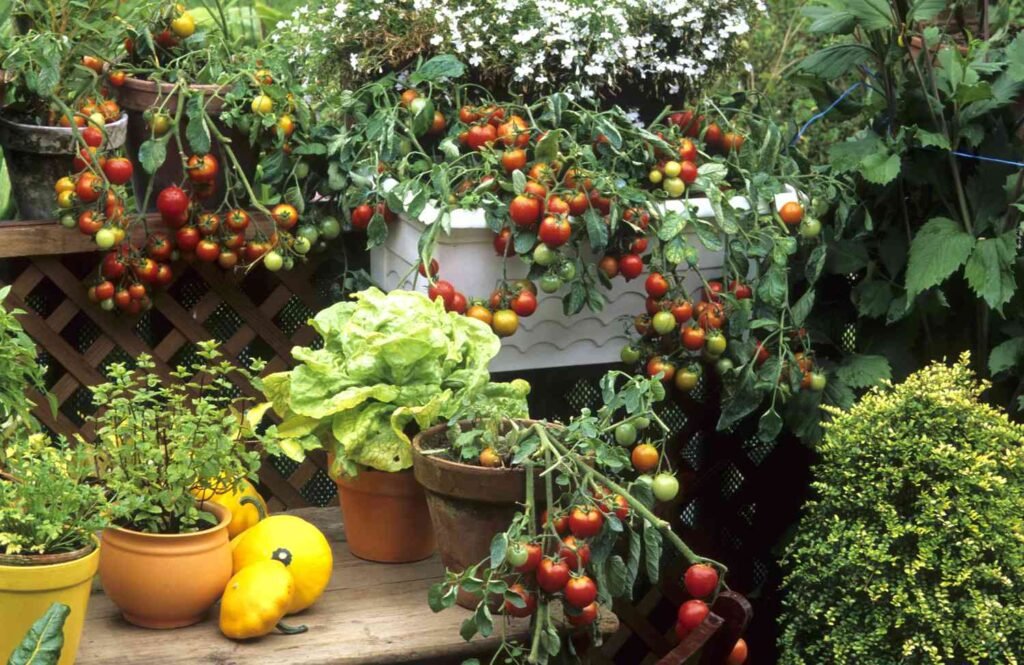
Spinach is a fast-growing, leafy green rich in iron and essential vitamins. It thrives in containers and grows well year-round in mild climates.
Container Requirements:
- Size: 6–8 inches deep, wide enough for multiple plants.
- Soil: Well-draining mix with compost and cocopeat.
Growing Tips:
- Spinach prefers partial sunlight or early morning light.
- Keep the soil moist but never waterlogged.
- Harvest outer leaves regularly to encourage new growth.
Harvest Time:
30–45 days after sowing.
Spinach is an excellent choice for beginners as it requires minimal maintenance and yields quickly. It can also be regrown multiple times from the same plant base.
3. Chillies (Capsicum annuum)
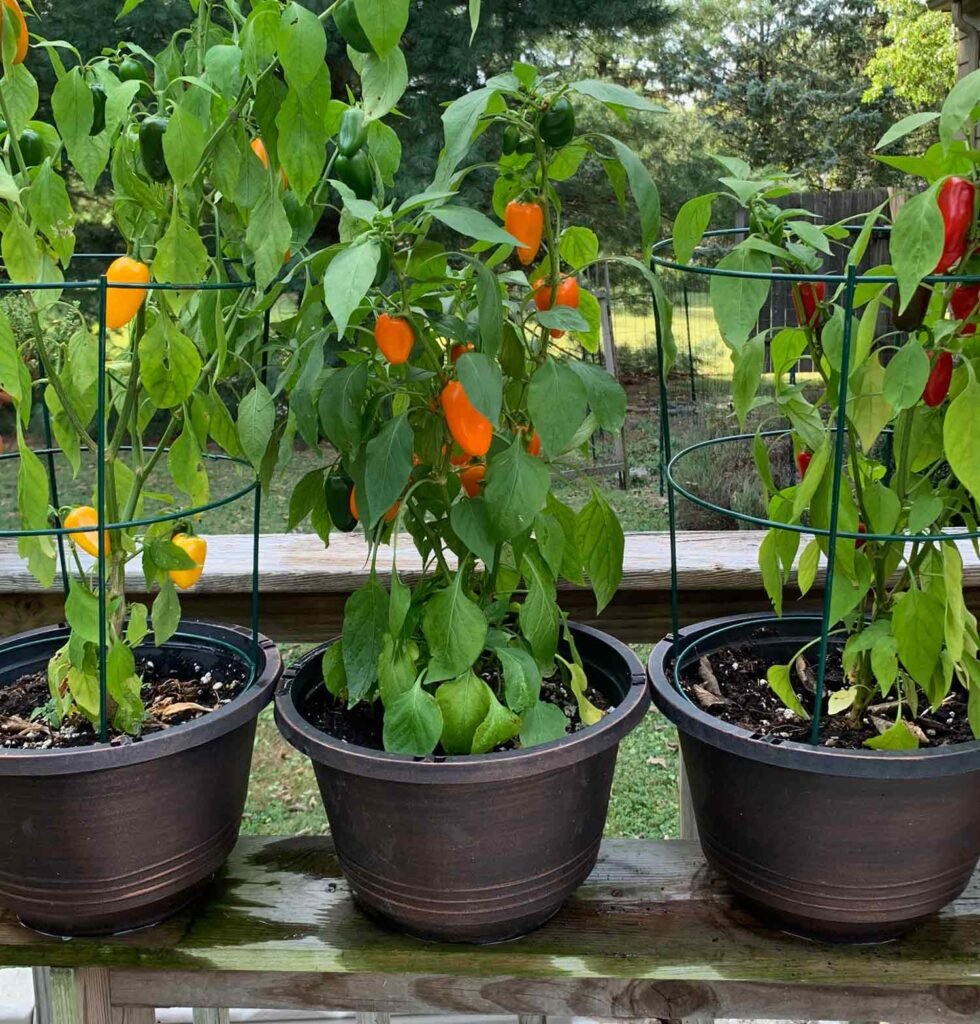
Chillies add both spice and beauty to your garden. They are hardy plants that thrive in warm conditions and produce fruit for months.
Container Requirements:
- Size: 10–12 inches deep.
- Soil: Nutrient-rich, well-draining potting mix.
Growing Tips:
- Place in full sunlight (6+ hours daily).
- Water moderately; avoid overwatering as it can cause root rot.
- Use organic compost or liquid fertilizer once every 2 weeks.
- Remove any yellowing leaves to encourage healthy fruiting.
Harvest Time:
60–90 days after planting.
Chilli plants can last for over a year with proper care, producing both green and red chillies over time.
4. Carrots (Daucus carota)
Carrots are surprisingly easy to grow in deep containers and are perfect for those who want to experience root vegetable cultivation without a garden bed.
Container Requirements:
- Size: At least 10–12 inches deep for proper root growth.
- Soil: Loose, sandy mix without stones or clumps.
Growing Tips:
- Sow seeds thinly and cover lightly with soil.
- Keep the soil consistently moist, especially during germination.
- Thin out crowded seedlings to allow enough room for roots.
Harvest Time:
70–80 days after sowing, depending on the variety.
Carrots thrive best in cooler weather, making them ideal for growing during spring or autumn on a sunny windowsill.
5. Beans (Phaseolus vulgaris)
Beans are versatile, high-yielding plants that do exceptionally well in containers. They come in two main types — bush beans (compact) and pole beans (climbing).
Container Requirements:
- Size: 12–14 inches deep.
- Support: Use a trellis or bamboo stakes for climbing varieties.
Growing Tips:
- Ensure full sunlight exposure.
- Water regularly but avoid soggy soil.
- Add compost monthly to support flowering and fruiting.
- Pick beans frequently to encourage more pods.
Harvest Time:
50–60 days after sowing.
Beans enrich the soil by fixing nitrogen, making them beneficial companion plants for other vegetables.
6. Radishes (Raphanus sativus)
Radishes are quick-growing, low-maintenance vegetables ideal for containers. They’re perfect for those who want fast results and minimal effort.
Container Requirements:
- Size: 6–8 inches deep.
- Soil: Light, well-draining mix rich in organic matter.
Growing Tips:
- Radishes prefer cooler temperatures and partial sunlight.
- Water evenly to ensure uniform root development.
- Avoid overcrowding to prevent small or deformed roots.
Harvest Time:
25–35 days after sowing.
Radishes can also be interplanted with slower-growing vegetables like tomatoes or beans to maximize container space.
7. Lettuce (Lactuca sativa)
Lettuce is one of the simplest and fastest-growing vegetables for container gardens. Its crisp leaves are perfect for salads, sandwiches, and wraps.
Container Requirements:
- Size: 6–8 inches deep and wide.
- Soil: Moist, nutrient-rich, well-aerated mix.
Growing Tips:
- Requires partial sunlight — too much heat can cause the plant to bolt.
- Water regularly; the soil should never dry out completely.
- Harvest outer leaves frequently to promote continuous growth.
Harvest Time:
30–45 days after sowing.
Lettuce varieties such as romaine, butterhead, or loose-leaf are excellent choices for container growing due to their compact nature and quick turnover.
General Care Tips for Container Vegetables
To ensure healthy growth and high yields, follow these essential container gardening practices:
1. Watering:
Container plants dry out faster than those in the ground. Water early in the morning or evening, ensuring excess water drains freely.
2. Fertilization:
Use organic compost, seaweed extract, or vermicompost tea every 2–3 weeks to replenish nutrients. Avoid chemical fertilizers that can degrade soil health.
3. Sunlight and Placement:
Group sun-loving vegetables (like tomatoes and chillies) together, and shade-loving ones (like lettuce or spinach) separately.
4. Pest Control:
Use natural remedies like neem oil, garlic spray, or chili water to deter pests. Encourage beneficial insects like ladybugs and bees.
5. Soil Renewal:
After each harvest, replace about one-third of the potting mix with fresh compost to maintain soil fertility.
6. Crop Rotation:
Change the type of vegetable in each pot every season to prevent nutrient depletion and soil-borne diseases.
Creative Container Ideas
You don’t need to buy expensive pots — everyday household items can serve as excellent planters:
- Old buckets or paint cans (with drilled holes).
- Wooden crates lined with jute or plastic.
- Plastic bottles cut into mini planters.
- Ceramic bowls or terracotta pots.
By reusing materials, you promote sustainability and reduce waste, aligning perfectly with an eco-friendly, vegetarian lifestyle.
Conclusion
Growing vegetables in containers is an empowering, sustainable way to bring fresh, organic produce into your home — regardless of space limitations. With the right soil, care, and a little patience, you can enjoy a thriving mini-garden on your balcony, terrace, or even a sunny windowsill.
From juicy tomatoes to crisp lettuce and nutrient-rich spinach, the seven vegetables discussed here are simple to grow yet highly rewarding. They not only provide fresh ingredients for your daily meals but also encourage mindfulness, sustainability, and a closer connection to nature.