
Vegetable gardening is a rewarding way to produce fresh, nutritious, and flavorful crops at home. However, pests are a constant challenge that can reduce yield, damage leaves, and compromise plant health. For gardeners committed to organic, chemical-free practices, managing pests naturally is essential. Understanding common vegetable pests, recognizing early signs, and applying effective, plant-based solutions can help maintain a thriving garden ecosystem. This article provides a comprehensive guide to common vegetable pests and practical methods for controlling them without non-vegetarian or chemical inputs.
Why Managing Pests Naturally Matters
Using natural methods to manage pests offers several advantages:
- Healthier Produce: Chemical-free vegetables are safer for consumption.
- Environmental Protection: Reduces soil and water contamination and supports biodiversity.
- Pollinator-Friendly: Protects beneficial insects such as bees, butterflies, and ladybugs.
- Sustainable Gardening: Encourages long-term soil fertility and ecological balance.
- Cost-Effective: Many natural remedies use readily available household or garden materials.
By understanding pests’ behavior and life cycles, gardeners can implement preventive measures and reduce infestations naturally.
Common Vegetable Pests
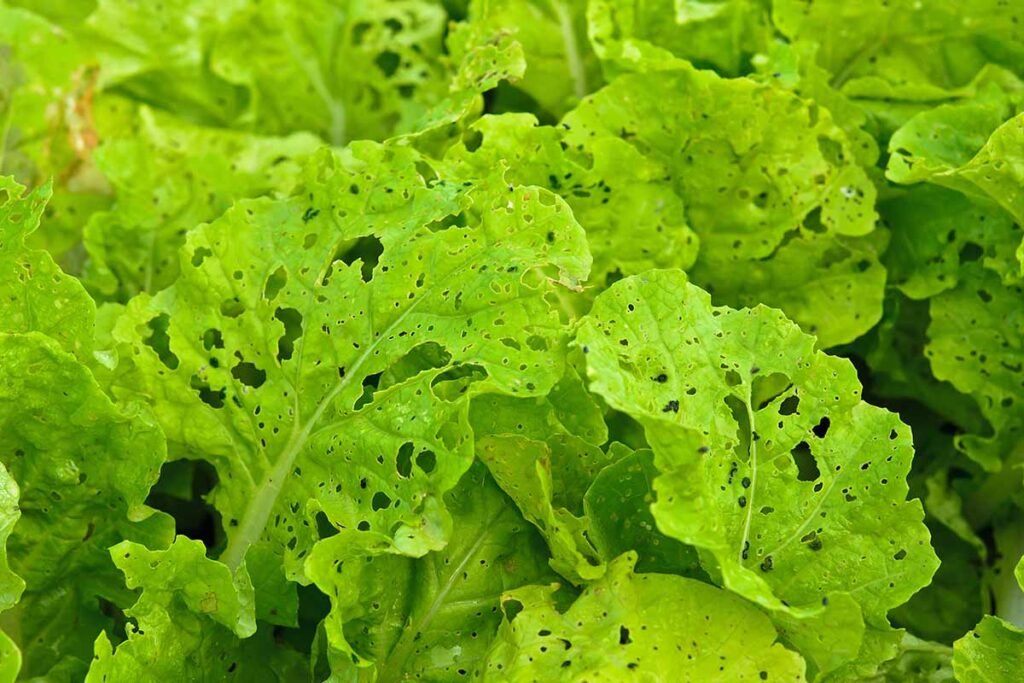
Different vegetables attract different pests, but several pests are common across a variety of crops. Early detection is key to effective control.
1. Aphids
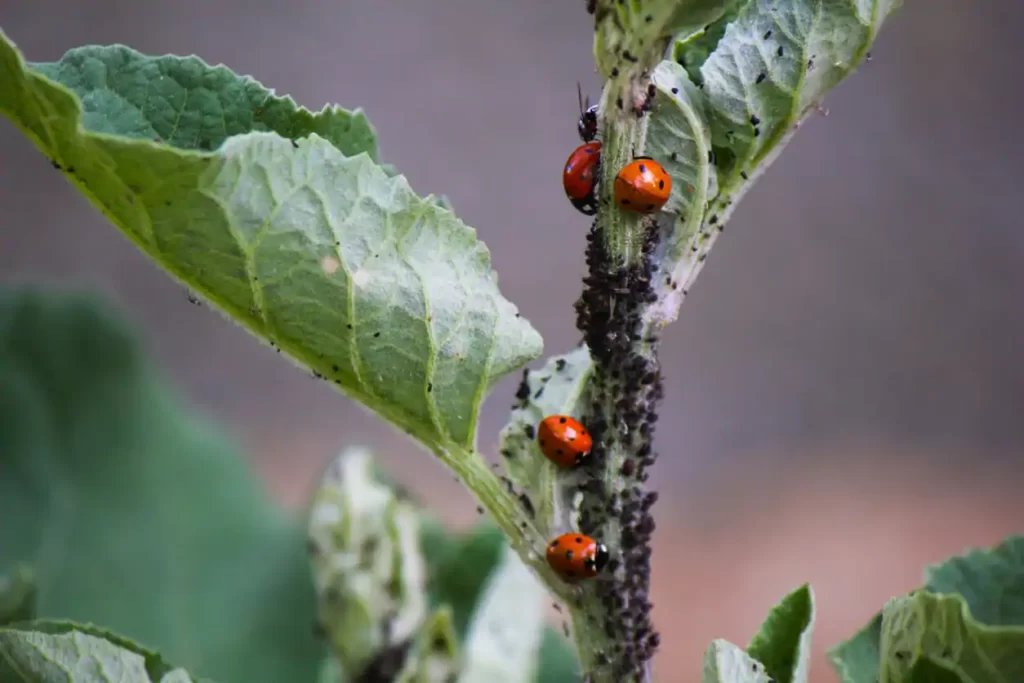
- Description: Small, soft-bodied insects often found on the undersides of leaves. They suck sap from plants, causing yellowing, curling, and stunted growth.
- Common Crops Affected: Tomatoes, lettuce, cucumbers, cabbage, and peppers.
- Signs of Infestation: Sticky residue (honeydew) on leaves, curled or distorted foliage, slow plant growth.
Natural Solutions:
- Introduce beneficial insects like ladybugs or lacewing larvae that feed on aphids.
- Spray a mixture of mild soap and water on leaves to remove aphids.
- Plant companion herbs like basil, cilantro, or chives, which repel aphids naturally.
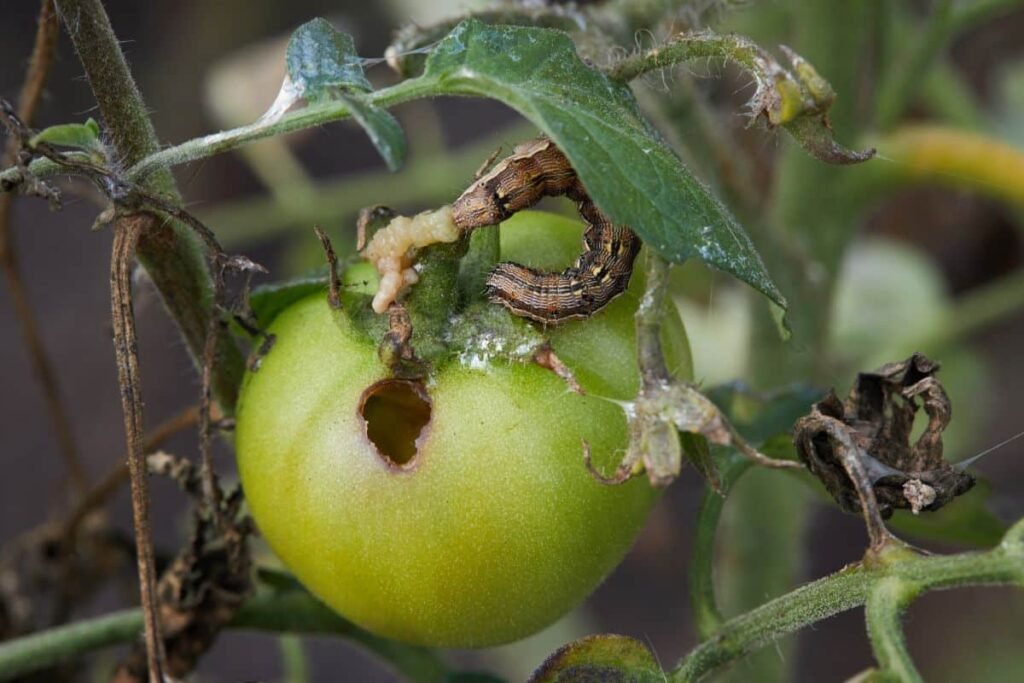
2. Caterpillars
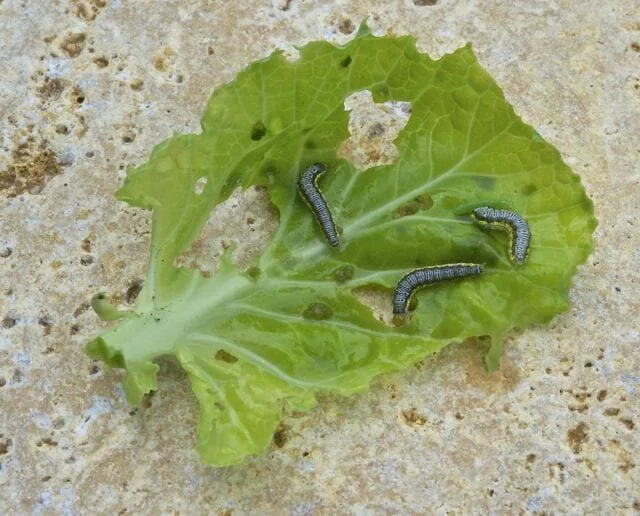
- Description: The larval stage of butterflies and moths, caterpillars chew holes in leaves and stems, causing significant defoliation.
- Common Crops Affected: Cabbage, broccoli, tomatoes, spinach, and beans.
- Signs of Infestation: Visible holes in leaves, droppings (frass) on foliage, and larvae crawling on plants.
Natural Solutions:
- Hand-pick caterpillars and relocate them away from the garden.
- Spray with neem oil, which disrupts feeding and reproduction.
- Introduce parasitic wasps that lay eggs in caterpillars, controlling populations naturally.
3. Whiteflies
- Description: Tiny, white, winged insects that feed on plant sap, weakening plants and spreading viral diseases.
- Common Crops Affected: Tomatoes, peppers, cucumbers, and leafy greens.
- Signs of Infestation: Yellowing leaves, sticky honeydew, and clouds of whiteflies when plants are disturbed.
Natural Solutions:
- Use yellow sticky traps to monitor and reduce whitefly populations.
- Spray a garlic or chili-infused solution to deter feeding.
- Encourage beneficial insects like lacewings and predatory beetles.
4. Spider Mites
- Description: Tiny, spider-like pests that suck sap from leaves, causing yellow speckles and fine webbing.
- Common Crops Affected: Tomatoes, beans, peppers, and cucumbers.
- Signs of Infestation: Stippled leaves, webbing on the undersides of leaves, leaf drop.
Natural Solutions:
- Spray leaves with a strong stream of water to dislodge mites.
- Apply neem oil or insecticidal soap regularly.
- Introduce predatory mites that feed on spider mites without harming plants.
5. Slugs and Snails
- Description: Soft-bodied mollusks that chew holes in leaves, stems, and fruits, especially in damp conditions.
- Common Crops Affected: Lettuce, spinach, cabbage, and strawberries.
- Signs of Infestation: Irregular holes in leaves, slime trails on soil or foliage, and damaged seedlings.
Natural Solutions:
- Create copper barriers or crushed eggshell paths around plants to deter movement.
- Hand-pick slugs and snails during the evening or early morning.
- Use beer traps or shallow dishes filled with water and natural attractants to capture them.
6. Leaf Miners
- Description: Larvae of small flies that burrow between leaf layers, leaving visible winding trails.
- Common Crops Affected: Spinach, beetroot, chard, and beans.
- Signs of Infestation: White or brown squiggly lines on leaves, yellowing tissue, and reduced photosynthesis.
Natural Solutions:
- Remove and destroy affected leaves to reduce the population.
- Introduce parasitic wasps that attack leaf miner larvae.
- Apply neem oil to young leaves to prevent further infestation.
Preventive Measures
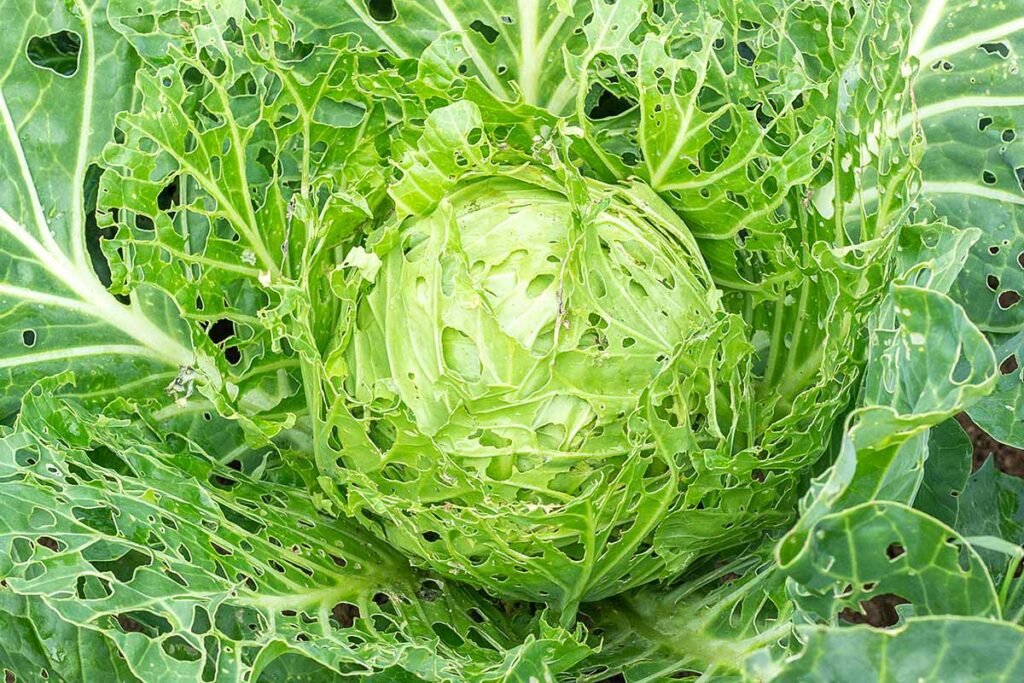
Prevention is the most effective strategy for managing vegetable pests naturally:
- Crop Rotation
- Rotate vegetable families each season to prevent pest buildup in the soil.
- Companion Planting
- Plant herbs and flowers that repel pests or attract beneficial insects.
- Examples: Marigold with tomatoes, basil with peppers, nasturtium with beans.
- Healthy Soil Practices
- Use compost and organic matter to maintain nutrient-rich soil.
- Healthy plants are more resistant to pests.
- Regular Garden Maintenance
- Remove diseased or infested leaves promptly.
- Keep pathways clear and prune overcrowded plants for better airflow.
- Mulching
- Organic mulch reduces soil splash that can transfer pests and helps maintain consistent soil moisture.
Monitoring and Early Detection
- Inspect plants frequently for signs of damage, discoloration, or unusual growth patterns.
- Monitor soil and leaf surfaces for eggs, larvae, or adult pests.
- Early detection allows gardeners to intervene before infestations escalate.
By combining regular monitoring with preventive strategies, pest problems can be minimized without chemical intervention.
Benefits of Natural Pest Management
- Healthier Vegetables: Chemical-free produce is safer and retains natural flavor and nutrients.
- Environmental Protection: Reduces pollution and supports garden biodiversity.
- Pollinator Safety: Maintains populations of bees, butterflies, and predatory insects.
- Sustainable Gardening: Promotes long-term soil health and ecological balance.
- Cost Savings: Many solutions use household or garden materials rather than expensive pesticides.
Conclusion
Managing common vegetable pests is an essential part of maintaining a thriving garden. By understanding pest behavior, recognizing early signs, and applying natural solutions such as neem oil, companion planting, hand-picking, and organic sprays, gardeners can protect crops effectively. Preventive practices like crop rotation, mulching, pruning, and maintaining healthy soil further enhance plant resilience.
Natural pest management not only safeguards vegetables but also contributes to a sustainable garden ecosystem, protects pollinators, and ensures chemical-free, nutritious produce. With observation, care, and plant-based interventions, gardeners can enjoy abundant harvests of healthy, vibrant vegetables while practicing environmentally responsible gardening.