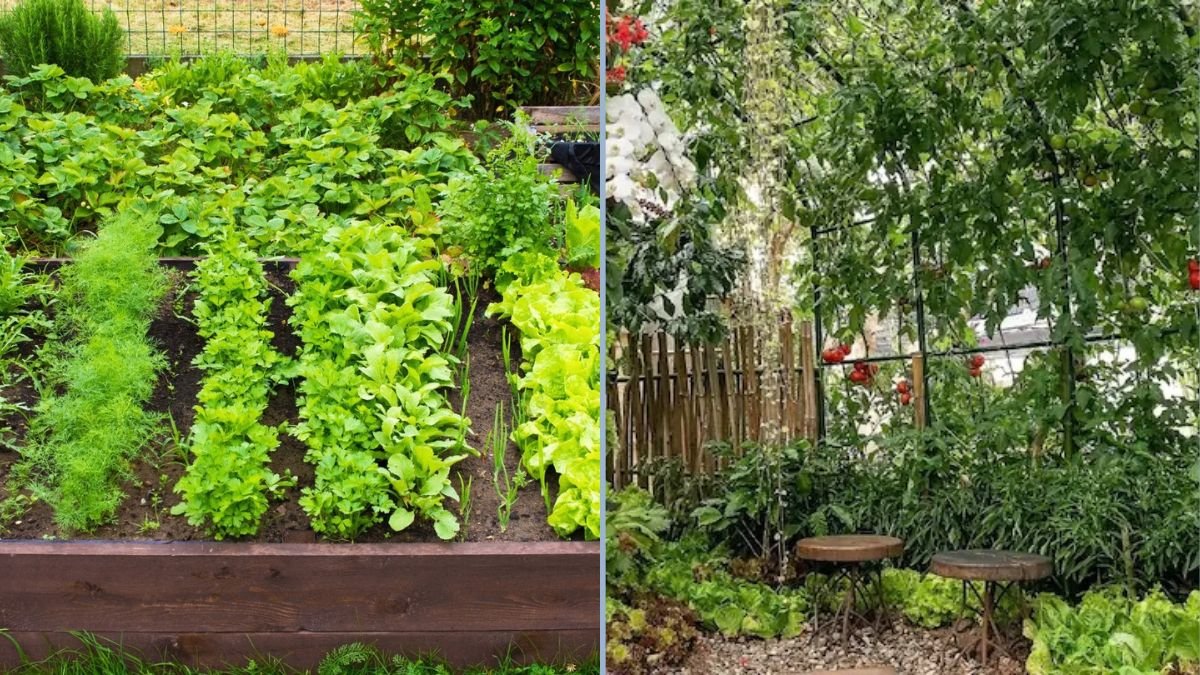
Fall is a unique and rewarding season for kitchen gardeners. As the intense heat of summer fades, cooler temperatures, shorter days, and moderate rainfall create ideal conditions for cultivating a wide variety of vegetables and herbs. Fall crops are often more resilient, flavorful, and nutrient-dense than those grown in hotter months. By carefully selecting and managing crops for the autumn season, gardeners can extend their harvests, maintain soil fertility, and enjoy fresh produce through the colder months. This article explores the best fall crops for kitchen gardens, cultivation strategies, and sustainable practices to optimize growth and yield.
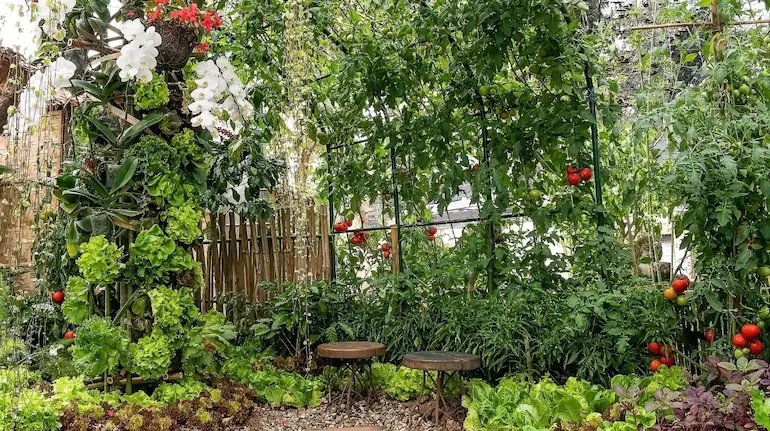
Why Grow Fall Crops?
Growing fall crops in a kitchen garden provides several advantages:
- Extended Harvest Season: Many fall crops can be harvested well into late autumn and even early winter, reducing gaps in fresh produce supply.
- Improved Flavor and Nutritional Value: Cooler temperatures often enhance the taste, texture, and nutrient content of vegetables such as kale, broccoli, and carrots.
- Reduced Pest Pressure: Lower temperatures limit the activity and reproduction of many summer pests.
- Efficient Use of Space: Kitchen gardens can remain productive year-round by transitioning from summer to fall crops.
- Soil Health Benefits: Planting cover crops or leafy greens in the fall helps maintain soil fertility and structure.
Selecting Fall Crops for Kitchen Gardens
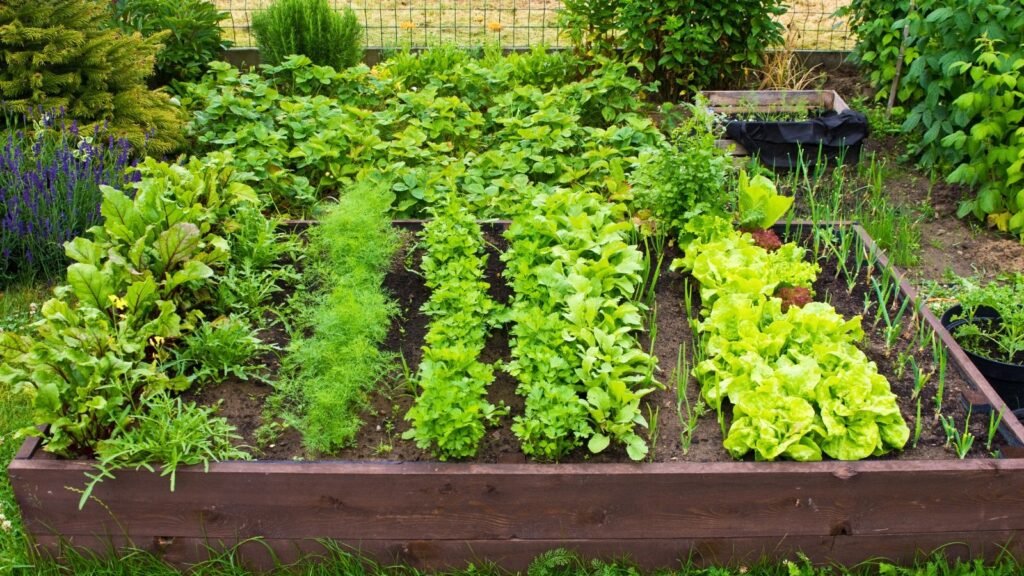
Fall crops thrive in cooler temperatures and often require shorter day lengths. Ideal crops include leafy greens, root vegetables, brassicas, and cold-tolerant herbs.
1. Leafy Greens
Leafy greens grow quickly, tolerate cool temperatures, and can be harvested continuously. Examples include:
- Spinach: Rapid growth, rich in iron and vitamins, tolerates light frost.
- Lettuce: Multiple varieties suitable for crisp leaves or butterhead types, quick-growing.
- Kale: Hardy and frost-tolerant, improves in flavor after light frosts.
- Swiss Chard: Heat-tolerant early in fall, continues producing into winter.
- Arugula and Mustard Greens: Fast-growing, peppery greens ideal for salads.
2. Root Vegetables
Root crops thrive in cooler soil and often improve in flavor after light frosts:
- Carrots: Prefer loose, well-drained soil; frost enhances sweetness.
- Beets: Cold-hardy, nutritious roots and edible greens.
- Radishes: Quick-maturing, can be sown in succession for continuous harvest.
- Turnips and Rutabagas: Hardy and flavorful; excellent for roasting and stews.
3. Brassicas (Cabbage Family)
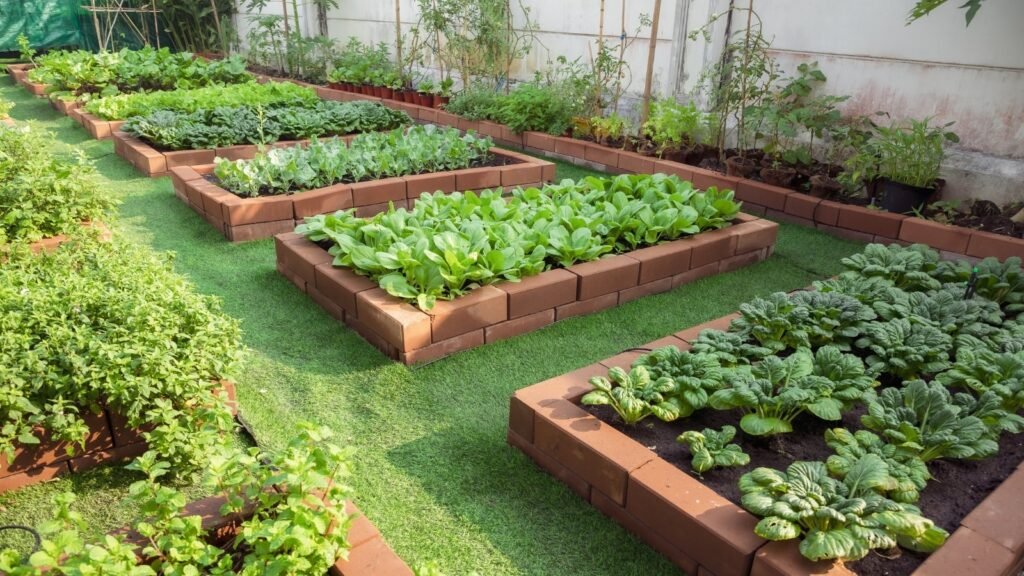
Brassicas are well-suited for fall due to their frost tolerance and nutrient richness:
- Broccoli: Prefers cool weather for compact, flavorful heads.
- Cauliflower: Requires consistent moisture; light frost improves texture.
- Cabbage: Hardy and versatile for fresh or fermented dishes.
- Brussels Sprouts: Long-season crops that thrive in cooler fall temperatures.
- Kohlrabi: Unique bulbous stems; quick-growing and frost-tolerant.
4. Cold-Tolerant Herbs
Many herbs thrive in the cooler, milder days of fall:
- Cilantro: Prefers cool weather and can bolt in heat.
- Parsley: Hardy and continues producing into early winter.
- Thyme and Sage: Perennial herbs that tolerate fall conditions and provide aromatic foliage.
- Chives: Cold-hardy and versatile for culinary use.
Preparing Your Kitchen Garden for Fall
Proper preparation ensures successful fall planting and optimal harvest:
1. Soil Preparation
- Remove Summer Residues: Clear spent crops and debris to prevent disease carryover.
- Amend Soil: Incorporate organic compost or well-rotted manure to improve fertility and structure.
- pH Management: Most fall crops prefer slightly acidic to neutral soil (pH 6.0–7.0).
- Tilling and Aeration: Loosen soil to promote root penetration and drainage.
2. Choosing the Right Planting Time
- Cool-Season Crops: Plant 6–8 weeks before the first expected frost.
- Fast-Maturing Crops: Radishes, lettuce, and spinach can be sown closer to frost dates for late-season harvests.
- Succession Planting: Stagger sowing dates to maintain a continuous harvest throughout fall.
3. Light and Temperature Management
- Sunlight: Most fall crops require at least 4–6 hours of sunlight daily.
- Temperature: Use cold frames, cloches, or row covers to protect seedlings from early frosts.
- Mulching: Organic mulch such as straw or leaves insulates soil, retains moisture, and moderates temperature fluctuations.
Watering and Fertilization
- Consistent Moisture: Evenly moist soil supports root development and prevents stress.
- Drip Irrigation or Soaker Hoses: Reduce water wastage and leaf wetness that can promote disease.
- Organic Fertilizers: Apply compost tea, vermicompost, or diluted seaweed extracts to supply nutrients without chemicals.
- Avoid Overfertilization: Excess nitrogen can encourage leafy growth at the expense of root or fruit development.
Pest and Disease Management in Fall
Fall reduces many summer pest problems, but vigilance is still necessary:
- Common Pests: Aphids, slugs, caterpillars, and cabbage worms can affect leafy greens and brassicas.
- Preventive Measures: Use row covers, companion planting, and organic repellents such as neem oil or garlic sprays.
- Beneficial Insects: Encourage ladybugs, lacewings, and parasitic wasps to control pests naturally.
- Disease Management: Rotate crops, maintain proper spacing, and ensure adequate airflow to reduce fungal infections.
Harvesting and Storage
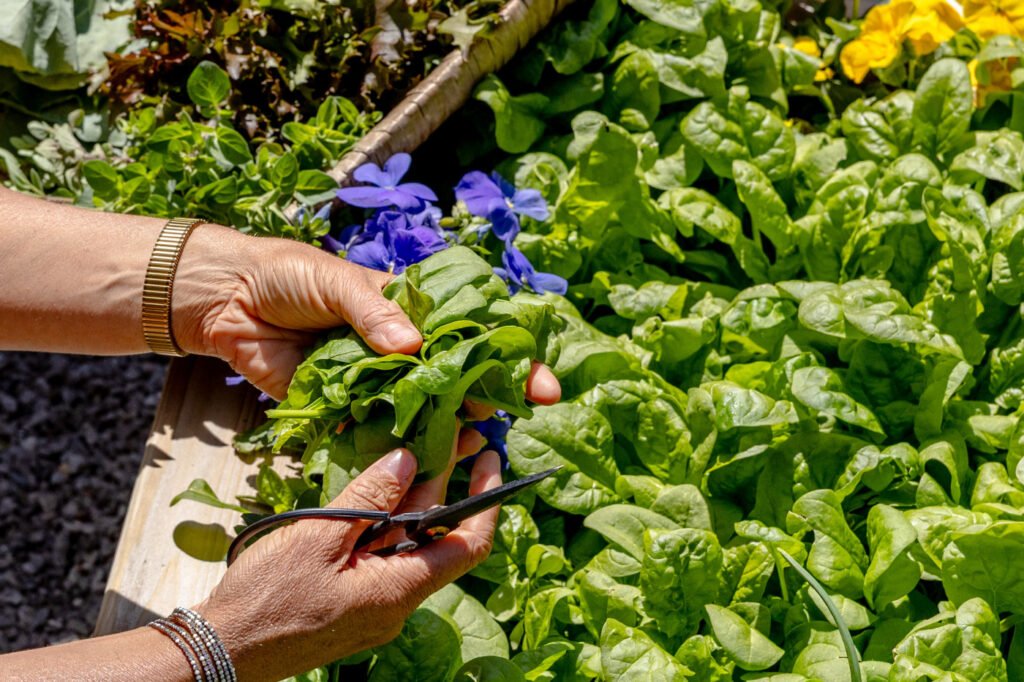
- Leafy Greens: Harvest outer leaves regularly to encourage continuous growth.
- Root Vegetables: Pull carrots, beets, and radishes when mature; store in cool, moist conditions for extended shelf life.
- Brassicas: Harvest heads when firm; outer leaves can continue to feed the plant.
- Herbs: Snip leaves as needed; consider drying or freezing for long-term storage.
Proper harvesting ensures maximum productivity and extends the usefulness of the kitchen garden through late fall and early winter.
Companion Planting for Fall Gardens
Companion planting enhances growth, reduces pests, and improves soil health:
- Leafy Greens and Root Crops: Plant together to maximize space and reduce pest pressure.
- Brassicas and Herbs: Dill, parsley, and chives deter pests like cabbage worms.
- Cover Crops: Planting legumes or clover between beds improves nitrogen content and prevents soil erosion.
Benefits of Fall Kitchen Gardening
- Fresh Produce Availability: Provides a continuous supply of vegetables and herbs during cooler months.
- Enhanced Nutritional Value: Cooler temperatures improve the concentration of vitamins and minerals in many crops.
- Sustainable Gardening: Utilizes organic practices, reduces the need for chemical inputs, and maintains soil health.
- Educational Value: Teaches gardeners about crop rotation, seasonality, and plant care.
- Aesthetic and Culinary Appeal: Fall crops enhance the beauty of the kitchen garden and provide diverse ingredients for healthy meals.
Case Studies and Examples
- Spinach and Kale Beds: Gardeners in temperate climates reported sweeter, more tender leaves when grown in fall compared to summer.
- Carrots and Beets: Frost exposure improved sweetness and texture, making them ideal for storage and winter consumption.
- Cabbage and Broccoli: Protected with row covers, plants yielded heads well into late fall, extending the harvest season.
These examples highlight the success and benefits of fall kitchen gardening with proper crop selection and management.
Conclusion
Fall kitchen gardening offers a practical and rewarding way to extend the growing season, enjoy fresh produce, and maintain sustainable gardening practices. By selecting cool-season vegetables, root crops, brassicas, and cold-tolerant herbs, gardeners can optimize yields and improve flavor and nutrition. Proper preparation of soil, planting timing, light, temperature management, watering, fertilization, pest control, and harvest strategies ensures a productive fall garden.
Companion planting and organic practices further enhance resilience, reduce pest pressure, and promote soil health. Fall crops not only provide fresh, nutrient-dense ingredients for the kitchen but also contribute to a sustainable, year-round gardening approach. With thoughtful planning and attention to seasonal conditions, a fall kitchen garden can thrive, offering abundant harvests and culinary satisfaction throughout the cooler months.