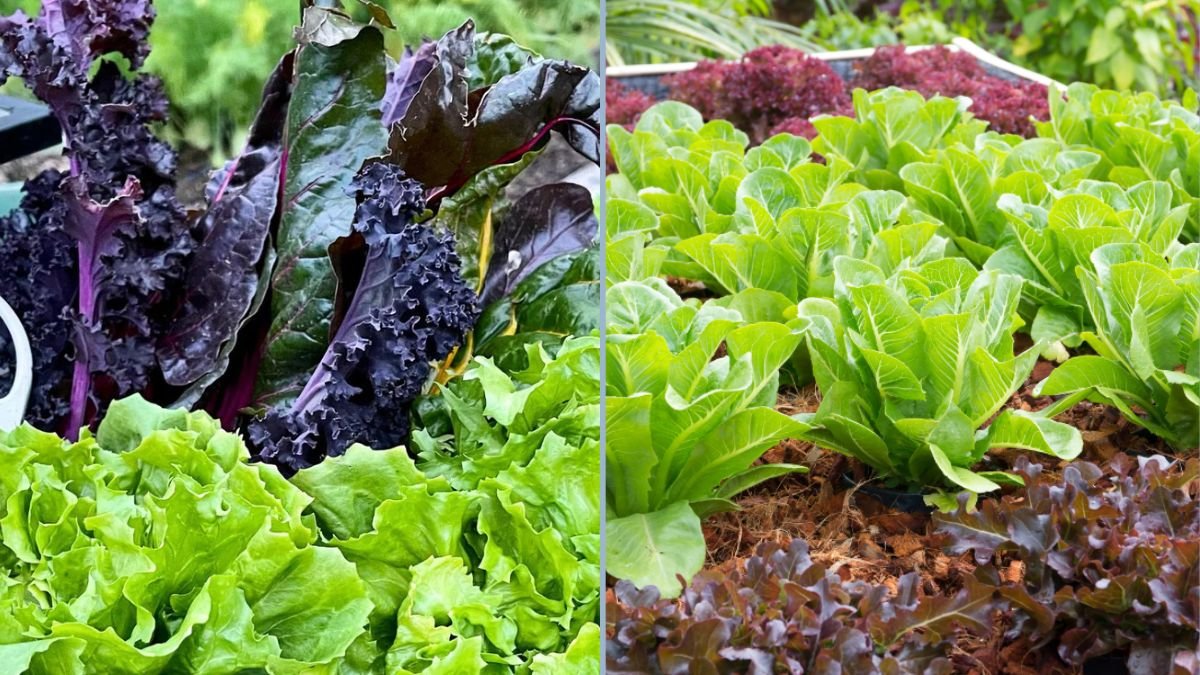
Gardening successfully requires an understanding of seasonal cycles and optimal planting times. By aligning vegetable planting schedules with the seasons, gardeners can maximize yields, reduce pest and disease pressure, and enjoy fresh, nutritious produce year-round. Seasonal planting also ensures crops are exposed to favorable weather conditions for growth and reduces the risk of crop failure. This article provides a detailed month-by-month guide to planting vegetables, with tips for soil preparation, care, and sustainable gardening practices to ensure healthy, productive harvests.
January
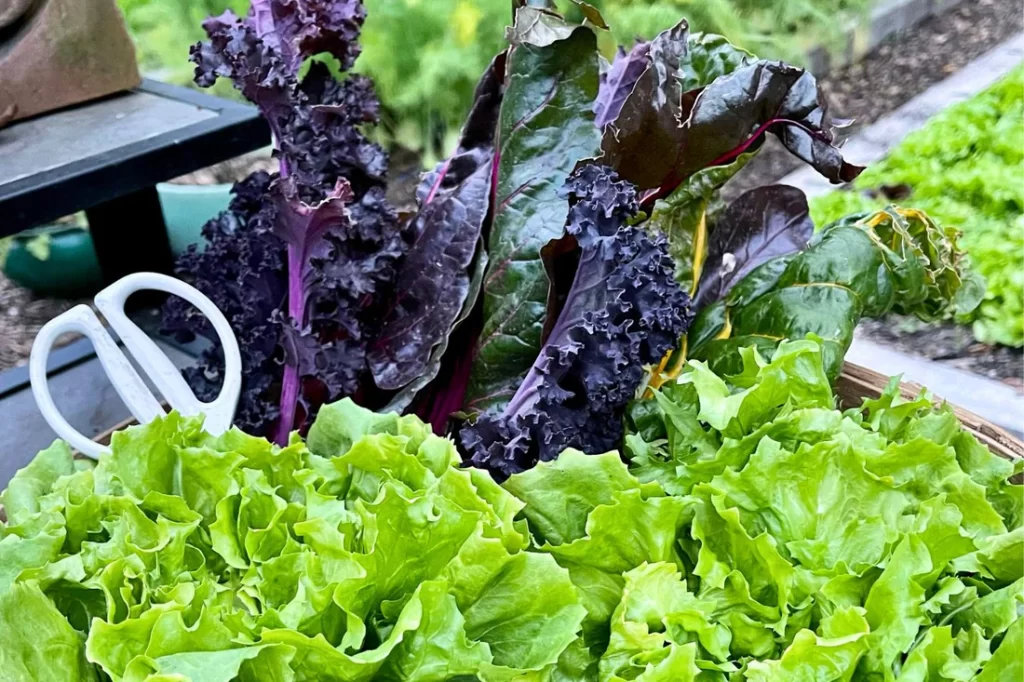
January is typically a winter month in temperate regions, ideal for preparing soil and planting cold-hardy crops.
- Vegetables to Plant: Spinach, kale, lettuce, parsley, peas, and carrots.
- Soil Preparation: Incorporate compost and well-rotted manure to enrich nutrient-poor winter soil.
- Care Tips: Use row covers or cold frames to protect seedlings from frost. Ensure adequate drainage to prevent waterlogging.
February
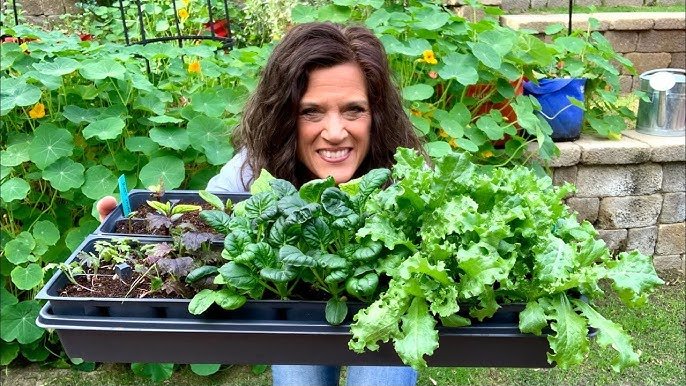
As winter begins to wane, February is suitable for early sowing of cool-season crops:
- Vegetables to Plant: Broccoli, cabbage, cauliflower, beets, radishes, and onions.
- Planting Techniques: Start seeds indoors for transplanting later. Use shallow trays for small seeds like radish and lettuce.
- Care Tips: Maintain consistent soil moisture and prepare for early pest management, such as slugs and aphids.
March
March marks the onset of spring, with increasing temperatures and sunlight. This month is ideal for both cool-season and early warm-season crops.
- Vegetables to Plant: Lettuce, spinach, peas, carrots, tomatoes (indoors), peppers (indoors), and zucchini.
- Planting Techniques: Sow direct-seeding crops like peas and carrots outdoors. Start tender vegetables indoors for later transplantation.
- Care Tips: Ensure seedlings receive adequate light. Prepare raised beds for early warm-season crops. Mulch cold-season crops to retain soil moisture.
April
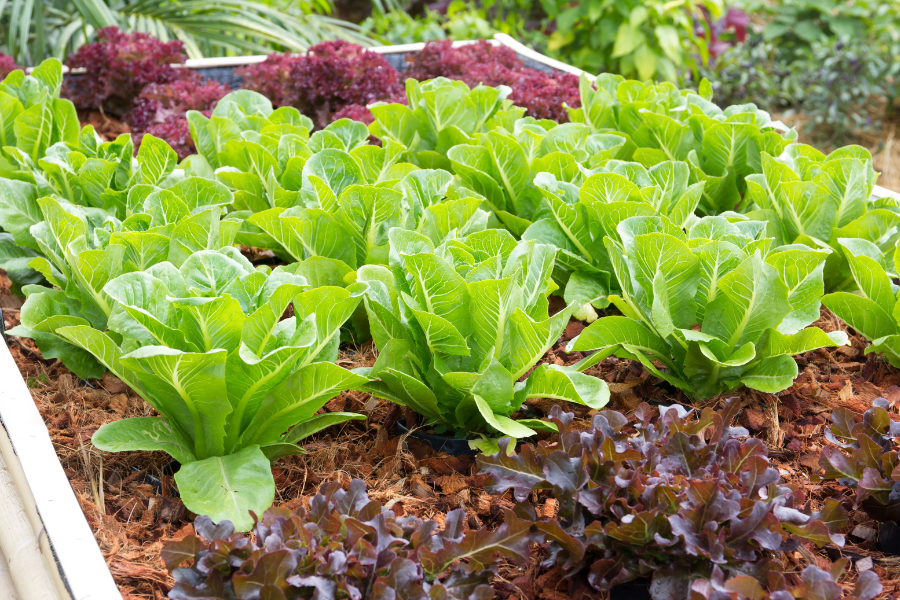
April brings warmer days, making it suitable for transplanting and sowing warm-season crops.
- Vegetables to Plant: Tomatoes, peppers, eggplants, cucumbers, beans, and summer squash.
- Planting Techniques: Harden off seedlings started indoors before transplanting outdoors. Sow beans and cucumbers directly in the soil.
- Care Tips: Provide trellises for climbing plants, and monitor for early aphid infestations. Mulch around warm-season crops to retain moisture and control weeds.
May
May is the peak of spring with long daylight hours, ideal for establishing a diverse vegetable garden.
- Vegetables to Plant: Corn, okra, sweet potatoes, lettuce, radish, and herbs like basil and coriander.
- Planting Techniques: Direct sow fast-growing vegetables like radishes and corn. Transplant warm-season crops for sustained harvest.
- Care Tips: Monitor soil moisture due to increasing temperatures. Introduce companion planting to deter pests naturally.
June
June signals the beginning of summer, requiring careful water and heat management for young plants.
- Vegetables to Plant: Beans, cucumbers, zucchini, tomatoes, peppers, eggplants, and okra.
- Planting Techniques: Sow heat-tolerant crops directly. Continue transplanting seedlings started in May.
- Care Tips: Water early in the morning to reduce heat stress. Mulch beds to retain moisture and prevent soil cracking. Protect tender plants from strong midday sun.
July
July is typically the hottest month in many regions. Focus on heat-tolerant crops and water management.
- Vegetables to Plant: Okra, sweet potatoes, eggplant, beans, peppers, and cucumbers.
- Planting Techniques: Sow fast-maturing crops like beans in intervals for continuous harvest. Protect young seedlings from sunburn using shade cloth.
- Care Tips: Deep watering promotes strong root development. Mulch to reduce evaporation and maintain soil temperature. Monitor for pests such as aphids and caterpillars.
August
August is ideal for planning fall crops while maintaining summer harvests.
- Vegetables to Plant: Lettuce, spinach, radishes, carrots, broccoli (for fall), and cabbage.
- Planting Techniques: Sow quick-growing leafy greens and root vegetables for late-season harvests. Start cold-season brassicas indoors.
- Care Tips: Reduce midday water loss with mulch. Ensure proper spacing to improve airflow and prevent fungal diseases.
September
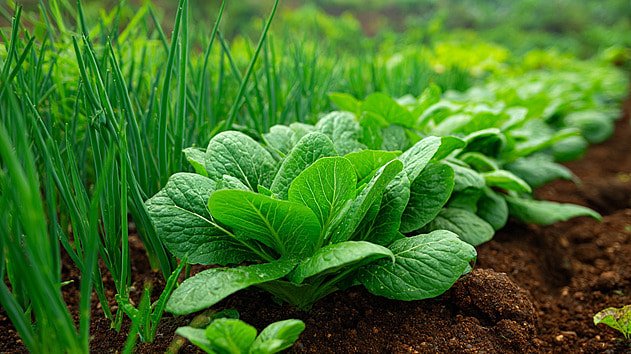
September is a transitional month from summer to fall, suitable for both warm- and cool-season crops.
- Vegetables to Plant: Carrots, radishes, turnips, spinach, kale, and cabbage.
- Planting Techniques: Sow root vegetables and leafy greens directly outdoors. Transplant seedlings of cabbage, broccoli, and cauliflower.
- Care Tips: Mulch to protect soil from sudden cold snaps. Monitor for pests like slugs and snails, which thrive in moist conditions.
October
October is the prime month for fall crops in temperate regions, with cooler temperatures favoring hardy vegetables.
- Vegetables to Plant: Spinach, lettuce, kale, radishes, carrots, beets, broccoli, and cabbage.
- Planting Techniques: Sow seeds directly outdoors. Use row covers or tunnels to extend the growing season.
- Care Tips: Prepare soil with organic compost. Water carefully to avoid waterlogging as rainfall increases.
November
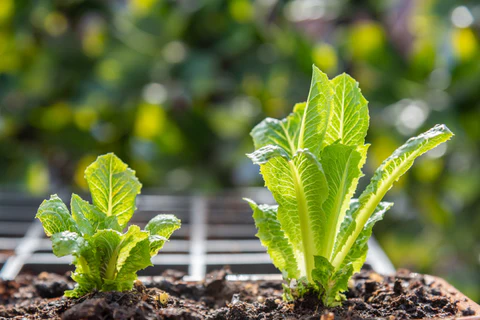
November marks the onset of winter in many areas, making frost-hardy vegetables ideal.
- Vegetables to Plant: Garlic, onions, spinach, kale, parsley, and winter radish.
- Planting Techniques: Plant bulbs like garlic and onions for spring harvest. Sow cold-tolerant leafy greens for continuous winter supply.
- Care Tips: Protect crops from frost with mulch or cloches. Avoid planting tender summer vegetables as they will not survive low temperatures.
December
December is typically the coldest month in temperate regions, focusing on winter-hardy crops and soil preparation for the next year.
- Vegetables to Plant: Kale, spinach, parsley, chives, and hardy root vegetables like carrots and turnips.
- Planting Techniques: Direct sow hardy greens and herbs. Prepare garden beds for early spring planting by adding compost and mulching.
- Care Tips: Protect crops from frost and snow. Use cold frames or mini-greenhouses to maintain productivity in harsh conditions.
General Tips for Year-Round Gardening
- Succession Planting: Sow crops in intervals to maintain a continuous harvest.
- Raised Beds: Improve drainage and soil warmth, especially in winter and rainy seasons.
- Companion Planting: Reduce pests and enhance growth by planting compatible crops together.
- Mulching: Helps conserve moisture, regulate soil temperature, and suppress weeds.
- Organic Fertilization: Use compost, vermicompost, and green manures to maintain soil fertility.
- Pest and Disease Management: Monitor plants regularly and use natural remedies like neem oil or insecticidal soap when needed.
Benefits of Seasonal Planting
- Optimized Growth: Plants thrive when grown in their preferred climate and season.
- Higher Yields: Reduced stress from pests, diseases, and unfavorable weather conditions increases productivity.
- Sustainable Gardening: Minimizes resource use by aligning crops with natural cycles.
- Continuous Harvests: Succession planting ensures fresh produce throughout the year.
- Nutrient-Rich Produce: Seasonal crops are often more flavorful and nutritionally dense than off-season alternatives.
Conclusion
Planting vegetables according to their seasonal preferences is crucial for maintaining a productive and sustainable garden. By understanding the optimal months for sowing, transplanting, and harvesting, gardeners can maximize yield, prevent pest and disease problems, and enjoy fresh, nutritious produce year-round.
From winter-hardy leafy greens to summer-tolerant crops, careful planning and attention to soil preparation, watering, and pest management ensure that every month provides opportunities for growth and harvest. Incorporating succession planting, mulching, companion planting, and organic fertilization further enhances garden productivity and sustainability.
By following a month-by-month planting schedule, gardeners can transform their gardens into a continuous source of fresh, healthy vegetables, making efficient use of space, resources, and seasonal conditions throughout the year.