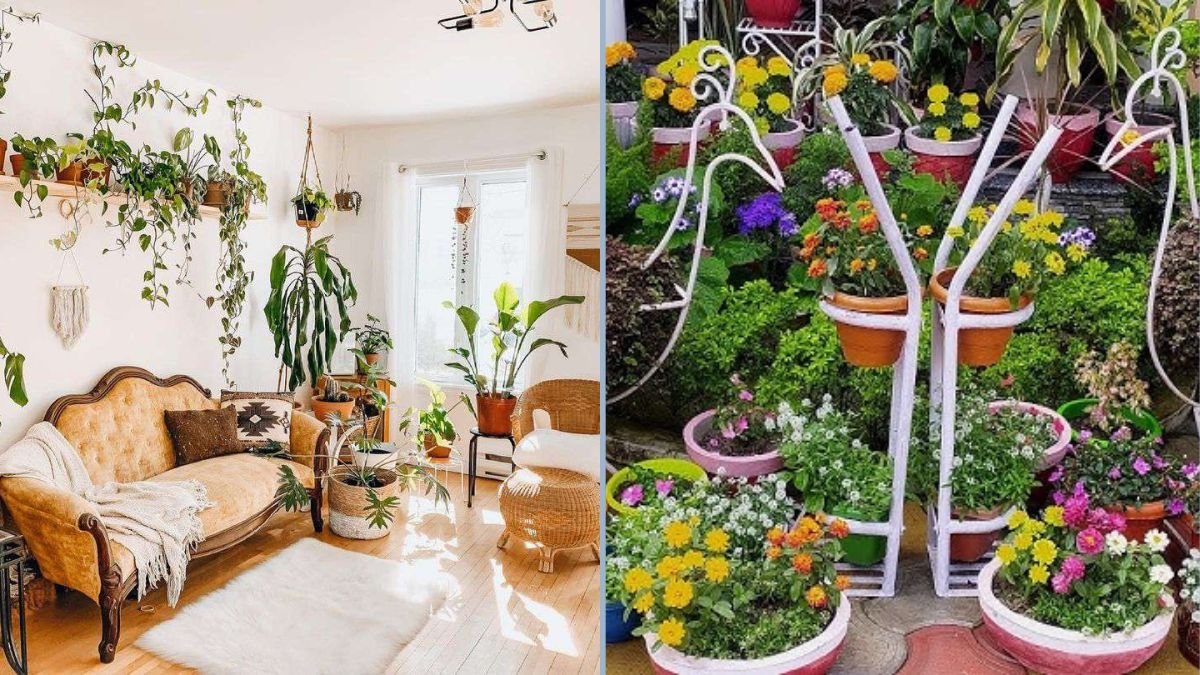
Winter presents unique challenges for gardeners. Shorter days, low temperatures, and reduced sunlight limit outdoor gardening possibilities. However, indoor gardening offers an opportunity to grow fresh vegetables, herbs, and ornamental plants year-round, even during the coldest months. Creating a productive winter indoor garden requires careful planning, light management, proper watering, and strategic plant selection.
This article explores practical, sustainable, and chemical-free ideas for maintaining healthy indoor gardens during winter, emphasizing growth optimization, aesthetic appeal, and year-round food production.
1. Choosing the Right Indoor Plants for Winter
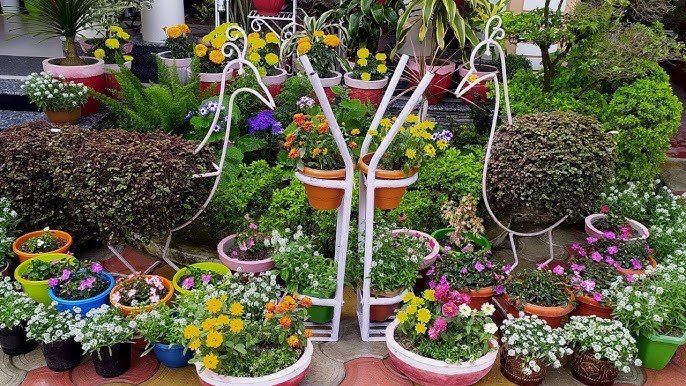
Selecting suitable plants is essential for a thriving winter garden:
a. Leafy Greens
- Spinach, kale, arugula, and lettuce grow well indoors with sufficient light.
- Fast-growing varieties provide continuous harvest throughout winter.
b. Herbs
- Basil, thyme, parsley, chives, and cilantro thrive indoors, enhancing culinary experiences.
- Many herbs prefer moderate temperatures and bright, indirect sunlight.
c. Fruiting Vegetables
- Cherry tomatoes, peppers, and dwarf cucumbers can be grown in containers under proper light.
- Compact varieties are ideal for indoor spaces.
d. Microgreens
- Broccoli, radish, and mustard greens germinate quickly and are nutrient-dense.
- Microgreens require minimal space and are harvested in 1–3 weeks.
Selecting plants adapted to indoor conditions ensures robust growth and productivity during winter.
2. Optimizing Light Conditions
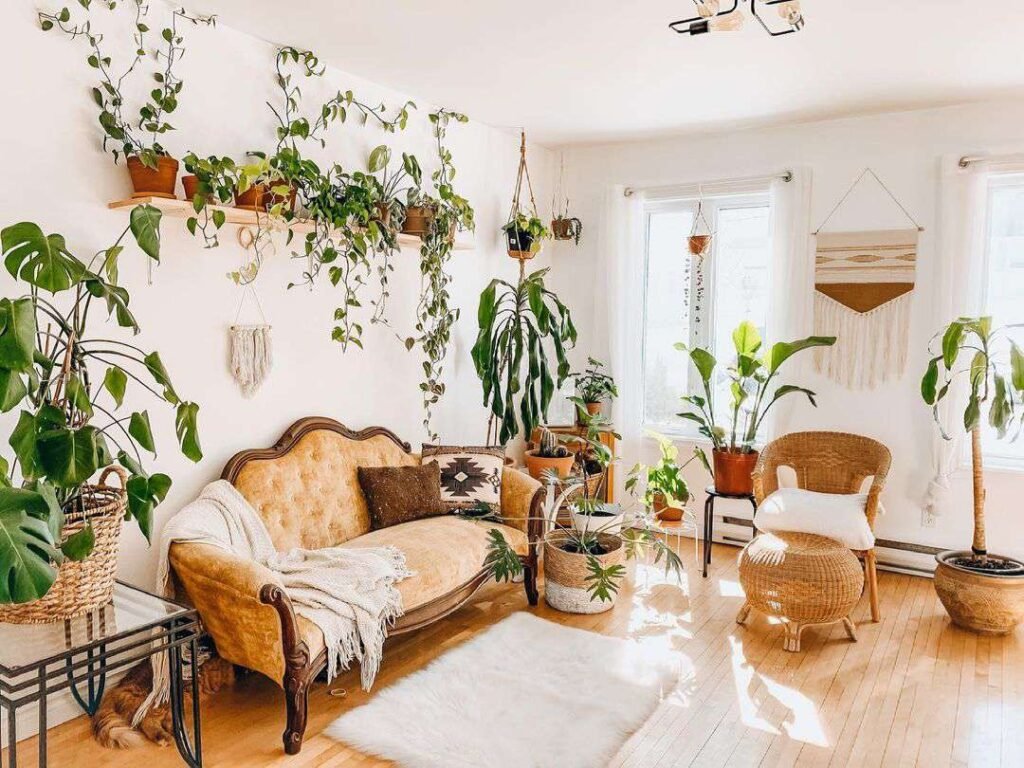
Winter sunlight is limited, making artificial light a key factor:
- LED Grow Lights: Energy-efficient and customizable for different plant stages.
- Fluorescent Lights: Suitable for seedlings and leafy greens.
- Positioning: Place plants near south-facing windows for maximum natural light.
- Photoperiod Management: Provide 12–16 hours of light per day to mimic longer summer days.
Proper light management ensures photosynthesis, strong growth, and continuous productivity.
3. Container Selection and Soil Preparation
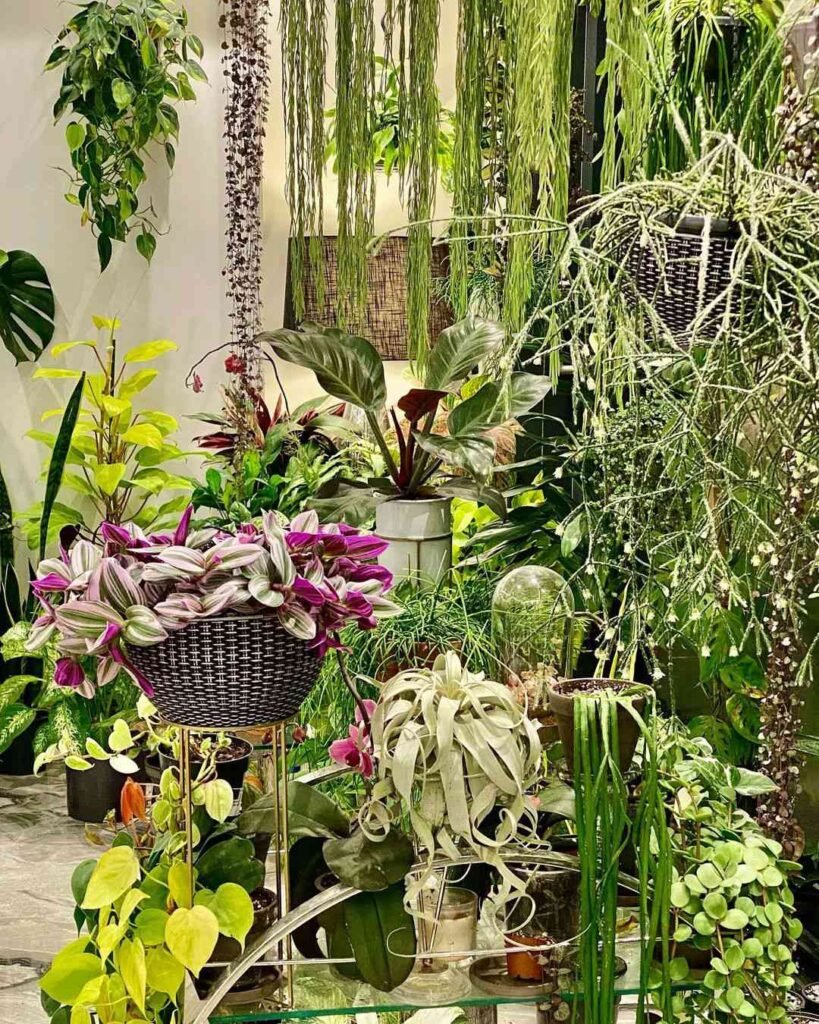
Indoor gardening depends on proper container and soil choices:
- Containers: Use pots with drainage holes to prevent waterlogging. Self-watering pots can reduce watering frequency.
- Soil Mix: Combine compost, coconut coir, and vermicompost for nutrient-rich, well-draining soil.
- Pot Size: Choose containers appropriate for root systems; deeper pots for tomatoes or root vegetables, shallow for herbs and microgreens.
Healthy soil and proper containers support root development and overall plant vitality.
4. Watering and Humidity Management
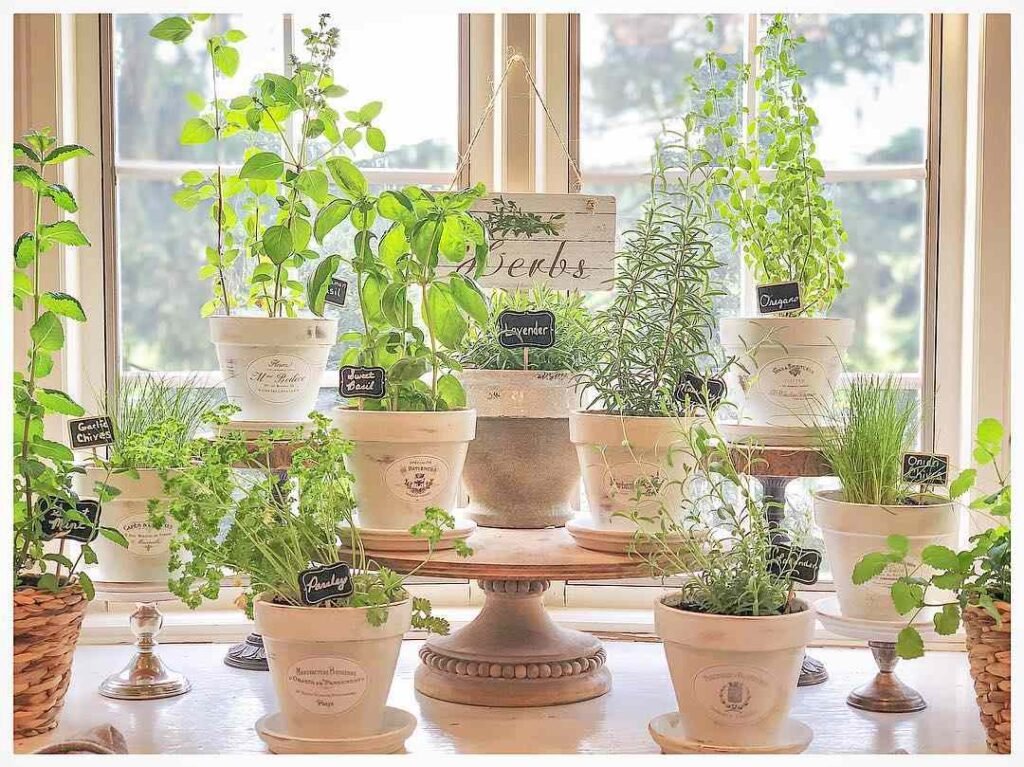
Indoor environments can be dry during winter due to heating systems:
- Consistent Watering: Keep soil slightly moist without overwatering.
- Humidity Control: Place water trays or humidifiers near plants to maintain 40–60% humidity.
- Mulching: Organic mulch like straw or coconut husk helps retain moisture.
Proper moisture and humidity prevent wilting, nutrient deficiencies, and fungal problems.
5. Temperature Control
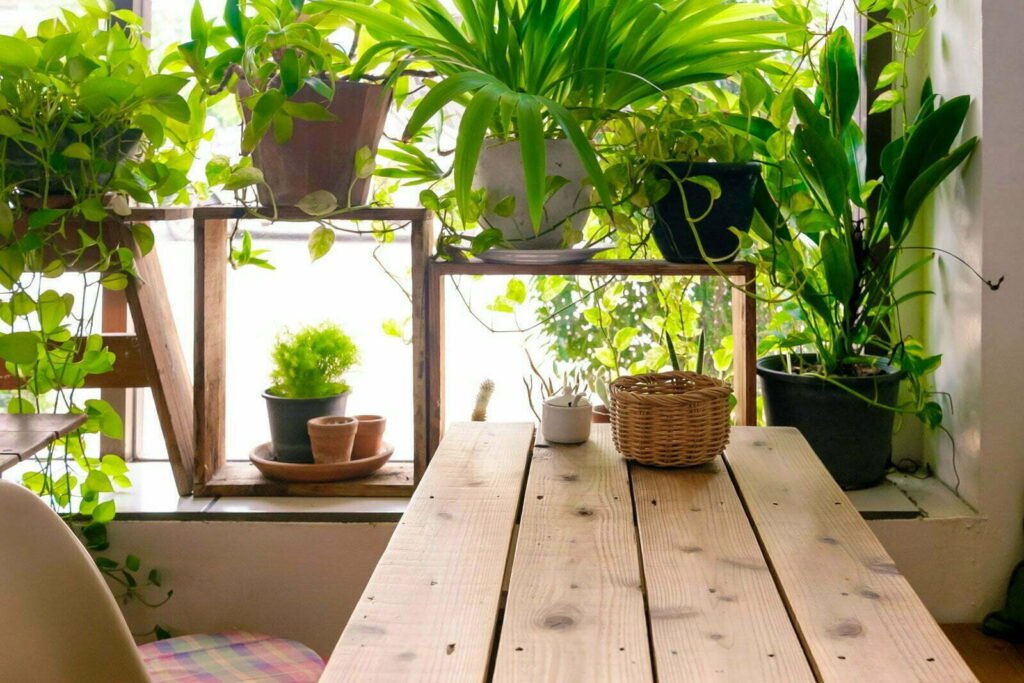
Most indoor plants thrive between 18°C–24°C (65°F–75°F):
- Avoid Drafts: Keep plants away from cold windows, doors, or heating vents.
- Use Heat Mats: Ideal for seed germination or temperature-sensitive plants.
- Monitor Night Temperatures: Cooler nights promote healthy leaf growth in some species.
Maintaining stable temperatures supports metabolism, flowering, and fruiting indoors.
6. Maximizing Space in Small Indoor Areas
Creative solutions allow gardening in limited indoor spaces:
- Vertical Gardening: Use shelves, hanging baskets, and wall-mounted planters to increase growing area.
- Tiered Racks: Stagger plants to maximize light exposure.
- Windowsills: Ideal for small pots and herbs that require moderate light.
Space optimization ensures efficient use of indoor environments for winter gardening.
7. Companion Planting and Crop Combinations
Even indoors, plant pairing can improve growth and pest resistance:
- Herbs with Leafy Greens: Basil and parsley can protect lettuce from minor pests.
- Flowering Plants: Marigolds or nasturtiums repel insects and enhance aesthetics.
- Mixed Containers: Plant complementary crops together to maximize space and nutrient use.
Companion planting indoors supports healthy, pest-resistant gardens.
8. Sustainable Fertilization
Indoor plants benefit from natural nutrient sources:
- Compost Tea: Provides balanced nutrients and supports microbial activity.
- Vermicompost: Slowly releases nitrogen, phosphorus, and potassium for steady growth.
- Plant-Based Liquid Fertilizers: Infusions from comfrey, nettle, or moringa enhance leaf and root development.
Chemical-free fertilization maintains soil health and ensures nutrient-rich plants.
9. Pest Management Indoors
Even indoor gardens can face pest challenges:
- Common Pests: Aphids, spider mites, and fungus gnats are frequent indoor visitors.
- Preventive Measures: Inspect new plants, isolate infested specimens, and maintain cleanliness.
- Natural Remedies: Neem oil, garlic sprays, and mild soap solutions are effective and safe.
- Beneficial Insects: Introduce predatory mites or ladybugs in controlled indoor setups if necessary.
Proactive pest management preserves plant health without chemicals.
10. Seasonal Indoor Gardening Ideas
Winter offers opportunities to experiment with unique indoor crops:
- Microgreens and Sprouts: Quick-growing, nutrient-rich, and space-efficient.
- Winter Herbs: Rosemary, thyme, and chives thrive indoors and provide fresh flavors.
- Edible Flowers: Nasturtiums or pansies brighten interiors and provide culinary value.
- Compact Fruit Plants: Dwarf tomatoes or peppers add color and harvestable produce.
These options enhance nutrition, aesthetics, and productivity during winter.
11. Aesthetic and Functional Design
Indoor gardens can be both productive and visually appealing:
- Decorative Containers: Match pots with room décor for aesthetic value.
- Green Walls: Vertical arrangements create a living wall effect.
- Indoor Garden Corners: Combine plants of different heights and textures for visual interest.
- Herb Windowsills: Functional for cooking and attractive as décor.
Thoughtful design integrates gardening with interior living spaces.
12. Harvesting Techniques Indoors
Proper harvesting ensures continued productivity:
- Leafy Greens: Cut outer leaves to encourage new growth.
- Microgreens: Harvest at 1–3 weeks after germination for maximum nutrients.
- Herbs: Pinch leaves regularly to stimulate bushier growth.
- Fruiting Vegetables: Harvest fully ripened fruits promptly to prevent overripening indoors.
Regular harvesting promotes healthy plants and provides a steady supply of fresh produce.
13. DIY Indoor Garden Projects
Creative projects enhance indoor gardening success:
- Herb Windowsill Garden: Small pots on a sunny sill provide fresh herbs year-round.
- Vertical Stack Planters: Recycle materials to create multi-tier growing spaces.
- Mini Greenhouses: Transparent containers or glass domes retain humidity and warmth for seedlings.
- Hydroponic Systems: Soil-free setups with nutrient solutions for leafy greens and herbs.
DIY projects maximize space, efficiency, and engagement with winter gardening.
14. Benefits of Indoor Winter Gardening
- Fresh Produce Year-Round: Maintain access to vegetables and herbs during cold months.
- Enhanced Nutrition: Microgreens and fresh herbs provide vitamins and antioxidants.
- Improved Air Quality: Indoor plants purify air and increase humidity.
- Therapeutic Value: Gardening reduces stress and improves mental well-being.
- Sustainable Lifestyle: Reduces reliance on store-bought produce and encourages chemical-free cultivation.
Indoor gardening offers physical, mental, and environmental benefits.
Conclusion
Winter indoor gardening provides an innovative solution to the limitations of outdoor winter conditions. By selecting suitable plants, optimizing light, managing water and humidity, and employing sustainable practices, gardeners can create productive, chemical-free indoor gardens. Creative container arrangements, vertical gardening, and companion planting maximize space and efficiency while maintaining plant health.
From leafy greens and herbs to dwarf fruiting plants and microgreens, indoor gardens supply fresh, nutrient-rich produce during the coldest months. Combined with aesthetically pleasing arrangements and sustainable cultivation techniques, indoor winter gardens enhance nutrition, mental well-being, and environmental stewardship. Thoughtful indoor gardening transforms limited winter spaces into productive, green sanctuaries, making winter a season of growth, creativity, and sustainability.