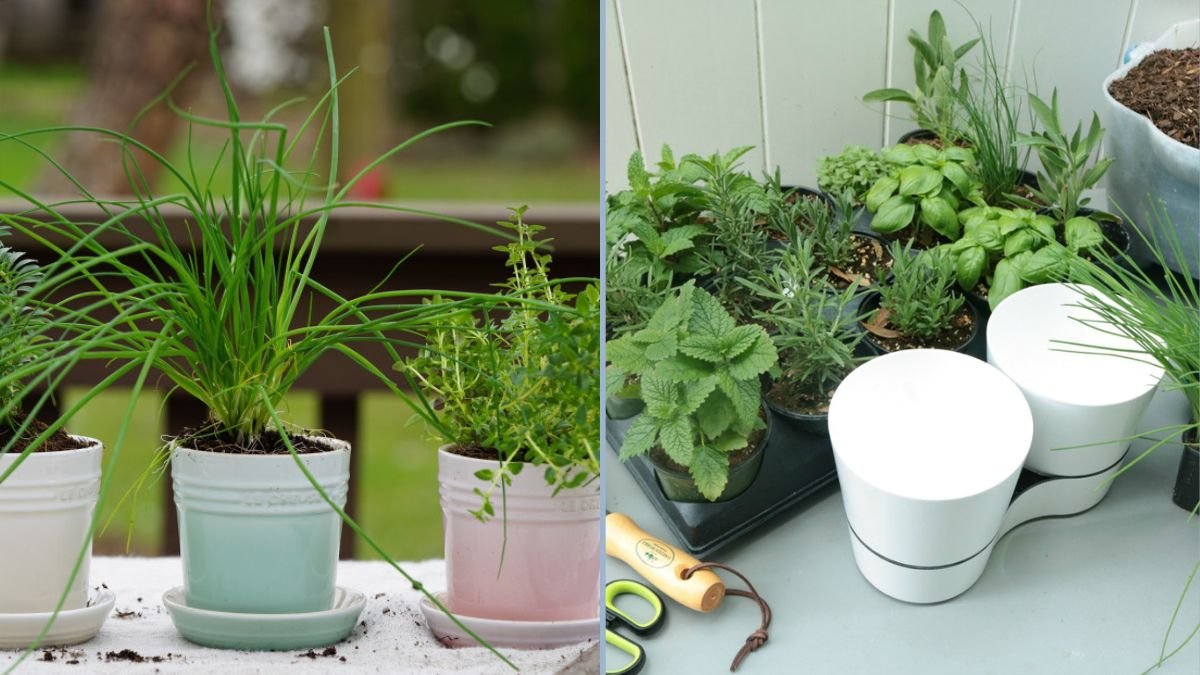
Fall marks a transition from the abundant outdoor growing season to colder months when sunlight diminishes and outdoor gardens slow down. For plant enthusiasts and home gardeners, starting an indoor herb garden during fall provides a way to continue growing fresh, flavorful herbs throughout the season. Indoor herb gardening allows control over environmental conditions such as temperature, light, and humidity, ensuring healthy growth and a continuous supply of culinary and aromatic herbs.
Creating a successful fall herb garden requires careful planning, selection of suitable herbs, appropriate container and soil management, and sustainable, chemical-free cultivation techniques. This article explores comprehensive strategies for establishing and maintaining an indoor fall herb garden.
1. Selecting the Right Herbs for Fall
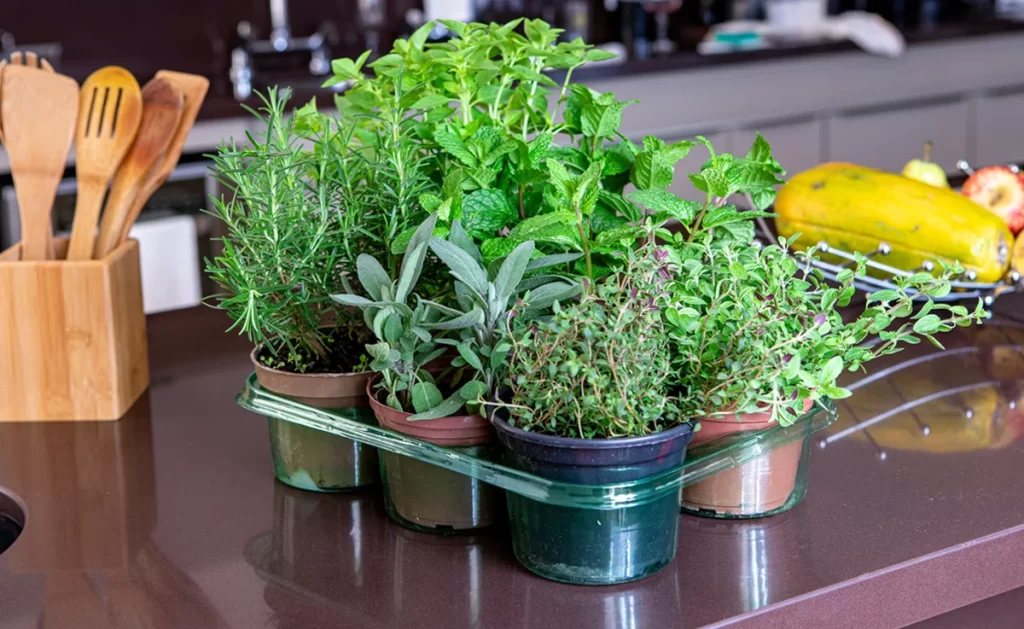
Fall indoor gardening benefits from choosing herbs that tolerate cooler temperatures and lower light levels:
a. Culinary Herbs
- Parsley: Thrives in moderate indoor temperatures and adds fresh flavor to dishes.
- Chives: Hardy and suitable for windowsills; can be harvested multiple times.
- Cilantro (Coriander): Prefers cooler temperatures; grows well in containers.
- Thyme: A perennial herb that grows steadily indoors with minimal care.
b. Aromatic Herbs
- Basil: Requires warmer indoor conditions and adequate light; ideal near sunny windows or under grow lights.
- Oregano: Hardy and adaptable, provides culinary and medicinal uses.
- Rosemary: Prefers bright light and moderate watering; grows as a decorative and aromatic plant.
Choosing herbs suited for indoor fall conditions maximizes growth potential and minimizes stress caused by limited daylight and cooler temperatures.
2. Choosing Containers and Soil
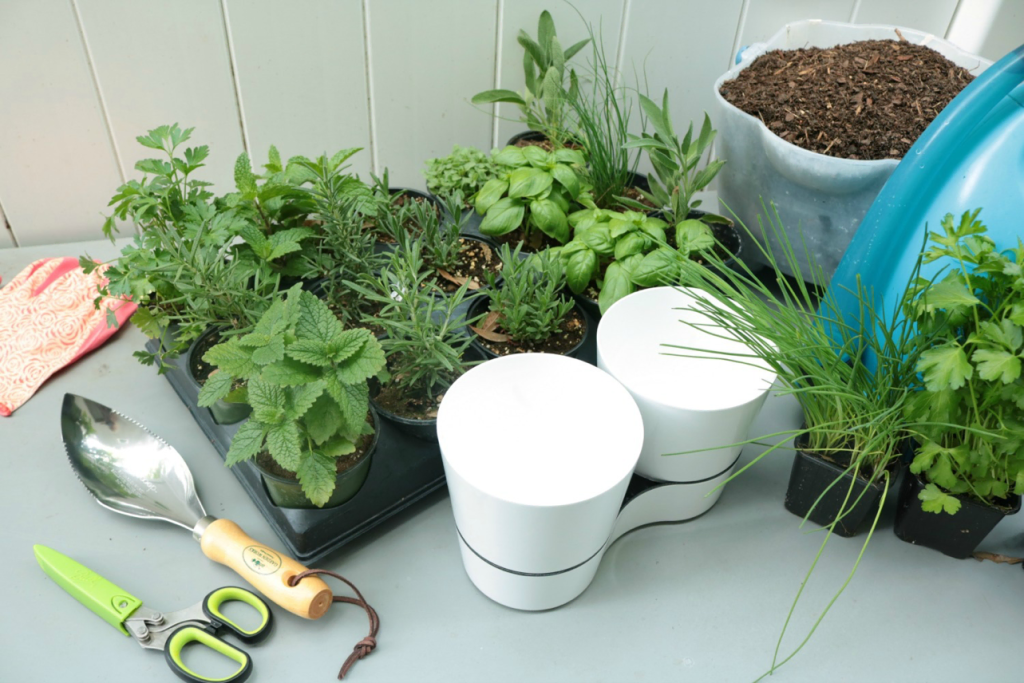
Proper containers and soil are crucial for indoor herb growth:
- Containers: Pots with drainage holes prevent waterlogging and root rot. Self-watering containers maintain consistent moisture for delicate herbs.
- Soil Mix: A combination of compost, coconut coir, and vermicompost provides a well-draining, nutrient-rich medium. Avoid heavy clay soils that retain excess water.
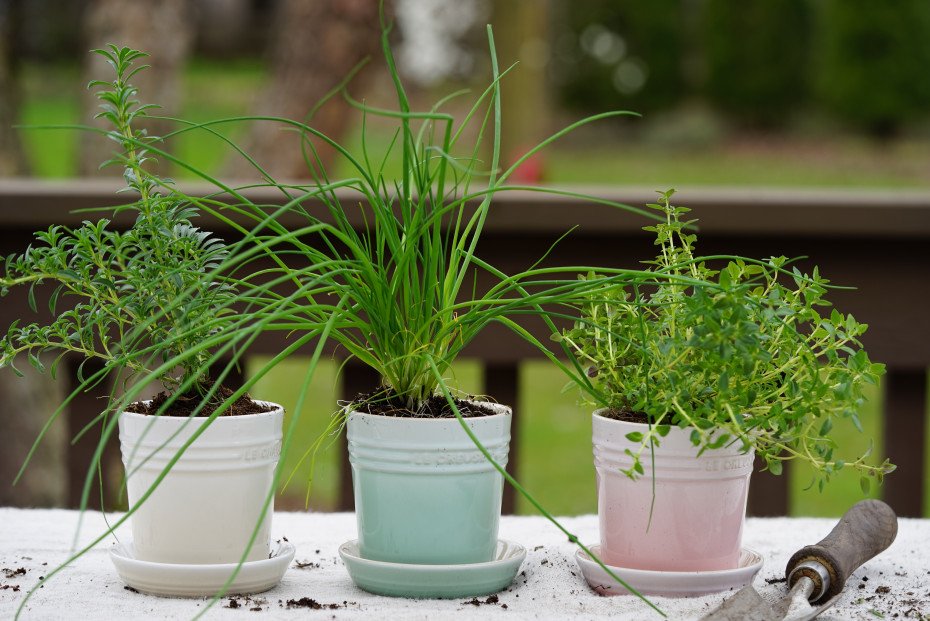
- Pot Size: Shallow pots are suitable for small herbs like chives, while deeper pots accommodate rosemary or parsley with extensive root systems.
Healthy soil and appropriate containers ensure strong root development and overall plant vitality during fall.
3. Providing Adequate Light
Fall brings shorter daylight hours, making supplemental lighting essential:
- Natural Light: Place herbs near south-facing windows for maximum sunlight exposure.
- Grow Lights: LED or fluorescent lights can provide 12–16 hours of light per day, supporting photosynthesis and leaf growth.
- Light Positioning: Keep lights 6–12 inches above plants and adjust as herbs grow to prevent leggy stems.
Proper light management ensures healthy, bushy herb growth and prevents etiolation.
4. Temperature and Humidity Control
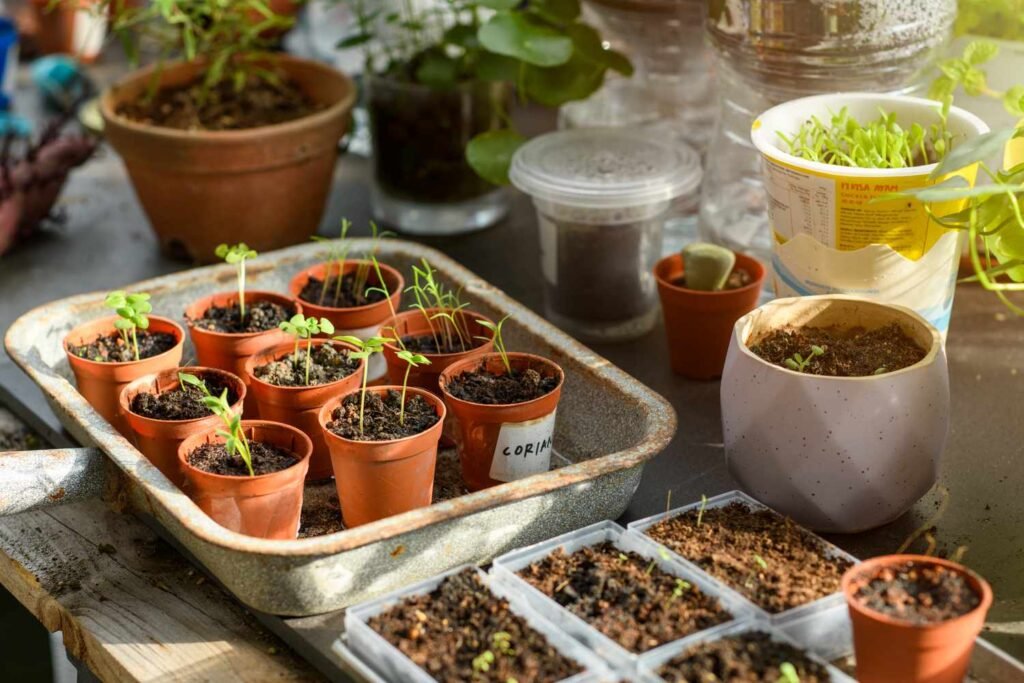
Indoor herbs grow best under stable fall temperatures:
- Temperature Range: Most herbs thrive between 18°C–24°C (65°F–75°F).
- Avoid Drafts: Protect plants from cold windows, doors, or heating vents that can cause stress.
- Humidity: Maintain 40–60% humidity using trays of water, pebble arrangements, or indoor humidifiers.
Consistent temperature and humidity support robust growth and reduce the risk of leaf drop or wilting.
5. Watering Practices
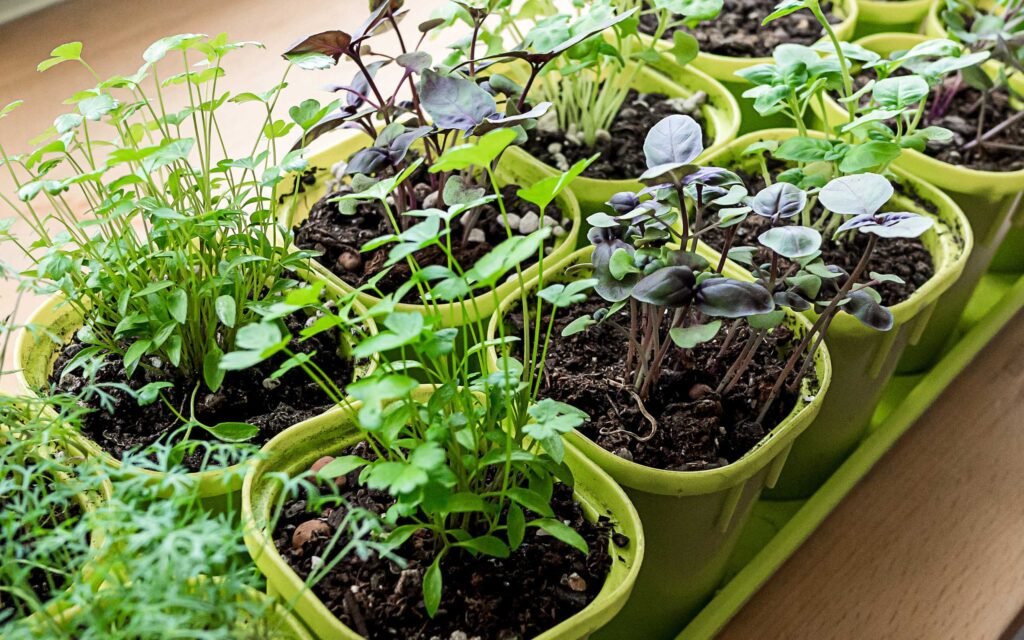
Fall indoor herbs require careful moisture management:
- Consistent Moisture: Keep soil slightly moist without waterlogging.
- Watering Frequency: Most herbs need less frequent watering during fall due to lower light and reduced evaporation.
- Mulching: Apply organic mulch such as coconut coir or straw to retain moisture and moderate soil temperature.
Proper watering prevents root rot, maintains nutrient uptake, and promotes healthy foliage.
6. Fertilization and Nutrient Management
Indoor herbs benefit from gentle, plant-based fertilization:
- Compost or Vermicompost: Slowly releases essential nutrients like nitrogen, phosphorus, and potassium.
- Plant-Based Liquid Fertilizers: Infusions from comfrey, nettle, or moringa stimulate leaf and root growth.
- Frequency: Apply light feeding every 3–4 weeks to avoid over-fertilization.
Organic fertilization supports healthy herb growth without the use of chemicals, enhancing flavor and aroma.
7. Pruning and Harvesting Techniques
Regular pruning encourages bushy growth and prolongs harvest:
- Leaf Harvesting: Snip outer leaves first, leaving inner shoots intact for continued growth.
- Stem Pruning: Trim long or leggy stems to promote compact, productive plants.
- Flower Removal: Remove flowers from culinary herbs like basil and parsley to prevent early seed formation and prolong leaf production.
Pruning and proper harvesting maintain plant vigor and ensure a continuous supply of fresh herbs throughout fall.
8. Pest Management in Fall Indoor Gardens
Indoor herb gardens are not immune to pests:
- Common Pests: Aphids, spider mites, and whiteflies may appear even indoors.
- Preventive Measures: Inspect new plants before introduction, maintain clean growing spaces, and isolate affected herbs.
- Natural Remedies: Neem oil, garlic sprays, or mild soap solutions control pests effectively without chemicals.
Monitoring and early intervention maintain healthy, pest-free herbs.
9. Companion Planting Indoors
Companion planting enhances growth and resilience:
- Leafy Herbs Together: Basil, parsley, and chives grow well in shared containers.
- Flowering Herbs: Marigolds or nasturtiums repel indoor pests and add visual appeal.
- Diverse Containers: Mixing herbs with complementary growth habits maximizes space and light utilization.
Companion planting promotes a balanced indoor ecosystem and improves herb health.
10. Maximizing Indoor Space
Fall indoor gardens can thrive in small areas with strategic planning:
- Vertical Gardening: Use shelves, hanging planters, or wall-mounted racks to increase capacity.
- Windowsills: Ideal for small herbs requiring moderate light.
- Tiered Planters: Allows multiple crops to receive sufficient light and airflow.
Optimizing space ensures higher productivity without overcrowding.
11. Seasonal Indoor Garden Projects
Creating themed indoor herb projects adds value and interest:
- Herb Windowsill Garden: Small pots provide fresh herbs within easy reach.
- DIY Vertical Planter: Stackable planters maximize vertical space for multiple herbs.
- Mini Greenhouses: Glass or transparent plastic covers maintain warmth and humidity for seedlings.
- Microgreen Herb Tray: Quick-growing herbs like cilantro and mustard provide rapid harvests.
Creative projects enhance engagement and make indoor fall gardening more rewarding.
12. Benefits of Fall Indoor Herb Gardening
- Fresh, Year-Round Herbs: Access to culinary herbs during colder months.
- Enhanced Nutrition: Fresh herbs provide antioxidants, vitamins, and flavor.
- Therapeutic Value: Gardening reduces stress and improves mental well-being.
- Air Purification: Indoor herbs improve air quality and humidity.
- Sustainability: Reduces dependence on store-bought herbs and supports chemical-free cultivation.
Indoor herb gardening combines practical, aesthetic, and health benefits.
13. Troubleshooting Common Problems
Fall indoor gardens may face unique challenges:
- Leggy Growth: Often caused by insufficient light; supplement with grow lights or reposition plants.
- Yellowing Leaves: May indicate overwatering or nutrient deficiency; adjust watering and fertilization.
- Powdery Mildew: Maintain good air circulation, reduce leaf wetness, and prune affected leaves.
- Slow Growth: Ensure appropriate temperature, light, and fertilization.
Early identification and corrective action help maintain a thriving indoor garden.
Conclusion
Starting a fall herb garden indoors is an effective way to maintain fresh, flavorful, and nutritious herbs during the colder months. Success depends on selecting suitable herbs, providing adequate light, maintaining temperature and humidity, and practicing sustainable, chemical-free cultivation. Proper soil preparation, container selection, watering, and fertilization ensure strong, healthy plants, while pruning and harvesting techniques promote continuous growth.
By combining vertical gardening, companion planting, and creative indoor projects, gardeners can maximize space and productivity, creating a sustainable and aesthetically pleasing fall indoor garden. Indoor herb gardening not only provides culinary and aromatic benefits but also contributes to mental well-being, environmental sustainability, and year-round access to fresh plant-based produce.
With careful planning and attention to plant needs, a fall indoor herb garden transforms limited indoor spaces into productive, green sanctuaries, making autumn a season of growth, creativity, and sustainability.