Heavy rainfall, though essential for plant growth, can pose serious challenges to vegetable gardens. Excessive rain can lead to soil erosion, nutrient leaching, root suffocation, waterlogging, and increased susceptibility to fungal diseases. For gardeners and small-scale farmers, safeguarding vegetables from these adverse effects is essential to maintain healthy growth, prevent crop loss, and ensure sustainable yields.
Protecting vegetables from heavy rain involves careful garden planning, soil management, structural solutions, and organic cultural practices. This article explores comprehensive, chemical-free strategies for mitigating rain-related damage, promoting resilient and productive vegetable gardens.
1. Understanding the Impact of Heavy Rain on Vegetables
Excessive rainfall affects plants in multiple ways:
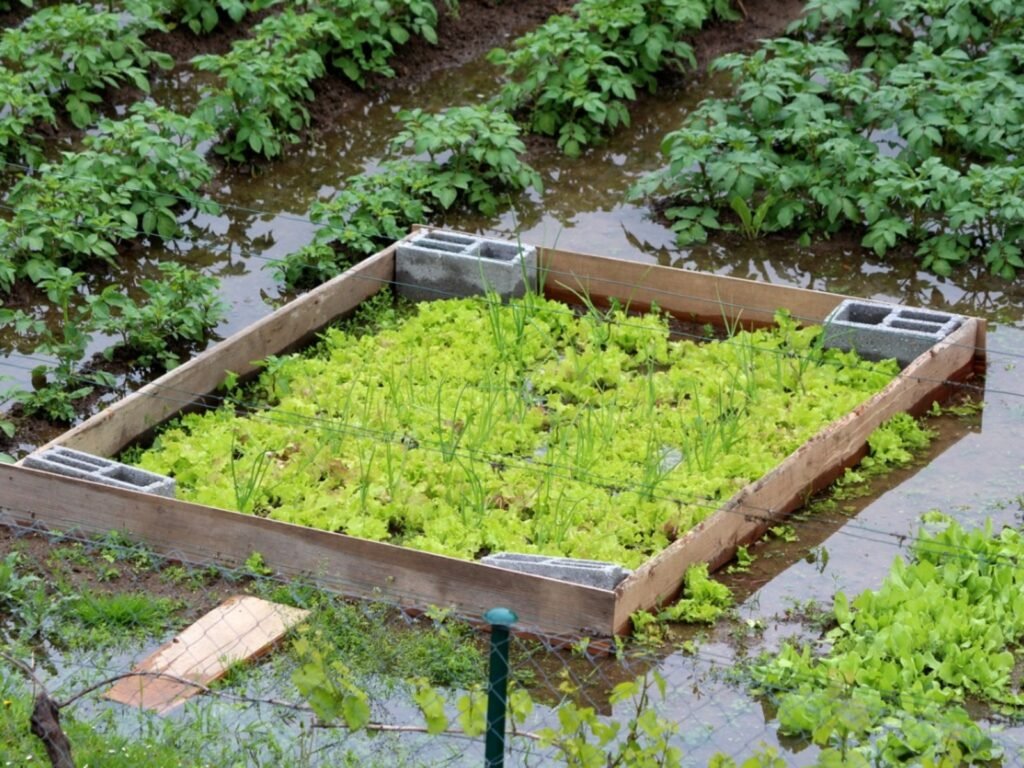
- Waterlogging: Saturated soils prevent roots from accessing oxygen, causing wilting, yellowing, or root rot.
- Nutrient Leaching: Vital nutrients, especially nitrogen, are washed away, leading to deficiencies.
- Soil Erosion: Topsoil containing essential organic matter may be lost, reducing fertility.
- Fungal Diseases: High moisture promotes conditions for powdery mildew, downy mildew, and blight.
- Physical Damage: Rain can physically damage leaves, flowers, and delicate fruits.
Understanding these impacts allows gardeners to implement proactive protective measures.
2. Selecting Rain-Resistant Vegetable Varieties
Some vegetables are more resilient to heavy rainfall:
- Leafy Greens: Swiss chard, kale, and spinach tolerate wet soils better than lettuce.
- Root Crops: Carrots, radishes, and beets benefit from loose, well-drained soil.
- Fruit-Bearing Crops: Tomatoes, peppers, and cucumbers require extra protection due to fruit susceptibility to cracking and fungal infection.
- Legumes: Beans and peas are moderately tolerant but need elevated beds to avoid waterlogging.
Choosing suitable crops reduces risk and improves overall garden resilience during wet periods.
3. Soil Preparation and Drainage Management
Proper soil management is key to preventing rain-related damage:
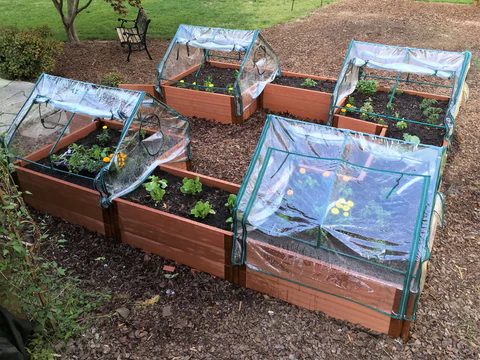
- Raised Beds: Elevate planting areas to improve drainage and prevent waterlogging.
- Soil Structure: Incorporate organic matter such as compost or leaf mold to improve aeration and water retention balance.
- Mulching: Straw, grass clippings, or coconut husk mulch prevents soil splash, reduces erosion, and maintains soil structure.
- Contour Planting: On sloped land, align rows along contour lines to minimize runoff and erosion.
Healthy, well-draining soil provides a foundation for vegetables to withstand heavy rainfall.
4. Garden Layout and Spacing
Effective garden design reduces damage from rain:
- Proper Plant Spacing: Adequate spacing between plants allows air circulation, reducing disease pressure.
- Row Orientation: Plant rows in the direction of prevailing water flow to minimize pooling.
- Companion Planting: Taller plants can act as natural rain shields for smaller, delicate crops.
Strategic garden layout minimizes physical and moisture-related stress on plants.
5. Structural Protection
Physical barriers can shield vegetables from heavy rainfall:
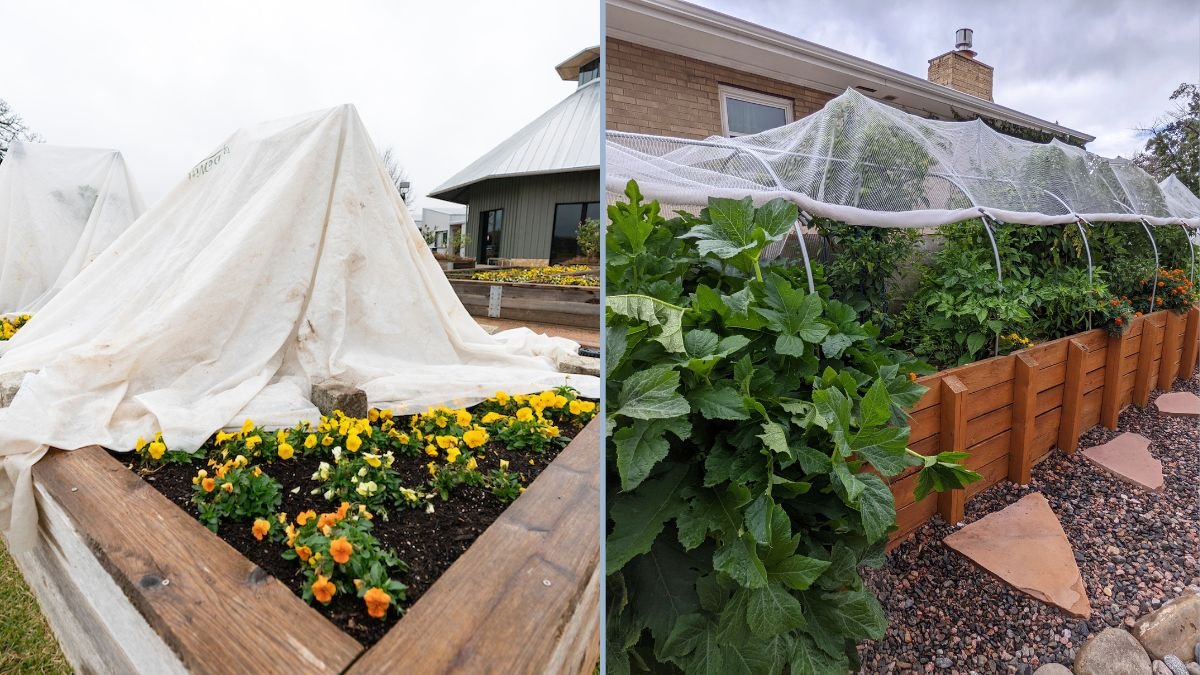
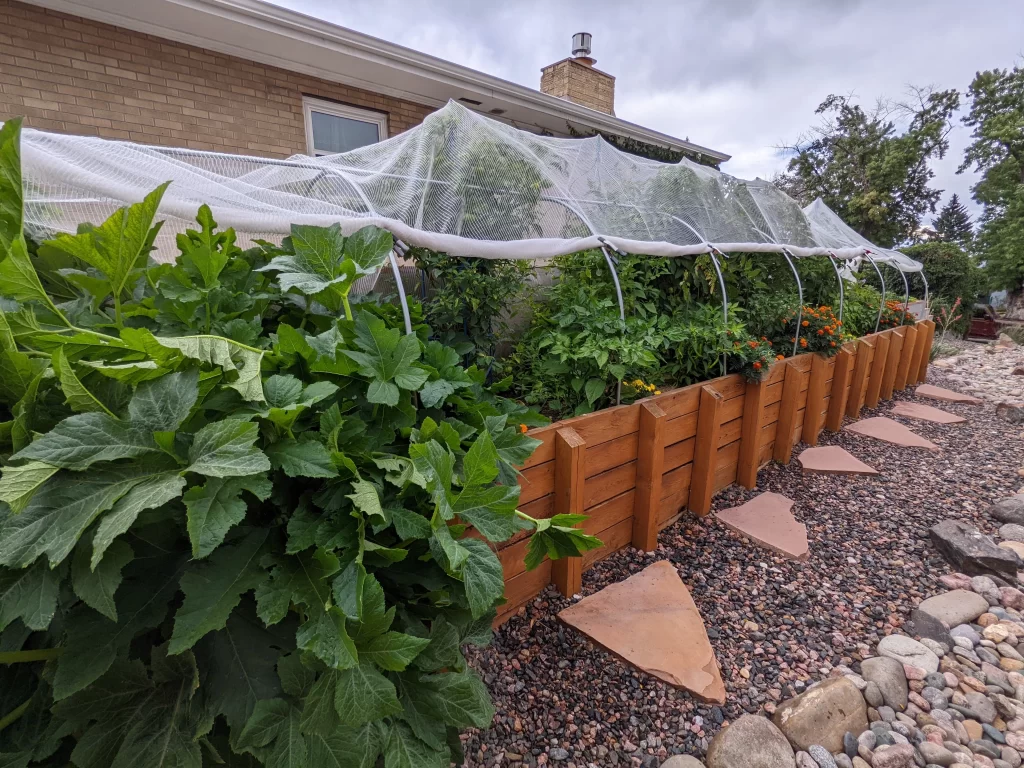
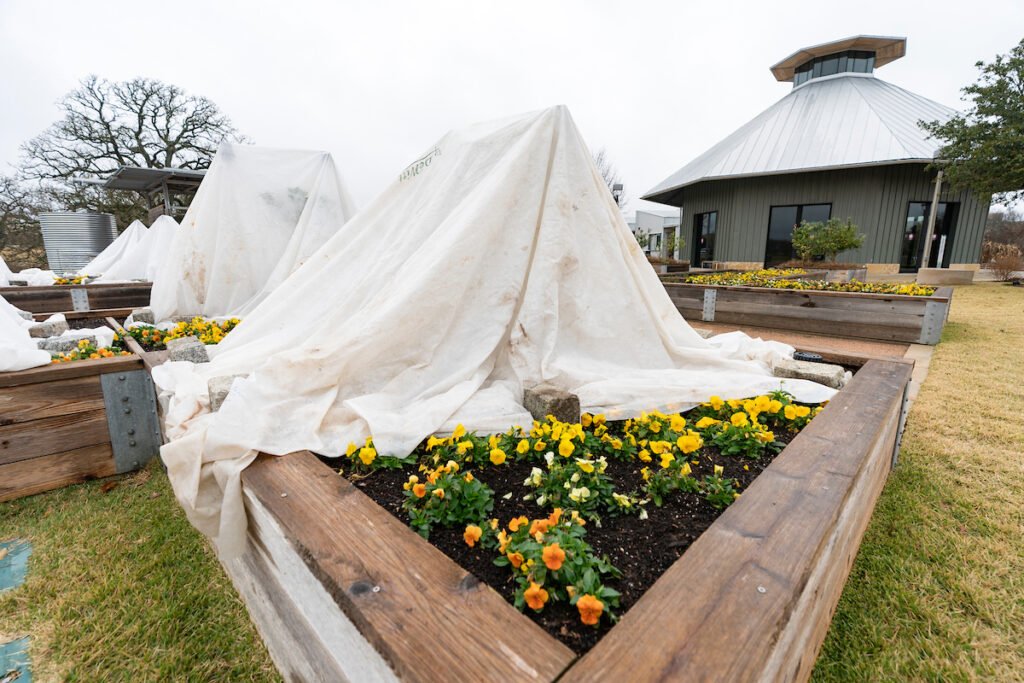
- Temporary Row Covers: Lightweight fabrics protect crops from direct raindrop impact while allowing air and light penetration.
- Tunnels and Mini Greenhouses: Transparent covers reduce leaf damage, soil compaction, and fungal disease development.
- Mulch Mats: Biodegradable mats or cardboard around plant bases prevent soil erosion and splash-borne pathogens.
Structural interventions mitigate physical and moisture-related damage effectively.
6. Water Management Strategies
Even during heavy rains, controlling water around plants is crucial:
- Diversion Channels: Small trenches or furrows direct excess water away from root zones.
- Rain Gardens: Strategically designed depressions absorb runoff and prevent standing water in vegetable beds.
- Drainage Layers: Incorporating coarse sand or gravel at the base of raised beds improves water movement and prevents stagnation.
Proper water management prevents waterlogging, reduces fungal infections, and supports healthy root development.
7. Nutrient Management Post-Rain
Heavy rain can leach nutrients from the soil:
- Organic Fertilizers: Light top-dressing with compost or vermicompost replenishes nutrients without chemical use.
- Liquid Plant Teas: Infusions of comfrey or nettle supply fast-acting nutrients to stressed plants.
- Soil Testing: Monitor pH and nutrient levels to adjust amendments as needed.
Maintaining balanced nutrition ensures rapid recovery and sustained growth after heavy rainfall.
8. Mulching for Rain Protection
Mulching is a simple yet effective way to protect vegetables:
- Soil Erosion Prevention: Thick mulch layers prevent topsoil from washing away.
- Moisture Regulation: Retains adequate moisture while preventing waterlogging.
- Disease Reduction: Organic mulch prevents direct leaf contact with wet soil, reducing fungal infection.
- Temperature Stabilization: Mulch insulates roots during fluctuating weather conditions.
Consistent use of organic mulch strengthens soil and plant resilience.
9. Pruning and Canopy Management
Maintaining plant structure reduces rain-related damage:
- Prune Excess Foliage: Opens up plant canopy for better air circulation, reducing fungal risks.
- Support Staking: Use stakes or trellises for tall or fruiting crops to prevent breakage under heavy rain.
- Remove Damaged Leaves: Cut off water-damaged or diseased leaves promptly to prevent spread.
Pruning and support structures enhance plant stability and minimize water stress.
10. Pest and Disease Management
Heavy rainfall increases vulnerability to pests and diseases:
- Fungal Infections: Powdery mildew, downy mildew, and blight thrive in wet conditions.
- Natural Control Methods: Neem oil sprays, garlic-infused water, or mild soap solutions control pests and fungal growth organically.
- Regular Monitoring: Inspect plants after rains for signs of disease and intervene early.
- Airflow Improvement: Spacing and pruning reduce moisture accumulation and fungal proliferation.
Proactive management prevents widespread damage and maintains plant health.
11. Companion Planting for Rain Protection
Companion planting can mitigate rain impact:
- Tall Plants as Shields: Corn or sunflowers can protect sensitive crops from heavy downpours.
- Ground Covers: Fast-growing leafy plants reduce soil splash and erosion.
- Nitrogen-Fixing Plants: Legumes enrich soil and support recovery from nutrient leaching.
Combining crops strategically provides natural protection and sustains soil fertility.
12. Seasonal Garden Preparation
Preparing the garden for rainy seasons reduces future risk:
- Plan Crop Rotation: Rotate water-sensitive crops to areas with better drainage.
- Pre-Rain Soil Conditioning: Apply organic matter and mulch before expected heavy rainfall.
- Evaluate Garden Layout: Ensure raised beds, channels, and structural supports are ready.
Preparation improves resilience and minimizes potential damage during peak rainy periods.
13. Monitoring and Post-Rain Care
After heavy rainfall, active garden management is essential:
- Inspect for Damage: Look for uprooted plants, leaf damage, or waterlogged soil.
- Aerate Soil: Gently loosen soil in beds to improve oxygen availability.
- Reapply Mulch: Restore mulch layers displaced by heavy rain.
- Adjust Watering: Reduce supplemental watering until soil moisture stabilizes.
Timely post-rain care ensures rapid recovery and continued growth.
14. Benefits of Protecting Vegetables from Heavy Rain
- Reduced Crop Loss: Minimizes plant stress, physical damage, and disease prevalence.
- Soil Health Maintenance: Prevents erosion, nutrient leaching, and compaction.
- Improved Yield and Quality: Healthy plants produce larger, disease-free vegetables.
- Sustainable Gardening: Chemical-free protection methods promote long-term garden health.
Protective measures ensure a productive, resilient vegetable garden despite extreme weather events.
Conclusion
Heavy rainfall, though vital for plant growth, can significantly damage vegetable gardens if not managed carefully. Protecting vegetables requires a combination of soil preparation, drainage management, structural interventions, mulch application, and organic pest and disease control. Selecting rain-tolerant crops, providing proper support, and strategically managing garden layout enhances resilience and minimizes damage.
By employing proactive measures such as raised beds, diversion channels, companion planting, and organic nutrient supplementation, gardeners can mitigate the adverse effects of heavy rain. Post-rain monitoring and care further promote recovery and sustained productivity.
Ultimately, chemical-free, sustainable strategies allow vegetable gardens to thrive during periods of excessive rainfall, ensuring healthy plants, higher yields, and long-term soil fertility. Protecting vegetables from heavy rain is not only a practical necessity but also a cornerstone of resilient, eco-friendly gardening.