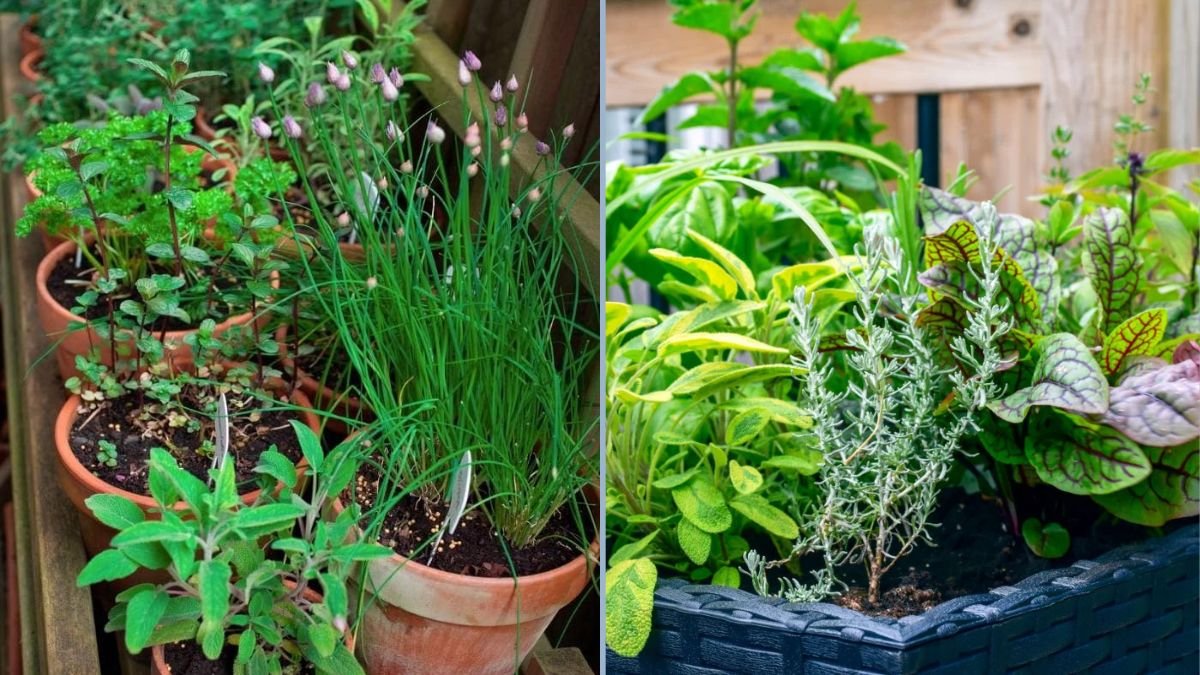
Container gardening provides an accessible and flexible way to grow herbs, particularly during the summer months when outdoor gardens may face challenges such as heat, drought, and limited space. Summer herbs thrive in warm conditions, often require minimal care, and can be cultivated successfully in small spaces such as patios, balconies, or windowsills. Container gardening also allows precise control over soil quality, watering, and light, making it ideal for busy urban gardeners or those seeking a continuous supply of fresh herbs for culinary use.
This article explores easy-to-grow summer herbs suitable for container gardening, along with detailed guidance on soil, containers, watering, light, pruning, pest management, and sustainable, chemical-free cultivation practices.
1. Selecting Easy Summer Herbs
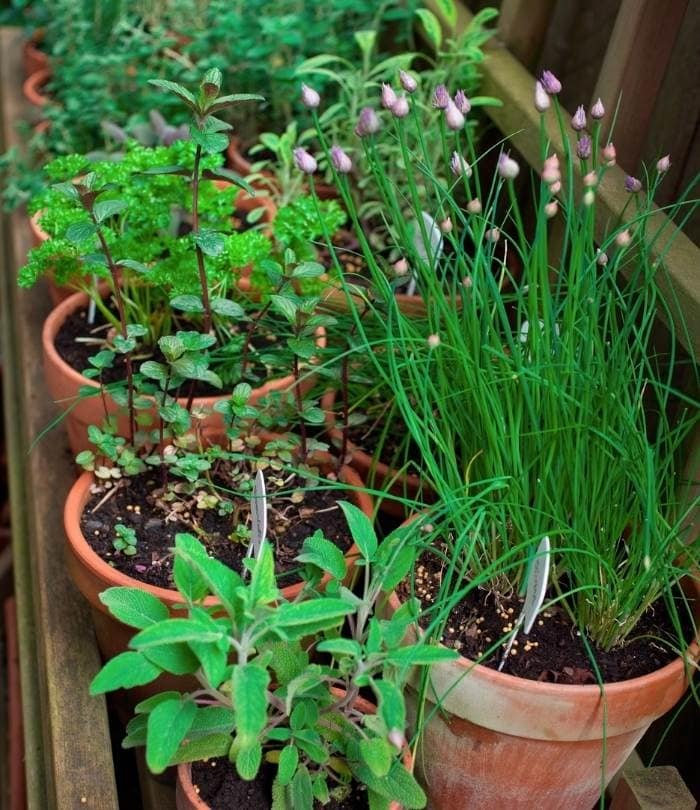
Summer herbs are typically heat-tolerant, drought-resistant, and fast-growing. Choosing appropriate varieties ensures success in container cultivation.
a. Basil (Ocimum basilicum)
- Characteristics: Aromatic leaves with a sweet or spicy flavor, ideal for salads, sauces, and garnishes.
- Growth: Thrives in warm temperatures and full sunlight; grows well in containers.
- Care: Regular pinching encourages bushier growth and prevents flowering.
b. Parsley (Petroselinum crispum)
- Characteristics: Mild, versatile herb used in soups, salads, and garnishes.
- Growth: Prefers slightly cooler summer temperatures and partial shade in hotter climates.
- Care: Regular harvesting encourages continuous leaf production.
c. Chives (Allium schoenoprasum)
- Characteristics: Mild onion flavor; edible flowers enhance aesthetics.
- Growth: Tolerates heat and grows well in small pots or window boxes.
- Care: Cut leaves near the base; remove flowers for prolonged leaf production.
d. Mint (Mentha spp.)
- Characteristics: Invigorating aroma and flavor; used in beverages, desserts, and savory dishes.
- Growth: Spreads vigorously, making containers ideal to prevent garden invasions.
- Care: Trim regularly; keep soil evenly moist and partially shaded in extreme heat.
e. Oregano (Origanum vulgare)
- Characteristics: Strong flavor ideal for Mediterranean dishes and sauces.
- Growth: Thrives in full sun and well-draining soil; drought-tolerant.
- Care: Pinch tips to encourage bushy growth and prevent flowering.
f. Thyme (Thymus vulgaris)
- Characteristics: Aromatic, low-growing herb; culinary and medicinal uses.
- Growth: Tolerates high temperatures and full sun; ideal for shallow containers.
- Care: Prune regularly to prevent woody stems and maintain compact growth.
Selecting herbs that tolerate heat and adapt to container growth ensures continuous summer harvests.
2. Choosing Containers
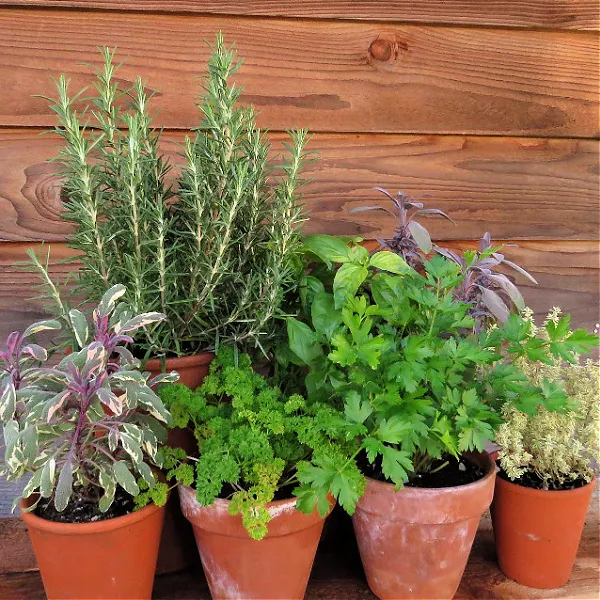
Containers are central to successful herb cultivation:
- Material: Terracotta, ceramic, and plastic are popular; terracotta offers good airflow but requires frequent watering.
- Size: 6–12 inches in diameter for most herbs; deeper containers for root-intensive herbs like parsley.
- Drainage: Ensure holes at the base to prevent waterlogging and root rot.
- Mobility: Lightweight or portable containers facilitate relocation for optimal sunlight and protection from extreme weather.
Proper container selection promotes root health and sustained growth.
3. Soil Preparation
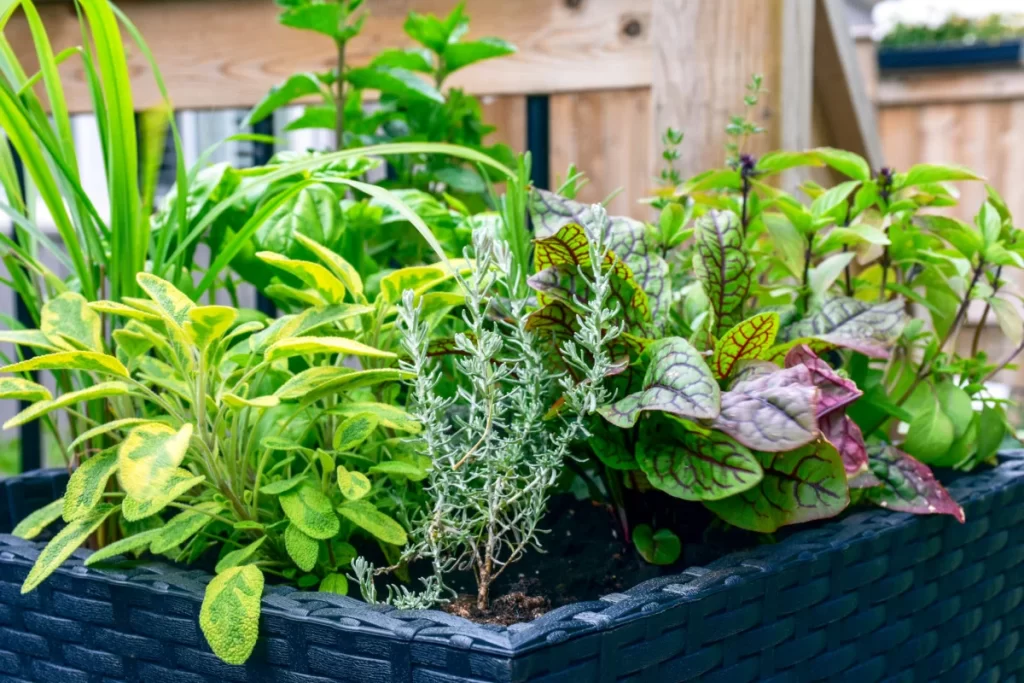
Herbs require well-draining, nutrient-rich soil:
- Soil Mix: A combination of compost, coconut coir, and vermicompost ensures light, aerated soil with adequate nutrients.
- pH Range: Slightly acidic to neutral (6.0–7.0) is optimal for most herbs.
- Amendments: Organic matter improves water retention and prevents compaction.
Healthy soil supports fast-growing, flavorful herbs and reduces the risk of disease.
4. Light Requirements
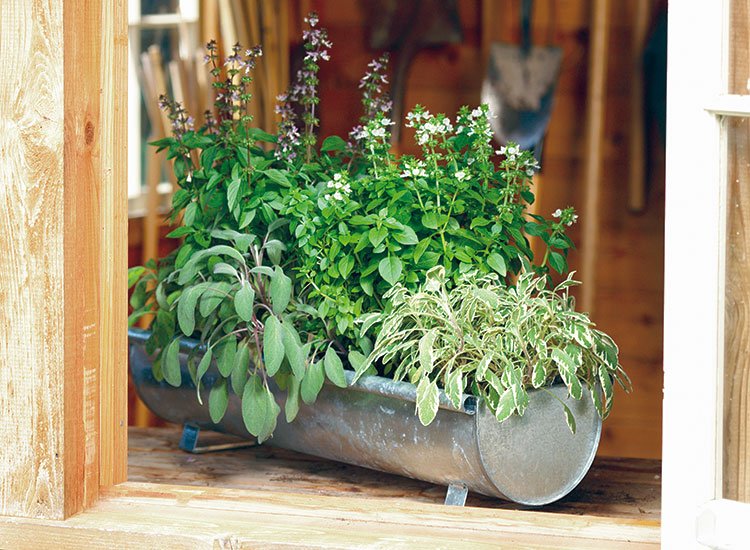
Sunlight is crucial for summer herbs:
- Full Sun: Most summer herbs, including basil, oregano, and thyme, require 6–8 hours of direct sunlight per day.
- Partial Shade: Parsley and mint benefit from afternoon shade in very hot climates.
- Indoor Cultivation: If natural sunlight is limited, supplement with LED grow lights for 12–16 hours daily.
Adequate light ensures strong, bushy plants and enhances aroma and flavor.
5. Watering Practices
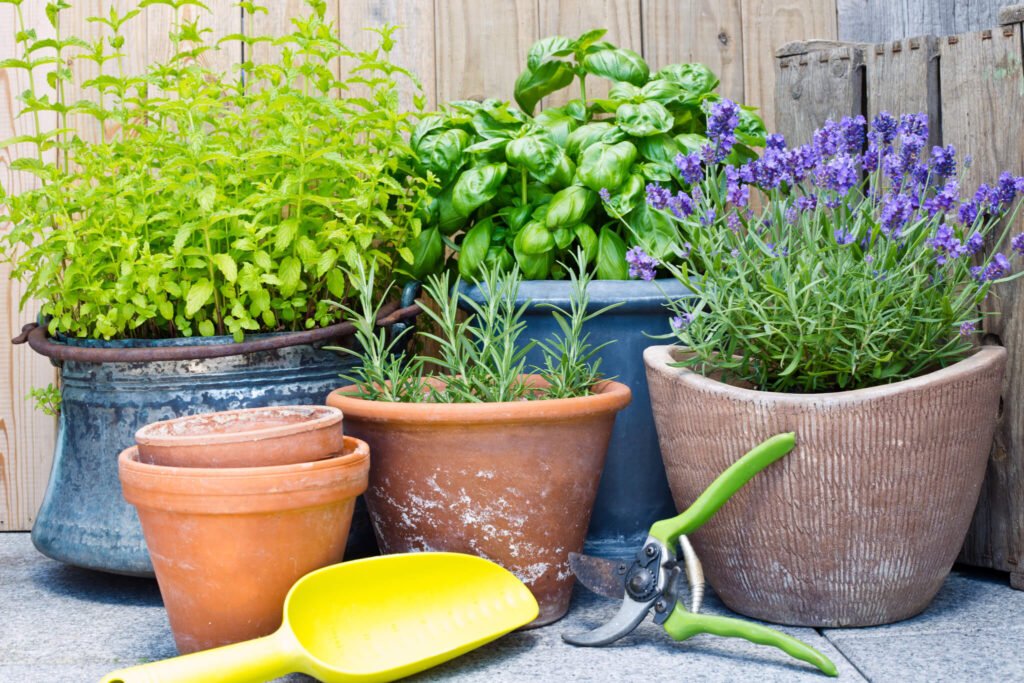
Water management is critical for container-grown herbs:
- Consistent Moisture: Keep soil evenly damp but avoid waterlogging.
- Watering Frequency: Shallow containers require more frequent watering during hot summer days.
- Mulching: Apply organic mulch (coconut coir, straw, or shredded leaves) to reduce evaporation and maintain soil temperature.
Proper watering prevents stress, encourages growth, and sustains vibrant foliage.
6. Fertilization and Nutrient Management
Organic fertilization supports continuous growth:
- Compost or Vermicompost: Provides essential nutrients and improves soil structure.
- Plant-Based Liquid Fertilizers: Infusions from comfrey, nettle, or moringa promote leaf and root development.
- Frequency: Light fertilization every 3–4 weeks is sufficient for container herbs.
Balanced nutrition ensures flavorful and robust herbs throughout summer.
7. Pruning and Harvesting Techniques
Regular pruning maintains plant health and prolongs harvest:
- Pinching Tips: Encourages bushy growth and prevents premature flowering.
- Leaf Harvesting: Harvest outer leaves first, leaving inner growth intact.
- Flower Management: Remove flowers in culinary herbs to redirect energy to leaf production.
Pruning enhances yield, aroma, and the longevity of summer herbs.
8. Pest and Disease Management
Even container herbs are susceptible to pests and diseases:
- Common Pests: Aphids, spider mites, and whiteflies may appear.
- Organic Solutions: Neem oil sprays, garlic-infused water, or mild soap solutions control pests without chemicals.
- Sanitation: Remove damaged leaves, clean pots, and maintain airflow to prevent fungal diseases.
Chemical-free pest management ensures healthy plants and continuous harvests.
9. Companion Planting in Containers
Combining compatible herbs enhances growth:
- Basil and Oregano: Promote mutual growth and deter some pests.
- Mint in Separate Containers: Prevents overgrowth while complementing other herbs nearby.
- Thyme and Rosemary: Compact herbs can share larger containers for space efficiency.
Companion planting maximizes space, reduces pests, and enhances herb productivity.
10. Seasonal Maintenance Tips
Summer conditions can stress container herbs:
- Shade During Heat Peaks: Use temporary shade cloths to protect sensitive herbs.
- Regular Water Checks: Monitor moisture levels multiple times daily in extreme heat.
- Soil Replenishment: Refresh container soil with compost or organic amendments mid-season.
- Rotation: Move containers to optimize sunlight and airflow.
Seasonal attention ensures resilient, productive herbs throughout the summer.
11. Benefits of Growing Summer Herbs in Containers
- Fresh, Culinary Herbs: Continuous supply for cooking, salads, and teas.
- Space Efficiency: Ideal for small patios, balconies, and indoor setups.
- Sustainable Gardening: Minimizes water use, reduces soil dependency, and avoids chemical fertilizers.
- Aesthetic Value: Enhances living spaces with greenery and fragrance.
- Mental Well-Being: Gardening reduces stress and promotes mindfulness.
Container gardening allows easy access to fresh herbs while supporting eco-friendly and enjoyable gardening practices.
12. Troubleshooting Common Problems
- Leggy Growth: Often caused by insufficient sunlight; relocate or supplement with grow lights.
- Yellowing Leaves: May indicate overwatering or nutrient deficiency; adjust water and fertilization.
- Wilting in Heat: Provide shade, mulch, and more frequent watering.
- Pest Infestation: Apply organic sprays, remove affected leaves, and ensure airflow.
Early identification and correction maintain healthy, productive herbs.
13. Innovative Container Gardening Ideas
- Vertical Herb Towers: Stackable containers maximize small spaces.
- Windowsill Gardens: Ideal for sunlight and easy access to culinary herbs.
- Self-Watering Planters: Reduce the need for frequent watering in hot weather.
- Mixed Herb Pots: Combine complementary herbs for aesthetic and culinary benefits.
Creative container setups enhance space efficiency, aesthetics, and harvest productivity.
14. Conclusion
Growing easy summer herbs in containers provides a flexible, sustainable, and highly rewarding gardening option. By selecting heat-tolerant herbs such as basil, parsley, mint, oregano, chives, and thyme, gardeners can enjoy continuous harvests of fresh, flavorful herbs throughout the summer. Proper container selection, soil preparation, light management, consistent watering, and organic nutrient provision ensure vigorous growth and enhanced flavor.
Pruning, pest management, companion planting, and seasonal maintenance techniques further enhance productivity and plant health. Container gardening is particularly advantageous in urban and limited-space environments, offering easy access to culinary herbs, improved aesthetics, and a sustainable approach to gardening.
Through careful planning and attention to plant needs, container-grown summer herbs transform patios, balconies, and indoor spaces into lush, productive gardens, providing freshness, nutrition, and enjoyment all season long.