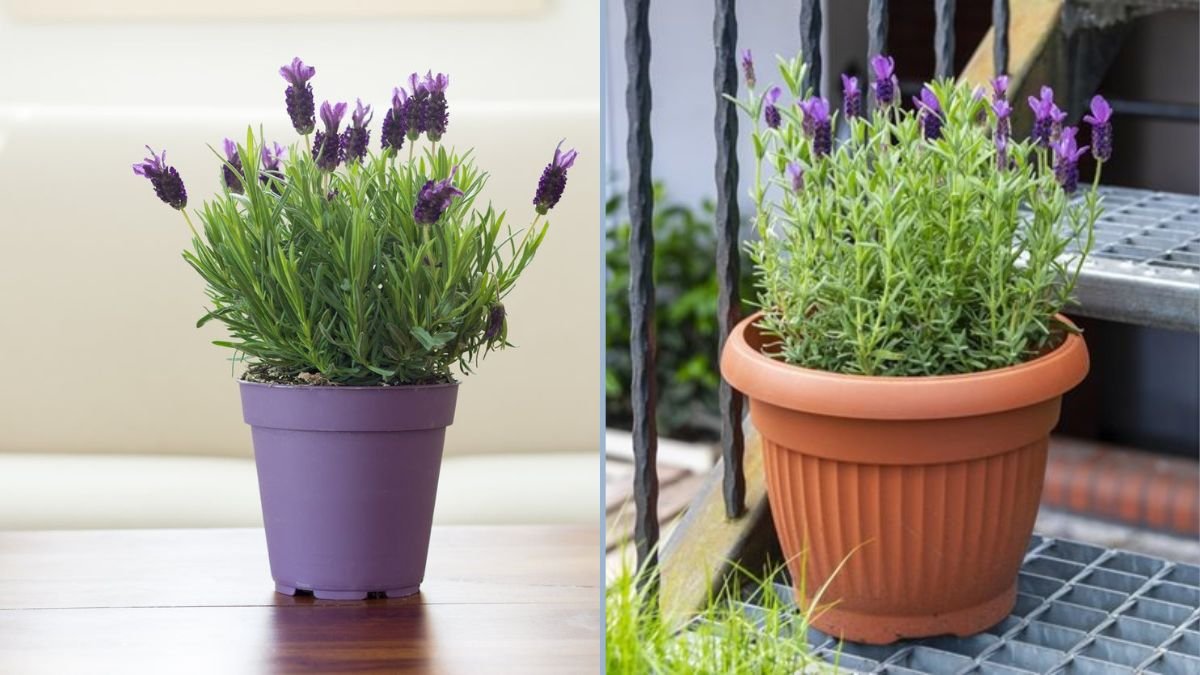
Lavender (Lavandula spp.) is a fragrant, versatile herb widely celebrated for its calming aroma, ornamental beauty, and culinary applications. While traditionally grown outdoors in gardens and fields, certain lavender varieties are exceptionally suited for indoor cultivation, allowing gardeners and home cooks to enjoy year-round access to fresh, aromatic leaves and flowers. Indoor lavender adds elegance, visual appeal, and a delightful fragrance to kitchens and living spaces while enhancing plant-based dishes, desserts, teas, and infused oils.
This article explores comprehensive methods for growing lavender indoors, including variety selection, container choice, soil preparation, light and water requirements, pruning, propagation, harvesting, storage, and culinary applications. Following these practices ensures healthy growth, continuous harvest, and optimal flavor and aroma for culinary use.
1. Understanding Lavender
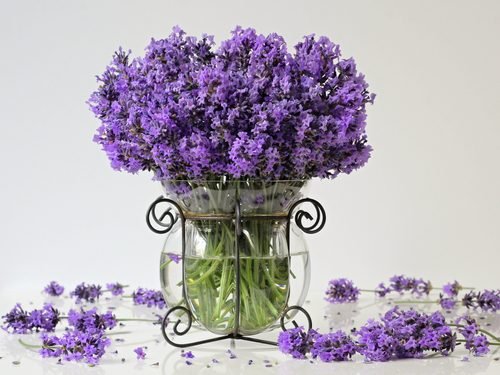
Lavender belongs to the mint family (Lamiaceae) and is native to the Mediterranean region. Known for its gray-green foliage and purple flowers, lavender produces aromatic oils that are widely used in cooking, herbal teas, and desserts.
Key Characteristics
- Evergreen shrub with woody stems and narrow, silvery-green leaves
- Aromatic, edible flowers and foliage
- Hardy, drought-tolerant, and adaptable to container growth
- Rich in antioxidants, vitamins, and bioactive compounds
Understanding lavender’s growth requirements allows for successful indoor cultivation and optimal culinary value.
2. Choosing the Right Lavender Variety for Indoors
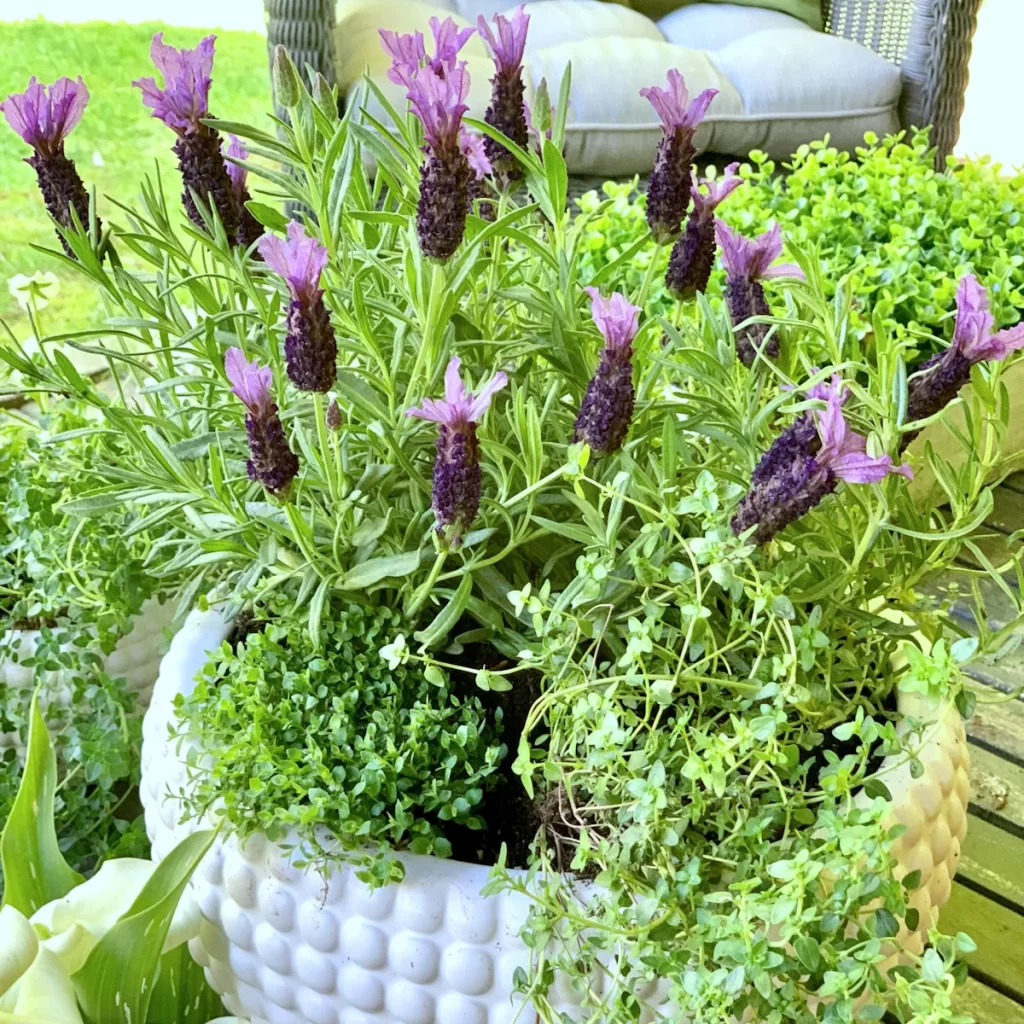
Not all lavender varieties thrive indoors. Compact, slow-growing types are best suited for container cultivation.
Recommended Indoor Varieties
- English Lavender (Lavandula angustifolia): Compact, fragrant, and ideal for culinary use
- French Lavender (Lavandula dentata): Decorative foliage and slightly milder aroma
- Lavandin (Lavandula x intermedia): Hardy, prolific flowering, suitable for infused oils and desserts
Selecting the right variety ensures manageable size, abundant blooms, and aromatic foliage suitable for cooking.
3. Choosing Containers for Indoor Lavender
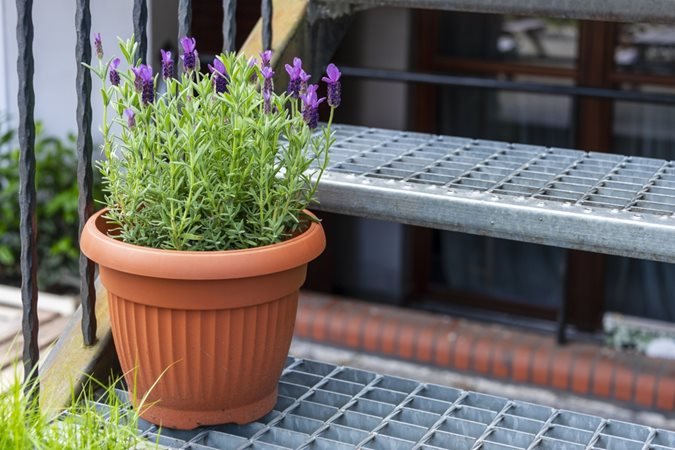
Proper container selection supports root health and growth.
Container Requirements
- Size: Minimum 8–10 inches deep and wide; lavender has a moderately deep root system
- Material: Terracotta or ceramic containers; terracotta helps soil dry efficiently
- Drainage: Essential—containers must have drainage holes to prevent root rot
Container Arrangement
- Single lavender plant per pot for optimal growth
- Decorative pots can enhance kitchen aesthetics while maintaining proper root space
Choosing the right container ensures proper drainage, aeration, and compact growth indoors.
4. Soil Requirements
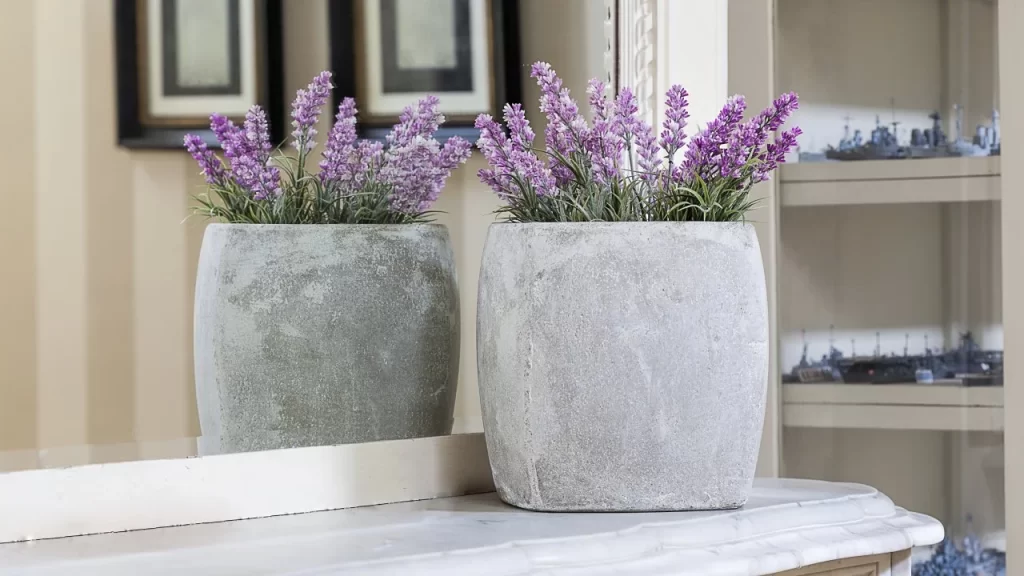
Lavender thrives in well-draining soil, preventing waterlogging that can damage roots.
Soil Guidelines
- Use a sandy, loamy, plant-based potting mix
- Add perlite or coarse sand to enhance drainage
- Avoid heavy, moisture-retaining soils
Soil Layering
- Drainage layer: Small pebbles at the base of the pot
- Potting mix: Nutrient-rich, well-draining medium
- Soil level: Leave 1–2 inches below rim to prevent overflow during watering
Proper soil preparation supports strong root systems, healthy foliage, and abundant blooms.
5. Light Requirements for Indoor Lavender
Lavender requires bright light to thrive indoors and produce flavorful leaves and aromatic flowers.
Light Guidelines
- Direct Sunlight: 6–8 hours daily from a south- or west-facing window
- Supplemental Lighting: LED grow lights for 12–14 hours in low-light conditions
- Rotation: Rotate pots weekly for even light exposure and uniform growth
Adequate light prevents leggy growth, enhances essential oil production, and promotes flowering.
6. Watering Lavender Indoors
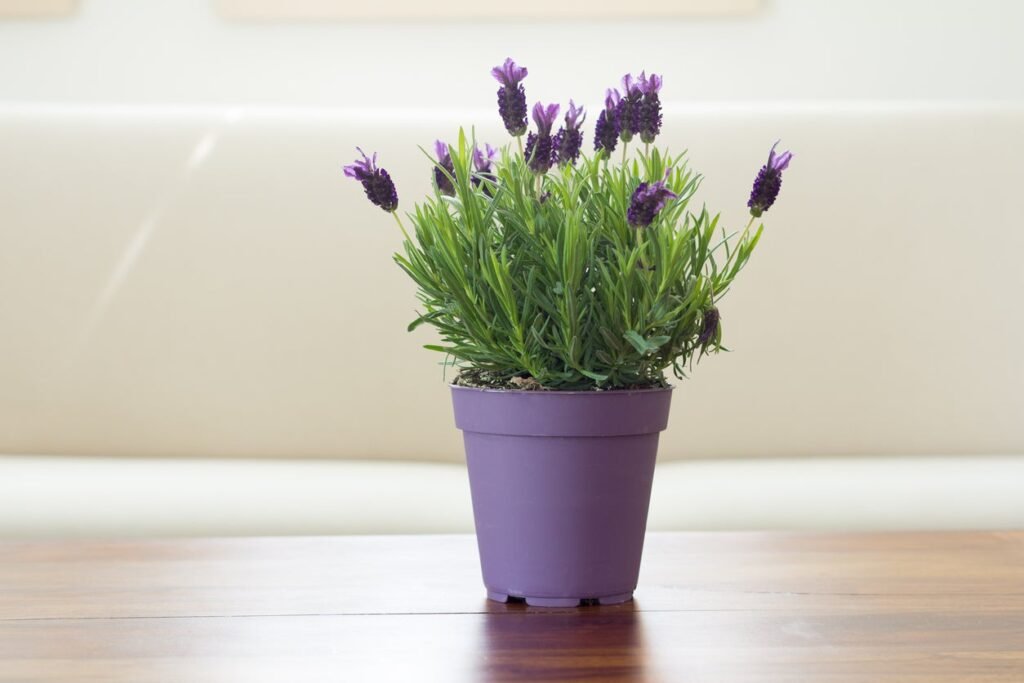
Lavender is drought-tolerant and prefers slightly dry soil conditions.
Watering Guidelines
- Water only when the top 1–2 cm of soil is dry
- Avoid overwatering, which can cause root rot and fungal growth
- Ensure containers have drainage holes to allow excess water to escape
Indicators of Proper Moisture
- Leaves remain firm, aromatic, and silvery-green
- Soil is moist but not soggy
- Stems are woody and upright
Moderate, infrequent watering promotes strong growth and essential oil production.
7. Temperature and Humidity
Maintaining appropriate indoor temperature and humidity supports healthy lavender growth.
Temperature
- Ideal range: 18–24°C (65–75°F)
- Avoid drafts from air conditioning or heaters that dry the soil excessively
Humidity
- Prefers low to moderate humidity
- Ensure good air circulation around the plant to prevent fungal infections
Creating a stable environment mimics Mediterranean conditions, promoting healthy foliage and flowering.
8. Fertilization
Lavender requires minimal fertilization for indoor growth.
Fertilization Guidelines
- Use plant-based compost tea or diluted organic fertilizer once every 4–6 weeks
- Avoid excessive fertilization, which can reduce aroma and promote weak, leafy growth
- Light feeding ensures sustained growth and optimal essential oil concentration
Balanced nutrition supports strong stems, aromatic leaves, and vibrant flowers.
9. Pruning and Maintenance
Regular pruning encourages bushy growth, improves airflow, and enhances leaf flavor.
Pruning Tips
- Trim 1–2 inches after flowering to maintain shape and stimulate new growth
- Remove dead or damaged stems
- Avoid cutting into woody base too heavily, as it may slow recovery
Maintenance
- Inspect for pests such as spider mites or aphids
- Ensure adequate airflow and sunlight to reduce fungal issues
- Rotate pots for even growth and sunlight exposure
Routine maintenance ensures productive, aromatic lavender plants suitable for culinary use.
10. Propagation
Propagation ensures a continuous supply of lavender for cooking and indoor decoration.
Propagation Methods
- Stem Cuttings: Take 3–4 inch healthy stems, remove lower leaves, root in water or moist soil, then transplant
- Division: Separate established plants in spring and repot individually
- Seed Sowing: Sow seeds in well-draining soil, maintain moisture until germination (2–4 weeks)
Propagation allows gardeners to expand their indoor lavender collection sustainably.
11. Harvesting Lavender for Cooking
Proper harvesting maximizes flavor, aroma, and essential oils.
Harvesting Guidelines
- Harvest in the morning when essential oils are most concentrated
- Cut stems just above a leaf node or before full bloom for best flavor
- Avoid removing more than one-third of the plant at a time to maintain growth
Frequent, careful harvesting ensures year-round supply of fresh, aromatic lavender.
12. Storing Fresh Lavender
Lavender can be used fresh, dried, or infused for later culinary use.
Short-Term Storage
- Wrap in damp paper towels and refrigerate for 2–3 days
- Store stems upright in water jars for longer freshness
Long-Term Storage
- Dry flowers and leaves in a low-temperature dehydrator or air dry, store in airtight jars
- Freeze flowers in ice cube trays with plant-based liquids for infusions and desserts
Proper storage preserves aroma, flavor, and bioactive compounds for extended culinary use.
13. Culinary Uses of Indoor Lavender
Lavender is a versatile herb for plant-based cooking:
- Herbal Teas and Infusions: Combine with chamomile, mint, or lemon balm
- Desserts: Infuse in sugar, syrups, or plant-based milk for cookies, cakes, and puddings
- Savory Dishes: Use sparingly in roasted vegetables, grains, or plant-based sauces
- Herb Blends: Combine with rosemary, thyme, and oregano for aromatic plant-based cooking
- Infused Oils and Vinegars: Add lavender for flavoring dressings or marinades
Indoor-grown lavender ensures fresh, aromatic leaves and flowers are always available for culinary experimentation.
14. Benefits of Growing Lavender Indoors
- Aromatic Freshness: Continuous supply of fragrant leaves and flowers
- Culinary Versatility: Enhances plant-based dishes, teas, and desserts
- Aesthetic Appeal: Adds beauty, texture, and color to indoor spaces
- Stress Reduction: Lavender aroma promotes relaxation and well-being
- Sustainability: Reduces reliance on dried, store-bought lavender
- Educational Value: Provides experience with plant care, propagation, and indoor gardening
Indoor lavender enriches both the kitchen and living environment with flavor, aroma, and visual appeal.
15. Common Mistakes to Avoid
- Overwatering or poor drainage leading to root rot
- Insufficient light causing leggy growth and reduced aroma
- Ignoring pruning, resulting in woody, sparse plants
- Cutting too heavily into woody stems
- Neglecting pest monitoring and airflow, which can cause fungal infections
Avoiding these mistakes ensures healthy, productive indoor lavender plants.
16. Conclusion
Growing lavender indoors is both practical and rewarding for gardeners and plant-based cooks. By selecting compact, aromatic varieties, providing proper containers, well-draining soil, adequate light, and moderate watering, indoor lavender can thrive year-round. Regular pruning, propagation, harvesting, and proper storage ensure a continuous supply of fragrant leaves and flowers for culinary use.
Indoor lavender enhances plant-based cooking, desserts, and herbal infusions while adding aesthetic charm and aroma to living spaces. By following sustainable, careful gardening practices, even small indoor areas can host thriving lavender plants, making this versatile herb a valuable addition to any kitchen herb collection.