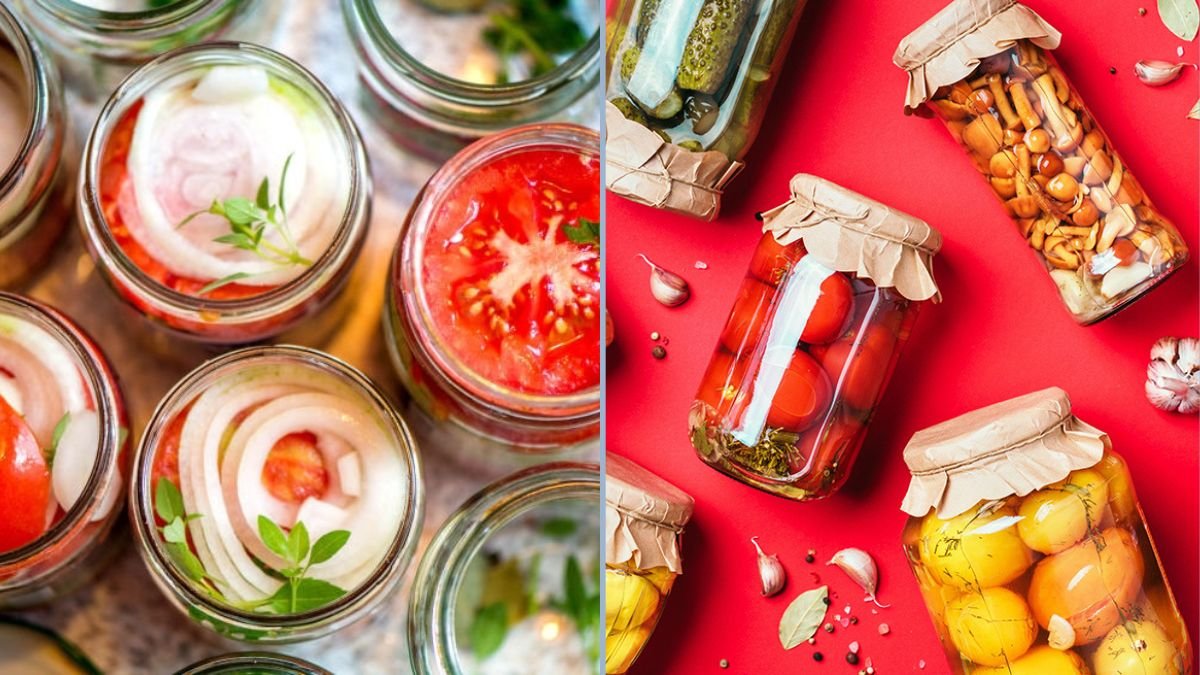
Urban gardening and small-space cultivation have become increasingly popular as people seek sustainable ways to grow their own fresh food. Mason jars, traditionally used for preserving food, have emerged as a practical and attractive solution for growing vegetables indoors. With their transparent walls, compact size, and versatility, mason jars offer a creative approach to container gardening, making it possible to grow nutritious vegetables even in apartments, kitchens, or classrooms.
This article provides a detailed guide for growing vegetables in mason jars, covering vegetable selection, jar preparation, soil and light requirements, watering, fertilization, maintenance, harvesting, and creative culinary applications. By following these guidelines, gardeners can maximize productivity while enjoying the aesthetic appeal of glass container gardening.
1. Benefits of Growing Vegetables in Mason Jars
Growing vegetables in mason jars offers several advantages:
- Space Efficiency: Perfect for limited indoor spaces like kitchens, balconies, or windowsills
- Visual Appeal: Transparent jars allow you to see soil layers and root development
- Accessibility: Easy to manage and harvest from a small container
- Sustainability: Encourages the use of repurposed jars and home-grown produce
- Freshness: Provides a continuous supply of fresh, plant-based ingredients
Mason jars combine functionality and beauty, making them an excellent choice for urban and indoor gardeners.
2. Choosing Vegetables for Mason Jars
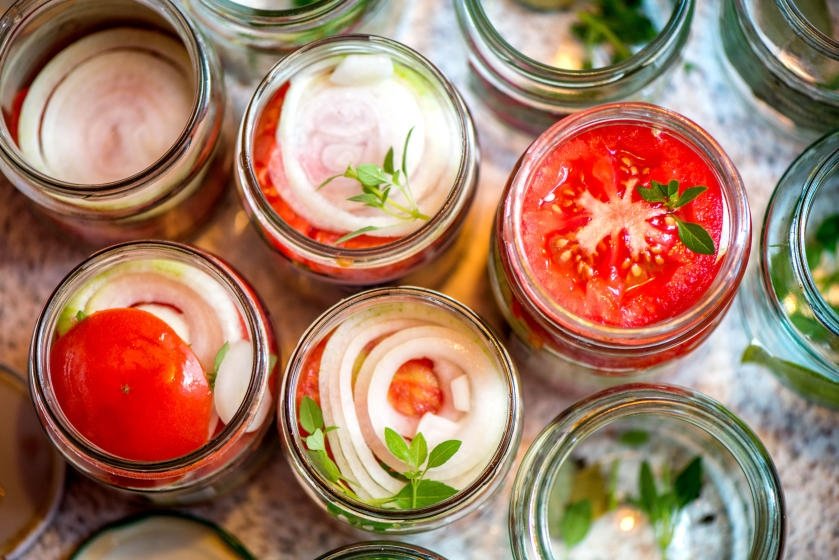
Not all vegetables thrive in small containers. Ideal choices are compact, fast-growing, and shallow-rooted varieties:
- Leafy Greens: Lettuce, spinach, arugula, and kale
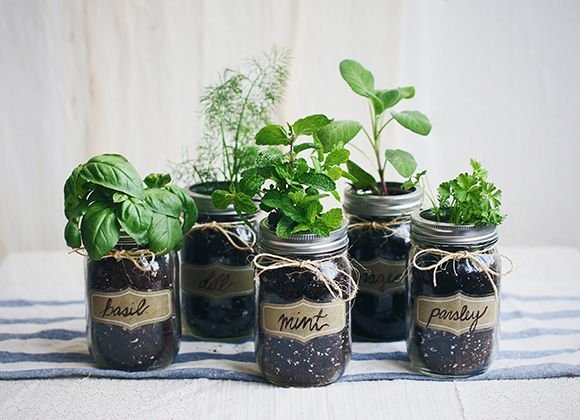
- Herbs: Basil, parsley, cilantro, chives, and mint
- Root Vegetables: Radishes, baby carrots, and green onions
- Microgreens: Broccoli, sunflower, mustard, and beet microgreens
These vegetables are well-suited for mason jars, providing quick harvests and tender leaves for salads, smoothies, and cooking.
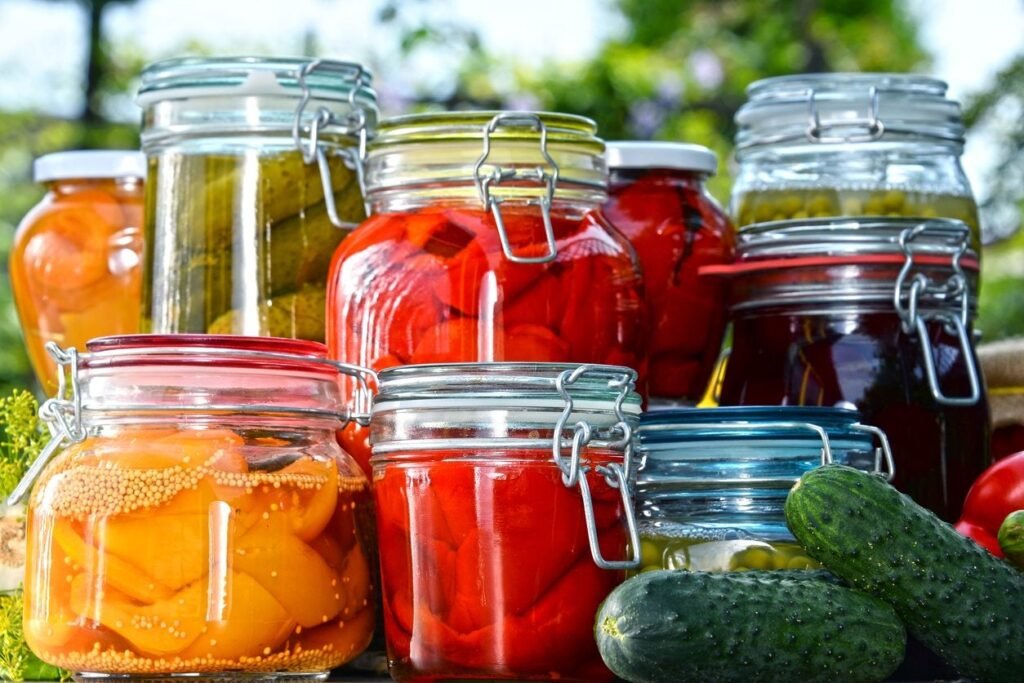
3. Preparing Mason Jars for Planting
Proper jar preparation is essential for successful growth:
Steps
- Select the Jar Size: 16–32 oz jars are ideal for leafy greens and herbs; larger jars can accommodate root vegetables
- Create Drainage: Place a layer of small pebbles, gravel, or coarse sand at the bottom to prevent waterlogging
- Add Soil: Use a well-draining, nutrient-rich potting mix, leaving 1–2 inches below the rim
- Optional: Use a layer of activated charcoal to reduce odor and prevent mold in indoor environments
Proper jar preparation ensures healthy roots, reduces the risk of overwatering, and supports strong vegetable growth.
4. Soil Requirements
Soil quality is critical in container gardening:
- Texture: Use light, airy potting mix that retains moisture without becoming soggy
- Nutrients: Add organic compost or slow-release plant-based fertilizer to support growth
- pH Level: Slightly acidic to neutral soil (pH 6.0–7.0) is optimal for most vegetables
Healthy soil provides essential nutrients, promotes root development, and ensures nutrient-rich produce.
5. Light Requirements
Adequate light is essential for photosynthesis and vibrant vegetable growth.
- Natural Light: Place jars near south- or west-facing windows for at least 6 hours of sunlight per day
- Artificial Light: Use LED grow lights for 12–16 hours daily in low-light indoor conditions
- Rotation: Turn jars regularly to ensure even light distribution and avoid leaning or uneven growth
Consistent light encourages compact, bushy growth, strong stems, and flavorful leaves.
6. Watering and Humidity
Mason jar vegetables require careful watering due to limited drainage:
- Water lightly when the top 1–2 cm of soil feels dry
- Avoid overwatering, which can cause root rot or mold
- Mist leafy greens to maintain humidity and prevent wilting
Transparent jars allow you to monitor soil moisture visually, making it easier to maintain optimal conditions.
7. Fertilization
Vegetables in mason jars require periodic fertilization due to limited soil nutrients:
- Use plant-based liquid fertilizers or compost tea every 2–4 weeks
- Avoid over-fertilizing, which can lead to excessive leafy growth or nutrient imbalances
- Slow-release organic fertilizers can also provide steady nutrients over time
Proper fertilization ensures healthy, nutrient-rich vegetables for salads and cooking.
8. Maintenance and Care
Regular maintenance is crucial for thriving indoor vegetables:
- Pruning: Remove yellow or damaged leaves to encourage new growth
- Pest Control: Check for aphids, spider mites, or mold; use natural remedies like neem oil or mild soapy water if needed
- Airflow: Ensure good ventilation to reduce humidity and prevent fungal growth
- Support: Use stakes or small supports for taller plants like green onions or herbs
Routine care keeps plants healthy, productive, and visually appealing.
9. Propagation Techniques
Many vegetables can be propagated to sustain a continuous harvest:
- Leafy Greens and Herbs: Use cuttings or leaves to grow new plants
- Root Vegetables: Some root ends, such as green onions, can regrow when placed in water and then transplanted
- Seeds: Sow directly in the jar for vegetables like radishes, microgreens, and leafy greens
Propagation ensures year-round availability of fresh vegetables and maximizes jar productivity.
10. Harvesting Vegetables in Mason Jars
Proper harvesting encourages regrowth and ensures continuous yield:
- Leafy Greens: Harvest outer leaves first, leaving inner leaves to mature
- Herbs: Trim stems regularly to maintain compact growth and prevent flowering
- Root Vegetables: Harvest when they reach the desired size; baby carrots or radishes can be pulled individually
Frequent harvesting provides a continuous supply of fresh, tender leaves and vegetables.
11. Creative Culinary Uses
Vegetables grown in mason jars are ideal for a variety of plant-based dishes:
- Salads: Fresh leafy greens, herbs, and microgreens add color, flavor, and nutrients
- Smoothies: Spinach, kale, or parsley can be blended into nutrient-rich beverages
- Stir-Fries: Use herbs like basil, cilantro, or chives to enhance flavor
- Snacking: Baby carrots, radishes, and herb stems can be used as fresh snacks
- Garnishing: Leaves and microgreens make elegant garnishes for soups, bowls, or sandwiches
Mason jar vegetables offer versatility and convenience for daily plant-based cooking.
12. Advantages of Mason Jar Gardening
- Accessibility: Perfect for indoor gardeners with limited space
- Sustainability: Reuses jars and reduces reliance on store-bought produce
- Aesthetic Value: Adds greenery and visual appeal to kitchens and indoor spaces
- Freshness: Provides continuous access to nutrient-rich vegetables
- Educational: Demonstrates root development and plant growth for beginners and children
- Creative Potential: Encourages experimentation with vertical or layered planting
Mason jar gardening is practical, educational, and visually appealing for modern indoor spaces.
13. Common Mistakes to Avoid
- Overwatering or using jars without drainage
- Insufficient light leading to leggy, weak growth
- Neglecting pruning and pest control
- Using oversized vegetables that outgrow jar size
- Ignoring nutrient needs due to limited soil volume
Avoiding these mistakes ensures productive, attractive, and healthy indoor vegetables.
14. Advanced Tips for Success
- Layered Planting: Use shallow-rooted vegetables with deeper-rooted herbs for multi-layer jars
- Companion Planting: Combine compatible vegetables like basil and spinach to enhance growth and flavor
- Decorative Jars: Use colored sand, pebbles, or layered soil for aesthetic appeal
- DIY Hydroponic Setup: Use mason jars for simple water-based propagation for herbs and microgreens
Creative approaches maximize productivity, visual appeal, and culinary variety.
15. Conclusion
Growing vegetables in mason jars is an innovative and practical solution for indoor gardening, particularly in limited spaces. By selecting suitable vegetables, preparing jars properly, providing nutrient-rich soil, adequate light, balanced watering, and practicing regular maintenance, gardeners can cultivate a continuous supply of fresh, nutritious produce.
Vegetables grown in mason jars enhance plant-based meals by providing vibrant flavors, textures, and nutrients. Whether used in salads, smoothies, stir-fries, or as garnishes, these home-grown vegetables support healthy eating, sustainability, and creative culinary expression. With proper care and experimentation, even small indoor spaces can become productive and beautiful vegetable gardens, proving that size does not limit the joy and benefits of growing your own food.