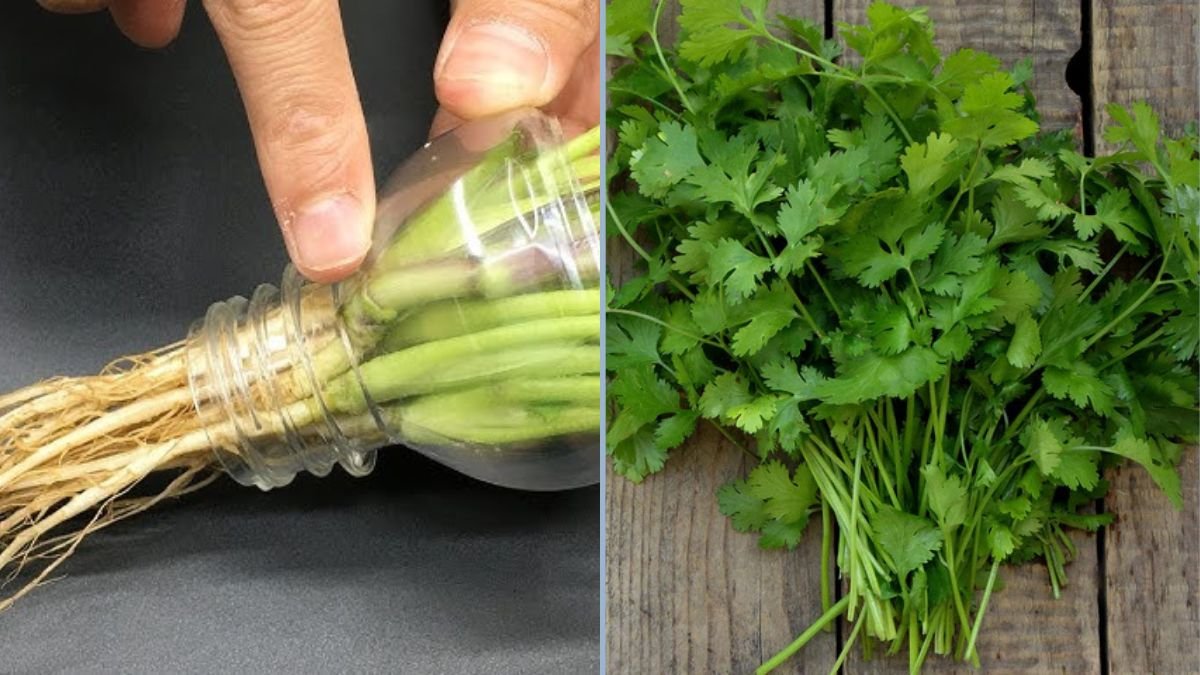
Cilantro, also known as coriander, is one of the most versatile herbs in the kitchen. From adding a fresh punch to salads, salsas, and soups to enhancing the flavors of curries and stir-fries, cilantro is a must-have for any home cook. However, many people find themselves frustrated with store-bought cilantro—it often wilts quickly, is expensive, and is rarely available fresh all year round.
The good news? You can grow cilantro at home like a pro, ensuring a continuous supply without spending a fortune. In this guide, we’ll explore step-by-step how to grow cilantro year-round, save money, and enjoy the freshest herbs possible.
Why Grow Cilantro at Home
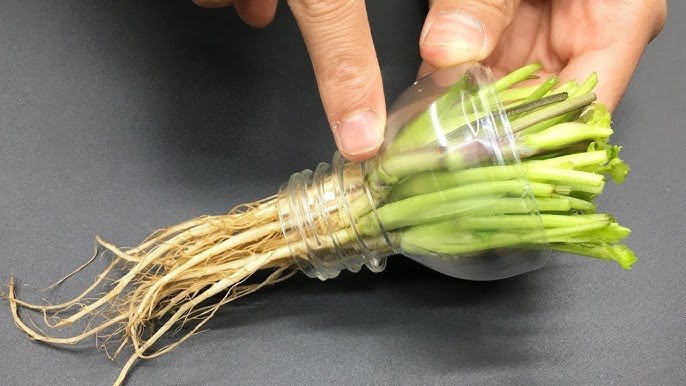
There are several reasons why growing your own cilantro is a smart choice:
- Freshness: Homegrown cilantro is far fresher than anything you can buy at the store. You can harvest it when you need it, maintaining its vibrant flavor.
- Cost-effective: Buying fresh herbs repeatedly adds up. Growing your own saves money over time.
- Convenience: You’ll have cilantro on hand whenever you need it, eliminating last-minute trips to the store.
- Pesticide-free: By growing your own, you control what goes into the soil and onto your plants, ensuring chemical-free produce.
- Sustainable: Reducing packaging and transportation of store-bought herbs contributes to a greener lifestyle.
Materials You’ll Need
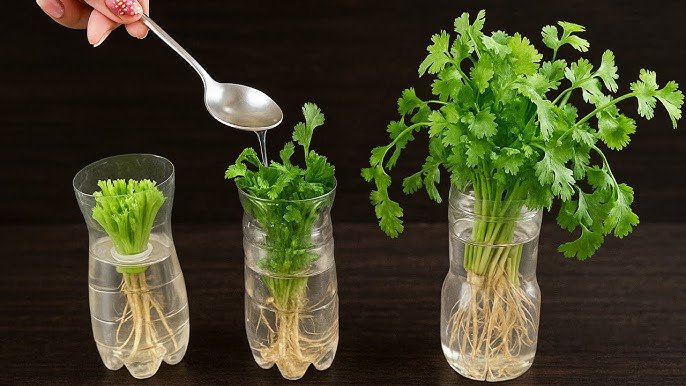
The beauty of growing cilantro is that it doesn’t require expensive tools or fancy soil. Here’s a list of essentials:
- Cilantro seeds: Buy fresh seeds from a nursery or online.
- Containers or pots: Choose pots with drainage holes. Cilantro prefers a depth of at least 6–8 inches.
- Potting soil: Use a well-draining, nutrient-rich soil mix.
- Watering can: Cilantro prefers consistent moisture but not soggy soil.
- Sunlight: Cilantro needs 4–6 hours of sunlight daily, but it tolerates partial shade.
- Optional fertilizer: A light organic liquid fertilizer can encourage faster growth.
With these materials, you’re ready to start your year-round cilantro garden.
Step 1: Choosing the Right Seeds
Cilantro grows best from seeds rather than cuttings. Look for seeds that are fresh and healthy. You can also buy certified organic seeds for better germination rates and chemical-free growth.
Step 2: Germinating the Seeds
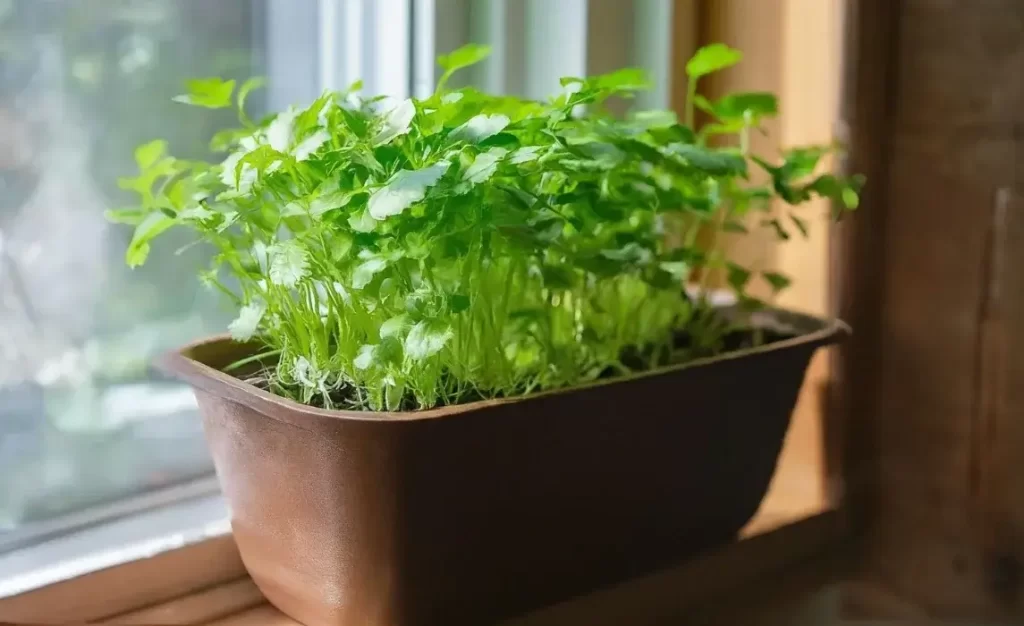
Germination is a crucial step for healthy cilantro. Here’s how to do it effectively:
- Soak the seeds in water for 12–24 hours to speed up germination.
- Fill your pots with potting soil, leaving about an inch of space at the top.
- Scatter the seeds evenly over the soil surface.
- Lightly cover the seeds with a thin layer of soil.
- Water gently using a spray bottle or fine mist.
Cilantro seeds typically sprout within 7–10 days under optimal conditions. Keep the soil consistently moist and ensure the pot is in a spot with indirect sunlight during germination.
Step 3: Transplanting and Spacing
Once seedlings have developed 2–3 true leaves, thin them out or transplant them into larger containers. Proper spacing ensures that each plant has enough room to grow without competing for nutrients or sunlight.
- Space plants about 4–6 inches apart in the container.
- Ensure the pot has good drainage to prevent root rot.
- Use a nutrient-rich soil mix to encourage healthy growth.
Step 4: Watering and Maintenance
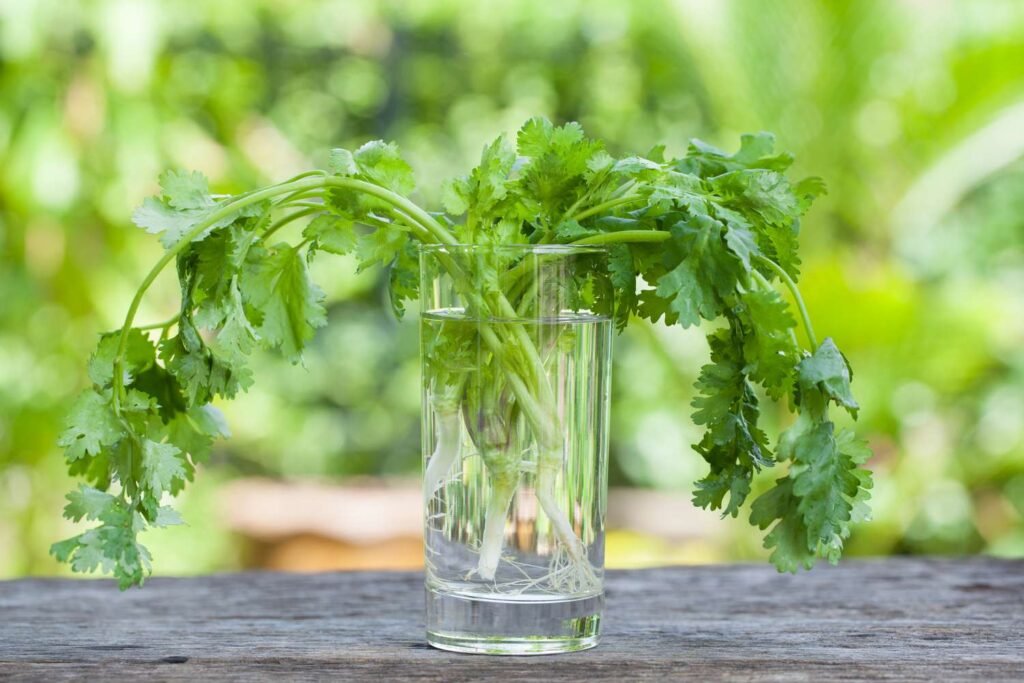
Cilantro thrives in consistently moist soil but doesn’t like being waterlogged. Here’s a simple care guide:
- Water regularly: Check soil daily and water when the top inch feels dry.
- Avoid overwatering: Waterlogging can cause root rot and yellow leaves.
- Mulch (optional): Mulching retains moisture and prevents the soil from drying out too quickly.
- Remove weeds: Keep the container free of competing plants to ensure cilantro gets enough nutrients.
Step 5: Sunlight and Temperature
Cilantro prefers cooler temperatures but can tolerate partial sun. Too much heat can cause it to bolt (flower prematurely), resulting in a bitter taste.
- Ideal temperature: 50–75°F (10–24°C).
- Sun exposure: 4–6 hours of sunlight daily; morning sun is preferable.
- Protection from heat: If growing in summer, consider placing pots in a shaded area during peak afternoon sun.
Step 6: Fertilizing for Year-Round Growth
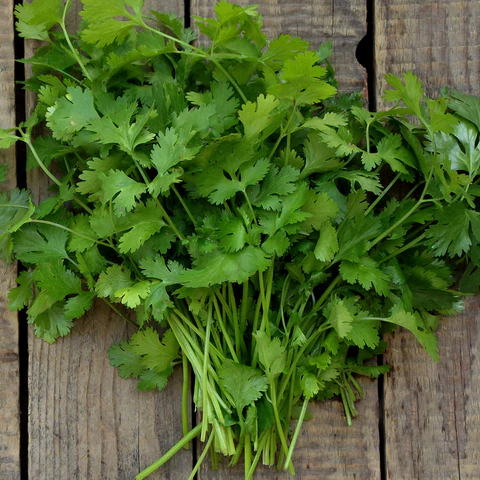
While cilantro can grow in basic soil, a little fertilization can improve growth and prolong the harvest.
- Use a balanced liquid fertilizer every 3–4 weeks.
- Avoid excessive nitrogen, which can cause lush leaves but weak flavor.
- Organic compost or worm castings also work well for continuous nutrition.
Step 7: Harvesting Cilantro
The most exciting part of growing cilantro is harvesting fresh leaves for your meals. Here’s how to do it without harming the plant:
- Use scissors to cut the outer leaves first.
- Leave the inner leaves and stems intact to continue growing.
- Harvest regularly to encourage more growth and prevent bolting.
Cilantro can be harvested continuously for several months if cared for properly. If the plant starts to flower, the flavor may become bitter, but the seeds can be harvested as coriander.
Step 8: Preventing Bolting
Bolting occurs when cilantro flowers and goes to seed, usually due to heat or stress. To prevent this:
- Keep the plant cool by providing shade in hot weather.
- Ensure consistent watering to avoid stress.
- Plant in successive batches so you always have new seedlings ready to replace older plants.
By managing these factors, you can enjoy fresh cilantro year-round.
Tips for Growing Cilantro Like a Pro
- Succession planting: Sow seeds every 2–3 weeks to maintain a continuous harvest.
- Rotate containers: Rotate pots to ensure even sunlight exposure.
- Use deep containers: Cilantro has long taproots, so deeper pots encourage stronger growth.
- Harvest wisely: Frequent harvesting encourages bushier plants and delays bolting.
- Avoid overcrowding: Thin seedlings to ensure each plant receives sufficient nutrients and sunlight.
Common Mistakes to Avoid
Even experienced gardeners sometimes make errors. Avoid these common mistakes:
- Planting in too much sun: Cilantro prefers cooler temperatures; excess heat causes bolting.
- Neglecting watering: Dry soil stresses the plant and reduces yield.
- Overcrowding plants: Limits growth and increases disease risk.
- Harvesting all leaves at once: Leaves must be left to grow for continuous harvest.
Why Growing Cilantro at Home Saves Money
Cilantro can be surprisingly expensive in stores, especially organic varieties. By growing your own, you:
- Reduce grocery bills significantly.
- Avoid buying small, pre-packaged portions.
- Get access to fresh herbs anytime, without waste.
- Turn unused kitchen scraps into seeds or new plants for future harvests.
With a few containers and some seeds, you can grow an endless supply of cilantro at a fraction of the cost of buying it regularly.
Final Thoughts
Growing cilantro at home like a pro doesn’t require a greenhouse, specialized tools, or expensive materials. With proper care, succession planting, and attention to sunlight and watering, you can enjoy fresh cilantro year-round. Not only does this save money, but it also enhances your meals with the freshest, most flavorful herbs possible.
Whether you’re a beginner gardener or an experienced plant enthusiast, this method makes cilantro cultivation simple, rewarding, and sustainable. Start today, and soon you’ll have a thriving supply of this versatile herb at your fingertips, ready to elevate every meal without breaking the bank.