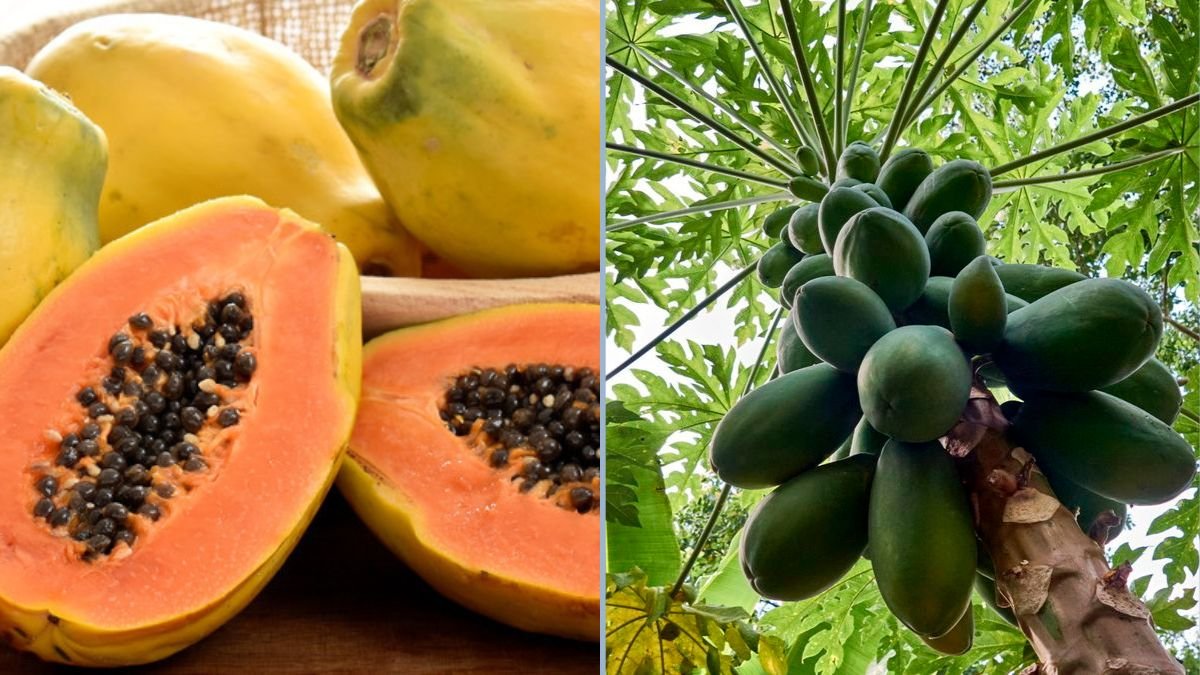
Papaya is a tropical fruit loved for its sweet, juicy flesh and numerous health benefits. Rich in vitamins A, C, and E, fiber, and digestive enzymes like papain, papaya is not only delicious but also excellent for digestion and overall health. While many people associate papaya cultivation with large farms or tropical gardens, the truth is that you can grow papaya easily in containers, even if you live in a small apartment or have limited outdoor space.
Growing papaya in containers offers a practical, low-maintenance solution for urban gardeners. With the right seeds, containers, and care, you can watch your papaya plant grow from a tiny seedling to a fruit-bearing plant in your own backyard or balcony. In this guide, we’ll explore step-by-step instructions on how to grow papaya in containers from seeds to harvest.
Why Grow Papaya in Containers?
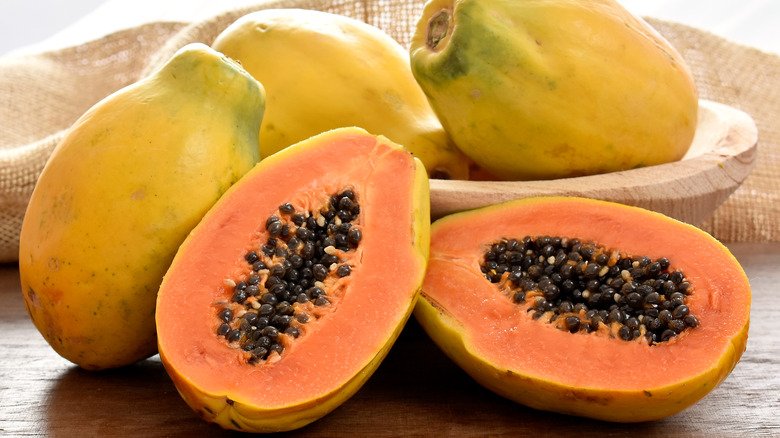
Container gardening offers several benefits for growing papaya:
- Space efficiency: Perfect for small gardens, patios, balconies, or rooftops.
- Mobility: Containers allow you to move plants to protect them from harsh weather or optimize sunlight.
- Controlled soil quality: Using a good potting mix reduces disease risks and ensures healthy growth.
- Easier pest management: Container plants are easier to monitor and treat for pests.
- Faster harvest control: You can optimize watering, fertilization, and sunlight to accelerate growth.
With container-grown papaya, even urban gardeners can enjoy fresh, organic fruits right at home.
Choosing the Right Papaya Seeds
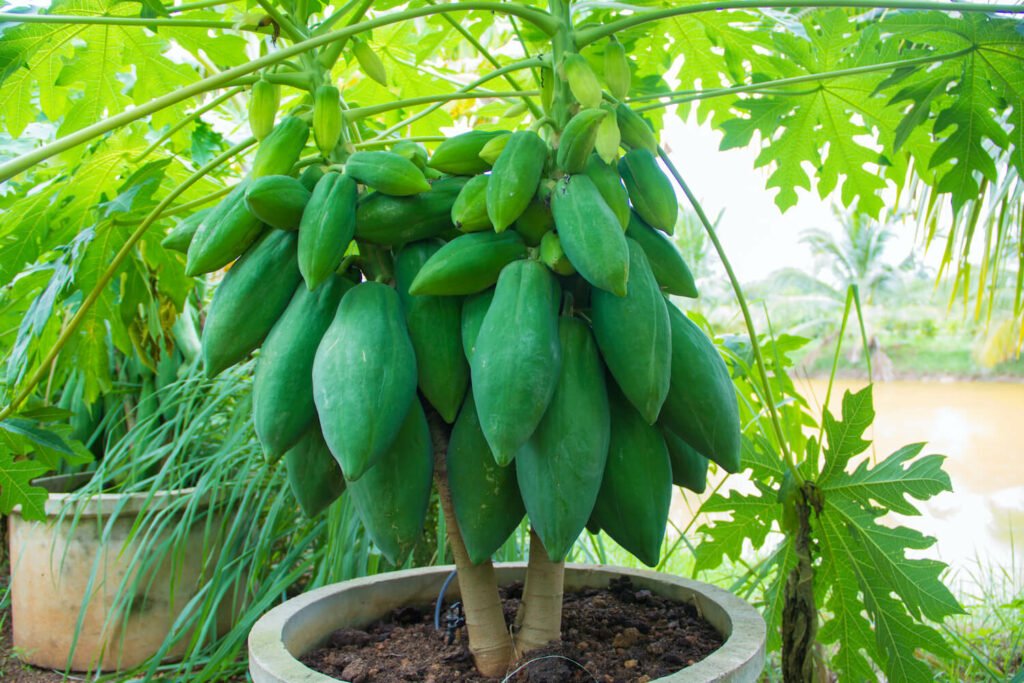
The first step to successful container papaya cultivation is selecting the right seeds. You can grow papaya from seeds obtained from ripe fruits or buy certified seeds from nurseries. Here are some tips:
- Use fresh seeds: Seeds from a ripe papaya have a higher germination rate.
- Wash and dry seeds: Remove the gelatinous coating and let them dry for 1–2 days.
- Choose the right variety: Dwarf or compact papaya varieties are ideal for containers because they grow shorter and are easier to manage.
Pro tip: Seeds from hybrid or grafted papayas tend to produce healthier plants and fruit faster than regular seeds.
Materials Needed
To grow papaya in containers, you’ll need a few essential materials:
- Papaya seeds (fresh or nursery-bought)
- Medium to large containers (minimum 18–20 inches deep and wide) with drainage holes
- Well-draining potting soil rich in organic matter
- Compost or organic fertilizer
- Watering can or gentle sprayer
- Mulch (optional, for moisture retention)
With these simple materials, you can start your papaya container garden right away.
Step 1: Preparing the Seeds
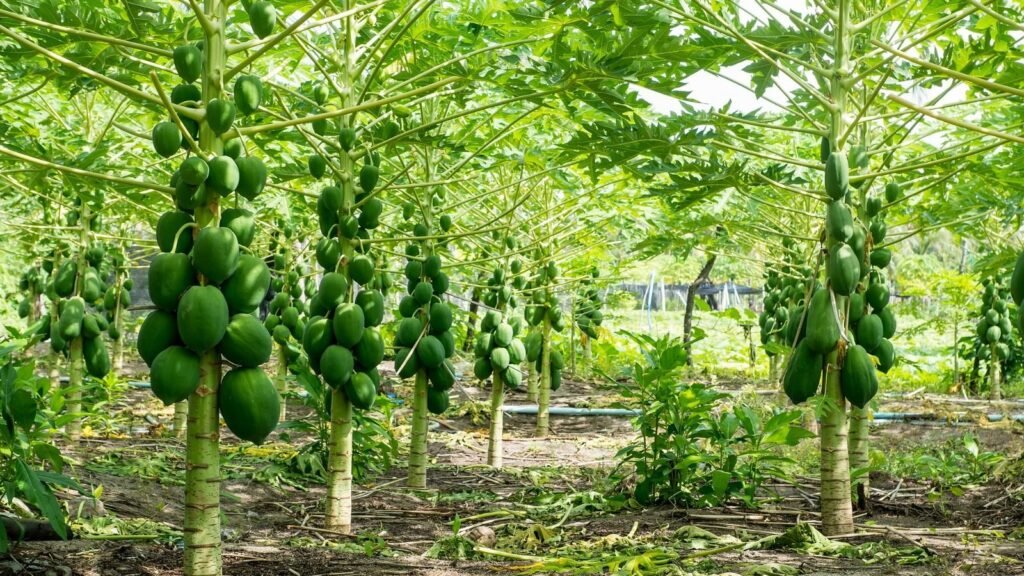
Before planting, papaya seeds need some preparation:
- Clean seeds thoroughly: Remove all fruit residue to prevent mold and disease.
- Dry seeds briefly: Allow seeds to air-dry for 1–2 days but not too long to prevent loss of viability.
- Pre-soak seeds (optional): Soaking seeds in water for 24 hours can speed up germination.
Proper seed preparation increases germination success and promotes strong, healthy seedlings.
Step 2: Selecting and Preparing Containers
Choosing the right container is crucial for healthy papaya growth:
- Size matters: Papaya has a long taproot, so choose a deep container at least 18 inches tall and 15–20 inches wide.
- Drainage is essential: Ensure the container has adequate drainage holes to prevent waterlogging, which can rot roots.
- Use a suitable potting mix: Combine garden soil with compost or organic matter to create a nutrient-rich, well-draining medium.
Pro tip: Adding perlite or sand improves drainage and aeration, reducing root rot risks.
Step 3: Sowing Seeds
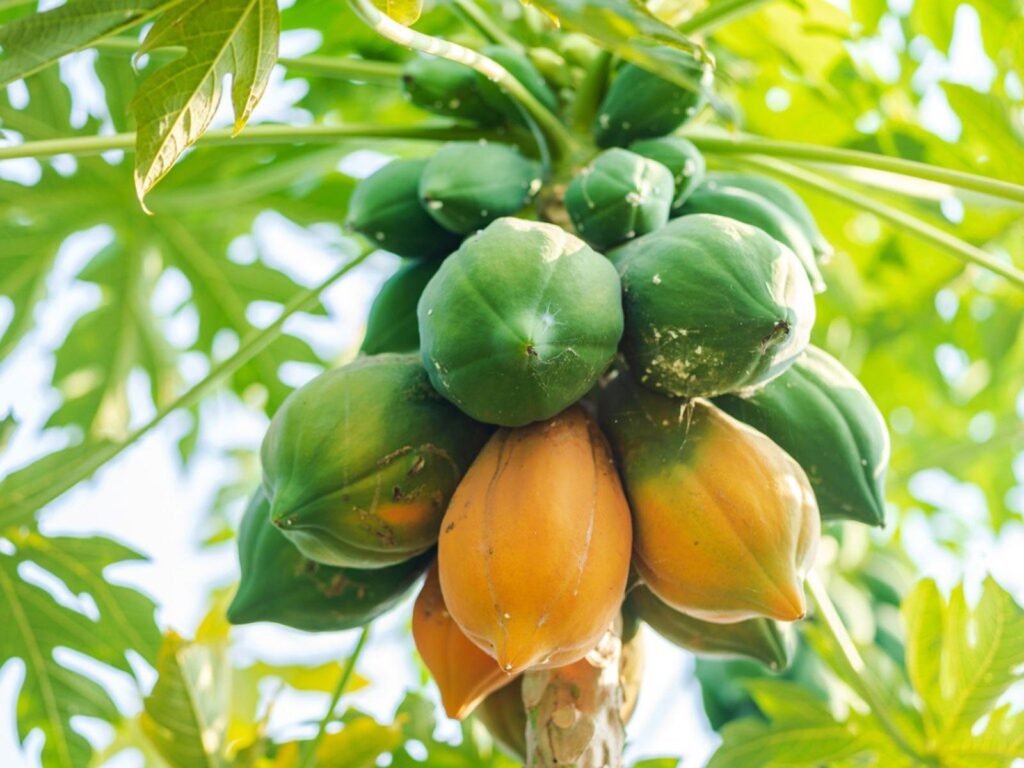
Sowing papaya seeds is simple:
- Fill the container with the prepared potting mix, leaving 2–3 inches from the top.
- Plant 2–3 seeds per container, about ½ inch deep.
- Water gently using a spray or watering can to keep the soil moist but not waterlogged.
- Place the container in a warm, sunny location. Papaya seeds germinate best in temperatures of 25–30°C (77–86°F).
Within 2–3 weeks, seeds will sprout, and seedlings will emerge.
Step 4: Caring for Papaya Seedlings
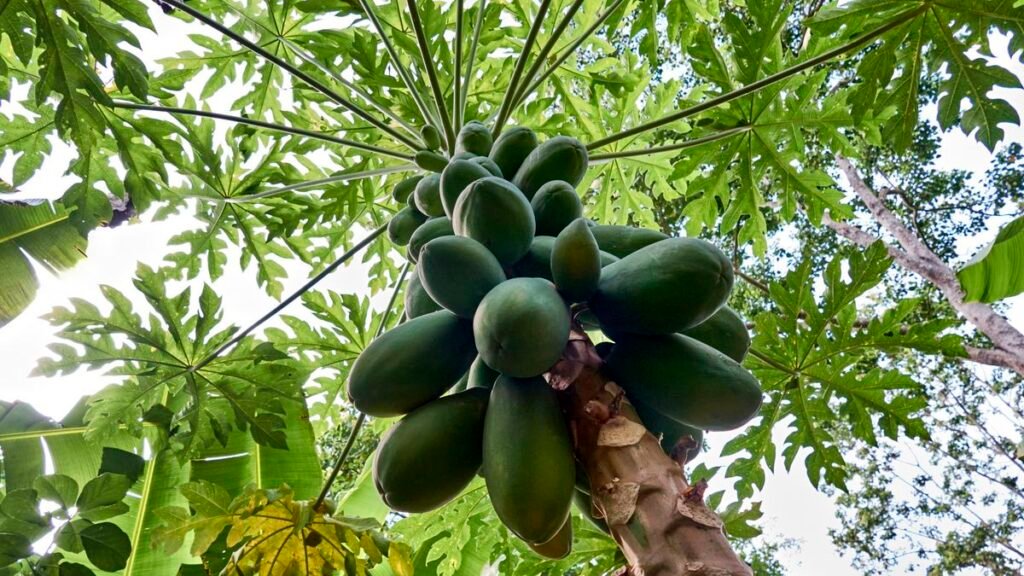
Once seedlings sprout, proper care is essential for healthy growth:
- Sunlight: Papaya plants need full sunlight for at least 6–8 hours daily.
- Watering: Keep the soil consistently moist but avoid overwatering.
- Fertilization: Use a balanced organic fertilizer every 2–3 weeks to promote healthy foliage and strong roots.
- Thinning seedlings: Once seedlings grow 4–6 inches tall, select the strongest one per container and remove the weaker ones.
Healthy seedlings set the foundation for a productive, fruit-bearing papaya plant.
Step 5: Transplanting and Pot Management
As the papaya grows, you may need to manage space and nutrients:
- Transplant if needed: If seedlings outgrow the initial container, move them to a larger container with fresh potting mix.
- Support tall plants: Papaya plants grow tall quickly. Use stakes to support the main stem against wind or accidental tipping.
- Mulch: Add mulch on top of the soil to retain moisture and regulate temperature.
Proper container management ensures the plant continues growing strongly toward fruit production.
Step 6: Fertilization and Maintenance
Papaya is a heavy feeder and requires regular nutrition:
- Nitrogen: Promotes leafy growth.
- Phosphorus: Supports flowering and root development.
- Potassium: Strengthens fruit formation and overall plant health.
- Micronutrients: Calcium, magnesium, and iron are essential for strong stems and fruit quality.
Organic options like compost, neem cake, or well-balanced organic fertilizers are ideal for container-grown papaya.
Step 7: Flowering and Fruit Development
Papaya plants usually start flowering in 5–8 months if grown in optimal conditions:
- Pollination: While some papaya varieties are self-pollinating, hand pollination can improve fruit set.
- Flower type: Papaya plants can be male, female, or hermaphrodite. Only female and hermaphrodite flowers produce fruit.
- Fruit formation: Once pollinated, fruit will start forming in a few weeks. Keep the plant well-watered and fertilized during this stage.
Container-grown papaya can produce 1–3 fruits per plant in the first year, depending on size and variety.
Step 8: Harvesting Papaya
Papaya fruits are ready to harvest when they change color from green to yellow-orange, depending on the variety:
- Check fruit size: Fruits usually reach 6–12 inches long.
- Gently twist or cut: Use a clean knife or scissors to harvest without damaging the plant.
- Ripen at room temperature: If harvested slightly green, allow fruits to ripen naturally indoors.
Regular harvesting encourages the plant to produce more flowers and fruits in the following cycles.
Tips for Container-Grown Papaya Success
- Choose dwarf or compact varieties for easier container management.
- Ensure full sunlight exposure for strong growth and flowering.
- Water consistently while avoiding waterlogging.
- Fertilize regularly using organic or slow-release fertilizers.
- Protect from pests: Common pests include aphids, mealybugs, and spider mites. Use natural remedies or neem oil sprays.
- Rotate containers if indoors: Ensures uniform sunlight exposure.
Following these tips maximizes growth, fruit quality, and overall plant health.
Benefits of Growing Papaya at Home
- Health benefits: Fresh, homegrown papaya is rich in antioxidants, vitamins, and digestive enzymes.
- Sustainability: Reduces reliance on store-bought fruits and lowers your carbon footprint.
- Educational: Watching papaya grow from seed teaches patience, care, and the science of plant growth.
- Aesthetic: Papaya plants add greenery and tropical appeal to your balcony or garden.
Growing papaya in containers proves that even small spaces can be productive, sustainable, and visually appealing.
Final Thoughts
Growing papaya in containers is a rewarding and feasible project for urban gardeners, hobbyists, and anyone who loves fresh tropical fruits. By following these steps—selecting quality seeds, planting in suitable containers, providing proper care, and fertilizing regularly—you can enjoy papaya from seed to harvest right at home.
Whether you’re growing a single plant on a balcony or multiple containers in a rooftop garden, papaya offers a delightful combination of beauty, nutrition, and satisfaction. Container gardening makes tropical fruit cultivation accessible, manageable, and fun, turning even small urban spaces into productive fruit gardens.
With patience, consistent care, and attention to detail, your papaya plants will thrive, providing sweet, juicy fruits that you grew yourself—from seed all the way to harvest.