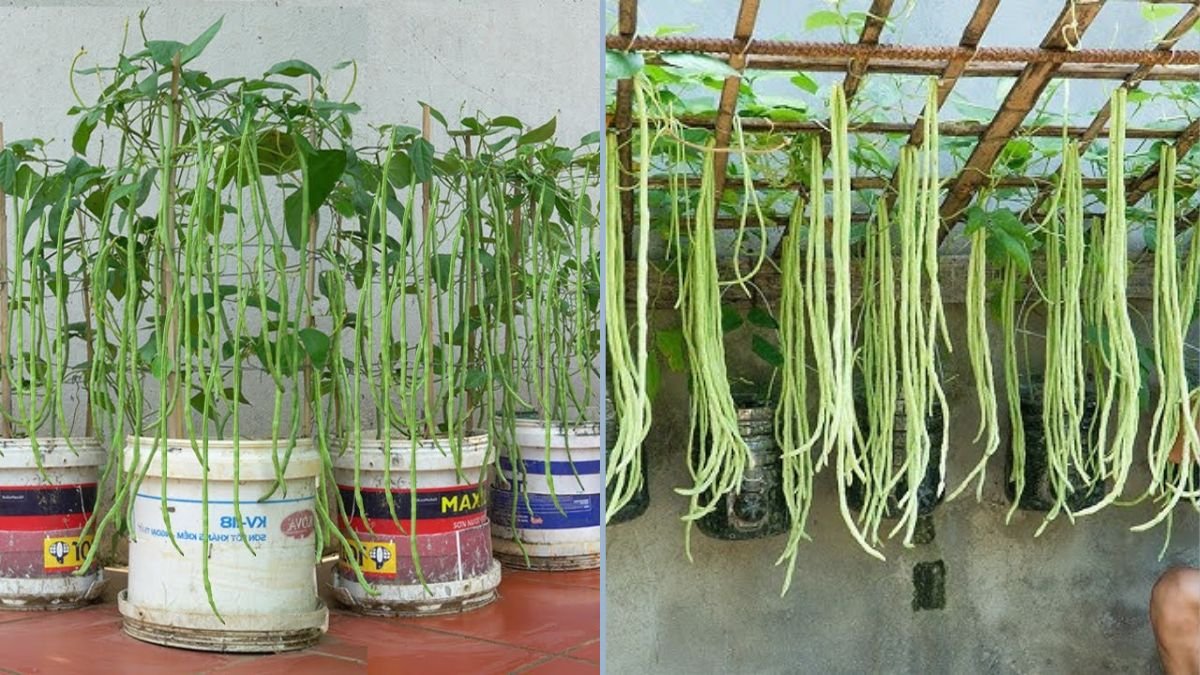
Long beans, also known as yardlong beans or asparagus beans, are a versatile and nutritious vegetable that can thrive even in small spaces. Their crisp texture, mild flavor, and high nutritional value make them perfect for stir-fries, soups, salads, and curries. However, many people think growing long beans requires a large garden, extensive care, and complicated techniques. The truth is—you can grow long beans quickly and efficiently without a garden, even if you’re a beginner or have limited space.
In this guide, we’ll show you how to grow long beans fast with minimal care, using simple methods that work on balconies, patios, or small yard spaces.
Why Grow Long Beans at Home
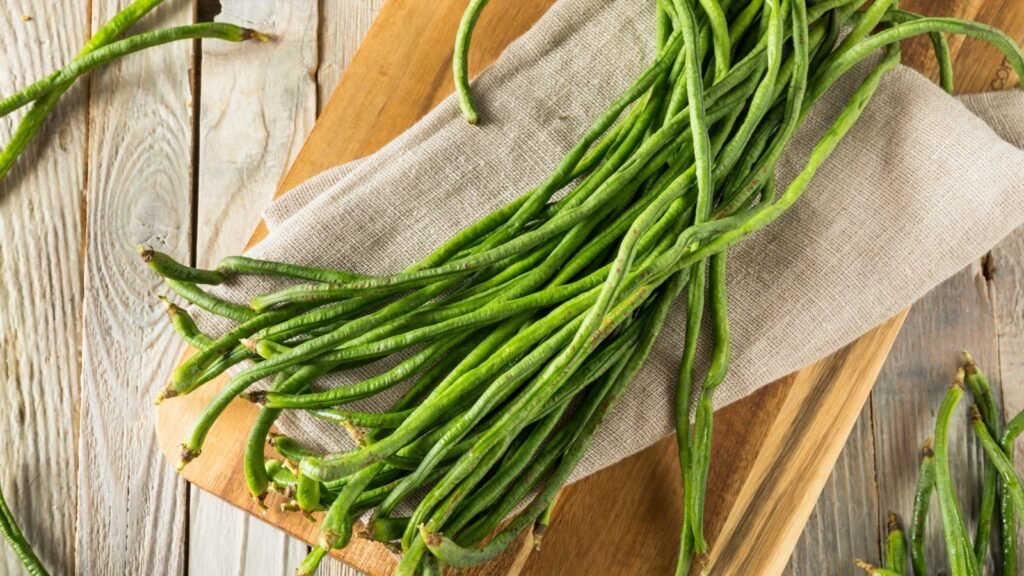
Growing long beans at home offers several advantages:
- Freshness: Store-bought beans often lose flavor and crunch, while homegrown beans taste fresher and more vibrant.
- Nutritional Benefits: Long beans are rich in protein, fiber, vitamins A, C, and K, and minerals like iron and calcium.
- Cost Savings: Growing your own beans reduces grocery expenses and ensures a steady supply.
- Space Efficiency: Long beans are climbers and grow vertically, making them ideal for small spaces.
- Simplicity: These beans are hardy, grow fast, and require minimal maintenance, making them perfect for busy gardeners.
Even with limited space or experience, growing long beans at home is highly rewarding.
Understanding Long Bean Growth
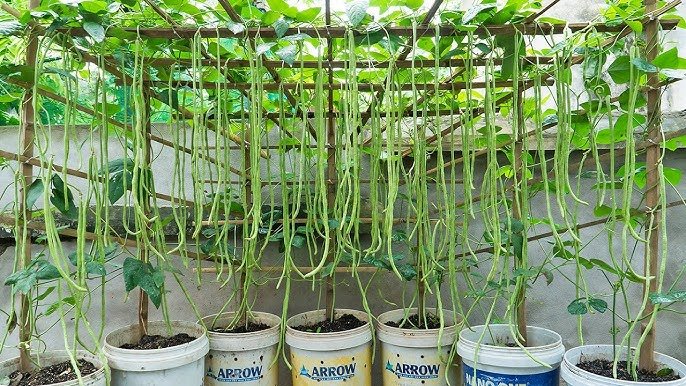
Long beans are climbing plants that require support to grow vertically. Understanding their growth habits will help you maximize yield:
- Climbing Habit: Long beans can grow 6–10 feet or more if supported with trellises, poles, or strings.
- Sunlight Needs: They require 6–8 hours of sunlight daily for optimal growth.
- Soil Preference: Well-draining soil enriched with compost or organic matter promotes strong growth.
- Water Requirements: Regular, consistent watering ensures tender pods and prevents flowers from dropping.
- Growth Cycle: Under ideal conditions, long beans can produce pods within 45–60 days from sowing.
The key to growing them fast lies in providing support, proper soil, and consistent care without overcomplicating the process.
Step 1: Choosing the Right Container
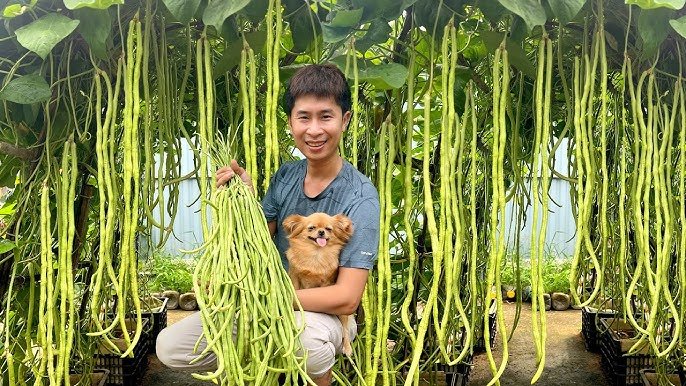
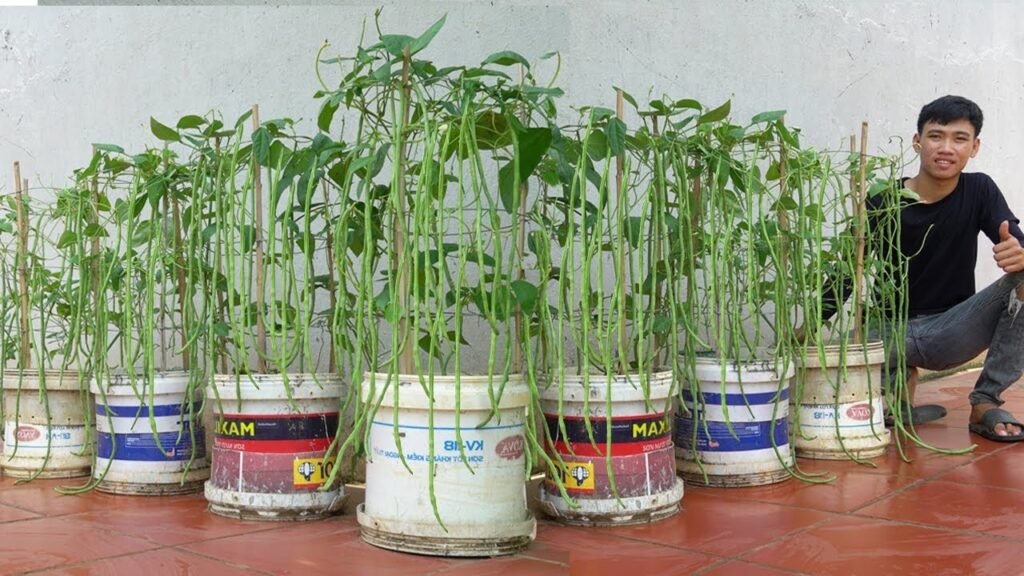
No garden? No problem! Long beans thrive in containers, making them perfect for small spaces:
- Container Size: Use a pot or container at least 12–18 inches deep with good drainage holes.
- Material: Plastic, clay, or wooden containers all work well, as long as they provide enough space for roots.
- Quantity: For maximum yield, plant 2–3 seeds per container, thinning to the strongest seedling after germination.
Vertical growth allows long beans to flourish in compact spaces while conserving soil and water.
Step 2: Preparing the Soil
Healthy soil is crucial for fast growth:
- Soil Mix: Combine garden soil, compost, and a bit of sand for good drainage.
- Fertility: Long beans are moderate feeders, so adding organic fertilizer or compost ensures strong growth.
- pH Level: Aim for slightly acidic to neutral soil (pH 6–7) for optimal nutrient absorption.
Well-prepared soil supports vigorous roots and fast-growing vines.
Step 3: Planting Long Beans
- Sow Seeds: Plant seeds about 1 inch deep in the soil.
- Spacing: If multiple seeds are in one container, thin to 2–3 inches between seedlings.
- Watering: Water lightly after sowing to keep the soil moist but not waterlogged.
- Germination: Seeds usually sprout within 5–10 days under optimal conditions.
Starting with healthy seeds and proper spacing sets the stage for fast growth and abundant pods.
Step 4: Providing Vertical Support
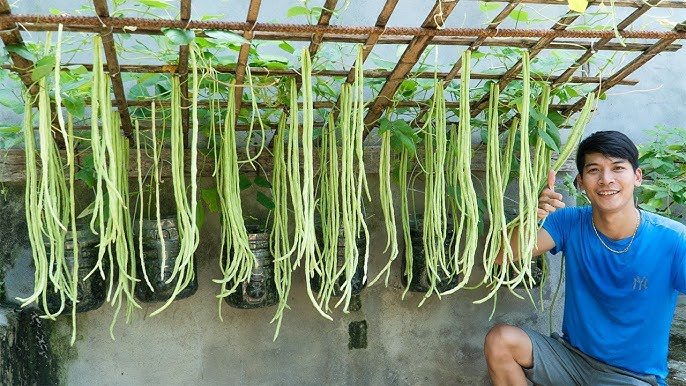
Since long beans are climbers, support is essential for fast growth:
- Trellises or Poles: Place a trellis, bamboo poles, or stakes in each container for vines to climb.
- Strings or Netting: Use strings or garden netting tied from the base to a higher point to guide vines.
- Training the Vines: Gently wrap or guide the seedlings around the support as they grow.
Vertical growth not only saves space but also allows better air circulation, reduces pest problems, and promotes quicker pod development.
Step 5: Watering and Fertilizing
Long beans grow fast with consistent care:
- Watering: Keep soil consistently moist, especially during flowering and pod formation. Avoid overwatering to prevent root rot.
- Fertilizing: Use a balanced organic fertilizer every 2–3 weeks or add compost tea to feed the plants. Focus on nitrogen during early growth for leafy vines and phosphorus/potassium during flowering for better pod production.
- Mulching: Apply straw or shredded leaves around the base to retain moisture and regulate soil temperature.
Proper watering and feeding accelerate growth, leading to faster harvests.
Step 6: Pest and Disease Management
Even low-maintenance plants need some monitoring:
- Common Pests: Aphids, caterpillars, and mites can affect leaves and pods. Remove pests by hand or use mild neem oil sprays.
- Diseases: Powdery mildew or root rot can occur if plants are overcrowded or overwatered. Ensure good airflow and well-draining soil to prevent issues.
- Regular Inspection: Check vines daily for early signs of pests or disease to keep plants healthy.
Healthy plants grow faster and produce more pods with less stress.
Step 7: Harvesting Long Beans
Long beans grow quickly, and regular harvesting encourages continuous production:
- Timing: Pick pods when they are 12–18 inches long and still tender.
- Frequency: Harvest every 2–3 days for best quality and to stimulate new pod growth.
- Technique: Use scissors or gently snap pods off the vine to avoid damaging stems.
Frequent harvesting ensures a steady supply of fresh beans and keeps plants producing continuously.
Tips for Growing Long Beans Fast With Minimal Care
- Use High-Quality Seeds: Healthy seeds germinate faster and produce stronger vines.
- Choose the Right Container: Proper depth and drainage are critical for root growth.
- Provide Adequate Sunlight: Place containers in areas with 6–8 hours of direct sunlight daily.
- Support Vines Early: Guide seedlings onto trellises as soon as they sprout.
- Harvest Regularly: Picking mature pods encourages faster production.
- Keep It Simple: Avoid overwatering, overfertilizing, or excessive pruning; minimal care is often enough for fast growth.
Following these simple steps can yield a substantial harvest even in limited space.
Benefits of Growing Long Beans at Home
- Fast-Growing: Long beans produce pods in as little as 45–60 days.
- Space-Saving: Ideal for balconies, patios, and small yards.
- Nutritious: Packed with vitamins, minerals, and protein.
- Cost-Effective: One batch of seeds can produce multiple harvests.
- Sustainable: Growing at home reduces dependence on store-bought vegetables.
Minimal effort results in maximum rewards, making long beans perfect for busy gardeners.
Culinary Uses for Long Beans
Long beans are versatile and can be used in various dishes:
- Stir-Fries: Sauté with garlic, soy sauce, or chili for a quick meal.
- Soups and Stews: Add to vegetable soups or curries for crunch and nutrition.
- Salads: Blanch briefly and toss with vinaigrette for a fresh salad.
- Pickling: Preserve beans with vinegar, salt, and spices for later use.
Having a continuous supply of long beans at home opens up endless culinary possibilities.
Final Thoughts
Even if you don’t have a traditional garden, you can grow long beans quickly and easily with minimal care. The key is to use containers or small spaces, provide vertical support, and maintain consistent watering and feeding. By following these steps, you can enjoy fresh, crunchy, and nutritious long beans in just a few weeks.
This method is perfect for beginners, apartment dwellers, or anyone looking for a simple, low-maintenance vegetable to grow at home. With a little planning and care, you can have a thriving crop of long beans ready to harvest regularly, without needing a large garden.
Start today, set up your container garden with vertical support, and enjoy the satisfaction of fresh, homegrown long beans—even in the smallest spaces!