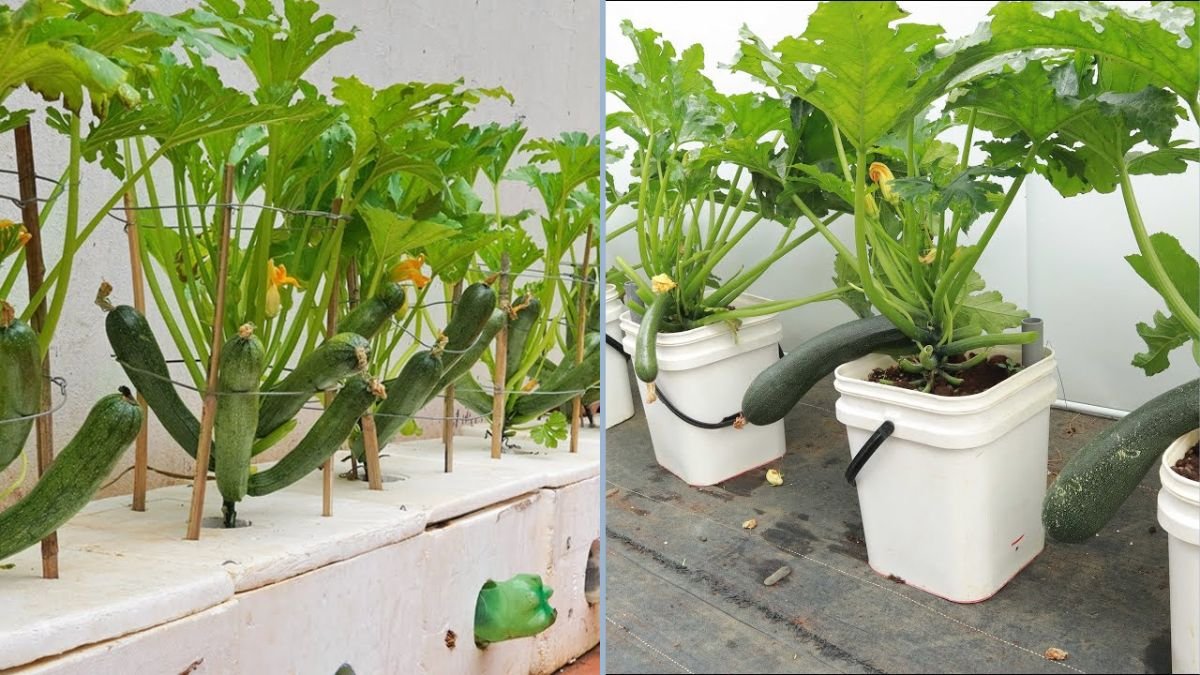
Zucchini is one of the most versatile and productive vegetables you can grow at home. With its mild flavor, tender texture, and ease of cooking, it’s perfect for stir-fries, baking, grilling, and even raw salads. Yet many home gardeners struggle with zucchini production, often dealing with small harvests, pest problems, or sprawling vines that take over the garden.
Recently, I discovered a simple solution for growing zucchini that completely changed the game. Not only does it yield a lot of fruit, but it’s also easy to set up, maintain, and harvest. Whether you’re a seasoned gardener or a beginner, this method will help you maximize your zucchini yield with minimal effort.
Why Grow Zucchini at Home
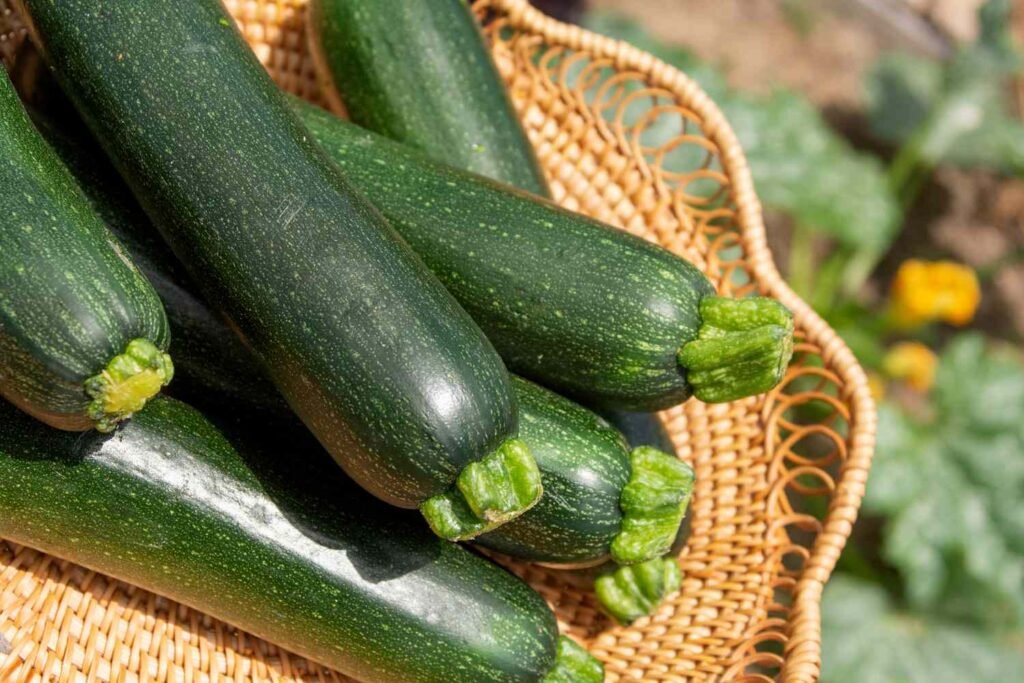
Growing zucchini at home offers many benefits:
- Freshness and Flavor: Store-bought zucchini can be bland or watery, while homegrown zucchini is crisp, flavorful, and tender.
- High Yield: One well-grown plant can produce dozens of fruits throughout the season.
- Nutritional Benefits: Zucchini is low in calories and rich in vitamins A, C, and potassium.
- Cost Savings: Growing your own zucchini saves money on grocery bills.
- Easy to Grow: Zucchini is hardy, fast-growing, and thrives in a variety of climates.
With the right approach, zucchini can become a reliable source of vegetables all season long.
Understanding Zucchini Growth
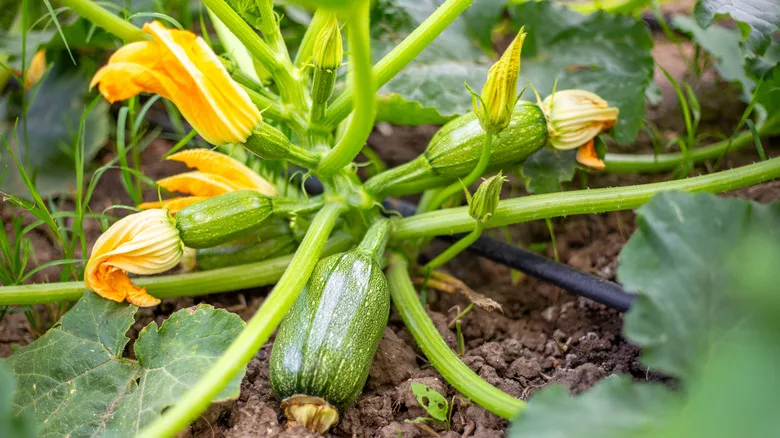
Zucchini is a summer squash with sprawling vines, but understanding its growth habits helps optimize yield:
- Vine Growth: Zucchini spreads across the ground, which can take up a lot of space if not managed.
- Flowering and Fruiting: Male flowers appear first, followed by female flowers that develop into fruit. Pollination is essential for fruit set.
- Sunlight Needs: Zucchini requires at least 6–8 hours of full sunlight each day for healthy growth.
- Soil Preference: Well-draining, nutrient-rich soil ensures strong roots and abundant fruit.
- Watering Requirements: Consistent moisture is essential, especially during flowering and fruit development.
By knowing these basics, you can encourage more flowers and maximize fruit production.
Step 1: Preparing the Growing Area
A successful zucchini harvest starts with a well-prepared planting area:
- Location: Choose a sunny spot with 6–8 hours of sunlight daily.
- Soil: Use fertile, well-draining soil with plenty of organic matter. A slightly raised bed or container works well for compact spaces.
- Space Management: If planting in the ground, allow at least 2–3 feet between plants to reduce overcrowding. Vertical growing techniques can save space and improve airflow.
A well-prepared space sets the stage for strong growth and abundant fruit.
Step 2: Choosing the Right Zucchini Variety
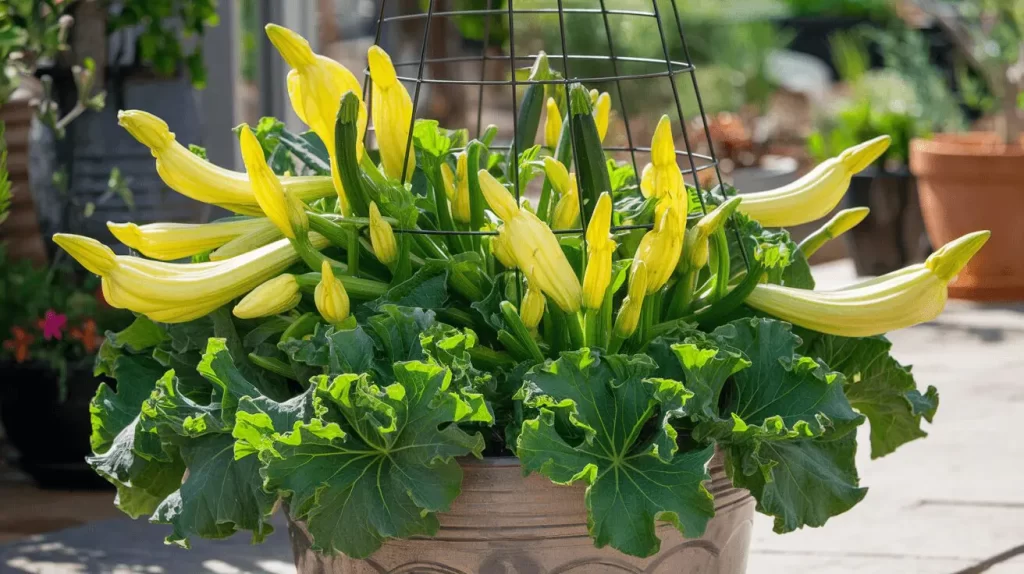
Selecting the right variety is essential for maximizing yield and ease of care:
- Bush Varieties: Compact plants that work well in small spaces or containers.
- Vining Varieties: Produce more fruit and can be trained vertically for better space utilization.
- Early-Maturing Varieties: Start producing fruit faster, allowing multiple harvests in a season.
Pick a variety that fits your space, climate, and cooking preferences.
Step 3: Planting Zucchini
Zucchini can be grown from seeds or transplants:
- Sowing Seeds: Plant seeds 1 inch deep and space them 2–3 feet apart for bush varieties, or closer if training vines vertically.
- Transplants: Start seeds indoors 2–4 weeks before the last frost and transplant seedlings once soil temperatures are above 60°F (15°C).
- Watering: Water lightly after planting to settle the soil around seeds or seedlings.
Strong seedlings lead to fast growth and a higher chance of abundant fruit production.
Step 4: Using the Simple Solution for More Fruit
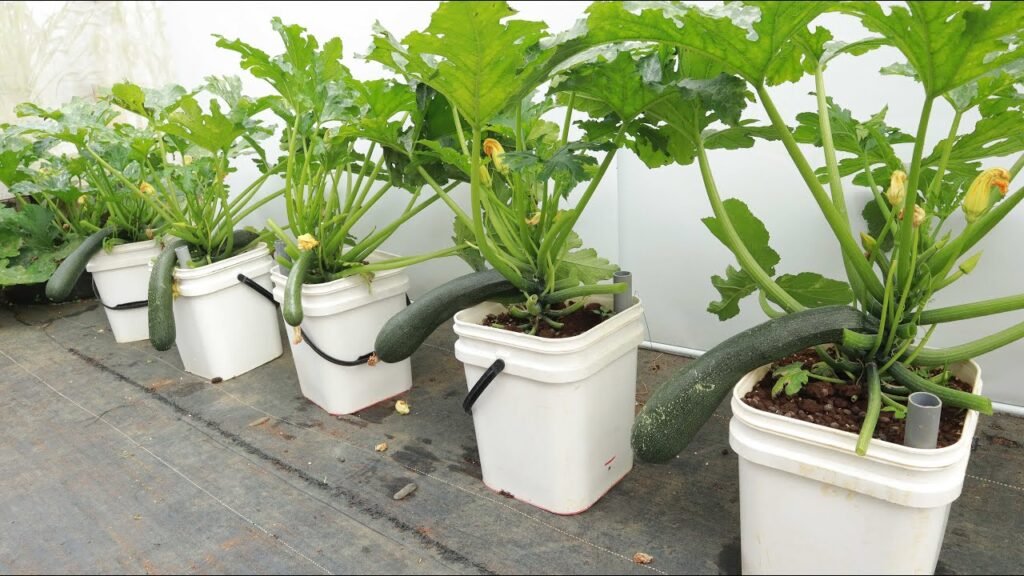
The trick I discovered involves vertical support and soil enrichment, which dramatically increases zucchini yield:
- Vertical Support: Train zucchini vines to climb a trellis, fence, or pole. Vertical growth reduces ground contact, improves air circulation, and prevents fruit rot.
- Mulching and Soil Fertility: Use compost, aged manure, or organic fertilizer to enrich soil. Mulch helps retain moisture, suppress weeds, and maintain an even soil temperature.
- Pruning and Training: Remove older, large leaves that block sunlight from flowers. Gently tie vines to supports as they grow upward.
This combination of vertical growth, fertile soil, and selective pruning encourages more flowers to develop into fruit.
Step 5: Watering and Fertilizing
Consistent care is key to prolific zucchini production:
- Watering: Keep soil evenly moist. Deep watering once or twice a week is better than frequent shallow watering. Avoid wetting leaves, which can encourage fungal diseases.
- Fertilizing: Apply a balanced organic fertilizer every 2–3 weeks to provide nitrogen for leaves and phosphorus/potassium for flowering and fruiting.
- Additional Boosts: Foliar sprays with diluted seaweed extract or compost tea can stimulate growth and flower production.
Healthy, well-fed plants produce bigger flowers and more zucchini.
Step 6: Pollination for Maximum Fruit
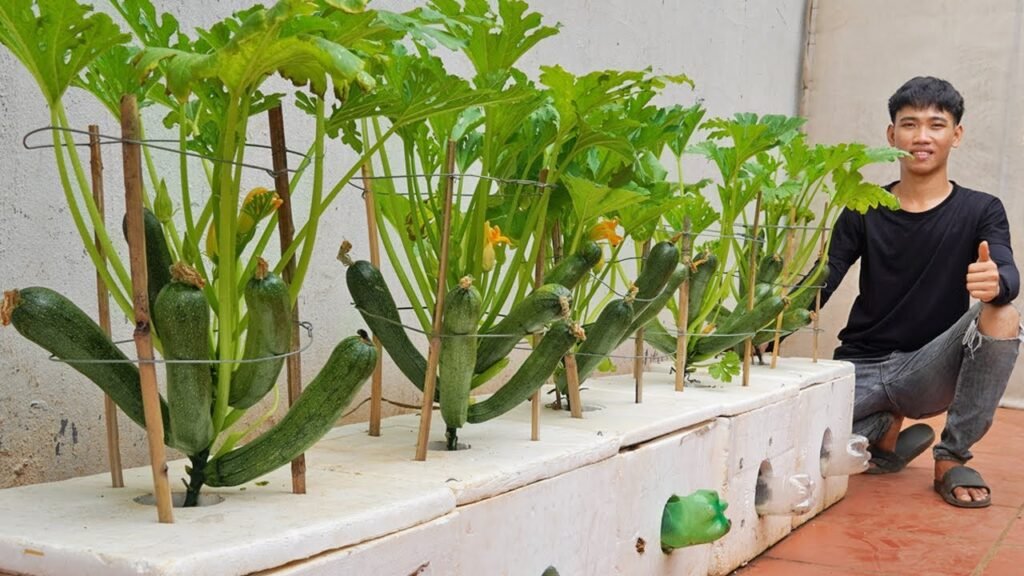
Pollination is essential for zucchini to produce fruit:
- Natural Pollinators: Encourage bees and other pollinators by planting flowers nearby.
- Hand Pollination: If natural pollinators are scarce, use a small brush or cotton swab to transfer pollen from male to female flowers.
- Identifying Flowers: Male flowers have a thin stem, while female flowers have a tiny swelling at the base that becomes the fruit.
Proper pollination ensures more flowers turn into actual zucchini.
Step 7: Harvesting Zucchini
Timing your harvest is important for quality and continuous production:
- When to Harvest: Pick zucchini when they are 6–8 inches long for best flavor and tenderness. Smaller fruits encourage continued production.
- Frequency: Harvest every 2–3 days. Frequent picking prevents oversized fruit that may reduce flower production.
- Technique: Use a sharp knife or scissors to cut fruit, leaving a small stem attached.
Regular harvesting keeps plants productive and prevents fruit from becoming tough or seedy.
Tips for an Overflowing Zucchini Harvest
- Succession Planting: Sow seeds or plant seedlings every 2–3 weeks to maintain continuous harvests.
- Maximize Sunlight: Position plants where they receive full sun all day.
- Pest Management: Watch for squash bugs, aphids, or powdery mildew; use organic sprays or hand removal as needed.
- Encourage Flowering: Remove older leaves that block light from flowers.
- Vertical Growing: Training vines upward not only saves space but also keeps fruit clean, healthy, and easier to pick.
These simple practices dramatically increase zucchini yield while reducing effort and maintenance.
Benefits of Growing Zucchini with This Method
- High Yield: Vertical support and soil enrichment result in more flowers and fruit.
- Space Efficiency: Perfect for small gardens, balconies, or patios.
- Ease of Care: Minimal maintenance with regular watering, pruning, and harvesting.
- Freshness and Nutrition: Enjoy crisp, flavorful zucchini straight from your garden.
- Cost Savings: Homegrown zucchini is cheaper than store-bought, especially during peak season.
Even small-space gardeners can enjoy a bountiful zucchini harvest with this approach.
Culinary Uses for Homegrown Zucchini
Fresh zucchini can be used in countless recipes:
- Stir-Fries: Quick sauté with garlic, olive oil, or soy sauce.
- Grilled or Roasted: Slice and season for a flavorful side dish.
- Baking: Use in zucchini bread, muffins, or cakes for moisture and nutrition.
- Salads: Add raw slices or ribbons for crunch and color.
- Pickling: Preserve surplus harvest for later use.
Having a continuous supply of fresh zucchini allows you to get creative in the kitchen.
Final Thoughts
Zucchini is one of the easiest and most rewarding vegetables to grow at home. With the simple solution of vertical support, enriched soil, and careful pruning, you can dramatically increase your yield and enjoy an overflowing harvest with minimal effort. Even gardeners with limited space or experience can achieve impressive results.
Start today, set up your vertical trellis, plant your seeds or seedlings, and follow these tips. Soon, you’ll be picking fresh zucchini straight from your garden, saving money, and enjoying the satisfaction of abundant, homegrown vegetables.