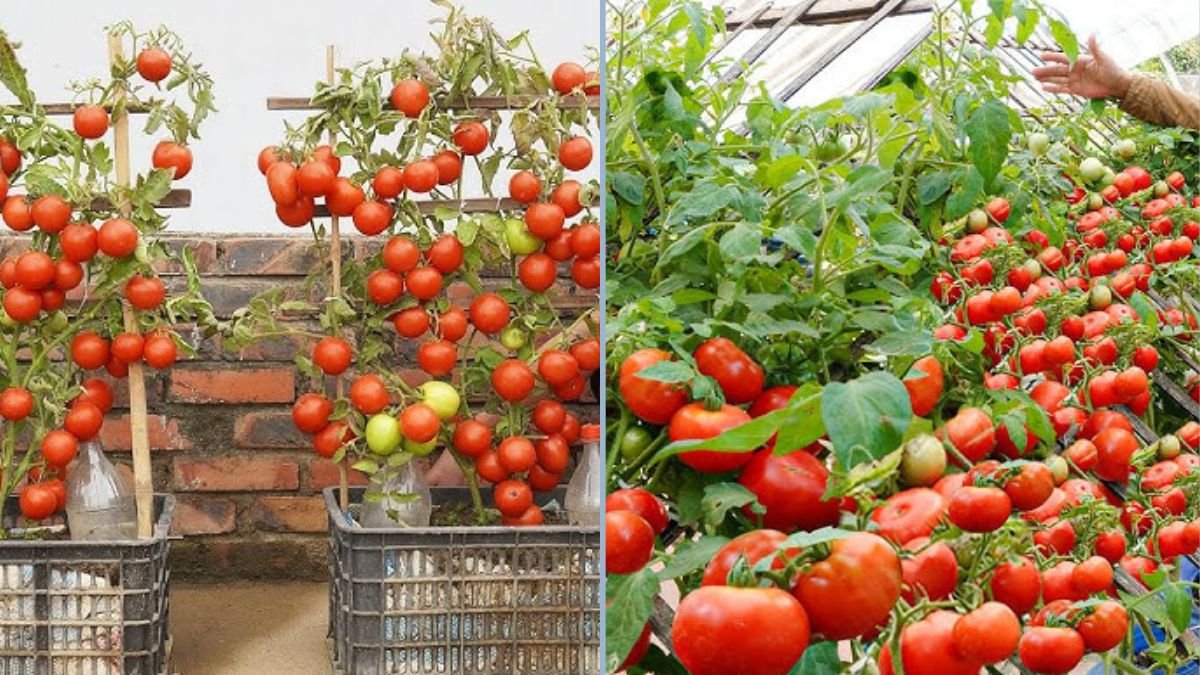
Tomatoes are among the most popular vegetables in home gardens and urban farms. They’re versatile, nutritious, and in high demand, making them a perfect choice for gardeners looking to maximize both yield and profitability. But what if I told you that you could grow 40 tomatoes in just one basket? That’s right—this urban gardening technique allows you to produce a massive harvest even in limited spaces.
In this guide, we’ll explore step-by-step how to grow tomatoes in a single basket, maximize productivity, and even turn your urban garden into a profitable venture. Whether you’re a balcony gardener, rooftop grower, or simply looking to make the most of a small yard, this method is a game-changer.
Why Grow Tomatoes in a Basket
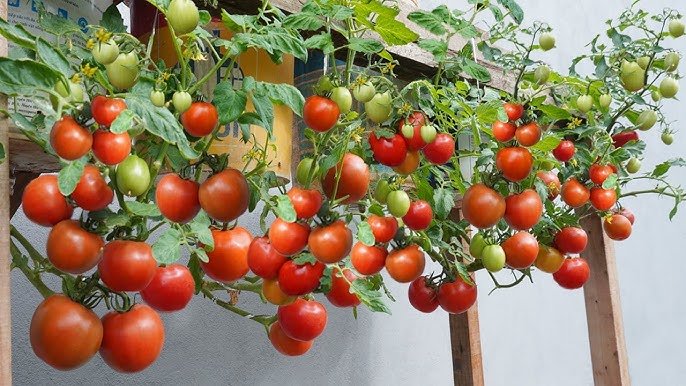
Growing tomatoes in a basket has several advantages over traditional in-ground planting:
- Space Efficiency: Perfect for small spaces, balconies, rooftops, or urban gardens.
- Higher Yield per Square Foot: Vertical growth and proper pruning allow you to maximize the number of fruits per plant.
- Ease of Management: Watering, fertilizing, and harvesting are easier when plants are contained in a manageable space.
- Reduced Pest Problems: Elevated baskets reduce ground-dwelling pests and make it easier to monitor diseases.
- Profit Potential: Growing high-density tomatoes in urban settings can generate a significant income if sold fresh to local markets or restaurants.
With this approach, you can enjoy an impressive harvest, even in small, urban areas.
Understanding Tomato Growth
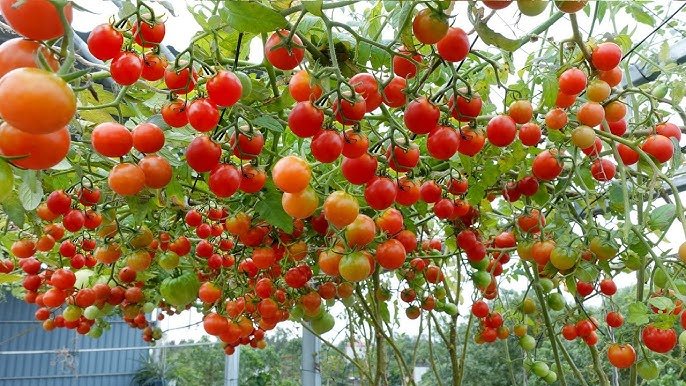
Tomatoes are tropical plants that thrive in warm, sunny conditions. To grow 40 tomatoes in a single basket, it’s important to understand their growth habits:
- Vine Type: Choose determinate or indeterminate varieties depending on your space and goals. Determinate varieties grow compactly, while indeterminate varieties keep producing throughout the season.
- Sunlight Needs: Tomatoes need 6–8 hours of direct sunlight daily for optimal growth and fruiting.
- Soil Requirements: Well-draining, nutrient-rich soil encourages strong root development and healthy fruit production.
- Watering: Consistent moisture is essential; uneven watering can lead to blossom end rot or cracking fruit.
- Pruning: Selective pruning and training vines vertically can significantly increase fruit yield.
Understanding these basics helps you manage the plants effectively and achieve maximum productivity.
Step 1: Choosing the Right Tomato Variety
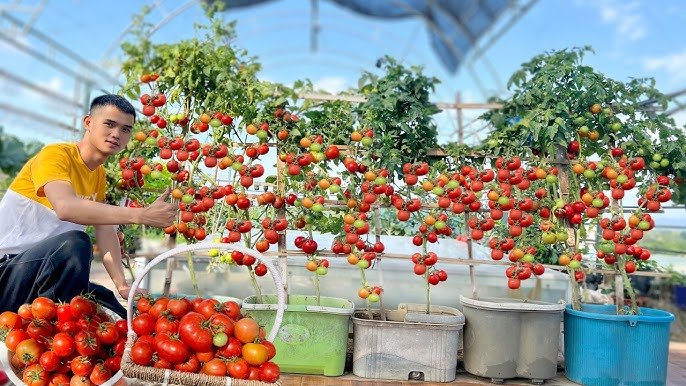
Not all tomato varieties are suitable for high-density basket planting. Consider the following:
- Compact Determinate Varieties: These grow bushy and are ideal for confined spaces. Examples include Roma, Patio, and Tiny Tim.
- Indeterminate Varieties: These produce continuously and can be trained vertically in baskets with proper support. Examples include Cherry or Grape tomatoes.
- Early-Maturing Varieties: Produce fruit quickly, allowing multiple harvests throughout the season.
- High-Yield Varieties: Look for varieties known for prolific fruiting.
Choosing the right variety ensures healthy plants, manageable growth, and maximum yield.
Step 2: Preparing the Basket
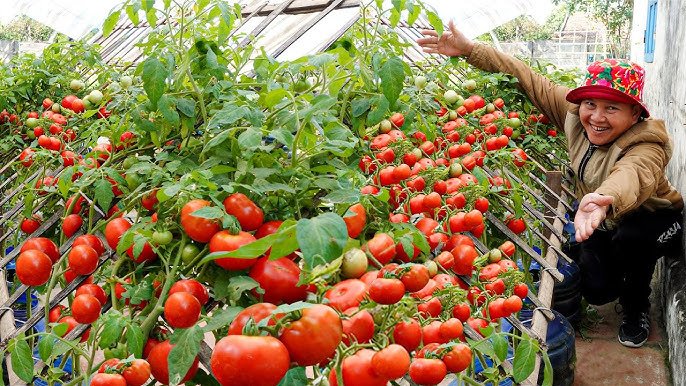
The basket is the foundation of this urban gardening method:
- Choose the Right Basket: Large baskets or containers with a minimum diameter of 18–24 inches and good depth (at least 12–18 inches) work best.
- Drainage: Drill or ensure sufficient drainage holes at the bottom to prevent waterlogging.
- Soil Preparation: Use a mix of garden soil, compost, and well-rotted manure for fertility and good texture.
- Layering: Optional: Add a layer of gravel or small stones at the bottom to enhance drainage.
A well-prepared basket provides a healthy environment for tomato roots to grow and develop multiple plants.
Step 3: Planting Multiple Tomato Plants
Growing 40 tomatoes in one basket requires strategic planting and spacing:
- Seedlings or Transplants: Start with healthy seedlings in a nursery or buy young plants.
- Planting Density: Place 4–6 compact plants per basket, depending on basket size. Vertical growth and pruning allow each plant to produce multiple stems and flowers.
- Soil Level: Ensure the crown of the plants is just above the soil line, leaving enough space for vertical growth.
- Watering: Water lightly after planting to settle the soil around the roots.
Proper planting ensures strong growth and maximizes space utilization.
Step 4: Using Vertical Support
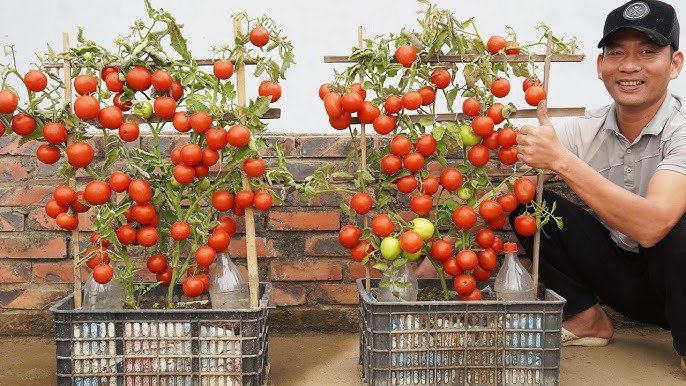
The key to growing 40 tomatoes in a single basket is vertical growth:
- Install Supports: Use bamboo poles, trellises, or wire cages to guide plants upward.
- Tie Plants: Secure stems gently to the supports using soft twine or strips of cloth.
- Prune Strategically: Remove unnecessary side shoots and lower leaves to improve airflow and direct energy into fruit production.
- Training Vines: Encourage main stems to climb the support, while side shoots can be guided to fill gaps.
Vertical growth reduces overcrowding, prevents disease, and allows each plant to produce more fruit.
Step 5: Watering and Fertilizing
Tomatoes require consistent care to produce a super fruitful harvest:
- Watering: Water deeply 2–3 times per week, depending on weather. Avoid wetting the leaves to prevent fungal diseases.
- Fertilization: Apply balanced fertilizer or organic compost regularly. Switch to phosphorus and potassium-rich fertilizer during flowering and fruiting for bigger yields.
- Mulching: Add straw, shredded leaves, or bark to conserve moisture, reduce weeds, and regulate soil temperature.
Proper watering and nutrition directly impact fruit quantity and quality.
Step 6: Pollination
For maximum fruit set, pollination must be addressed:
- Natural Pollinators: Encourage bees and butterflies by planting flowers nearby.
- Hand Pollination: Use a small brush or gently shake flowers to transfer pollen if natural pollinators are limited.
- Flower Identification: Identify female flowers (small swelling at the base) for proper pollination.
Effective pollination ensures more flowers develop into ripe tomatoes.
Step 7: Harvesting Tomatoes
Harvesting correctly keeps plants productive and prolongs the season:
- When to Harvest: Pick tomatoes when they reach full size and the desired color.
- Frequency: Harvest every 2–3 days for continuous fruiting.
- Technique: Use scissors or pruners to cut fruit, leaving a small stem attached. Avoid pulling to prevent damaging branches.
Regular harvesting encourages plants to produce more fruit.
Tips for Maximum Yield
- Succession Planting: Start new baskets or seedlings every 2–3 weeks for continuous production.
- Sunlight Optimization: Place baskets in full sun for maximum flowering and fruit set.
- Pest Management: Monitor for aphids, whiteflies, or tomato hornworms. Use organic sprays or manual removal.
- Prune Strategically: Keep plants healthy and direct energy into fruit production.
- Container Rotation: Rotate baskets if sunlight is uneven to ensure uniform growth.
These techniques ensure a consistently abundant tomato harvest.
Benefits of High-Density Basket Tomato Gardening
- High Yield in Small Space: Produce dozens of tomatoes in a single basket.
- Urban Profitability: Perfect for selling fresh tomatoes locally, generating income from small urban spaces.
- Ease of Care: Watering, fertilizing, and harvesting are simpler when plants are contained.
- Fresh and Nutritious: Enjoy flavorful, homegrown tomatoes year-round.
- Pest and Disease Control: Elevated growth reduces exposure to ground-dwelling pests.
High-density basket gardening turns even the smallest urban space into a productive tomato farm.
Culinary Uses for Homegrown Tomatoes
Fresh, homegrown tomatoes are incredibly versatile:
- Salads: Add fresh slices to garden salads or sandwiches.
- Cooking: Use in soups, stews, pasta sauces, and stir-fries.
- Sauces and Paste: Make fresh tomato sauce, ketchup, or paste for long-term storage.
- Snacks: Roast or grill cherry tomatoes for a healthy snack.
- Canning: Preserve surplus harvest to enjoy tomatoes year-round.
With an abundant harvest from just one basket, your kitchen will never run out of fresh, ripe tomatoes.
Final Thoughts
Growing 40 tomatoes in a single basket is not only possible—it’s an efficient, profitable, and satisfying urban gardening method. By selecting the right variety, providing fertile soil, supporting vertical growth, ensuring proper watering, fertilization, and pollination, and harvesting regularly, you can achieve an impressive yield even in small spaces.
Whether you’re growing for personal consumption or looking to sell fresh tomatoes in urban markets, this method maximizes productivity and profitability. Start today, set up your basket, plant your seedlings, and watch your tomatoes flourish—producing more fruit than you ever imagined, right from your urban garden.