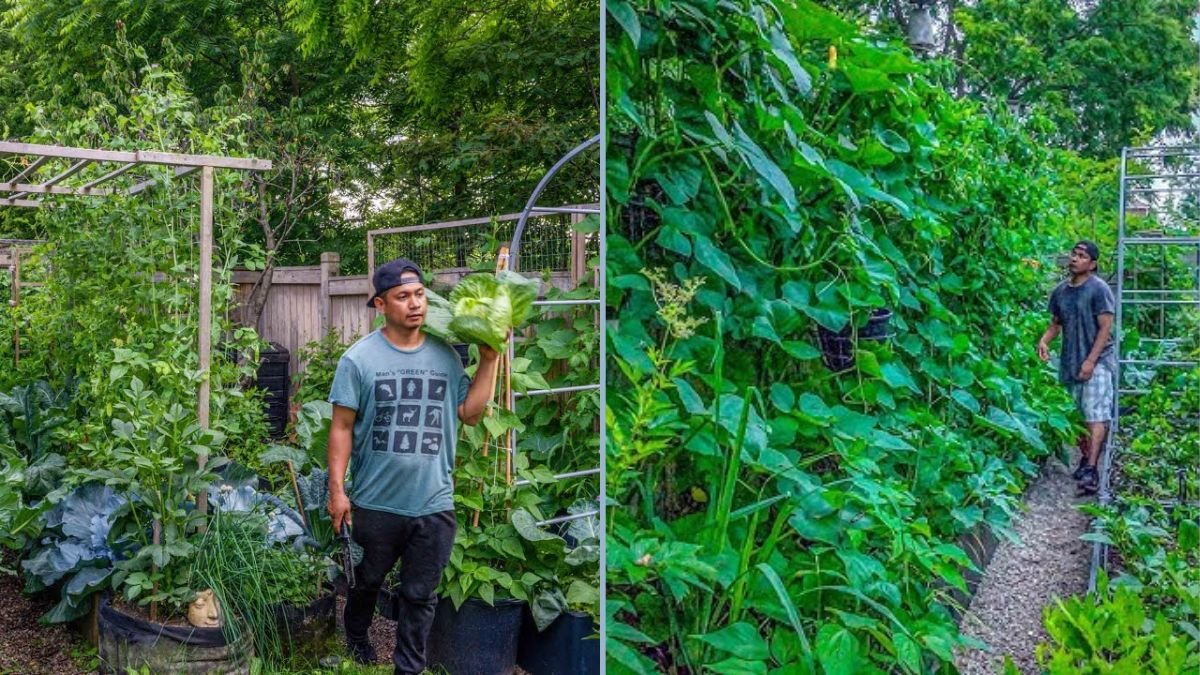
Gardening in 2025 has taken on a new level of excitement. Imagine walking through a lush garden with over 500 thriving plants, all grown without a single chemical fertilizer or pesticide. That’s exactly what our July garden tour is all about. From vibrant vegetables and herbs to fruit-bearing trees and flowering plants, our garden demonstrates that organic, chemical-free gardening is not only possible but highly productive.
In this post, we’ll take you through our garden setup, natural pest management secrets, plant care routines, and tips for growing a highly productive garden using sustainable practices. Whether you’re a beginner or an experienced gardener, this guide will show you how to maximize your yield without relying on synthetic chemicals.
Step 1: Planning a 500+ Plant Garden
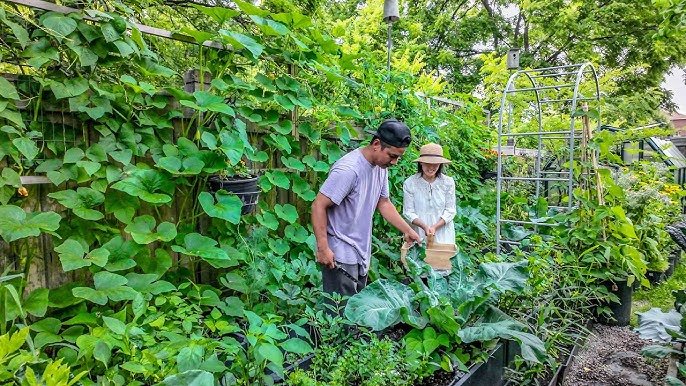
Growing over 500 plants requires careful planning and organization:
- Space Allocation:
- Divide your garden into zones: vegetables, herbs, fruits, and ornamentals.
- Raised beds, vertical gardens, and container planting help maximize space.
- Plant Selection:
- Choose varieties suited to your climate and soil.
- Include a mix of fast-growing crops (like leafy greens) and slower-growing ones (like tomatoes and peppers).
- Succession Planting:
- Plan staggered planting dates to ensure continuous harvests throughout the season.
Pro Tip: A garden of this size works best when you maintain a detailed planting schedule and track each plant type, variety, and harvest time.
Step 2: Soil Preparation for a Chemical-Free Garden
Healthy soil is the foundation of thriving plants:
- Organic Matter:
- Add compost, vermicompost, and well-rotted manure to enrich the soil naturally.
- Leaf mold, coffee grounds, and kitchen scraps are excellent soil boosters.
- Soil Testing:
- Ensure soil pH is suitable for your plants (generally 6.0–7.0).
- Add natural amendments like lime or sulfur if adjustments are needed.
- Aeration:
- Loosen compacted soil to allow roots to grow freely and access nutrients efficiently.
Pro Tip: Chemical-free gardening starts with living, fertile soil that nourishes plants naturally and reduces disease susceptibility.
Step 3: Watering Techniques for Healthy Growth
Water management is crucial for a large garden:
- Drip Irrigation:
- Delivers water directly to the roots, saving water and preventing leaf diseases.
- Mulching:
- Use straw, coconut coir, or leaf litter to retain soil moisture, reduce weeds, and improve soil fertility.
- Rainwater Harvesting:
- Collecting rainwater is sustainable and ensures a consistent supply for your plants.
Pro Tip: Proper watering supports strong growth and reduces stress, making plants more resilient to pests and diseases.
Step 4: Planting and Layout Strategies
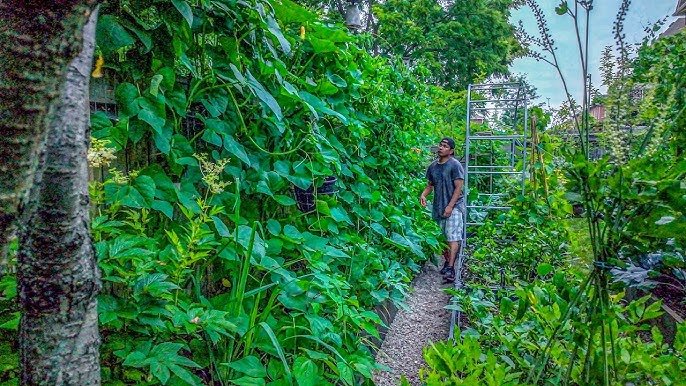
- Vertical Gardening:
- Use trellises, hanging baskets, and stacked planters to maximize vertical space.
- Ideal for climbing crops like beans, peas, and cucumbers.
- Companion Planting:
- Tomatoes + basil, carrots + onions, and marigolds near vegetables can repel pests naturally.
- Succession and Intercropping:
- Plant fast-growing crops between slower-growing ones to maintain productivity.
Pro Tip: Thoughtful layout reduces overcrowding, ensures sunlight for all plants, and encourages natural pest deterrence.
Step 5: Natural Pest Management Secrets
A garden of over 500 plants requires effective, chemical-free pest control:
- Beneficial Insects:
- Ladybugs, lacewings, and parasitic wasps naturally control aphids, mealybugs, and caterpillars.
- Neem Oil and Organic Sprays:
- Neem oil, garlic spray, or chili spray deter many common pests without harming beneficial insects.
- Crop Rotation:
- Rotating plant families prevents soil-borne diseases and pest buildup.
- Companion Planting for Pest Repellence:
- Plants like marigolds, nasturtiums, and herbs act as natural pest deterrents.
- Physical Barriers:
- Netting, row covers, and sticky traps protect delicate plants without chemicals.
Pro Tip: Combining multiple natural pest management strategies keeps plants healthy without sacrificing productivity.
Step 6: Fertilizing Without Chemicals
Chemical-free gardening relies on organic nutrition:
- Compost Tea:
- Brewed from compost or worm castings, it provides nutrients and beneficial microbes.
- Vermicompost:
- Rich in nitrogen, phosphorus, and potassium for vigorous plant growth.
- Organic Amendments:
- Banana peels, seaweed extract, and bone meal enhance soil fertility naturally.
- Foliar Sprays:
- Spraying diluted organic nutrients on leaves can boost growth and strengthen immunity.
Pro Tip: Regular, balanced organic feeding ensures continuous, healthy growth across hundreds of plants.
Step 7: Pruning and Maintenance for High-Yield
- Pruning:
- Remove dead or diseased leaves to improve airflow.
- Trim overgrown branches to focus energy on fruit and flower production.
- Thinning:
- Thin overcrowded seedlings to reduce competition for nutrients and sunlight.
- Monitoring:
- Inspect plants regularly for early signs of stress or disease.
Pro Tip: Regular maintenance in a chemical-free garden ensures healthy plants and maximum harvests.
Step 8: Harvesting Techniques
- Continuous Harvest:
- Pick vegetables and herbs as soon as they’re ready to encourage new growth.
- Timing:
- Harvest fruits like tomatoes, peppers, and beans at peak ripeness for best flavor and nutrition.
- Storage:
- Use cool storage for herbs and leafy greens; fruiting vegetables can be used fresh or preserved.
Pro Tip: In a chemical-free system, frequent harvesting boosts yield and reduces pest pressure.
Step 9: Seasonal Tips for July in Your Garden
July is mid-winter in the Southern Hemisphere, but it’s a great time for:
- Leafy Greens: Spinach, kale, and lettuce thrive in cooler weather.
- Root Vegetables: Carrots, radishes, and beets develop well in moist soil.
- Preparation for Spring: Plan and start seeds indoors for summer crops like tomatoes and peppers.
Pro Tip: Seasonal planning ensures year-round productivity, even in chemical-free gardens.
Step 10: Benefits of Growing 500+ Plants Naturally
- Chemical-Free Produce: Healthy, safe food for your family.
- Biodiversity: A diverse garden supports a balanced ecosystem.
- Cost Savings: Reduces reliance on store-bought vegetables and herbs.
- Sustainability: Less environmental impact compared to conventional farming.
- Education and Recreation: Gardening teaches patience, observation, and natural solutions.
Pro Tip: Large chemical-free gardens are not just productive—they’re a model for sustainable living.
Step 11: Our July Garden Tour Highlights
During our July 2025 tour:
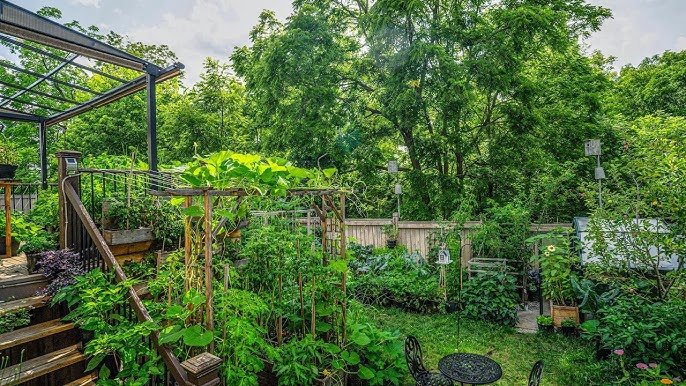
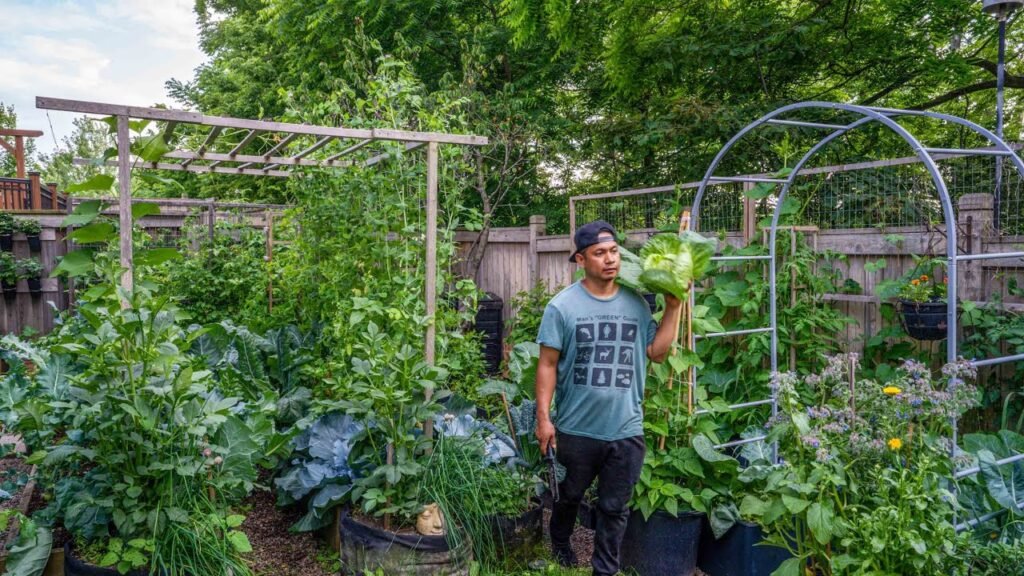
- 500+ Plants Flourish: From leafy greens to tomatoes, peppers, herbs, and flowering plants.
- Natural Pest Control in Action: Beneficial insects and companion planting kept pests under control.
- Healthy Soil Everywhere: Compost, vermicompost, and mulch maintained nutrient-rich beds.
- Vertical and Raised Beds: Maximized space and made maintenance easy.
Visitors to our garden are often amazed at the productivity, all without a single chemical input.
Conclusion
Growing a thriving garden with over 500 plants without chemicals is not only possible—it’s immensely rewarding. By focusing on healthy soil, natural pest management, organic fertilization, and proper maintenance, gardeners can produce abundant, nutritious food while supporting biodiversity and sustainability.
July 2025 has been a testament to what chemical-free gardening can achieve: lush beds, thriving vegetables, abundant herbs, and fruiting plants that show nature’s resilience and productivity. Whether you’re just starting or looking to scale up, these techniques will help you grow a productive, healthy garden naturally.
Start your chemical-free gardening journey today and experience the joy of a lush, abundant garden teeming with life and flavor!