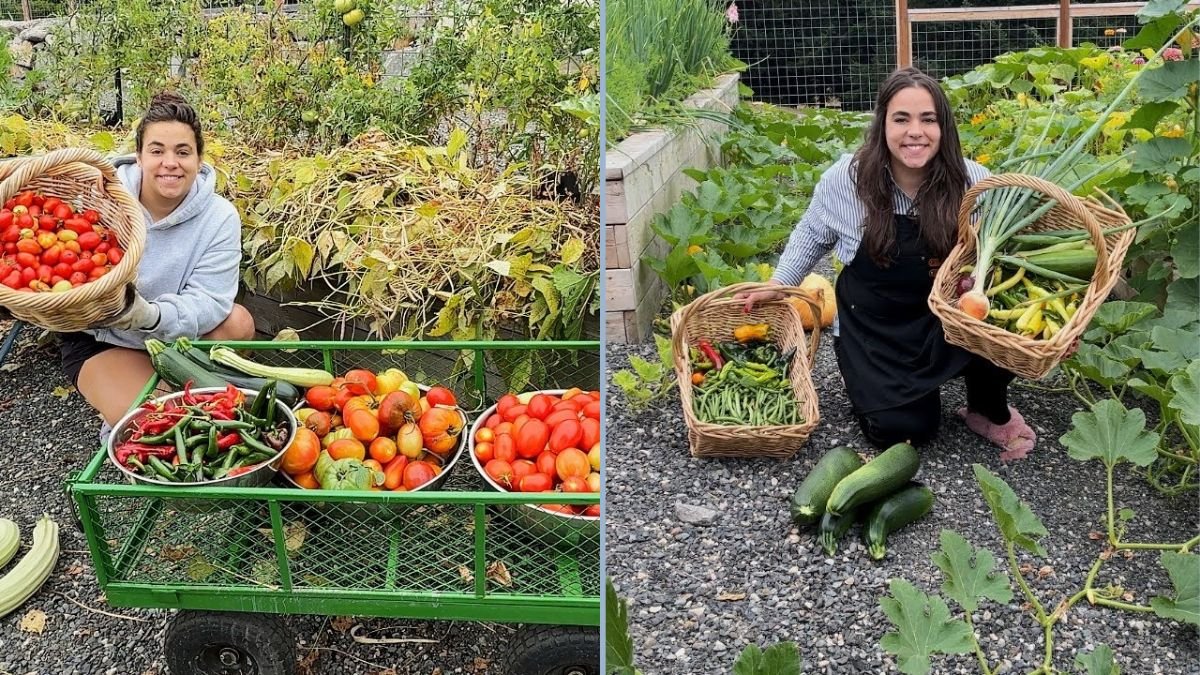
August is a month of excitement in the garden. After months of careful planting, nurturing, and maintenance, many gardens reach a peak of productivity—vibrant greenery, ripening vegetables, abundant herbs, and fruit-laden plants. A full August garden tour is not just a feast for the eyes; it’s a testament to seasonal planning, proper care, and sustainable gardening practices.
In this guide, we’ll take you through a full August garden tour, highlighting how we maintain a healthy, productive garden, maximize yields, and enjoy an abundant harvest. Whether you’re a beginner or an experienced gardener, you’ll find tips, tricks, and inspiration to replicate this success in your own garden.
Step 1: Planning the August Garden
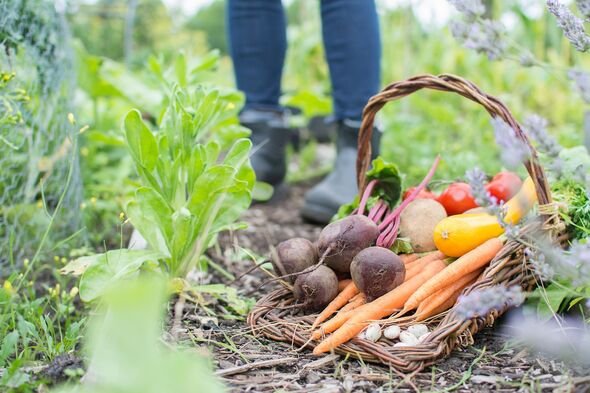
August is a transitional month in many regions—it marks the end of winter in the Southern Hemisphere or late summer in the Northern Hemisphere. Planning is crucial to ensure that the garden continues producing high yields:
- Succession Planting:
- Continue planting fast-growing crops like lettuce, radishes, and spinach to ensure continuous harvest.
- Start seedlings indoors for crops like tomatoes, peppers, and cucumbers to be transplanted later.
- Crop Rotation:
- Rotate plant families to maintain soil fertility and prevent disease buildup.
- Harvest Scheduling:
- Plan for staggered harvesting to enjoy fresh produce over several weeks instead of all at once.
Pro Tip: Keeping a garden journal in August helps track which crops are ready, which need nurturing, and which are ideal for succession planting.
Step 2: Preparing the Soil for Peak Productivity
Healthy soil ensures that plants reach their maximum potential:
- Enriching the Soil:
- Incorporate well-rotted compost, vermicompost, and organic matter to boost nutrients.
- Add natural fertilizers like bone meal, seaweed extract, or homemade compost tea.
- Maintaining Soil Structure:
- Loosen compacted areas and apply mulch to retain moisture.
- Mulch also suppresses weeds and protects roots from temperature fluctuations.
- Testing pH and Nutrients:
- Most vegetables thrive in a slightly acidic to neutral soil (pH 6–7).
- Adjust nutrient levels organically to support continued growth and fruiting.
Pro Tip: August is an excellent month to replenish soil nutrients and prepare for high-yield summer crops.
Step 3: Watering Strategies for Abundant Growth
Watering is essential during productive months:
- Consistent Moisture:
- Water regularly, especially for vegetables and fruiting plants.
- Avoid overwatering; soil should be moist but not soggy.
- Drip Irrigation or Soaker Hoses:
- These systems deliver water directly to roots, saving water and preventing leaf diseases.
- Rainwater Harvesting:
- Collect rainwater to reduce costs and maintain sustainable practices.
Pro Tip: Proper watering ensures vigorous growth and maximizes harvest potential.
Step 4: Planting and Crop Placement in August
Strategic planting ensures continuous harvest and efficient use of space:
- Vegetables:
- Fast-growing crops like lettuce, kale, pak choi, radishes, and spinach thrive in August.
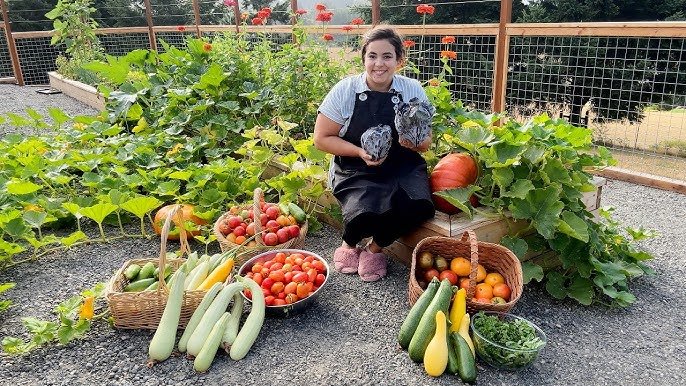
- Fruiting crops like tomatoes, peppers, cucumbers, and zucchini continue producing when cared for properly.
- Herbs:
- Basil, parsley, coriander, and chives are ready for cutting and frequent harvesting.
- Companion Planting:
- Marigolds, nasturtiums, and herbs can deter pests while attracting beneficial insects.
Pro Tip: Intercropping smaller plants between taller ones ensures maximum space utilization and reduces pest issues.
Step 5: Natural Pest and Disease Management
August can bring pests and diseases due to warm, humid conditions:
- Beneficial Insects:
- Encourage ladybugs, lacewings, and parasitic wasps to naturally control aphids and caterpillars.
- Organic Sprays:
- Neem oil, garlic spray, or chili spray protect crops without chemicals.
- Crop Monitoring:
- Regularly check plants for signs of infestation or disease to act quickly.
Pro Tip: Healthy, nutrient-rich plants are naturally more resilient to pests, reducing the need for intervention.
Step 6: Fertilizing for Continuous Yield
Fertilization ensures that plants continue producing high-quality fruits and vegetables:
- Organic Fertilizers:
- Compost, worm castings, and liquid organic fertilizers provide essential nutrients.
- Foliar Feeding:
- Spraying diluted organic fertilizers on leaves enhances nutrient absorption and supports flowering and fruiting.
- Targeted Feeding:
- Fruiting crops benefit from phosphorus and potassium-rich amendments.
Pro Tip: August is a key month for feeding fruiting plants to increase size, flavor, and yield.
Step 7: Harvesting Techniques in August
- Continuous Harvesting:
- Pick leafy greens, herbs, and tender vegetables regularly to encourage regrowth.
- Fruiting Crops:
- Harvest tomatoes, peppers, beans, and cucumbers at peak ripeness.
- Storage and Preservation:
- Use cool storage for leafy vegetables and herbs.
- Preserve surplus fruiting vegetables through freezing, canning, or pickling.
Pro Tip: Regular harvesting prevents overcrowding and stimulates plants to produce more.
Step 8: Seasonal Gardening Tips for August
- Cool-Weather Crops:
- Plant cabbage, broccoli, cauliflower, and carrots for autumn harvest.
- Seed Starting for Late Season Crops:
- Start seedlings indoors or under protection for crops like tomatoes, peppers, and zucchini.
- Soil Maintenance:
- Replenish organic matter after harvesting early crops to prepare for the next planting cycle.
Pro Tip: August is the perfect month to balance harvesting with new plantings to maintain productivity.
Step 9: Maximizing Space and Yield
- Vertical Gardening:
- Use trellises, cages, and hanging baskets for climbing crops.
- Succession Planting:
- Replace harvested crops with new seedlings to maintain continuous harvests.
- Intercropping:
- Plant fast-growing crops between slower-growing ones to maximize bed space.
Pro Tip: Creative use of space in August ensures that the garden remains productive and lush.
Step 10: Benefits of a Full August Garden
- Abundant Fresh Produce:
- Enjoy a variety of vegetables, herbs, and fruit for your meals.
- Nutrient-Dense Crops:
- Organic, home-grown produce is more flavorful and nutritious.
- Cost Savings:
- Reduce grocery bills and reliance on store-bought produce.
- Sustainable Gardening:
- Chemical-free gardening supports biodiversity and soil health.
- Recreational and Educational:
- Gardening in August is rewarding, teaches planning and observation, and provides a relaxing outdoor activity.
Pro Tip: A productive August garden sets the tone for a successful harvest season in the months to come.
Step 11: Highlights from Our August Garden Tour
During our August tour, we noticed:
- Vibrant Beds of Leafy Greens: Spinach, kale, and lettuce thriving.
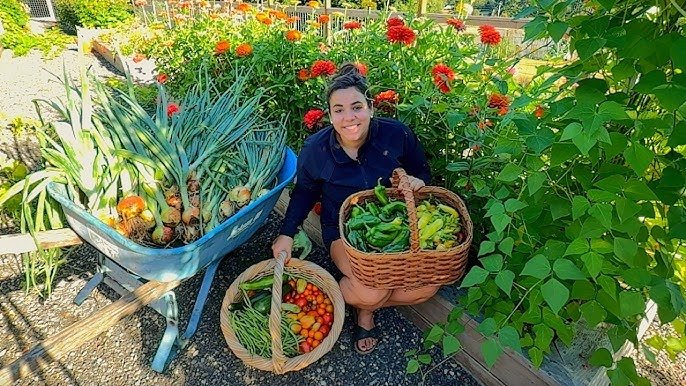
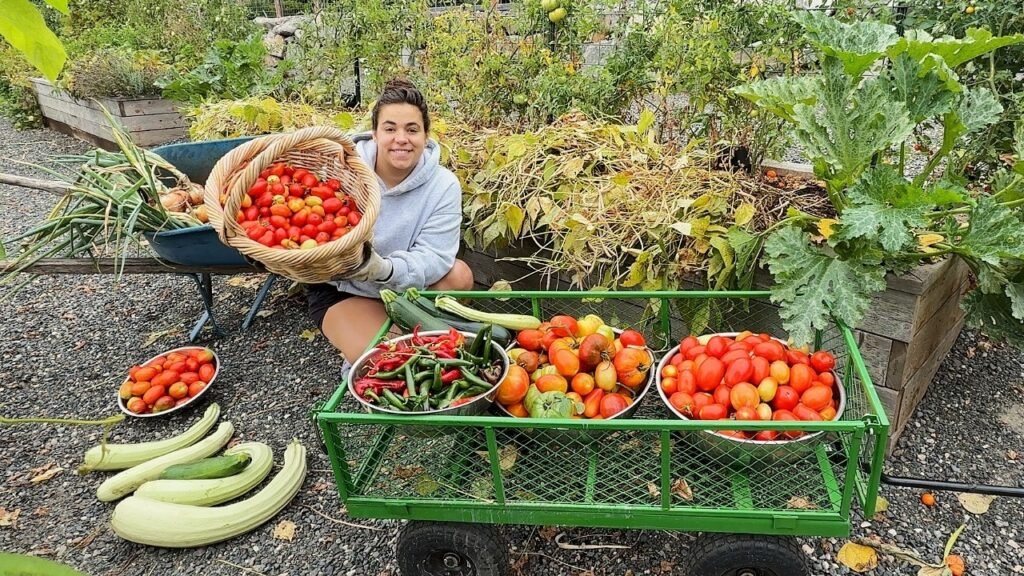
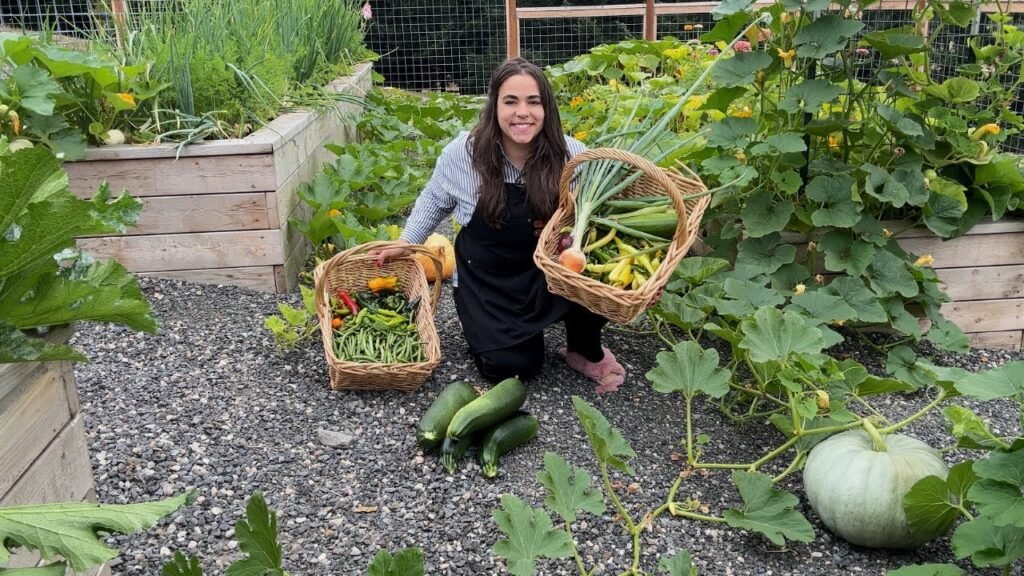
- Fruiting Vegetables Abundant: Tomatoes, peppers, cucumbers, beans, and zucchini producing plentifully.
- Herbs Everywhere: Basil, coriander, parsley, and chives ready for frequent harvesting.
- Healthy Soil and Mulching: Nutrient-rich, well-mulched beds supporting vigorous growth.
- Natural Pest Control: Companion planting and beneficial insects keeping pests at bay.
The garden is a living demonstration of how careful planning and organic practices result in an abundant harvest.
Conclusion
A full August garden tour shows the rewards of consistent care, strategic planning, and sustainable practices. By combining nutrient-rich soil, proper watering, natural pest management, and continuous harvesting, it’s possible to enjoy abundant produce throughout the month and beyond.
August marks a peak in the gardening calendar—a time to celebrate growth, reap the benefits of your hard work, and plan for the next cycle of planting. Whether you grow leafy greens, fruiting vegetables, or herbs, applying these techniques ensures that your garden remains lush, productive, and chemical-free.
Start your August garden today, and experience the joy of harvesting fresh, healthy, and abundant produce straight from your backyard!