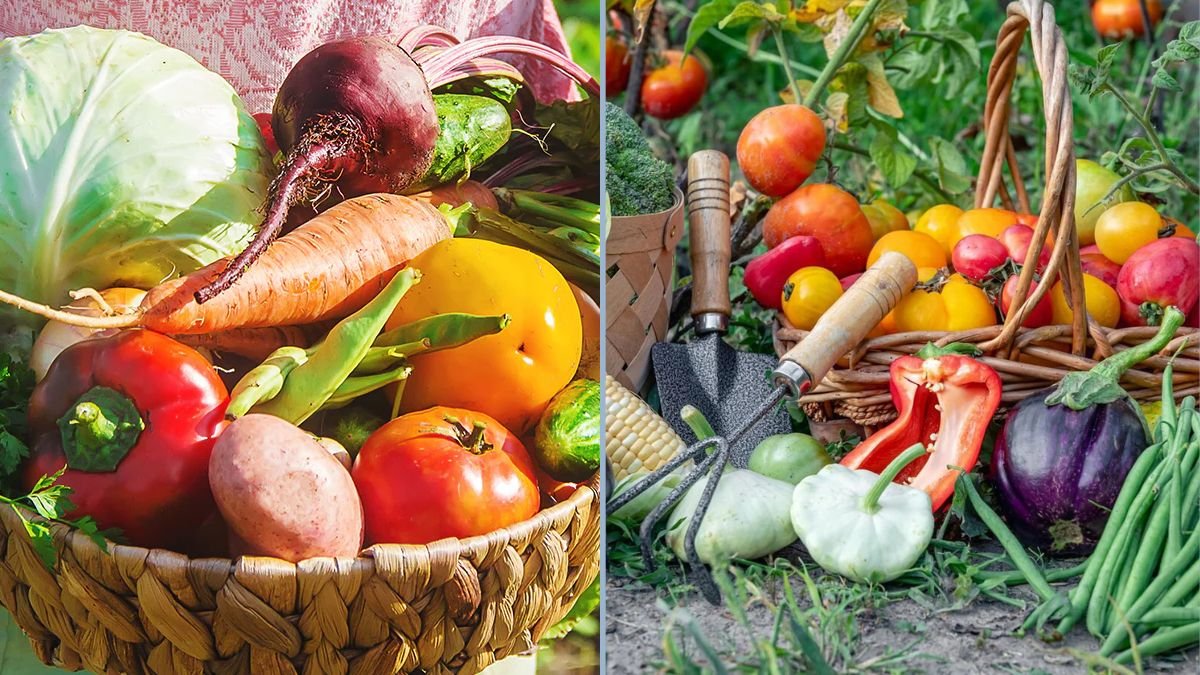
Harvesting vegetables is one of the most rewarding parts of gardening. After weeks or months of planting, nurturing, watering, and pest management, finally picking fresh, homegrown vegetables feels like a small victory. Not only does harvesting provide fresh, nutrient-rich food, but it also gives insight into how well your garden has thrived and what adjustments you might make for the next planting cycle.
In this guide, we’ll cover the best practices for harvesting different types of vegetables, tips for maximizing yield, timing, and storage, and how to get the most flavor and nutrition from your garden produce. Whether you’re growing a small backyard plot or a large garden, these tips will make your harvest efficient, enjoyable, and fruitful.
Step 1: Knowing When to Harvest
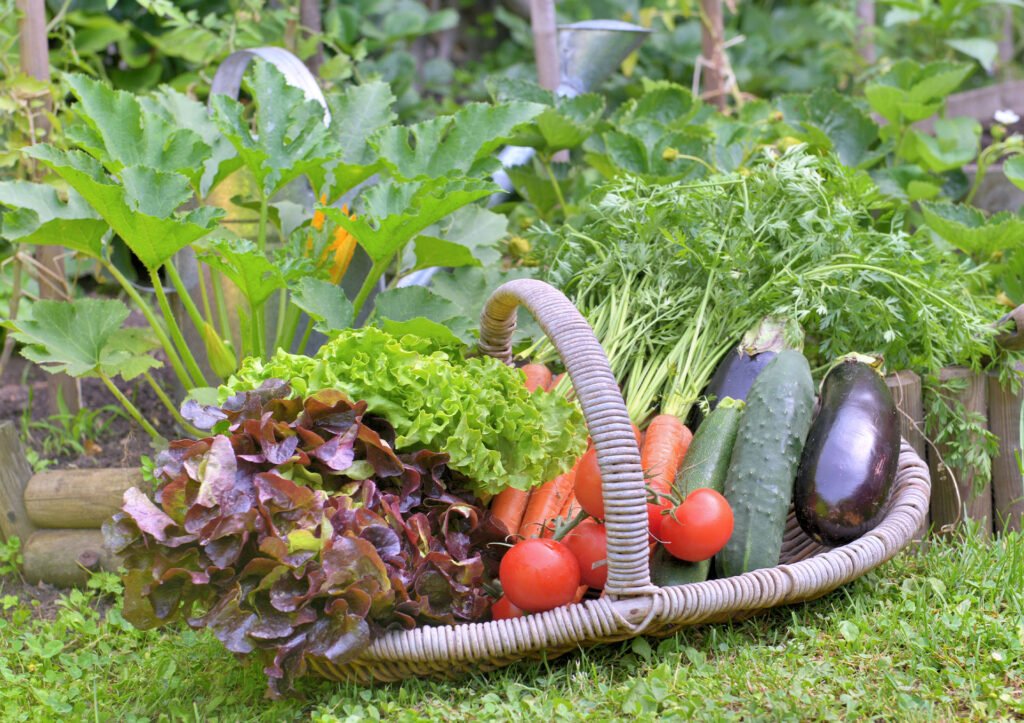
Timing is everything when it comes to picking vegetables. Harvesting too early can result in underdeveloped produce, while waiting too long can affect taste and texture.
- Leafy Greens:
- Lettuce, spinach, kale, and chard should be harvested when leaves are tender and bright green.
- Pick outer leaves first to allow the plant to continue producing.
- Root Vegetables:
- Carrots, radishes, beets, and turnips are ready when they reach their expected size.
- For carrots and radishes, feel free to pull one or two early to check size.
- Fruiting Vegetables:
- Tomatoes, peppers, cucumbers, and squash should be harvested when fully colored and firm.
- Overripe fruit may split or attract pests.
- Pods and Legumes:
- Beans and peas should be picked when pods are plump but before seeds harden.
- Herbs:
- Harvest leaves before flowering for maximum flavor.
- Snip gently to avoid damaging the main plant.
Pro Tip: Observing your vegetables daily allows you to harvest at peak freshness and flavor.
Step 2: Tools for a Successful Harvest
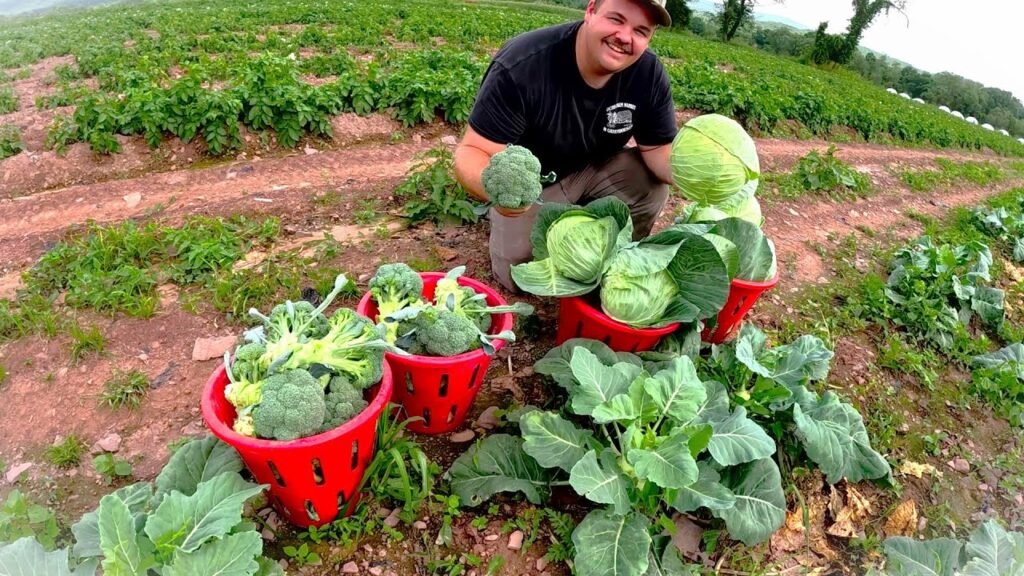
Having the right tools makes harvesting quicker, cleaner, and more efficient:
- Garden Shears or Pruners:
- Perfect for cutting stems of tomatoes, peppers, and herbs without damaging the plant.
- Harvesting Knife:
- Useful for root vegetables and tough-stemmed crops like squash.
- Baskets or Containers:
- Use shallow baskets to prevent crushing delicate vegetables like leafy greens and tomatoes.
- Gloves:
- Protect your hands from prickly stems, thorns, or sticky sap.
Pro Tip: Keeping tools clean and sharp prevents damage to plants and reduces the risk of spreading disease.
Step 3: Harvesting Techniques for Different Vegetables
- Leafy Greens:
- Use scissors or pinch leaves by hand.
- Avoid removing more than one-third of the plant at a time to encourage regrowth.
- Root Crops:
- Gently loosen soil around roots before pulling carrots, beets, and radishes.
- Trim leaves immediately to maintain freshness and prevent nutrient loss.
- Fruiting Vegetables:
- Cut tomatoes, peppers, and eggplants using shears, leaving a small stem attached.
- For cucumbers and squash, cut the stem with a sharp knife to avoid damaging the vine.
- Pods and Legumes:
- Snap beans or peas off gently by hand.
- Avoid tugging, which can damage the plant and reduce future yields.
- Herbs:
- Pinch or cut just above a leaf node to promote bushy growth.
- Avoid removing more than one-third of the plant at a time.
Pro Tip: Gentle handling during harvesting preserves flavor, texture, and shelf life.
Step 4: Maximizing Yield Through Proper Harvesting
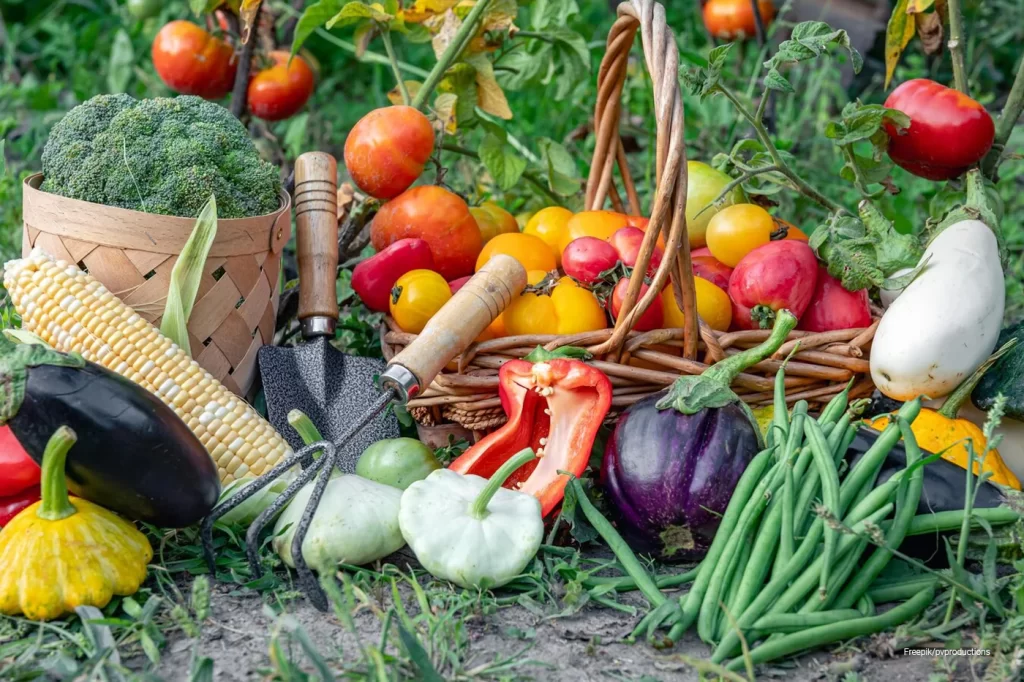
Harvesting isn’t just about picking vegetables—it’s also about encouraging plants to keep producing:
- Regular Harvesting:
- Picking vegetables frequently prevents overripe produce and encourages new growth.
- Selective Harvesting:
- For crops like tomatoes and peppers, pick fruits individually as they ripen.
- Pruning During Harvest:
- Remove old or damaged leaves and flowers to redirect energy to healthy fruit production.
- Succession Harvesting:
- Harvest early-maturing crops first, then plant additional seeds in their place to maintain continuous production.
Pro Tip: A consistent harvesting routine keeps plants productive and prevents waste.
Step 5: Seasonal Considerations for Harvesting
- Spring and Early Summer:
- Focus on leafy greens, radishes, peas, and early root crops.
- Summer:
- Fruiting vegetables like tomatoes, peppers, cucumbers, and squash reach peak harvest.
- Herbs like basil, coriander, and parsley thrive and require regular cutting.
- Late Summer and Fall:
- Root vegetables, broccoli, cauliflower, and cabbage are ready.
- Leafy greens can be harvested for a second growth cycle if planted early.
Pro Tip: Understanding seasonal growth patterns allows for maximum productivity and continuous harvest throughout the year.
Step 6: Post-Harvest Handling
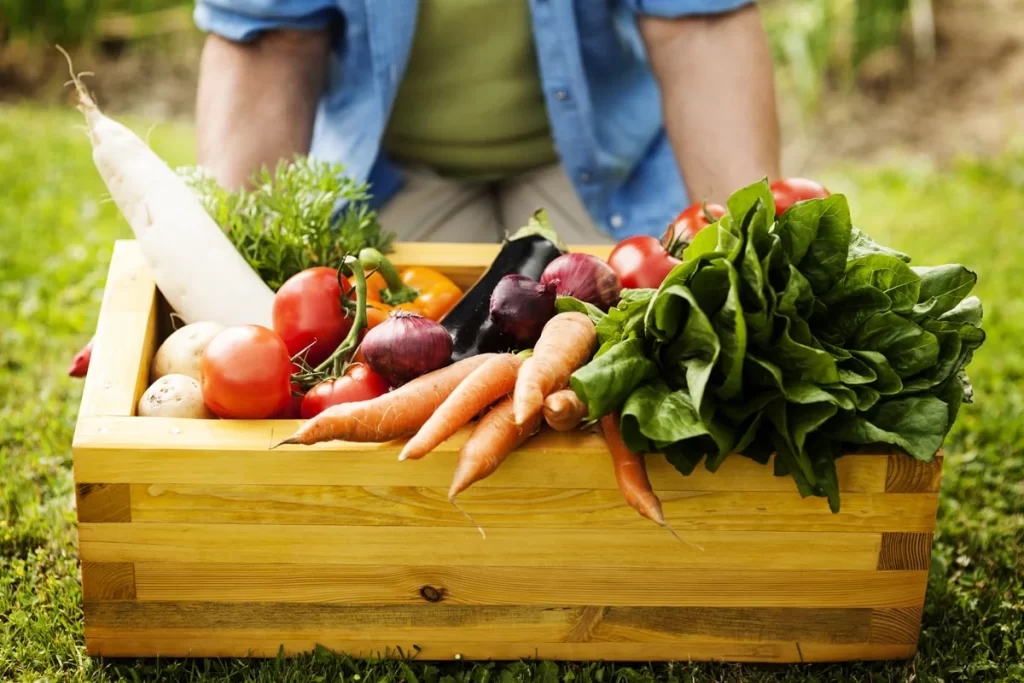
Proper handling after harvesting is crucial to preserve freshness, flavor, and nutrients:
- Cleaning:
- Wash vegetables gently under cool water to remove soil and debris.
- Avoid soaking for too long, especially for leafy greens, to prevent nutrient loss.
- Drying:
- Pat dry or use a salad spinner for leafy vegetables to remove excess moisture.
- Storage:
- Leafy greens: store in perforated plastic or cloth bags in the fridge.
- Root vegetables: keep in a cool, dark, and humid environment.
- Tomatoes: store at room temperature for best flavor.
- Preservation:
- Freeze, pickle, can, or dehydrate surplus produce to extend shelf life.
Pro Tip: Proper post-harvest care ensures your vegetables retain maximum nutrition and taste.
Step 7: Common Harvesting Mistakes and How to Avoid Them
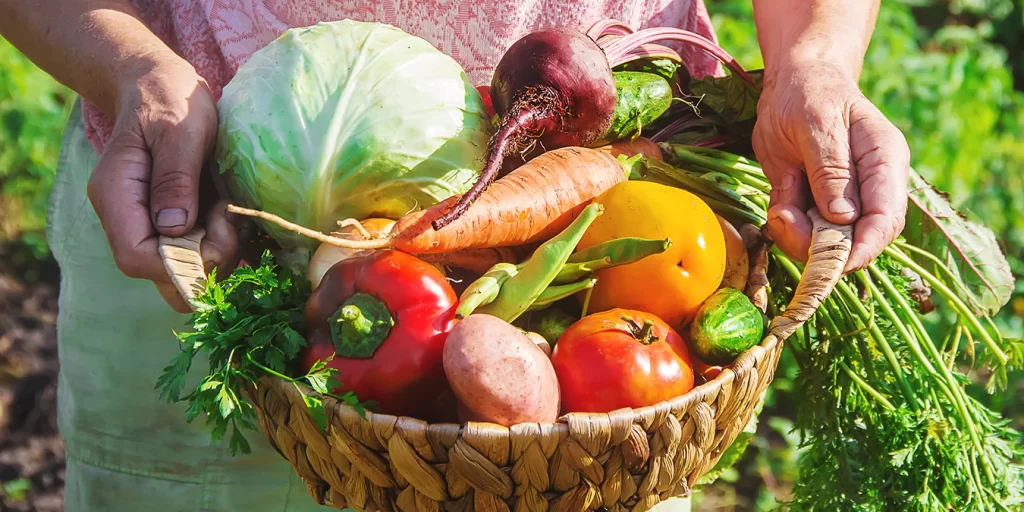
- Picking Too Early:
- Can result in bland or underdeveloped vegetables.
- Solution: Monitor color, size, and firmness to determine readiness.
- Over-Harvesting:
- Removing too much of the plant at once can stunt growth.
- Solution: Harvest in moderation, leaving enough foliage for photosynthesis.
- Using Dull Tools:
- Can crush stems and damage fruits.
- Solution: Keep garden scissors and knives sharp and clean.
- Ignoring Weather Conditions:
- Harvesting in extreme heat or after heavy rain can damage vegetables.
- Solution: Pick early morning or late afternoon and handle produce gently.
Pro Tip: Awareness of these common mistakes will maximize harvest quality and quantity.
Step 8: Creative Uses for Harvested Vegetables
Harvesting is just the beginning—the fun continues in the kitchen:
- Fresh Salads:
- Use leafy greens, cherry tomatoes, and cucumbers for vibrant summer salads.
- Stir-Fries and Sautéed Dishes:
- Peppers, carrots, zucchini, and leafy greens make nutritious, colorful meals.
- Pickling and Preserving:
- Cucumbers, beans, carrots, and peppers can be pickled for long-term use.
- Soups and Stews:
- Root vegetables, squash, and herbs create hearty and flavorful dishes.
- Herb Infusions:
- Fresh herbs like basil and parsley can flavor oils, sauces, and teas.
Pro Tip: Cooking with freshly harvested vegetables enhances flavor and nutrition compared to store-bought produce.
Step 9: Benefits of Harvesting Your Own Garden Vegetables
- Nutritional Value:
- Homegrown vegetables are fresher, often more flavorful, and nutrient-dense.
- Cost Savings:
- Reduces grocery bills and reliance on store produce.
- Sustainability:
- Growing your own vegetables reduces packaging waste and carbon footprint.
- Mental Health Benefits:
- Harvesting and gardening reduce stress and connect you with nature.
- Educational Opportunity:
- Great for teaching children about food, plants, and healthy eating.
Pro Tip: Harvesting is not just about food—it’s a holistic experience that benefits health, environment, and family.
Step 10: Tips for a Successful Year-Round Harvest
- Plan for Successive Planting:
- Stagger planting dates for continuous harvest.
- Rotate Crops:
- Prevent soil depletion and reduce pest problems.
- Keep a Garden Journal:
- Track planting dates, harvest times, and yields to improve efficiency.
- Experiment with Varieties:
- Try different vegetables to find what grows best in your climate.
- Maintain Soil Health:
- Add compost and organic matter regularly to support vigorous plant growth.
Pro Tip: Consistent care and planning ensure a productive and rewarding garden year-round.
Conclusion
Harvesting garden vegetables is one of the most satisfying aspects of gardening. It’s the reward for your time, effort, and care, providing fresh, nutritious, and flavorful produce for your family. By understanding when and how to harvest, using the right tools, handling vegetables carefully, and employing proper storage, you can maximize both the quality and quantity of your yield.
Whether you’re picking leafy greens, root crops, fruiting vegetables, or herbs, each harvest is a celebration of growth, effort, and sustainability. With these tips, your garden can provide abundant, delicious vegetables all year round—turning your backyard into a personal farm-to-table experience.