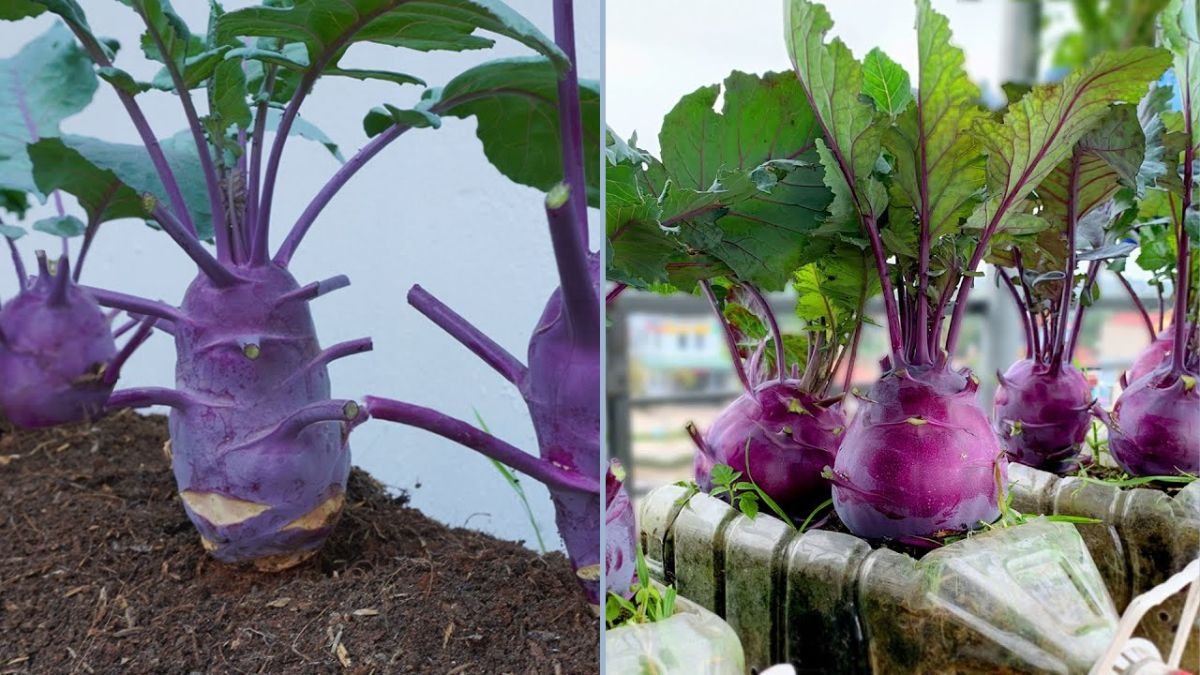
Purple kohlrabi, a striking member of the cabbage family, is both visually stunning and incredibly nutritious. Its crisp, sweet, and mild-flavored tubers make it perfect for salads, roasting, stir-fries, or even eating raw. While many people associate kohlrabi with specialty markets, growing it at home is surprisingly easy and rewarding. With the right techniques, you can cultivate large, healthy purple tubers that will impress both your taste buds and your garden visitors.
This guide will take you step-by-step through everything you need to know to grow purple kohlrabi at home—from choosing seeds to harvesting your first beautiful tubers.
Why Grow Purple Kohlrabi at Home?
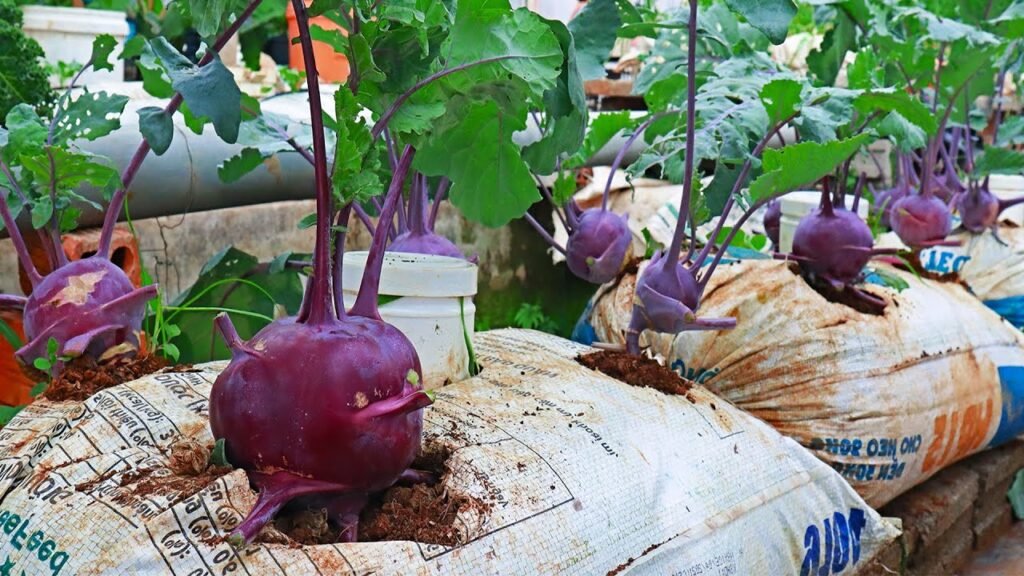
Growing purple kohlrabi at home has several advantages:
- Freshness and Flavor: Homegrown kohlrabi is tender, juicy, and flavorful—far superior to store-bought varieties.
- Nutritional Benefits: Kohlrabi is rich in vitamin C, fiber, potassium, and antioxidants, supporting immunity and digestion.
- Cost-Effective: Buying large quantities of kohlrabi from stores can be expensive, but growing your own ensures a steady supply.
- Space-Efficient: Kohlrabi doesn’t require much space, making it ideal for small gardens, raised beds, or containers.
- Aesthetically Pleasing: The vibrant purple color adds visual appeal to your garden or salad bowls.
Whether you are a seasoned gardener or a beginner, kohlrabi is a great choice for home cultivation.
Materials Needed to Grow Kohlrabi
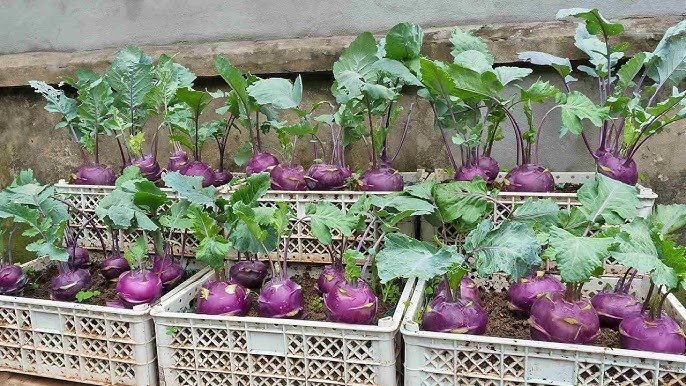
Before starting, gather the following items:
- Purple kohlrabi seeds or seedlings
- Fertile, well-draining soil
- Compost or well-rotted manure
- Raised beds, containers, or garden plots
- Watering can or hose
- Mulch (straw or leaves)
- Optional: garden tools such as trowels or small hoes
Having the right materials ensures healthy growth and maximizes your chances of producing large, beautiful tubers.
Step 1: Choosing the Right Kohlrabi Variety
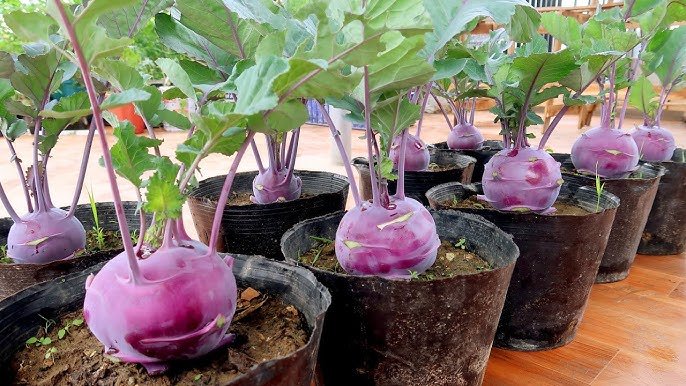
Purple kohlrabi comes in several varieties, each with slightly different growth habits:
- Kohlrabi ‘Purple Vienna’: Produces large, round, deep-purple tubers with sweet, crisp flesh.
- Kohlrabi ‘Purple Express’: Grows quickly and is ideal for beginners or short growing seasons.
- Kohlrabi ‘Red Ball’: Compact plants with attractive purple-red tubers, perfect for small spaces.
Choose a variety based on your available space, growing season, and desired tuber size. ‘Purple Vienna’ is particularly popular for its large and uniform tubers.
Step 2: Preparing the Soil
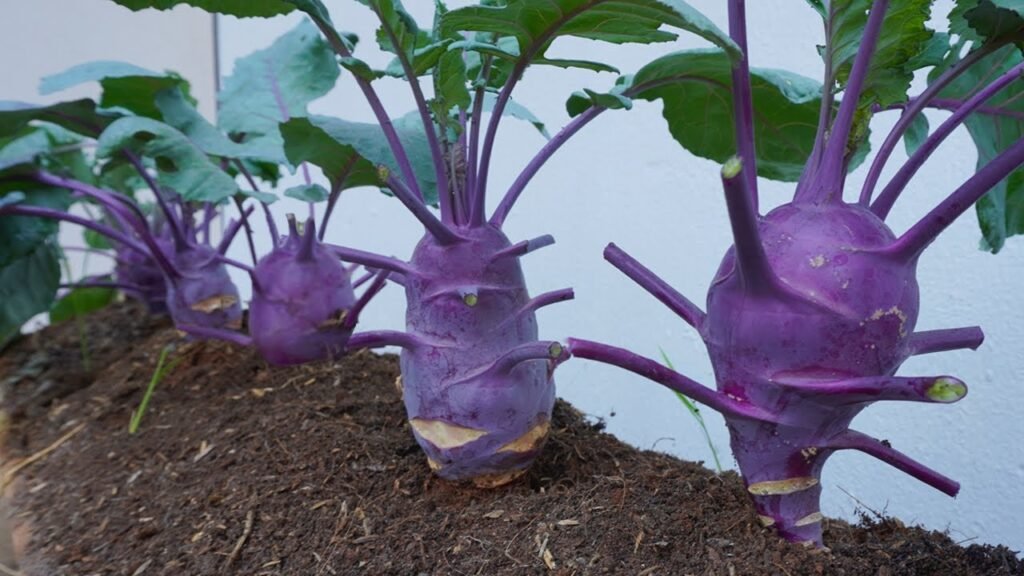
Kohlrabi thrives in fertile, loose, and well-draining soil. Proper soil preparation is critical for producing large, beautiful tubers.
- Loosen the Soil: Till or dig the soil to a depth of 12–15 inches to allow tubers to expand freely.
- Add Organic Matter: Mix compost or well-rotted manure into the soil to improve fertility and moisture retention.
- Check Soil pH: Kohlrabi prefers slightly acidic to neutral soil, ideally with a pH between 6.0 and 7.5.
- Ensure Drainage: Raised beds or containers are excellent for preventing waterlogging, which can rot tubers.
Pro Tip: Avoid planting kohlrabi in heavy clay soil without proper amendment, as compact soil restricts tuber development.
Step 3: Sowing Seeds or Transplanting Seedlings
Kohlrabi can be grown from seeds or transplants:
From Seeds:
- Sow seeds directly into prepared soil, ¼ inch deep.
- Space seeds 2–4 inches apart, thinning later to avoid overcrowding.
- Keep soil moist until germination, which usually occurs within 7–14 days.
From Seedlings:
- Start seeds indoors 4–6 weeks before the last frost.
- Transplant seedlings when they have 2–3 true leaves, spacing plants 6–12 inches apart.
Pro Tip: Thinning is essential to prevent competition for nutrients and ensure tubers grow large.
Step 4: Watering and Fertilizing Kohlrabi
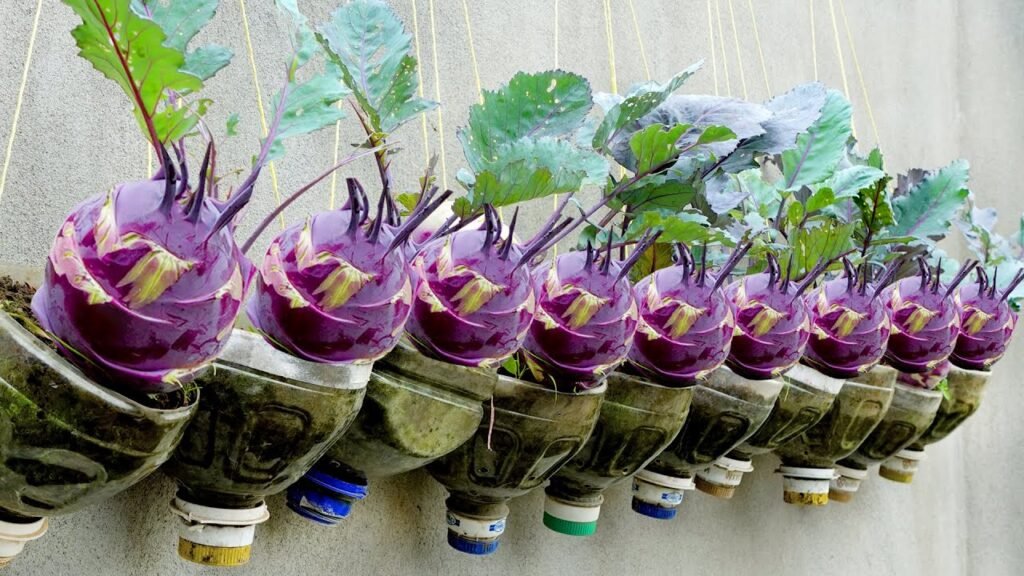
Kohlrabi needs consistent moisture and nutrients to produce large tubers:
- Watering: Keep soil consistently moist but not waterlogged. Deep watering encourages strong root and tuber development.
- Fertilizing: Apply a balanced organic fertilizer or compost every 2–3 weeks. Avoid excessive nitrogen, which promotes leafy growth at the expense of tubers.
- Mulching: Use straw, leaves, or grass clippings to retain soil moisture and regulate temperature.
Pro Tip: Regular watering during dry periods prevents tubers from becoming woody or splitting.
Step 5: Managing Pests and Diseases
Kohlrabi is generally hardy but can face issues from pests like cabbage worms, aphids, and flea beetles.
Organic Pest Control:
- Inspect plants regularly for damage and remove pests manually.
- Use neem oil or insecticidal soap for infestations.
- Encourage beneficial insects like ladybugs and lacewings.
Preventing Disease:
- Ensure proper spacing for airflow to reduce fungal issues.
- Avoid overhead watering to minimize leaf diseases.
- Rotate crops annually to prevent soil-borne diseases.
Pro Tip: Companion planting with herbs like dill, mint, or rosemary can naturally deter pests.
Step 6: Supporting and Caring for Plants
Though kohlrabi is low-growing, proper care ensures tubers develop large and uniform:
- Thinning Plants: Remove smaller seedlings to give remaining plants enough space.
- Weeding: Keep the area free of weeds, which compete for nutrients and water.
- Monitoring Growth: Watch for uneven tubers or stunted growth, which may indicate soil or water issues.
Regular attention to plant health ensures your purple kohlrabi produces impressive tubers.
Step 7: Harvesting Kohlrabi
Timing is crucial for optimal flavor and size:
- Kohlrabi is typically ready 6–8 weeks after sowing for small, tender tubers, and 8–12 weeks for larger tubers.
- Harvest when tubers are 2–3 inches in diameter for best taste. Oversized tubers can become woody.
- Pull the plant gently or use a garden fork to lift tubers from the soil.
Pro Tip: Regular harvesting encourages continuous growth, especially if you grow successive crops.
Step 8: Storing and Using Kohlrabi
Kohlrabi can be stored for several weeks if handled properly:
- Trim leaves close to the tuber to prevent moisture loss.
- Store in a cool, dry place or in the refrigerator crisper.
- Use raw in salads, sliced for stir-fries, roasted, or even pickled.
Its versatility makes kohlrabi a great addition to any meal.
Tips for Growing Big, Beautiful Purple Kohlrabi
- Choose the Right Variety: Some varieties naturally produce larger tubers.
- Maintain Consistent Watering: Avoid drought stress or overwatering.
- Use Fertile Soil: Rich, loose soil supports uniform tuber growth.
- Thin Plants Properly: Prevent overcrowding to maximize tuber size.
- Harvest at the Right Time: Tubers left too long can become tough and woody.
- Practice Crop Rotation: Prevents nutrient depletion and soil-borne diseases.
By following these tips, your homegrown purple kohlrabi will be both large and aesthetically pleasing.
Conclusion
Growing purple kohlrabi at home is easier than many gardeners think. With proper soil preparation, careful planting, consistent watering, and regular maintenance, you can cultivate large, beautiful tubers that are both delicious and nutritious. Whether you have a backyard garden, raised beds, or even containers, kohlrabi is a rewarding crop for beginners and experienced gardeners alike.
By taking the time to care for your plants, monitor their growth, and harvest at the right moment, you’ll enjoy the satisfaction of fresh, homegrown vegetables—and stunning purple tubers that are as beautiful on the plate as they are in the garden.
Start your purple kohlrabi garden today, and discover just how easy and rewarding it can be to grow your own nutritious vegetables at home.