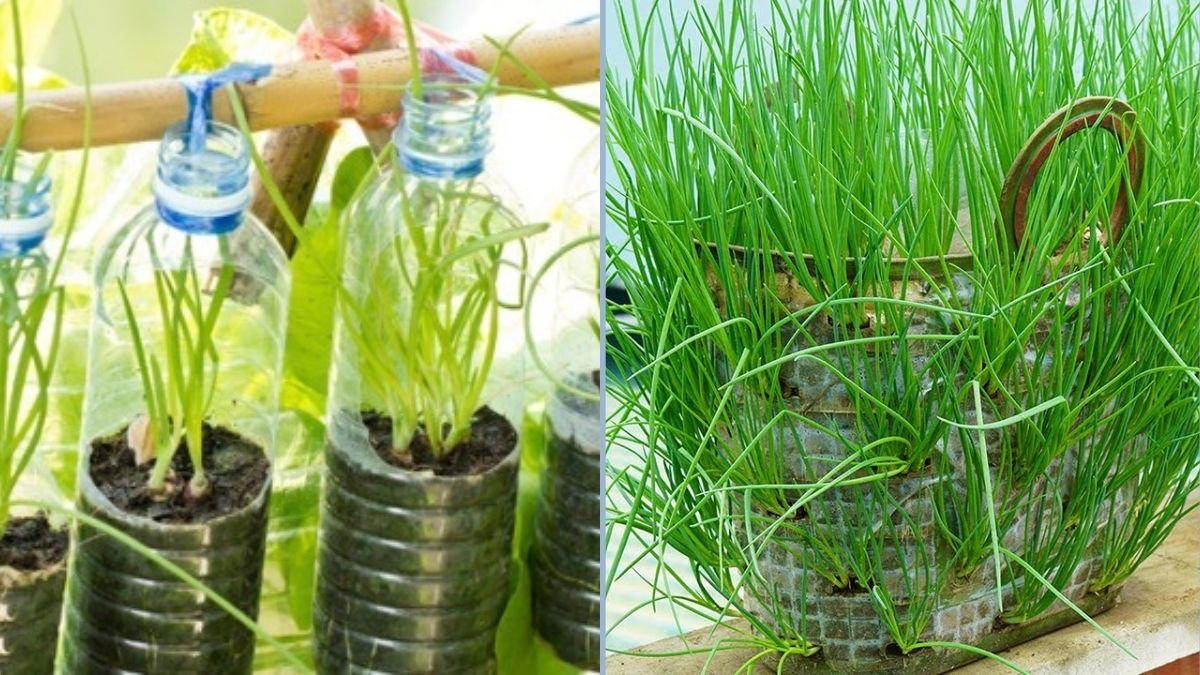
Growing your own fresh herbs at home is one of the simplest and most rewarding ways to enhance your meals while reducing your grocery bills. Among the most versatile and easy-to-grow herbs, chives (Allium schoenoprasum) stand out. Their mild onion flavor can transform salads, soups, omelets, and a wide range of dishes. The good news is, you don’t need a large garden or expensive pots to grow chives. With a little creativity, even discarded plastic bottles can be repurposed into effective planters. This guide will walk you through the process of growing chives at home using recycled bottles, making your herb garden eco-friendly, practical, and fun.
Why Grow Chives at Home?
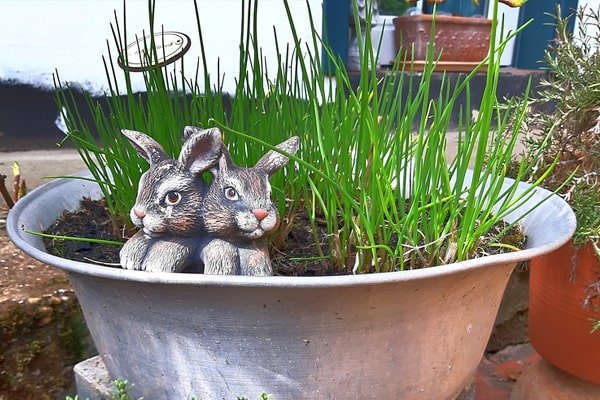
Chives are not only delicious but also packed with nutritional benefits. They are rich in vitamins A, C, and K, and provide antioxidants that support overall health. Homegrown chives are fresher and more flavorful than store-bought ones, and growing them yourself ensures no pesticides or harmful chemicals are used.
Additionally, growing chives indoors or on a balcony allows you to enjoy a constant supply year-round, regardless of season. Chives are perennial herbs, which means they can keep producing leaves for several years if cared for properly. This makes them a long-term addition to your sustainable home garden.
Why Use Discarded Plastic Bottles?
Using discarded plastic bottles as planters is an excellent way to practice sustainability while saving money. Plastic bottles are widely available, durable, and can easily be transformed into functional containers for small herb gardens. Some benefits include:
- Cost-effective: No need to buy expensive pots.
- Eco-friendly: Repurposing plastic bottles reduces waste and supports recycling.
- Space-saving: Vertical arrangements of bottles can maximize space for small apartments or balconies.
- Customizable: You can cut and shape bottles to fit your design needs, including creating hanging planters or self-watering systems.
By using plastic bottles, you’re turning trash into treasure while cultivating fresh, healthy herbs at home.
Materials Needed
To start growing chives in plastic bottles, gather the following materials:
- Empty plastic bottles (1–2 liters work best)
- Sharp scissors or a craft knife
- Potting soil or a soil mix suitable for herbs
- Chive seeds or small seedlings
- Water
- Optional: String or hooks for hanging, gravel or small stones for drainage
Step-by-Step Guide to Making Plastic Bottle Chive Planters
1. Prepare the Bottle
Start by cleaning the plastic bottle thoroughly to remove any residue from previous contents. Remove labels for a cleaner look and better sunlight exposure if your bottle is transparent.
Next, decide how you want to plant your chives:
- Horizontal planter: Cut a long horizontal slit along the side of the bottle for planting.
- Vertical planter: Cut the top off the bottle to use it as a simple pot. You can also stack bottles vertically for a mini vertical garden.
2. Create Drainage Holes
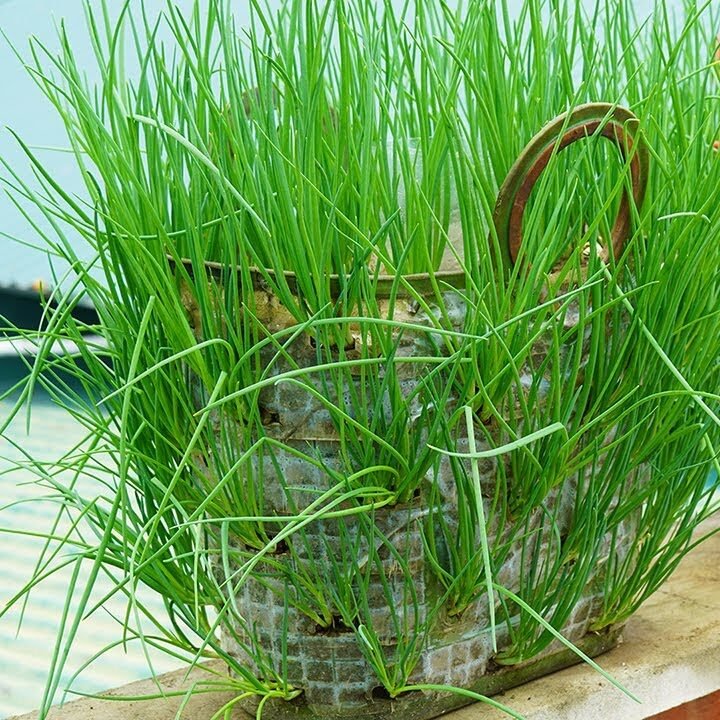
Good drainage is crucial to prevent waterlogging, which can rot the roots. Use a sharp tool or scissors to poke a few small holes at the bottom of the bottle. For vertical or hanging planters, adding a layer of small stones or gravel at the bottom can further improve drainage.
3. Add Soil
Fill the bottle with a good quality potting soil, leaving about an inch from the top to make watering easier. If you’re using soil from your garden, make sure it’s loose, well-draining, and free from pests or diseases. A mix of compost and garden soil works beautifully for herbs.
4. Plant the Chives
If using seeds:
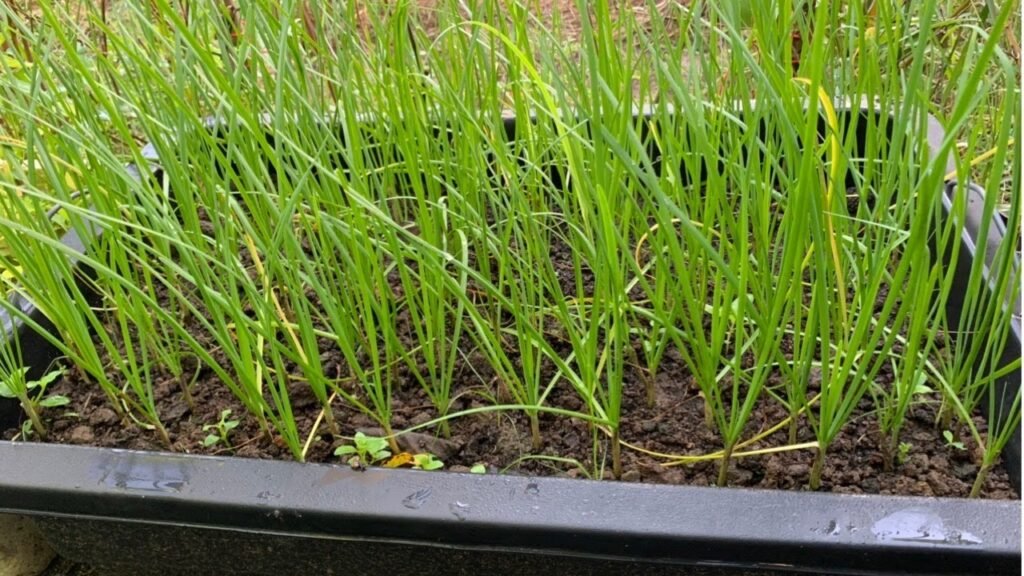
- Scatter the seeds evenly across the soil surface and cover lightly with a thin layer of soil.
- Keep the soil moist but not soggy until the seeds germinate, which usually takes 7–14 days.
If using seedlings:
- Dig a small hole in the soil for each seedling and gently place it in the hole.
- Cover the roots with soil and pat down lightly to secure the plant.
Chives grow best in full sun, so place your bottle planters near a sunny window or on a balcony with plenty of sunlight.
5. Watering and Maintenance
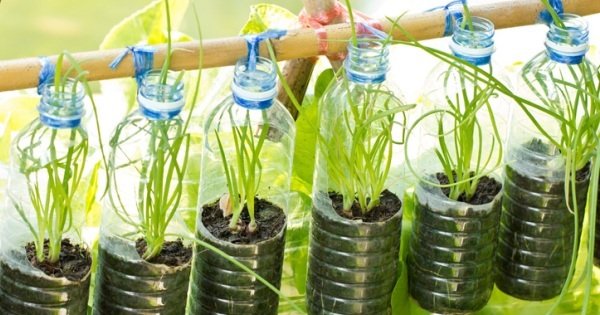
Chives prefer consistently moist soil, but overwatering can lead to root rot. Water lightly whenever the top inch of soil feels dry. If your bottle is transparent, it’s easier to monitor soil moisture and root health.
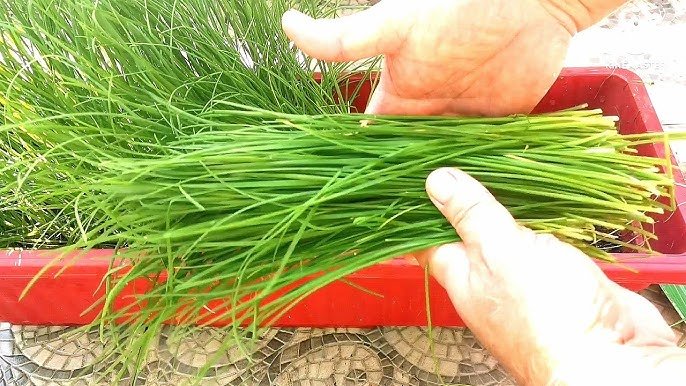
Regularly trim the chives by cutting the leaves with scissors about an inch above the soil line. This encourages new growth and prevents the plant from becoming too long or sparse. Avoid cutting all the leaves at once; leave enough foliage for the plant to continue photosynthesis and thrive.
6. Fertilizing
Chives are relatively low-maintenance, but occasional feeding can boost growth. Use a balanced, water-soluble fertilizer once a month during the growing season. Organic options like compost tea or liquid seaweed are also excellent choices for sustainable gardening.
Tips for Maximizing Growth in Bottle Planters
- Rotate regularly: Turn your bottle planters every few days to ensure all sides get equal sunlight.
- Protect from pests: Indoor chives are usually less prone to pests, but watch out for aphids or fungal growth. Neem oil or insecticidal soap can help if needed.
- Harvest smartly: Regular harvesting not only provides fresh herbs but also stimulates growth. Use scissors to snip leaves instead of pulling them out.
- Create a vertical herb wall: Stack multiple bottles or hang them using strings to save space and create a visually appealing herb display.
Benefits of Growing Chives in Plastic Bottles
Growing chives in recycled plastic bottles offers a range of advantages:
- Environmental impact: Reduces plastic waste by reusing bottles.
- Space efficiency: Perfect for urban gardening, balconies, or small indoor spaces.
- Cost savings: Eliminates the need for traditional pots or planters.
- Accessibility: Makes herb gardening easy for beginners, children, or those with limited outdoor space.
- Year-round harvest: Indoor bottle gardens allow you to grow chives regardless of the season.
Culinary Uses for Fresh Chives
Once your chives start growing, you’ll have a fresh supply of this aromatic herb ready to enhance your cooking. Here are some popular ways to use chives:
- Sprinkle over salads for a mild onion flavor.
- Add to omelets, scrambled eggs, or frittatas.
- Mix into cream cheese, butter, or yogurt dips.
- Use as a garnish for soups and stews.
- Blend into homemade herb sauces or dressings.
Fresh chives elevate any dish with their subtle, onion-like flavor, making them a kitchen essential.
Final Thoughts
Growing chives at home using discarded plastic bottles is a simple, sustainable, and rewarding project. It allows you to enjoy fresh, nutrient-rich herbs while contributing to environmental conservation by repurposing waste. By following the steps outlined above, even beginners can create thriving chive gardens indoors or outdoors, with minimal cost and effort.
Not only does this approach save money and reduce waste, but it also adds a touch of greenery to your living space, promotes healthier eating habits, and provides a fun gardening experience. With just a few bottles, soil, and seeds, you can transform ordinary trash into a flourishing herb garden that keeps on giving.
So, grab those discarded bottles, start your chive garden, and enjoy the satisfaction of growing fresh herbs at home—all while helping the planet!