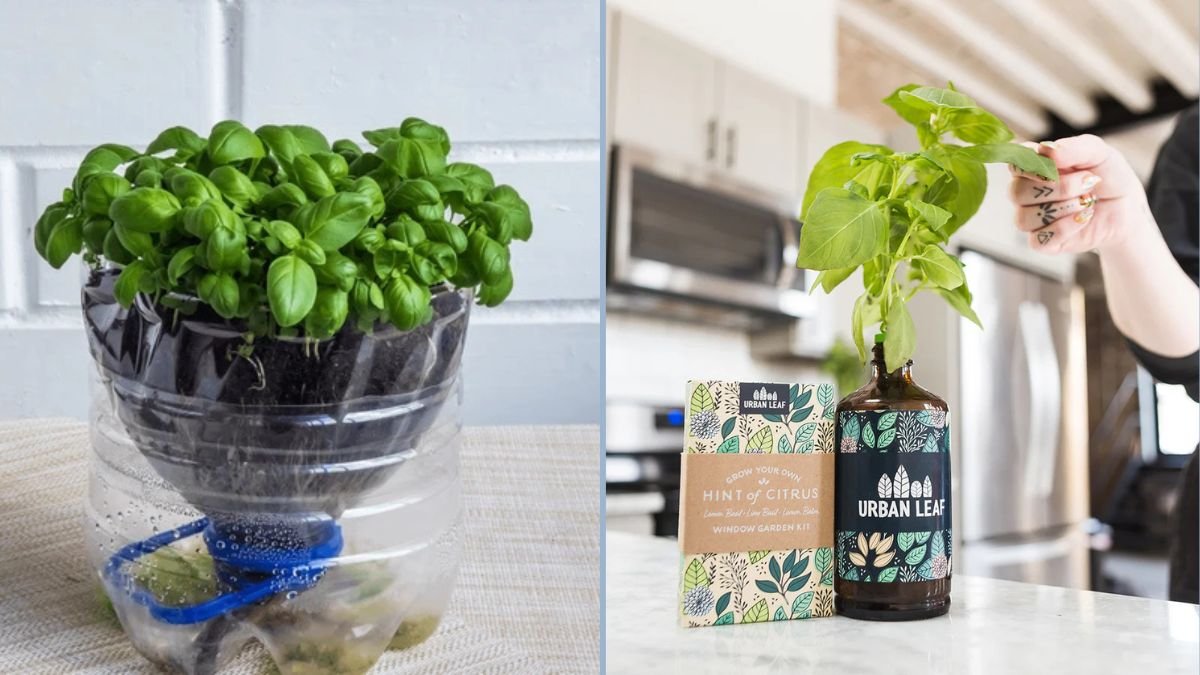
Basil is one of the most beloved culinary herbs in the world. Its aromatic leaves enhance pasta sauces, salads, pesto, and countless other dishes. Growing basil at home is not only rewarding but also ensures you always have fresh, flavorful leaves on hand. The great news is that you don’t need a garden bed or expensive pots to cultivate basil—you can recycle plastic bottles to create a sustainable, space-saving planter. In this guide, we’ll walk you through how to grow basil using recycled plastic bottles, providing step-by-step instructions, care tips, and harvesting advice to ensure a thriving herb garden.
Why Grow Basil at Home?
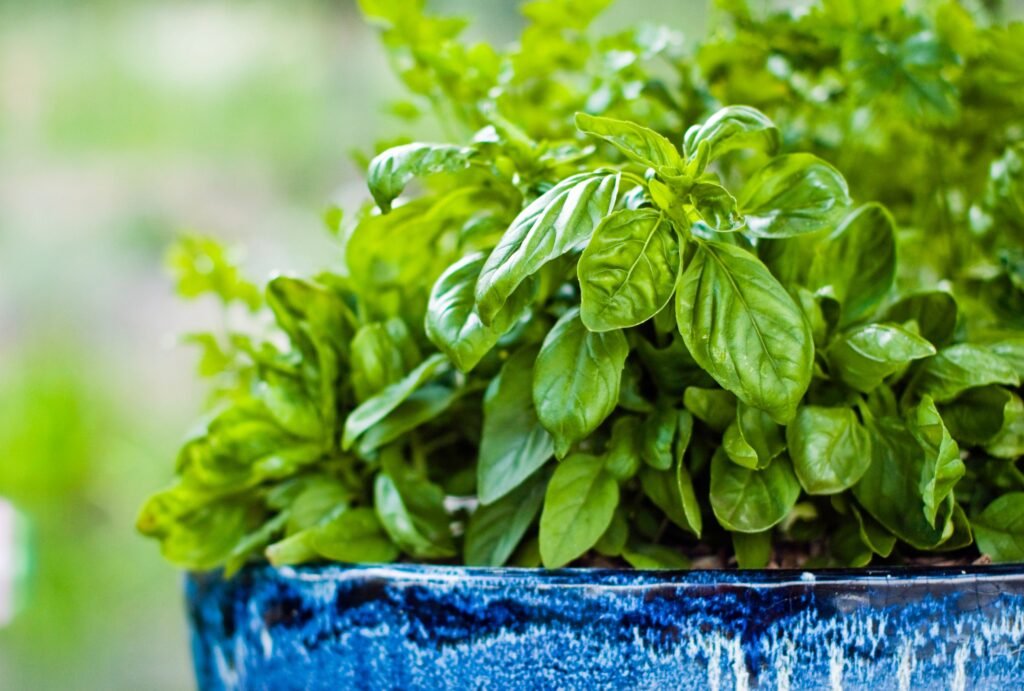
There are several compelling reasons to grow basil at home:
- Freshness: Homegrown basil has a stronger aroma and flavor compared to store-bought leaves.
- Cost-Effective: Purchasing fresh basil regularly can be expensive, especially if used frequently. Growing your own saves money.
- Sustainable: Using recycled plastic bottles reduces waste and promotes eco-friendly gardening.
- Accessibility: Fresh basil is always available for cooking, smoothies, and garnishes.
- Health Benefits: Basil is rich in antioxidants, vitamins A, C, and K, and has antibacterial and anti-inflammatory properties.
Basil is also relatively easy to grow, making it an ideal herb for beginners, apartment dwellers, or anyone looking to start a container garden.
Materials You’ll Need
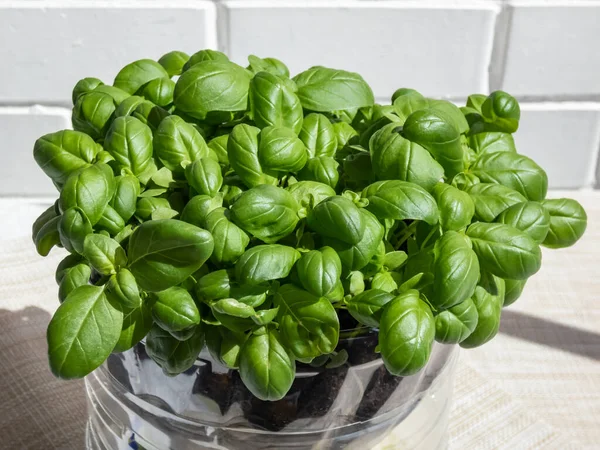
To start growing basil in recycled plastic bottles, gather the following materials:
- Recycled plastic bottles (1–2 liters work best)
- Basil seeds or seedlings
- Potting soil or compost
- Scissors or a craft knife
- Watering can or spray bottle
- String or twine for hanging (optional)
- Small pebbles or gravel (optional for drainage)
Repurposing plastic bottles not only reduces environmental waste but also creates an affordable and versatile planter for your herb garden.
Step 1: Prepare the Plastic Bottle
Proper preparation is essential for basil to grow successfully:
- Wash the bottle thoroughly to remove any residues or dirt.
- Cut the bottle horizontally or create an opening on the side for planting.
- Ensure drainage by poking several small holes in the bottom to prevent waterlogging.
- Optional: Add a layer of small stones or gravel at the bottom to improve drainage.
Smooth all edges after cutting to avoid injuring yourself or damaging the plant roots. A well-prepared bottle ensures proper water flow and healthy root development.
Step 2: Select and Prepare Basil Seeds or Seedlings
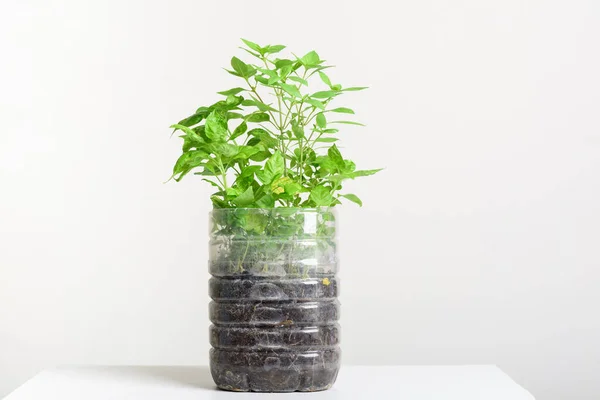
Basil can be grown from seeds or purchased seedlings:
For Seeds:
- Soak the seeds in warm water for 4–6 hours to improve germination.
- Sow seeds ¼ inch deep in the soil and cover lightly.
- Keep the soil moist until seeds germinate, typically within 7–10 days.
For Seedlings:
- Choose healthy seedlings with strong stems and vibrant green leaves.
- Avoid yellowing or weak plants.
- Transplant seedlings carefully into the bottle, keeping the roots intact.
Using fresh seeds or strong seedlings ensures fast growth and a productive basil plant.
Step 3: Prepare the Soil
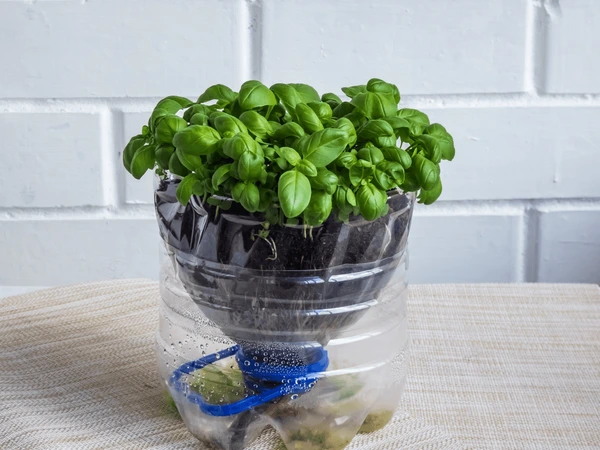
Basil grows best in light, well-draining soil:
- Use a mix of potting soil and compost to provide nutrients and retain moisture.
- Basil prefers slightly acidic to neutral soil (pH 6–7).
- Fill your prepared bottle with soil, leaving 1–2 inches from the top for watering.
Adding organic compost improves soil fertility and supports strong root and leaf development, ensuring healthy, flavorful basil.
Step 4: Planting Basil in the Bottle
For Seeds:
- Plant seeds evenly spaced, ¼ inch deep, and cover lightly with soil.
- Water gently to settle the seeds without washing them away.
For Seedlings:
- Dig a small hole in the soil of the bottle.
- Place the seedling carefully, ensuring roots are fully covered.
- Firm the soil around the base and water gently.
Space seeds or seedlings approximately 4–6 inches apart to allow proper airflow and prevent overcrowding. Proper spacing reduces the risk of disease and encourages bushy growth.
Step 5: Choose the Right Location
Basil thrives in bright, indirect sunlight:
- Place your plastic bottle planter on a sunny windowsill, balcony, or terrace with at least 4–6 hours of sunlight per day.
- If growing indoors, consider using a grow light to provide adequate light exposure.
- Avoid intense, harsh afternoon sun in hot climates, as it may scorch the leaves.
If you have limited floor space, hanging the bottle vertically is a great option to maximize sunlight exposure and air circulation.
Step 6: Watering and Care
Proper watering is crucial for basil:
- Keep the soil consistently moist but not soggy. Overwatering can lead to root rot.
- Water gently using a watering can or spray bottle to avoid disturbing seeds or seedlings.
- In hot or dry conditions, check the soil daily, as container soil dries out faster than garden beds.
Basil also benefits from occasional rotation of containers to ensure even sunlight exposure and avoid leggy growth.
Step 7: Fertilizing Your Basil
Basil thrives with occasional feeding:
- Use organic liquid fertilizer or compost tea every 3–4 weeks.
- Avoid over-fertilizing, which can lead to soft leaves with less flavor.
- You can mix slow-release organic fertilizer into the soil when planting for long-term nutrition.
Proper nutrition ensures strong stems, lush green leaves, and a longer harvest season.
Step 8: Pruning and Maintenance
Regular care encourages bushier growth and prolongs the harvest:
- Trim outer leaves regularly for cooking or garnishing. Avoid cutting more than one-third of the plant at a time.
- Pinch off flower buds to encourage leaf production, as flowering reduces the flavor of basil leaves.
- Watch for pests like aphids, whiteflies, or spider mites, and treat naturally with neem oil or mild soap solutions.
Pruning and regular maintenance ensure your basil plant remains healthy, productive, and aromatic.
Step 9: Harvesting Basil
Basil can be harvested in 3–4 weeks after planting:
- Harvest the outer leaves first, leaving the inner leaves to continue growing.
- For pesto, salads, or cooking, snip leaves as needed.
- Regular harvesting encourages bushier growth and prevents the plant from becoming leggy.
Harvesting in the morning ensures maximum flavor, as essential oils are concentrated in the leaves at this time.
Benefits of Growing Basil in Recycled Plastic Bottles
- Eco-Friendly: Repurposes plastic bottles and reduces waste.
- Space-Saving: Ideal for balconies, windowsills, or small indoor areas.
- Continuous Supply: Frequent harvesting provides fresh basil leaves year-round.
- Cost-Effective: Saves money compared to buying store-bought basil repeatedly.
- Decorative: Adds greenery and fragrance to your home environment.
Using recycled bottles combines sustainability with practicality, allowing you to enjoy fresh herbs while minimizing your environmental footprint.
Troubleshooting Common Problems
- Yellow Leaves: Often caused by overwatering, poor drainage, or insufficient sunlight.
- Slow Growth: Ensure adequate sunlight, consistent moisture, and proper spacing.
- Leggy Plants: Result from insufficient light; rotate containers or provide supplemental light.
- Pests: Aphids or spider mites may appear; treat naturally with neem oil or soap water.
Promptly addressing these issues ensures a healthy, productive basil plant.
Conclusion
Growing basil in recycled plastic bottles is a simple, sustainable, and rewarding gardening project. It allows you to enjoy fresh, aromatic leaves year-round without needing a traditional garden space. By preparing your bottle, planting seeds or seedlings properly, providing sunlight, watering consistently, fertilizing occasionally, and maintaining your plants, you can cultivate a thriving basil garden in small spaces.
This method not only provides fresh, flavorful herbs for your meals but also promotes eco-friendly practices by repurposing plastic waste. Whether you are a beginner or an experienced gardener, planting basil in bottles is easy, productive, and fun.
Start today, and in a few weeks, you’ll be harvesting fresh basil from your recycled plastic bottle garden—enhancing your cooking, adding greenery to your home, and contributing to a greener planet.