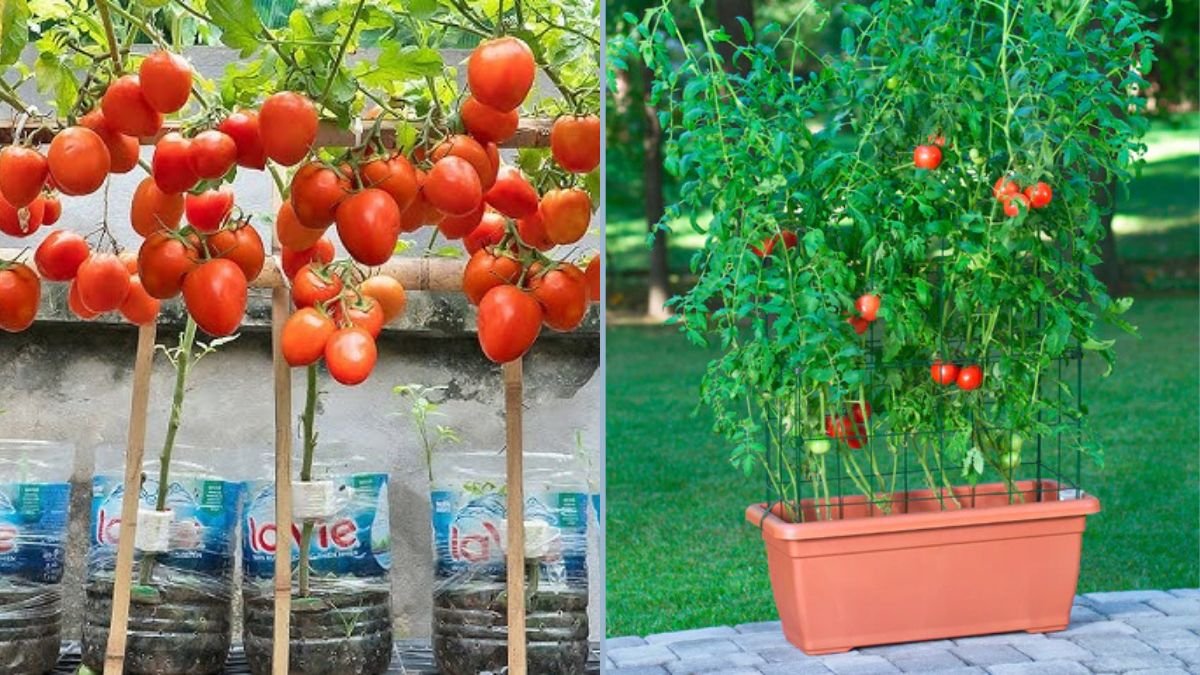
Gardening is full of surprises, and creative techniques can help you maximize space and yield in your garden. One such innovative approach is growing grapes alongside tomato plants. While these two plants have different growing habits, combining them can lead to a productive and visually striking garden setup. In this guide, we’ll explore the benefits of growing grapes and tomatoes together, the best methods to do it successfully, and expert tips for a bountiful harvest.
Why Consider Growing Grapes with Tomatoes?
At first glance, grapes and tomatoes might seem like an unusual pairing. However, there are several reasons gardeners experiment with this combination:
- Space Efficiency: Vertical gardening allows you to grow two high-yield crops in the same area, making the most of limited space.
- Soil Utilization: Grapes have deep roots, while tomatoes have more shallow roots, meaning they can often share soil without significant competition.
- Enhanced Garden Biodiversity: Interplanting encourages a healthier ecosystem, attracting beneficial insects and reducing the risk of pests dominating one type of plant.
- Extended Harvest: Grapes and tomatoes have different growing and fruiting timelines, allowing for multiple harvests throughout the season.
- Aesthetic Appeal: The combination creates a lush, green, and fruitful display in your garden, offering beauty as well as productivity.
Understanding the Growth Habits
Grapes
Grapevines are climbing plants that thrive on trellises, fences, or other vertical structures. Key characteristics include:
- Long Vines: Grapevines can grow 10–30 feet per season.
- Deep Roots: They draw nutrients from deeper soil layers.
- Pruning Needs: Regular pruning is essential to maintain fruit quality and manage growth.
Tomatoes
Tomatoes are bushy or vining plants that grow best in well-drained soil and full sun. Important traits include:
- Shallow Roots: Tomatoes absorb nutrients from the topsoil.
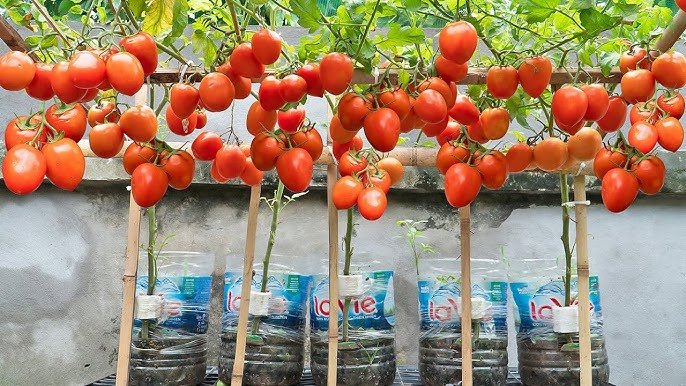
- Support Requirement: Indeterminate varieties benefit from stakes, cages, or trellises.
- Fruit Production: Tomatoes produce fruit continuously during the growing season with proper care.
Understanding these traits helps gardeners plan for coexistence without one plant overshadowing the other.
Choosing the Right Varieties
Grapes
- Table Grapes: Sweet and perfect for fresh eating. Varieties like Concord, Flame Seedless, or Thompson Seedless are popular.
- Wine Grapes: For those interested in making homemade juice or wine.
- Seedless Varieties: Easier to eat and more versatile.
Tomatoes
- Indeterminate Varieties: Continue producing fruit throughout the season. Ideal for vertical growth.
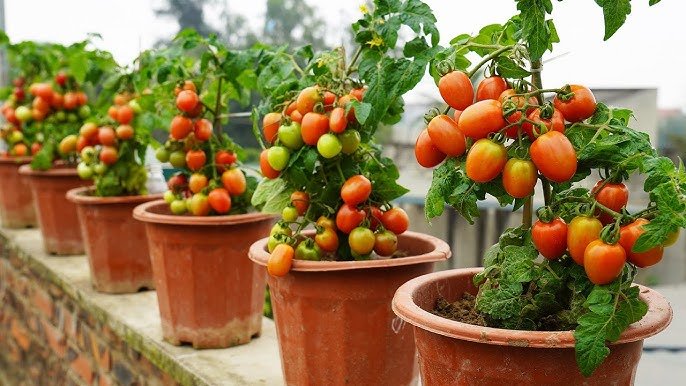
- Determinant Varieties: Produce fruit all at once; better for smaller spaces or container gardening.
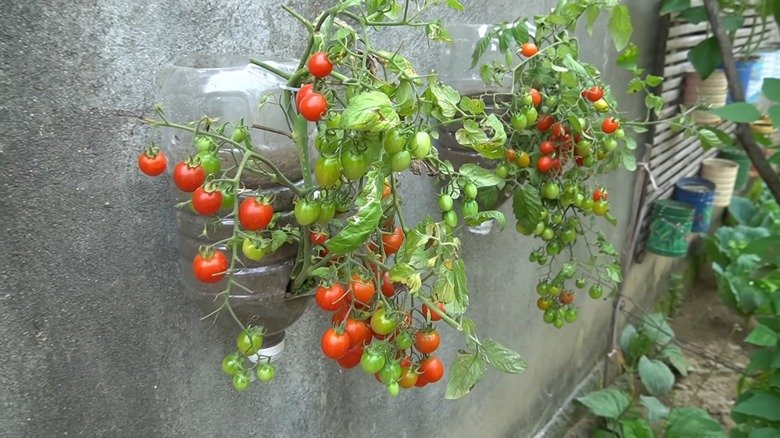
- Cherry or Grape Tomatoes: Smaller fruits that are easier to manage when interplanted with grapes.
Selecting compatible varieties ensures both crops thrive and reduces competition for sunlight and nutrients.
Preparing Your Growing Area
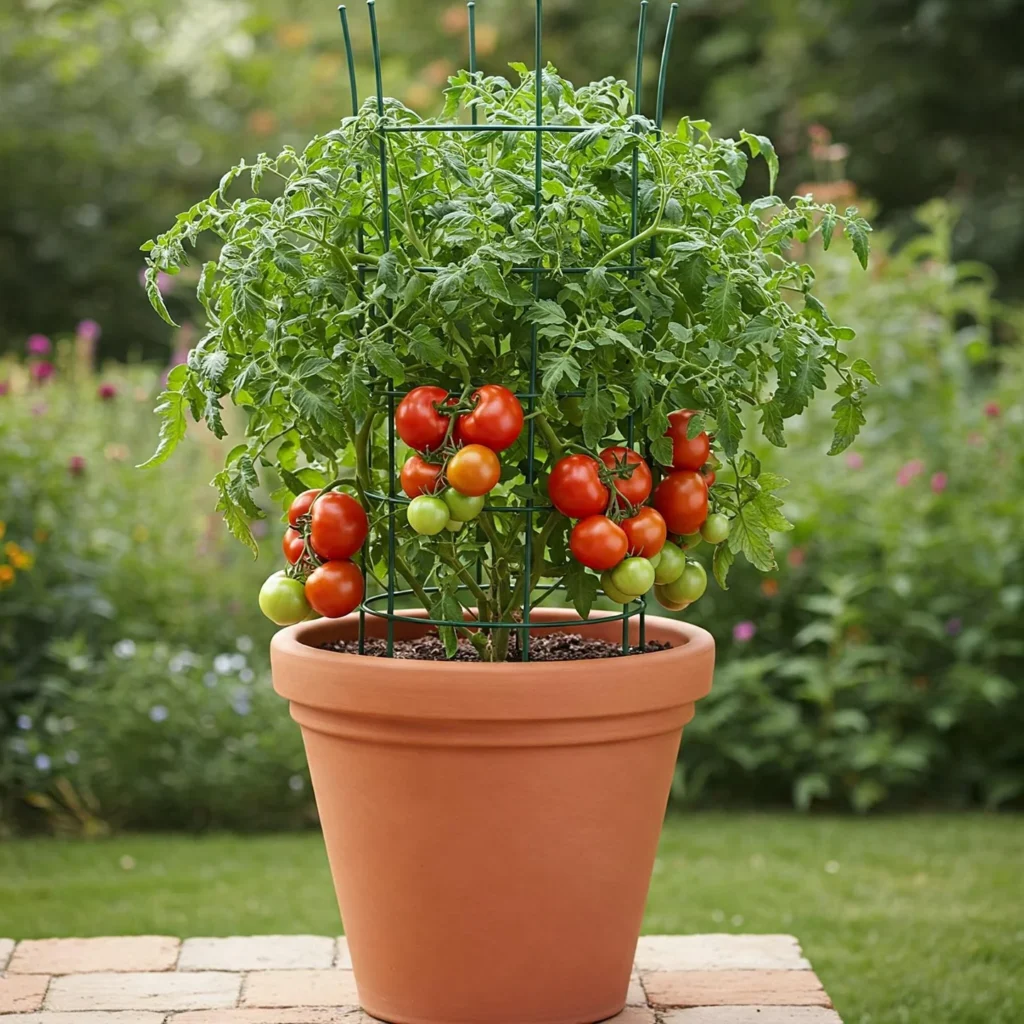
1. Choose a Sunny Spot
Both grapes and tomatoes need at least 6–8 hours of direct sunlight per day. A location with good air circulation helps prevent fungal diseases.
2. Prepare the Soil
- Well-Drained Soil: Both plants dislike waterlogged conditions.
- Organic Matter: Compost or well-rotted manure improves fertility and soil structure.
- pH Level: Grapes prefer slightly acidic soil (5.5–6.5), while tomatoes tolerate slightly more neutral soil (6.0–6.8). A balanced mix works for both.
3. Install Supports
- Use trellises, stakes, or cages to support grapevines and tomato plants.
- Vertical structures help keep the plants off the ground, reduce disease risk, and make harvesting easier.
Planting Grapes and Tomatoes Together
Step 1: Grapevine Planting
- Dig a hole about twice the size of the root ball.
- Place the grapevine, ensuring roots are spread out.
- Cover with soil and water thoroughly.
- Train the young vine onto a trellis or support.
Step 2: Tomato Planting
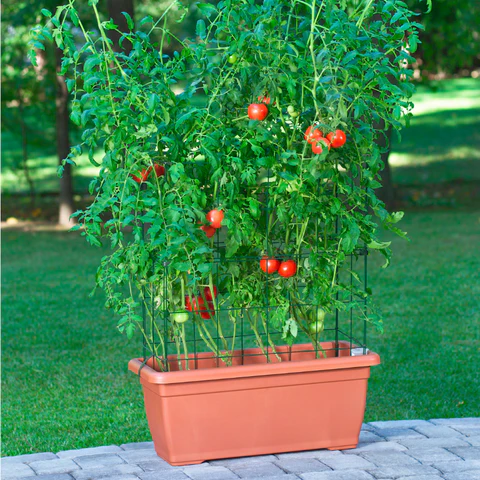
- Plant tomatoes about 2–3 feet away from the grapevine to prevent overcrowding.
- Stake or cage the tomato plant to encourage vertical growth.
- Space multiple tomato plants at least 2 feet apart for adequate airflow.
Step 3: Initial Care
- Water both plants deeply after planting.
- Mulch around the base to retain moisture and suppress weeds.
- Apply a balanced organic fertilizer to support early growth.
Caring for Interplanted Grapes and Tomatoes
1. Watering
- Grapes require deep, infrequent watering to encourage strong root systems.
- Tomatoes need consistent moisture but not waterlogging.
- Water early in the day to allow foliage to dry and reduce fungal risks.
2. Pruning and Training
- Grapes: Prune in late winter to shape the vine and improve fruit quality.
- Tomatoes: Remove suckers (small shoots between the main stem and branches) to focus energy on fruit production.
- Train vines separately on trellises to prevent entanglement.
3. Fertilization
- Grapes benefit from phosphorus and potassium for flowering and fruiting.
- Tomatoes require nitrogen early, then a shift toward potassium and phosphorus as fruit develops.
- Use organic fertilizers like compost, worm castings, or seaweed extract.
4. Pest and Disease Management
- Common Pests: Aphids, spider mites, and caterpillars. Handpick or use insecticidal soap.
- Fungal Issues: Powdery mildew and blight can occur. Ensure spacing, prune dense foliage, and avoid overhead watering.
- Companion Planting: Marigolds or basil can deter pests naturally.
Harvesting Grapes and Tomatoes
Grapes
- Harvest when grapes are fully colored, slightly soft, and taste sweet.
- Cut clusters with scissors or pruning shears to avoid damaging the vine.
- Early morning is ideal for harvesting to preserve flavor and firmness.
Tomatoes
- Pick tomatoes when fully colored and slightly soft to the touch.
- Regular harvesting encourages more fruit production throughout the season.
- Gently twist or cut the stem to avoid bruising the fruit.
Tips for Maximizing Yield
- Vertical Growth: Use trellises or cages to give both plants room to thrive.
- Soil Health: Rotate crops each season to maintain fertility and prevent disease.
- Consistent Care: Regular watering, mulching, and pruning ensure healthy plants.
- Sunlight Management: Ensure grapevines do not shade tomatoes excessively.
- Observation: Monitor growth, pests, and signs of disease regularly. Early intervention prevents crop loss.
Culinary Uses for Homegrown Grapes and Tomatoes
Growing your own grapes and tomatoes opens up a world of delicious, fresh plant-based meals:
- Grapes: Eat fresh, make juice, jams, or freeze for smoothies.
- Tomatoes: Use in salads, sauces, soups, or roasted dishes.
- Combined Dishes: Create fresh salsas, roasted vegetable medleys, or grain bowls that highlight the natural sweetness of both crops.
Homegrown produce is naturally flavorful and allows for creative, healthy meals.
Conclusion
Growing grapes alongside tomatoes is an unconventional but rewarding gardening strategy. With careful planning, proper spacing, and attentive care, both plants can thrive in the same area. From soil preparation and planting to watering, pruning, and harvesting, understanding the needs of each plant ensures a bountiful and healthy harvest.
This innovative gardening approach maximizes space, improves biodiversity, and provides a steady supply of fresh, nutritious produce. Whether you’re aiming for a productive backyard garden or experimenting with container gardening on a balcony, combining grapes and tomatoes offers both aesthetic appeal and culinary delight.
With patience, creativity, and attention to detail, you can enjoy the full rewards of homegrown grapes and tomatoes, creating meals that are fresher, tastier, and more satisfying than anything store-bought. Start your interplanted garden today and discover the joy of unconventional gardening!