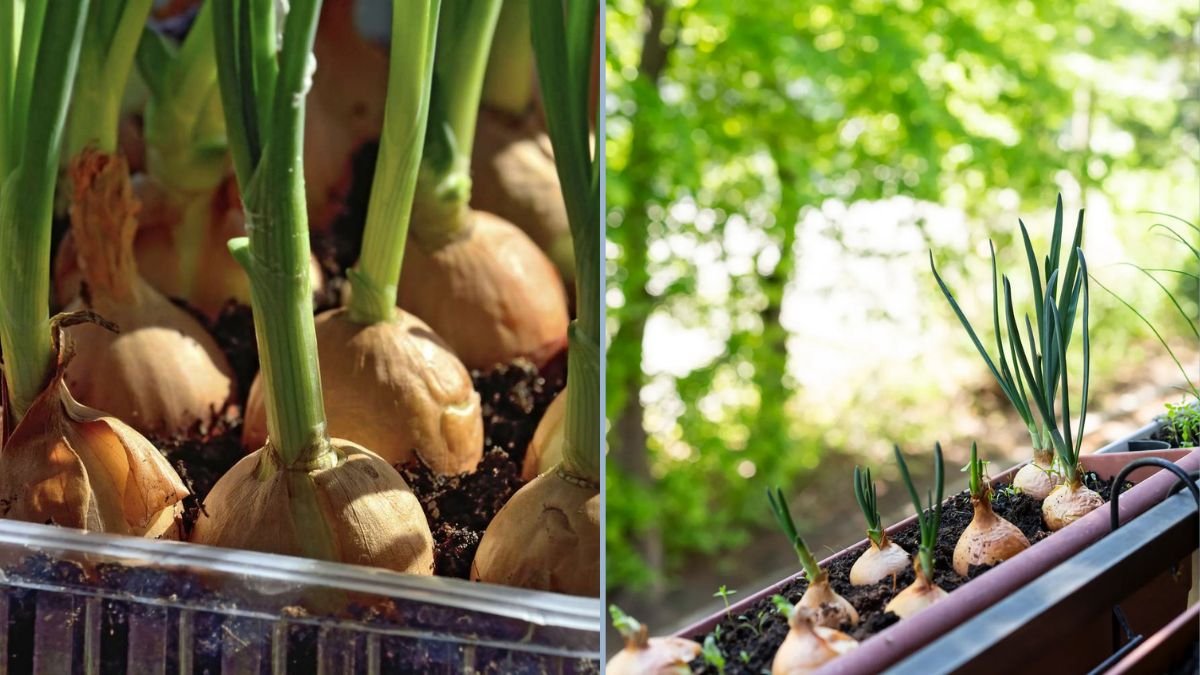
Onions are a staple in kitchens worldwide, adding flavor, aroma, and nutrition to countless dishes. But growing onions at home can be a challenge if you want them to reach their full potential. With the right techniques, soil preparation, and care, you can grow large, sweet, and juicy onions that surpass anything you’ve bought at the store. In this guide, we’ll explore my favorite method for growing big onions, from choosing seeds and preparing soil to planting, care, and harvesting.
Why Grow Big Onions at Home?
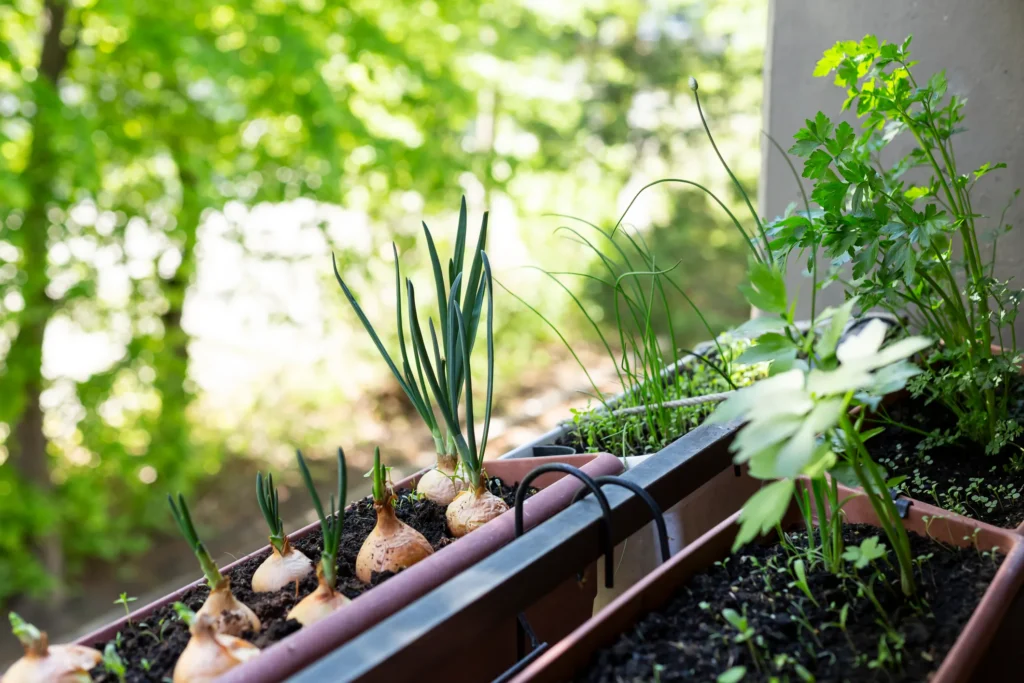
Growing onions at home offers several benefits:
- Flavor and Freshness: Homegrown onions are far superior in taste to store-bought ones, with a natural sweetness and crunch.
- Nutritional Value: Onions are rich in vitamins, antioxidants, and sulfur compounds that support immunity, heart health, and digestion.
- Cost-Effective: A small investment in seeds or sets can yield a large harvest.
- Gardening Satisfaction: Watching onions grow from tiny bulbs or seeds to large, robust vegetables is immensely rewarding.
- Control Over Growing Conditions: You can ensure your onions are pesticide-free and organically grown.
Choosing the Right Onion Variety
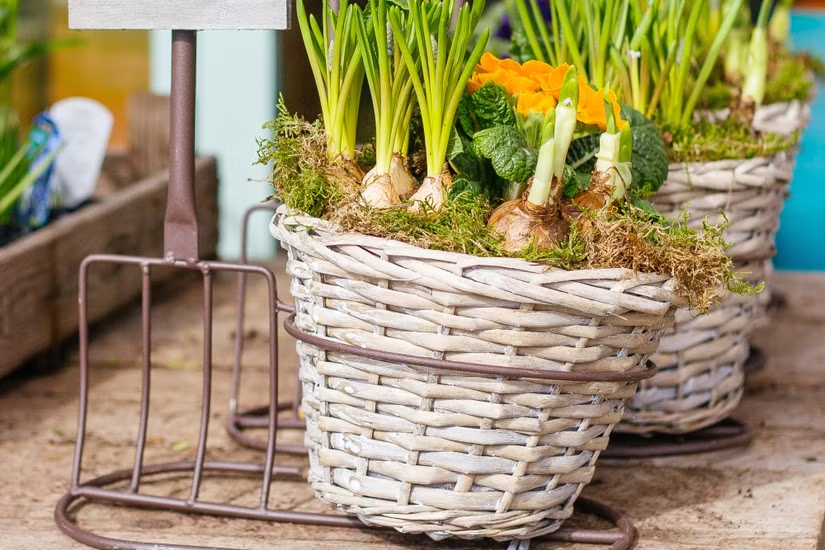
Onions come in many varieties, each with unique characteristics. Choosing the right variety is crucial for growing big onions:
- Yellow Onions: Great for cooking, roasting, and storage. Varieties include ‘Walla Walla’ and ‘Sweet Spanish.’
- Red Onions: Ideal for salads, sandwiches, and pickling. Varieties include ‘Red Burgundy’ and ‘Red Zeppelin.’
- White Onions: Mild flavor, perfect for fresh eating and salsas. Varieties include ‘White Lisbon’ and ‘White Sweet Spanish.’
Choose a variety suited to your climate, soil, and culinary preferences for the best results.
Starting from Seeds, Sets, or Transplants
There are three ways to grow onions:
- Seeds:
- Start seeds indoors 8–10 weeks before the last frost.
- Use a seed tray with light, well-draining soil.
- Thin seedlings to one per cell before transplanting.
- Sets:
- Small onion bulbs that are easy to plant directly in the soil.
- Faster to mature than seeds, often producing larger bulbs.
- Transplants:
- Young onion plants started from seeds or bought from a nursery.
- Ideal for gardeners looking to jumpstart the growing season.
For giant onions, using sets or transplants often produces quicker, bigger results than starting from seeds alone.
Preparing the Soil for Big Onions
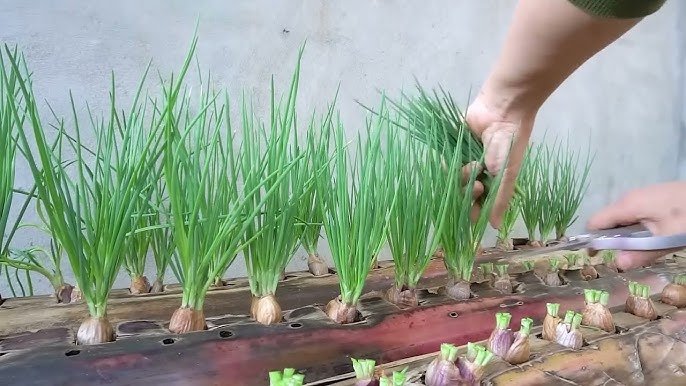
Healthy soil is key to growing large onions:
- Soil Type: Loose, well-draining soil is essential to prevent bulb rot.
- Soil pH: Onions prefer slightly acidic to neutral soil, around 6.0–7.0.
- Nutrients: Incorporate compost or well-rotted manure to enrich the soil. Onions are heavy feeders, so nutrient-rich soil supports larger bulbs.
- Sunlight: Choose a location with full sun—at least 6–8 hours per day—for optimal growth.
Raised beds or deep garden rows help onions develop large, round bulbs by giving roots plenty of space.
Planting Onions for Maximum Size
Planting correctly sets the stage for giant onions:
- Spacing: Plant onions 4–6 inches apart, with rows 12–18 inches apart. Crowding restricts bulb growth.
- Depth: Plant sets or transplants so that the top of the bulb is just above the soil surface.
- Timing:
- In cooler climates, plant in early spring as soon as the soil can be worked.
- In mild climates, you can plant in fall for overwintering onions.
Proper spacing and planting depth reduce competition for nutrients and sunlight, promoting larger bulbs.
Caring for Onions
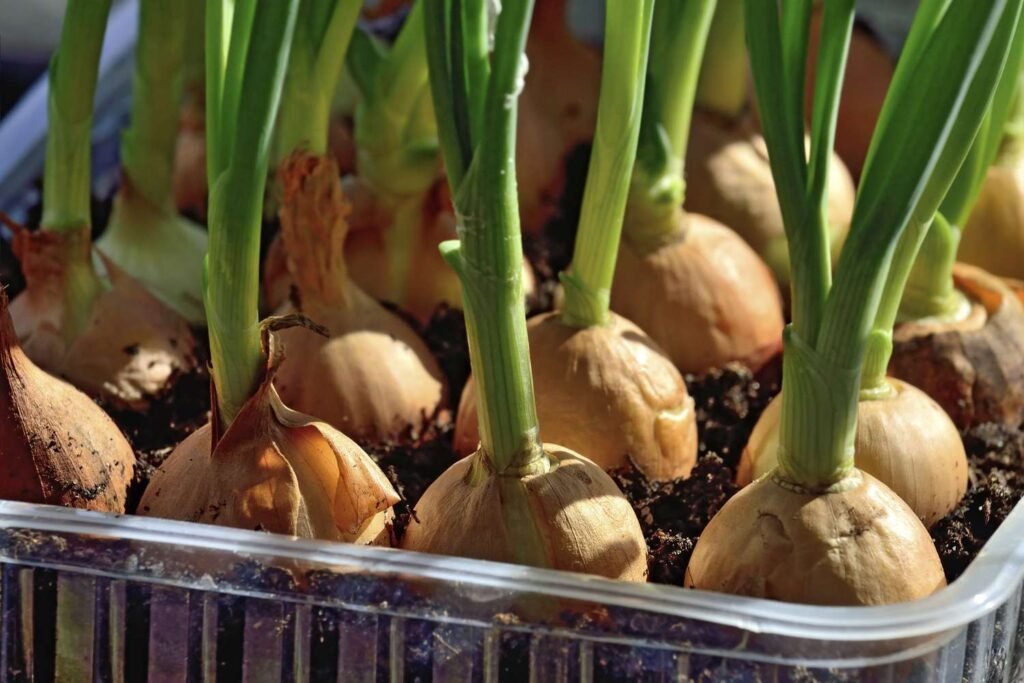
Once planted, consistent care is critical for producing large onions:
1. Watering
- Onions require regular watering, especially during bulb formation.
- Keep soil evenly moist but avoid waterlogging.
- Reduce watering as bulbs mature to prevent rot and improve storage quality.
2. Fertilization
- Apply a high-nitrogen fertilizer during early growth to promote strong leaves.
- Switch to a phosphorus and potassium-rich fertilizer as bulbs begin to swell.
- Organic options include compost, worm castings, and seaweed extract.
3. Mulching
- Mulch with straw, leaves, or grass clippings to retain soil moisture, regulate temperature, and suppress weeds.
- Mulching also helps prevent onion roots from drying out during hot weather.
4. Thinning
- If seedlings are too close together, thin them early to avoid stunted growth.
- Thinned onions can be eaten as green onions or added to salads.
5. Pest and Disease Management
- Common Pests: Onion maggots, thrips, and aphids. Use insecticidal soap or introduce beneficial insects like ladybugs.
- Diseases: Downy mildew and onion rot can occur in poorly drained soil. Proper spacing, watering, and crop rotation help prevent these issues.
Techniques for Growing Bigger Onions
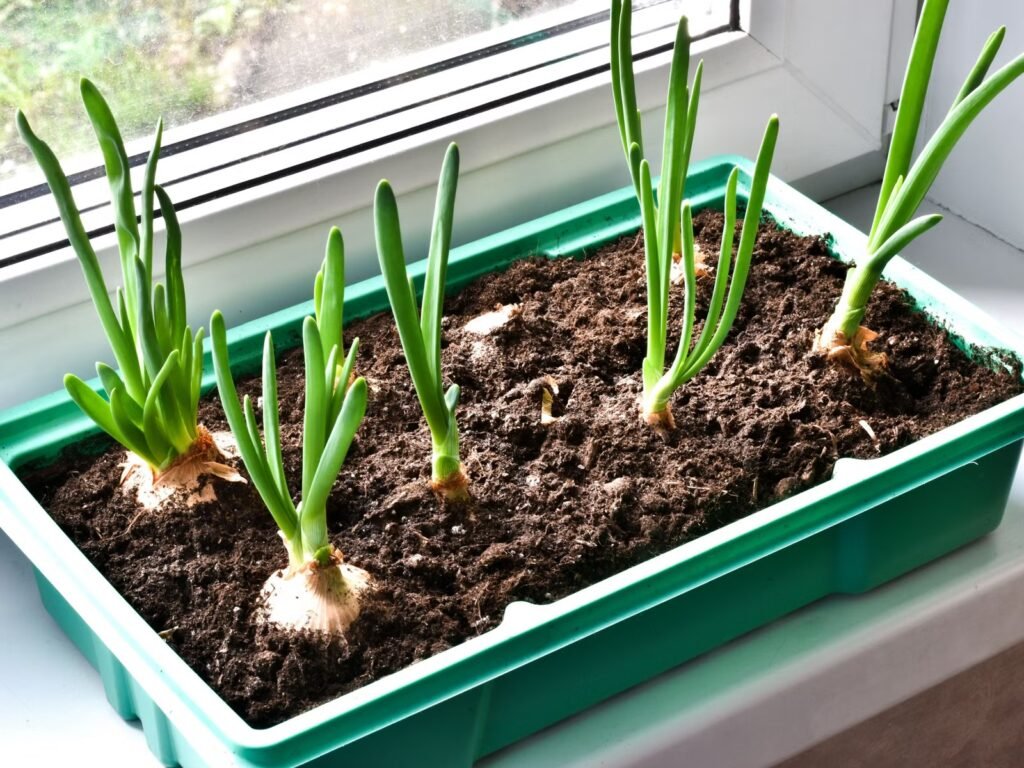
Here are my favorite tips for producing extra-large onions:
- Start Early: Giving onions a long growing season allows bulbs to develop fully.
- Fertilize in Stages: Feed with nitrogen early and switch to phosphorus/potassium for bulb development.
- Hill Soil Around Bulbs: Gently mound soil around the base of onions to encourage larger bulb formation.
- Keep Weeds at Bay: Competing plants can stunt growth. Mulching and hand-weeding keep your onions focused on growth.
- Avoid Excessive Nitrogen Late: Too much nitrogen late in the season can produce large tops but small bulbs.
By combining early planting, proper nutrition, and careful maintenance, you can grow onions much larger than average.
Harvesting Giant Onions
Timing is crucial for harvesting:
- Indicators: Tops begin to yellow and fall over when onions are ready.
- Technique: Loosen soil gently with a garden fork and lift bulbs carefully. Avoid bruising or cutting the skin.
- Curing: Let onions dry in a warm, ventilated spot for 1–2 weeks to toughen the skin for storage.
Proper harvesting and curing ensure your giant onions store well and retain flavor for months.
Storing Onions
- Store in a cool, dry, and dark place with good air circulation.
- Do not store onions near potatoes, as they release moisture and gases that can cause spoilage.
- Check periodically and remove any soft or damaged bulbs.
With proper storage, homegrown onions can last for several months, giving you fresh, flavorful produce well into the winter.
Culinary Uses for Homegrown Onions
Giant homegrown onions are versatile and enhance a wide range of plant-based dishes:
- Raw: Sliced in salads, sandwiches, or salsas.
- Cooked: Sauteed, caramelized, or roasted for rich flavor.
- Soups and Stews: Add sweetness and depth to vegetarian or vegan soups.
- Pickling: Quick-pickled onions are perfect for tacos, sandwiches, and salads.
Having your own giant onions allows for experimentation in both raw and cooked recipes, elevating meals naturally.
Tips for Continuous Onion Production
- Succession Planting: Plant new onions every few weeks to enjoy a steady harvest.
- Crop Rotation: Avoid planting onions in the same spot each year to reduce disease and soil depletion.
- Seed Saving: Collect seeds from healthy onions for future planting.
By practicing succession planting and crop rotation, you can enjoy a continuous supply of homegrown onions year after year.
Conclusion
Growing giant onions at home is both satisfying and practical. With the right techniques, attention to soil health, proper spacing, consistent watering, and staged fertilization, you can achieve impressive yields of flavorful, nutrient-rich onions. From choosing the right variety and starting seeds or sets to careful maintenance, hilling, and harvesting, every step contributes to producing large, beautiful bulbs.
Homegrown onions not only taste better than store-bought ones but also offer a deeper connection to your food and garden. Whether used raw, cooked, or pickled, these onions elevate plant-based meals and provide fresh, natural ingredients for a healthy lifestyle.
Start your onion-growing journey today, follow these expert tips, and enjoy the rewarding experience of harvesting your own giant, flavorful onions—straight from your garden to your kitchen.