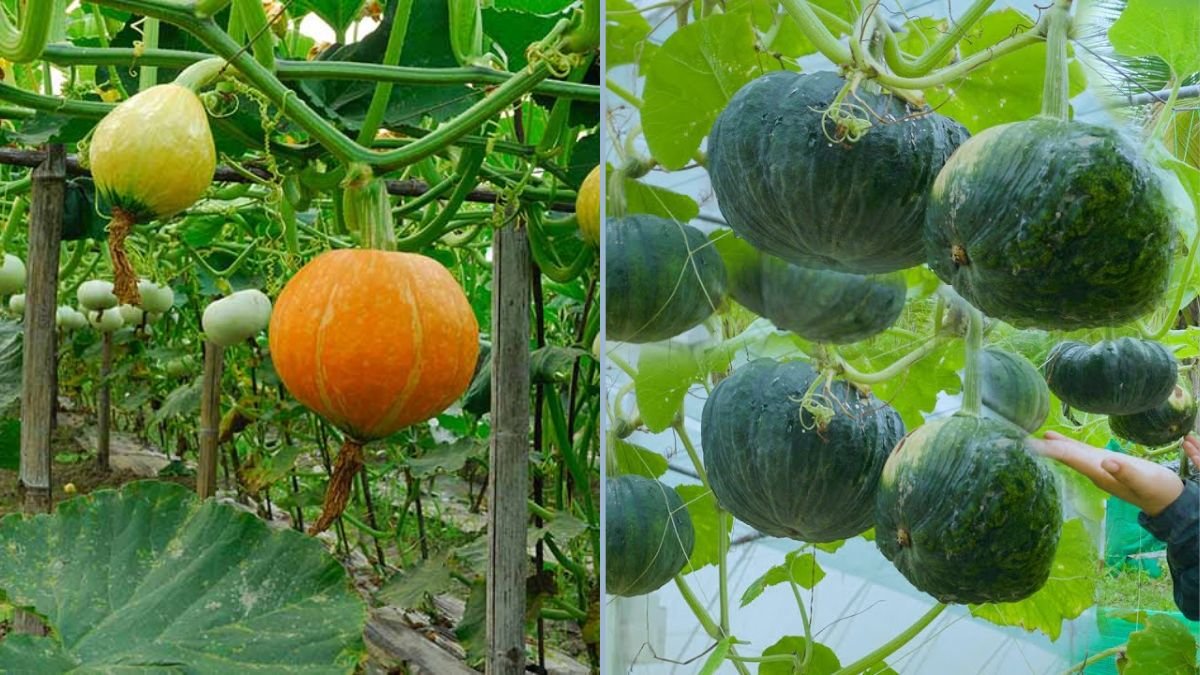
Few gardening experiences are as exciting and rewarding as growing giant pumpkins — those massive orange beauties that become the stars of Halloween displays and fall decorations. Whether you dream of carving a colossal jack-o’-lantern, entering a local pumpkin weigh-off, or simply impressing your neighbors, learning how to grow huge pumpkins before Halloween isn’t just possible — it’s fun and surprisingly achievable.
This comprehensive guide will walk you through every step, from choosing the right seeds and preparing your soil to watering, feeding, and harvesting your prize pumpkins right in time for spooky season.
Why Grow Giant Pumpkins?
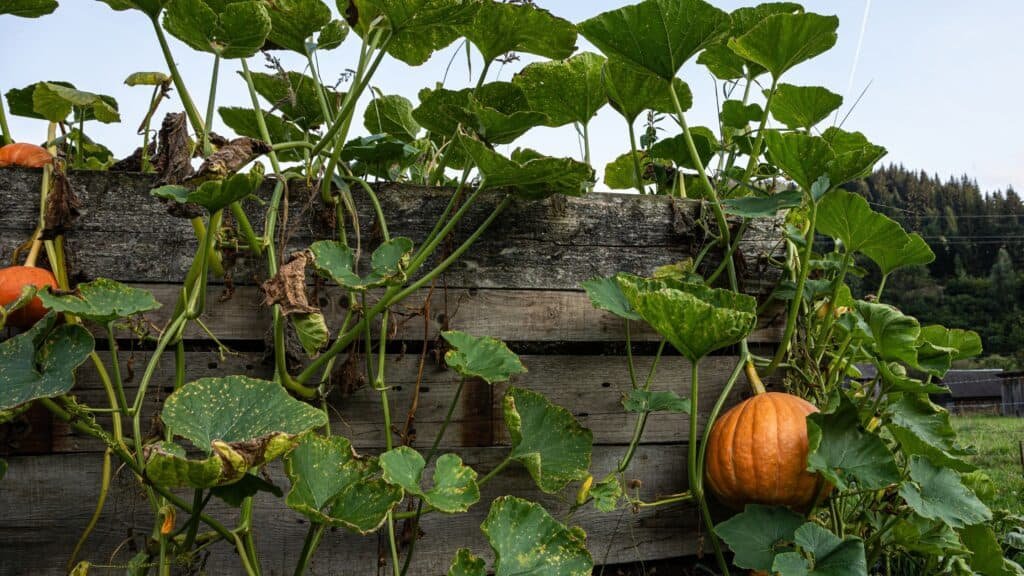
Growing giant pumpkins isn’t just about size — it’s about the joy of gardening and watching nature’s magic unfold. A single pumpkin vine can stretch 20–30 feet and yield fruits weighing anywhere from 50 to 1,000 pounds with proper care!
Here’s why many gardeners make it a yearly ritual:
- Fun Family Project: Watching pumpkins grow larger every week is exciting for kids and adults alike.
- Great for Competitions: Local fairs and contests often award prizes for the biggest pumpkin.
- Perfect for Halloween: Nothing beats a homegrown, oversized jack-o’-lantern as a centerpiece.
- Eco-Friendly: Homegrown pumpkins mean fewer chemicals, less transport, and a smaller carbon footprint.
Step 1: Choose the Right Pumpkin Variety
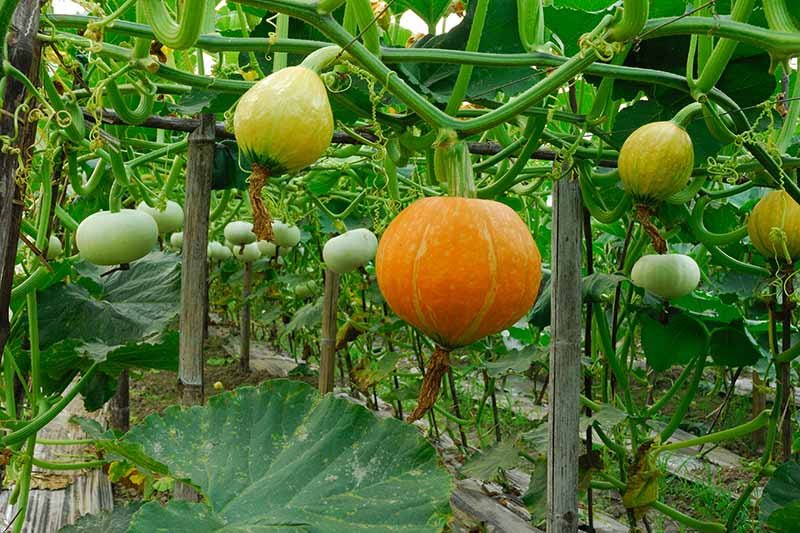
The first step in growing massive pumpkins is selecting the right seed variety. Regular pie or carving pumpkins won’t reach record-breaking sizes — you need giant genetics.
Best Varieties for Giant Pumpkins
- Atlantic Giant – The world-record holder variety, capable of producing pumpkins over 1,000 pounds.
- Big Max – Produces large, bright-orange pumpkins weighing 100–200 pounds.
- Big Moon – Known for excellent flavor and massive size, often reaching 150 pounds.
- Prizewinner Hybrid – Beautiful, uniform pumpkins that can reach 300 pounds under ideal conditions.
When buying seeds, always check for certified “giant” pumpkin varieties. Starting with strong genetics is half the battle!
Step 2: Timing — Start Early for a Halloween Harvest
Timing is critical if you want your pumpkins ready by late October. Giant pumpkin varieties take 120–150 days to mature.
Planting Schedule
- Indoor Start (Cold Regions): Begin seeds indoors in late April or early May.
- Outdoor Start (Warm Regions): Sow seeds directly in the ground after the last frost when soil temperatures reach 70°F (21°C).
By planting in late spring, your pumpkins will have enough time to reach massive size by mid to late October.
Step 3: Preparing the Perfect Soil
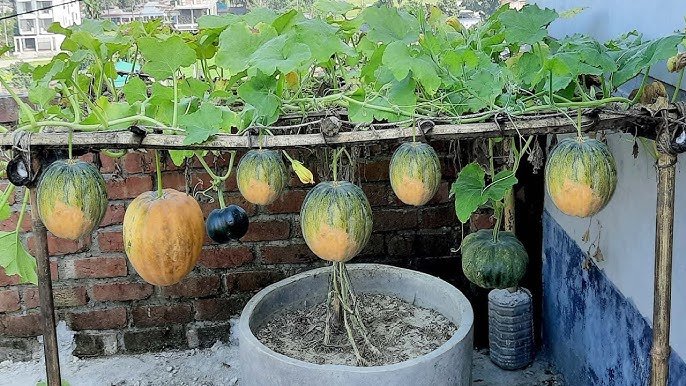
Pumpkins are heavy feeders and need rich, loose, and nutrient-dense soil to grow large.
Ideal Soil Conditions
- Soil Type: Loamy, well-drained soil.
- pH Level: Slightly acidic (6.0–6.8).
- Preparation: Work 4–6 inches of compost or well-rotted manure into the top 12 inches of soil before planting.
Add organic amendments like bone meal (for root growth) and kelp meal (for fruit development). Giant pumpkins thrive in fertile, moisture-retaining soil with plenty of organic matter.
Step 4: Planting Seeds or Seedlings
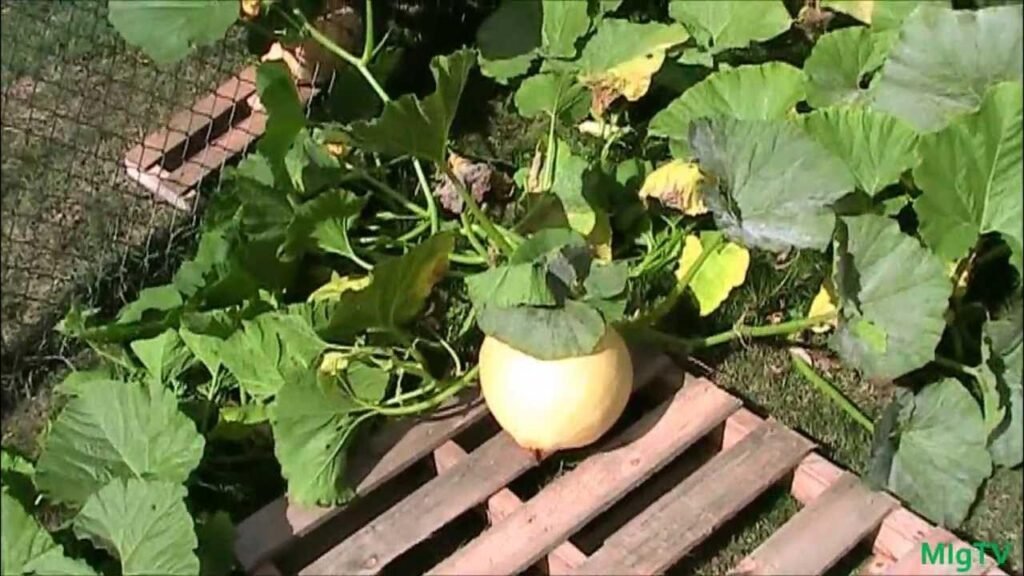
If starting seeds indoors, use biodegradable pots so you can transplant them without disturbing the roots.
Planting Steps
- Sow 1–2 seeds about 1 inch deep per pot.
- Keep them in a warm, sunny area or under grow lights (around 75–85°F / 24–29°C).
- Once seedlings have 2–3 true leaves, transplant them outdoors in mounds spaced 8–10 feet apart.
- Place the strongest seedling per mound and pinch off weaker ones.
Step 5: Watering and Feeding for Giant Growth
Massive pumpkins need massive hydration and nutrition! But the key is consistency.
Watering Tips
- Frequency: Deeply water 2–3 times per week, ensuring the soil remains moist but not soggy.
- Time: Water early in the morning to allow foliage to dry during the day.
- Method: Use a soaker hose or drip irrigation to water the roots directly and avoid wetting leaves, which can invite fungal diseases.
Feeding Schedule
Pumpkins need balanced nutrition at different growth stages:
- Early Growth (First Month): High nitrogen fertilizer (such as compost tea or fish emulsion) to build strong vines and leaves.
- Mid-Growth (Flowering): Switch to a balanced fertilizer with equal parts nitrogen, phosphorus, and potassium.
- Fruit Development: Focus on potassium and phosphorus for fruit swelling. Use organic fertilizer like bone meal, kelp meal, or composted manure every 2–3 weeks.
A healthy feeding routine makes all the difference between a regular pumpkin and a monster-sized one.
Step 6: Managing Flowers and Pollination
Pumpkins produce male and female flowers. The first few blossoms are usually male, followed by female blooms (you’ll recognize them by the small bulb-like fruit beneath).
To maximize fruit size:
- Hand-Pollinate: Early morning is best. Transfer pollen from a male flower to the female using a soft brush or by rubbing the blooms together.
- Select One or Two Fruits: Once several fruits begin forming, remove all but the largest, healthiest-looking ones. This channels the plant’s energy into fewer pumpkins, making them grow bigger.
Step 7: Training Vines and Managing Space
Giant pumpkins need plenty of space — vines can stretch over 20 feet. Training and pruning help direct energy into your prize pumpkin.
Tips for Vine Management
- Train the main vine in one direction, anchoring it with soil or garden staples.
- Bury nodes (the points where leaves attach) under soil — they’ll grow extra roots, providing more nutrients to the pumpkin.
- Trim side vines once they grow 10–12 feet long to concentrate growth.
- Keep a large, flat area under your pumpkin — ideally a piece of cardboard or straw — to prevent rot and encourage even growth.
Step 8: Protecting Your Pumpkins from Heat and Pests
Large pumpkins are vulnerable to intense sunlight, pests, and diseases.
Sun Protection
- Use shade cloths or large leaves to protect the fruit from sunburn.
- Keep the pumpkin’s surface cool — scorching can crack or discolor the rind.
Pest Control
Watch for:
- Squash bugs and cucumber beetles, which damage leaves and stems.
- Powdery mildew, common in humid climates.
- Aphids, which sap nutrients from young vines.
Combat them naturally using neem oil, insecticidal soap, or a mix of garlic and water spray. Good airflow and spacing reduce fungal problems.
Step 9: Monitoring Growth and Care
As your pumpkin grows, it can gain 10–20 pounds per day during peak development!
Keep an eye on the following:
- Stem stress: Gently lift or adjust the fruit occasionally to prevent the stem from cracking.
- Moisture consistency: Avoid letting the soil dry out completely, as inconsistent watering can cause splitting.
- Nutrient supply: Continue light feeding every 10–14 days until the fruit nears full size.
Step 10: Harvesting Before Halloween
Your goal is to have pumpkins ready by late October, just in time for spooky celebrations.
Signs of Readiness
- The pumpkin’s skin turns a deep, solid orange.
- The rind feels hard and resists puncture.
- The vine starts to dry and wither near the fruit’s stem.
Harvesting Tips
- Use sharp pruning shears to cut the pumpkin, leaving 4–6 inches of stem attached.
- Handle gently — don’t carry by the stem, as it can snap.
- Cure pumpkins in a warm, dry, well-ventilated area for 10 days to harden the skin and extend storage life.
Your giant pumpkin will now be ready for Halloween carving, decorating, or simply showing off!
Bonus: Fun Ideas for Your Giant Pumpkin
Once your pumpkin is fully grown, there’s so much you can do:
- Carve it into an epic jack-o’-lantern for your front yard.
- Use the flesh for soups, pies, or roasted dishes (yes, even large pumpkins are edible!).
- Save the seeds for next year’s planting or roast them for a healthy snack.
- Take family photos with your giant pumpkin for fall memories.
Final Thoughts
Growing massive pumpkins before Halloween takes planning, patience, and care — but it’s one of the most satisfying gardening experiences you’ll ever try. From preparing nutrient-rich soil and feeding regularly to hand-pollinating and pruning vines, every step contributes to producing that jaw-dropping, giant orange fruit.
With the right variety, a sunny spot, consistent watering, and a little love, you can grow a pumpkin so big it becomes the centerpiece of your Halloween celebration. So grab your seeds, roll up your sleeves, and get started — because the secret to a massive pumpkin harvest begins today.
Title Suggestion (SEO-friendly options):
- “How to Grow MASSIVE Pumpkins Before Halloween: The Ultimate Gardener’s Guide”
- “Grow Giant Pumpkins for Halloween: Step-by-Step from Seed to Harvest”
- “From Seed to Spectacle: How to Grow Giant Pumpkins for Halloween Fun”