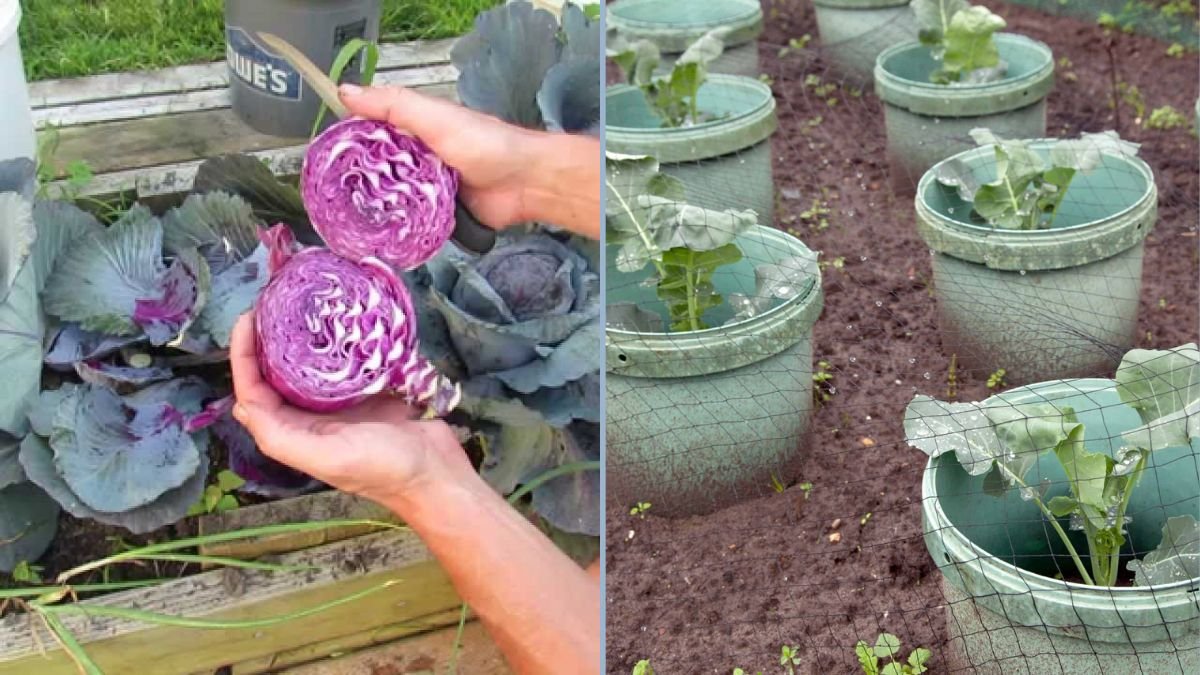
Growing your own red cabbage is a rewarding journey. From sowing tiny seeds to harvesting vibrant purple heads, you’ll gain satisfaction and enjoy crisp, homegrown vegetables. Let’s go step by step through the entire process — planning, sowing, transplanting, caring, and harvesting — to ensure you grow the healthiest, most beautiful cabbages possible.
Why Grow Red Cabbage?
Red cabbage isn’t just visually stunning — it’s nutritious, hardy, and versatile. The deep-purple leaves add striking color to your garden beds and a boost of antioxidants, vitamins, and minerals to your diet. Red cabbage is a cool-season crop that thrives in mild weather, making it suitable for early spring or autumn planting in most regions. It’s perfect for salads, stir-fries, slaws, and even fermented dishes like sauerkraut or kimchi.
1 | Planning and Preparation
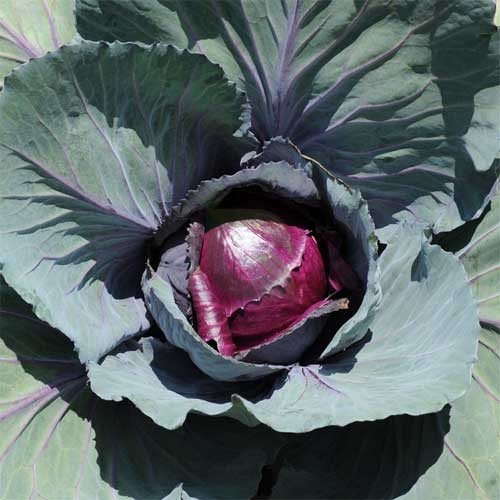
Choosing the Right Time and Location
Red cabbage performs best in cooler temperatures, ideally between 15–20 °C (60–70 °F). You can start seeds indoors in late winter for a spring crop or directly outdoors in midsummer for an autumn harvest. It’s essential to time your sowing so that plants mature during cooler weather.
Choose a sunny spot — at least six to eight hours of direct sunlight per day. Red cabbage can tolerate partial shade, but too little light leads to small, loose heads.
Soil Preparation
Cabbages love fertile, well-drained soil rich in organic matter. Before planting, mix in compost or well-rotted manure to provide nutrients. Aim for a soil pH between 6.0 and 7.0. Avoid very acidic soil, which encourages diseases like clubroot.
Crop Rotation
Since red cabbage belongs to the Brassica family (along with broccoli, kale, and cauliflower), it’s important not to grow it in the same spot year after year. Rotate your crops every three to four years to prevent soil-borne diseases and pest build-up.
2 | Starting from Seed
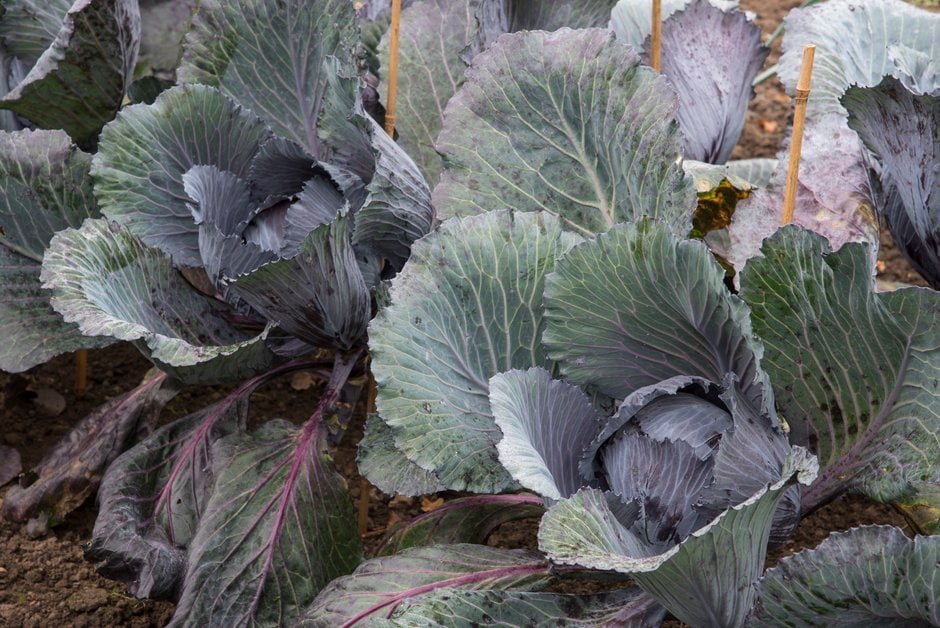
Sowing Indoors
If starting indoors, fill seed trays or small pots with seed-starting mix. Sow seeds about half a centimeter deep and keep the soil moist but not soggy. Seeds usually germinate within a week at warm temperatures (around 21–24 °C).
Once seedlings emerge, move them to a bright, cool area to prevent them from becoming tall and leggy. When they have four to five true leaves, they’re ready for transplanting. Before planting outdoors, harden them off — gradually expose them to outdoor conditions for about a week.
Direct Sowing Outdoors
In mild climates, you can sow seeds directly in the garden. Create shallow furrows about 1 cm deep, sow seeds thinly, and cover lightly with soil. Water gently to keep the soil evenly moist. Once seedlings are a few inches tall, thin them to leave the strongest plants spaced 40–50 cm apart.
3 | Transplanting and Growing On
Spacing and Planting
When transplanting, space plants 45–60 cm apart in rows about 60 cm apart. The larger spacing allows proper air circulation, helping to prevent fungal diseases.
Plant the seedlings deep enough so that the lower leaves rest just above the soil surface. Firm the soil gently around the base and water thoroughly to settle the roots.
Mulching and Feeding
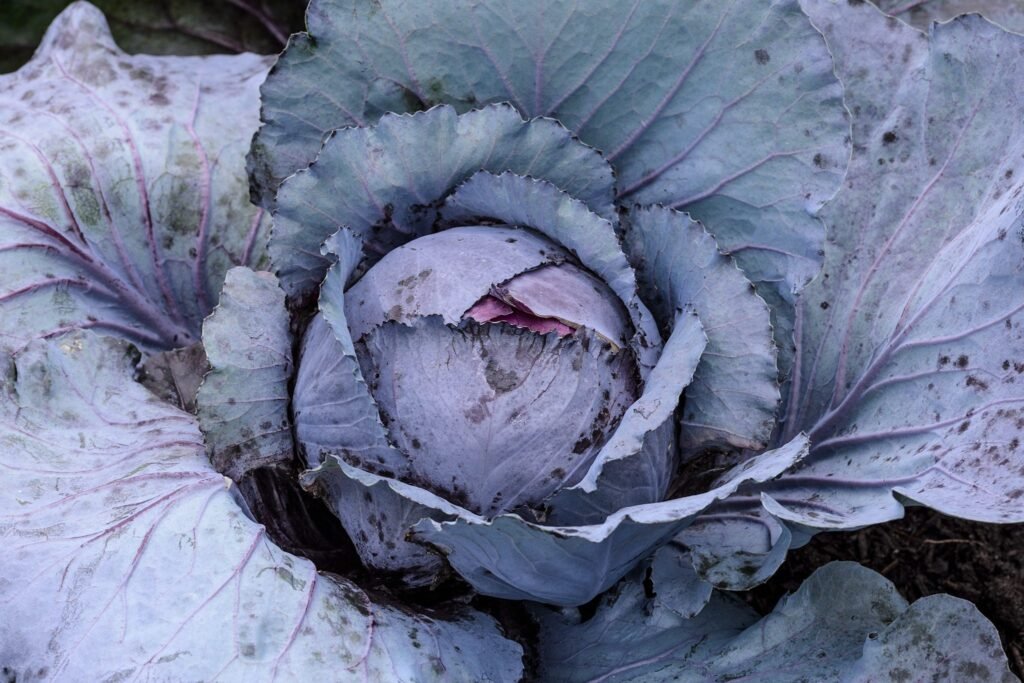
Mulch around the plants with straw, shredded leaves, or compost to conserve moisture, regulate temperature, and suppress weeds. Red cabbage is a heavy feeder, so side-dress the plants with compost or organic fertilizer three to four weeks after transplanting. You can repeat a light feeding halfway through the growing season to encourage steady growth.
Watering
Consistent watering is crucial. Uneven moisture — dry spells followed by heavy watering — can cause the heads to split. Keep the soil evenly moist, especially during dry periods. Water early in the day so the foliage dries before nightfall, which helps reduce disease risk.
4 | Pest and Disease Management
Red cabbage is hardy but can be vulnerable to a few common garden pests and diseases.
Common Pests
- Cabbage Worms – Small green caterpillars that chew holes in the leaves. Inspect your plants regularly and remove worms by hand or cover plants with insect netting.
- Aphids – Tiny insects that suck plant sap and cause curling leaves. Rinse them off with water or use insecticidal soap if necessary.
- Flea Beetles – Tiny black beetles that leave small holes in leaves. Mulching and using row covers help protect seedlings.
- Cabbage Root Maggots – These attack roots, especially in cool, moist soil. Crop rotation and using floating row covers early in the season can prevent infestations.
Common Diseases
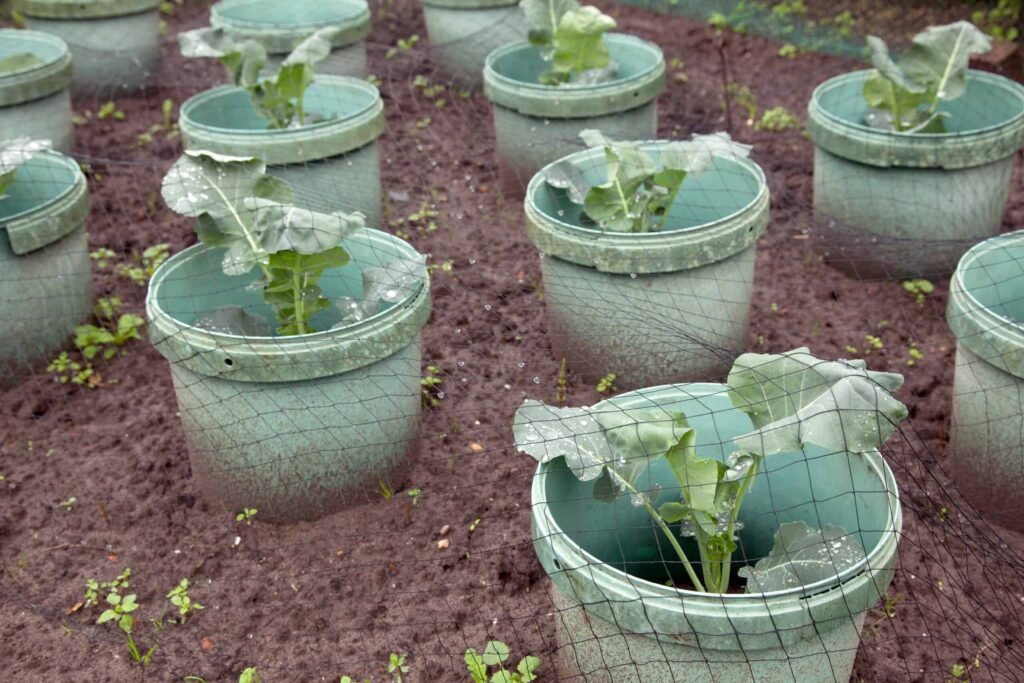
- Clubroot – Causes swollen, distorted roots and stunted plants. Avoid acidic soil, rotate crops, and ensure good drainage.
- Black Rot – Identified by yellow V-shaped lesions on leaves. Remove affected plants and avoid overhead watering.
- Downy Mildew – Appears as white patches on the undersides of leaves. Improve air circulation and avoid overcrowding plants.
Healthy soil, clean gardening tools, and proper spacing go a long way toward preventing problems.
5 | Head Formation and Growth
After several weeks of steady growth, your cabbage plants will begin forming their characteristic heads. During this stage, maintaining consistent moisture and balanced nutrition is vital.
If plants are stressed by heat, drought, or overcrowding, they may bolt (go to seed prematurely) or form small, loose heads. Keep weeds down, maintain watering, and apply a midseason feeding if needed.
Most red cabbage varieties mature about 70–100 days after transplanting. Check seed packets for exact timing. To test readiness, squeeze the head gently — it should feel firm and dense. If the head feels loose, give it more time to tighten.
6 | Harvesting
When to Harvest
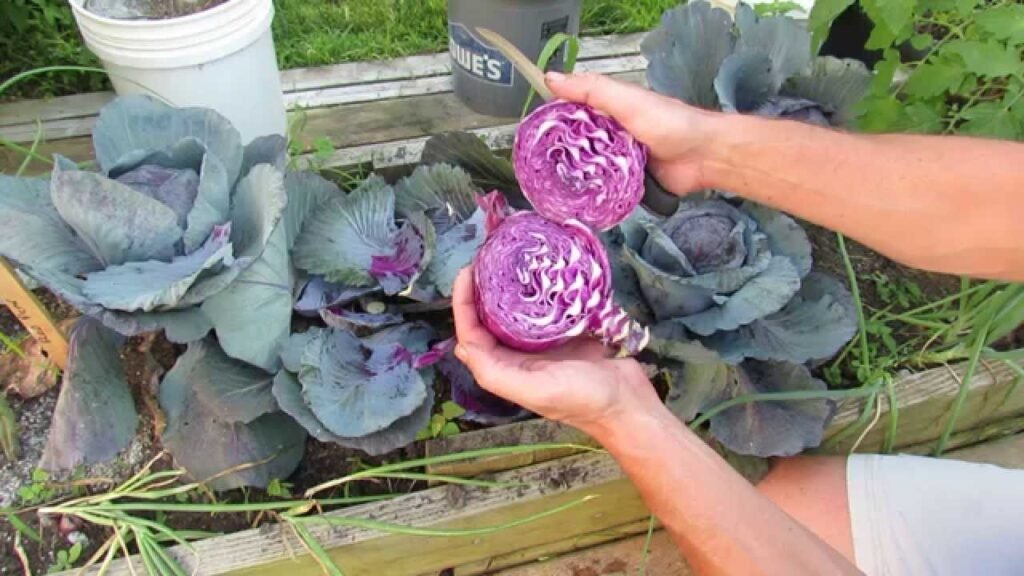
Harvest when the heads are firm and solid to the touch. Leaving them too long can cause splitting, especially after heavy rain. If the weather forecast predicts a downpour, it’s often better to harvest slightly early.
A light frost won’t hurt mature plants — in fact, cooler weather often deepens the red coloration and improves sweetness.
How to Harvest
Use a sharp knife to cut the head from the base just above the soil. Leave a few outer leaves to protect it during handling. If you want a second, smaller crop, leave the root and a few outer leaves in the ground; sometimes smaller heads will regrow around the stump.
Storage Tips
Store freshly harvested cabbage in a cool, humid place — ideally around 0–4 °C (32–40 °F) with high humidity. Under good conditions, red cabbage can last for several weeks or even months.
Alternatively, you can shred and ferment it into sauerkraut or pickle it for long-term storage. The vibrant color holds beautifully, and the flavor develops over time.
7 | Growing Red Cabbage in Containers
Even if you don’t have a large garden, red cabbage can thrive in containers. Choose a pot at least 25 cm deep and 30 cm wide per plant. Use a rich, well-draining potting mix and ensure good drainage holes.
Place the container in full sun and water regularly, as pots dry out faster than garden soil. Feed container-grown cabbages every few weeks with a balanced fertilizer to replace nutrients lost through watering.
Container gardening also makes it easier to control pests — simply move pots under cover or away from infested areas.
8 | Troubleshooting Common Problems
- Loose Heads – Usually caused by hot weather or too much nitrogen. Plant in cooler seasons and use slow-release fertilizer.
- Splitting Heads – Caused by irregular watering or sudden rain. Keep soil moisture consistent and harvest promptly when heads are ready.
- Yellowing Leaves – May indicate nutrient deficiency or overwatering. Check drainage and feed with a balanced fertilizer.
- Stunted Growth – Often due to root maggots or poor soil fertility. Rotate crops and enrich the soil with compost.
9 | Why It’s Worth the Effort
Growing red cabbage from seed to harvest gives you more than just fresh vegetables — it’s a lesson in patience and sustainability. You’ll enjoy a vegetable rich in anthocyanins, vitamin C, and fiber, all while reducing your carbon footprint and avoiding synthetic pesticides.
Plus, red cabbage adds ornamental beauty to your garden — the deep purple foliage looks stunning alongside green lettuces or herbs.
10 | Final Thoughts
From seed to harvest, red cabbage is a satisfying and relatively easy crop to grow once you understand its needs. Remember these key points:
- Start early and give plants plenty of cool weather.
- Maintain consistent moisture and nutrient levels.
- Protect against pests with netting or organic controls.
- Harvest when heads are firm, before splitting occurs.
Follow these steps, and you’ll be rewarded with crisp, flavorful red cabbage perfect for your kitchen table — fresh, pickled, or fermented.