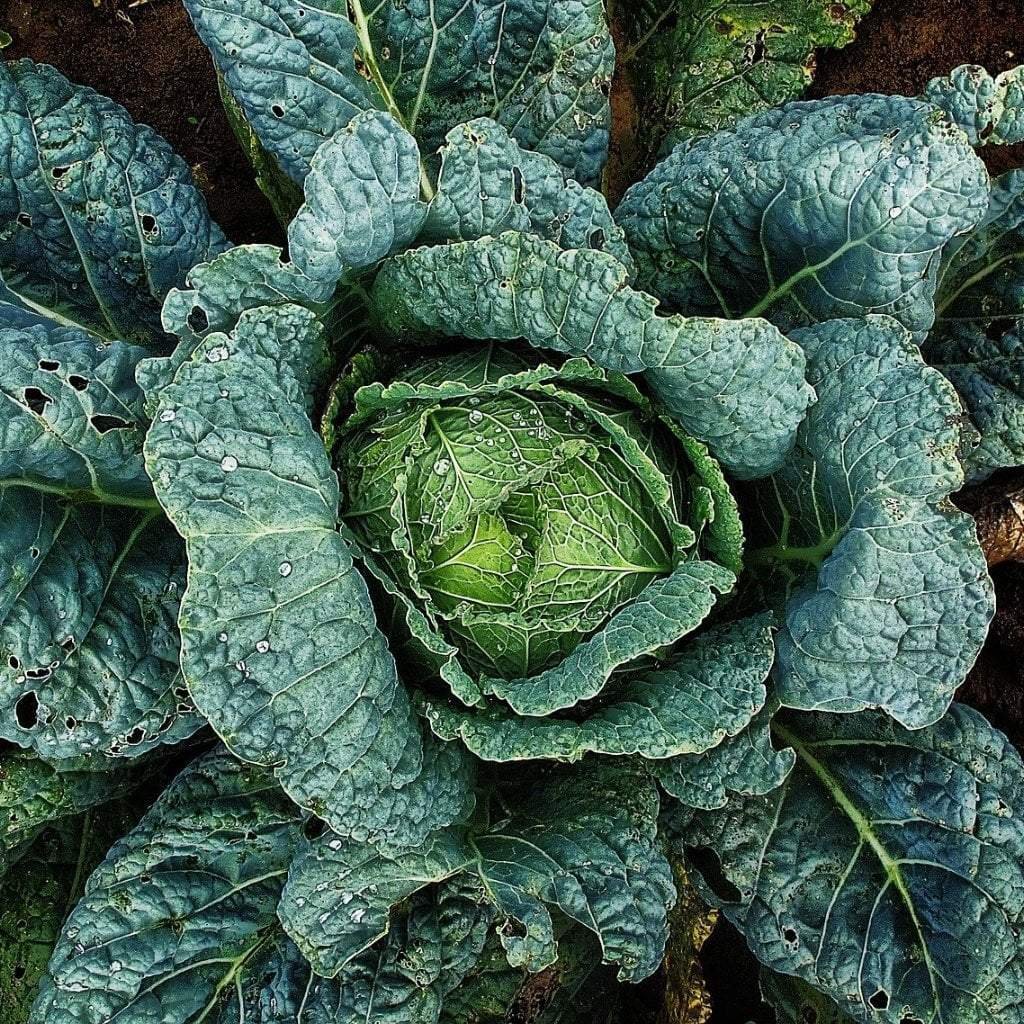
Savoy cabbage is a leafy vegetable prized for its crinkled, textured leaves, sweet flavor, and versatility in the kitchen. Unlike other cabbage varieties, its tender leaves hold up well in soups, stir-fries, and salads. Growing your own savoy cabbage from seed to harvest is a rewarding process that provides fresh, nutrient-rich produce while giving you the satisfaction of nurturing a plant from start to finish. In this guide, we’ll walk through the step-by-step process of growing healthy, productive savoy cabbage in your garden or containers.
Why Choose Savoy Cabbage?
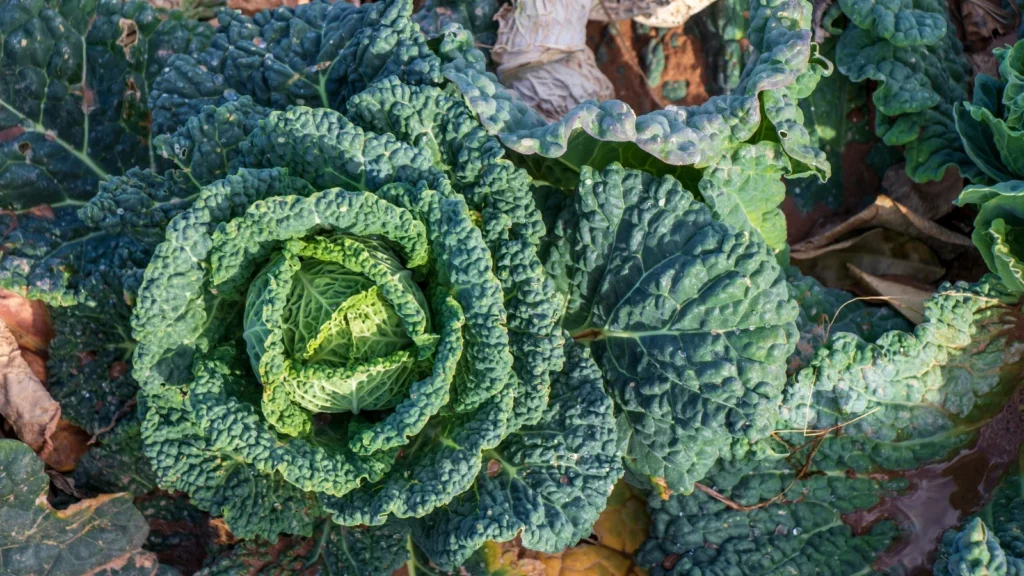
Savoy cabbage (Brassica oleracea var. sabauda) is ideal for home gardeners due to its tolerance of cooler temperatures and resistance to some common cabbage pests. Its unique crinkled leaves make it an attractive addition to your garden, and its mild, sweet flavor makes it a versatile ingredient in a wide range of dishes. Because it is a cool-season crop, savoy cabbage grows best in spring and fall, and with proper care, can be stored for weeks after harvest.
1 | Planning and Preparation
Timing
Savoy cabbage thrives in cooler weather, ideally between 15–20°C (60–68°F). For spring harvests, start seeds indoors 6–8 weeks before the last expected frost. For autumn crops, start seeds in midsummer to transplant in late summer or early fall. This timing ensures the cabbage matures before extreme heat or frost, which can negatively affect flavor and texture.
Selecting a Location
Choose a spot with full sun exposure—at least six hours of sunlight per day. While savoy cabbage tolerates partial shade, too little light can lead to small, weak heads. The soil should be rich, fertile, and well-drained to support steady growth.
Soil Preparation
Savoy cabbage is a heavy feeder, so proper soil preparation is crucial. Work organic matter, such as compost or well-rotted manure, into the soil to improve fertility and structure. Aim for a slightly acidic to neutral pH of 6.0–7.0. Avoid compacted or poorly draining soil, as soggy roots can cause diseases like clubroot.
Crop Rotation
To prevent soil-borne diseases and pest buildup, avoid planting cabbage in the same location where other brassicas (broccoli, cauliflower, kale) were grown in the last three years. Rotating crops is an essential part of maintaining soil health.
2 | Starting Seeds
Indoor Sowing
Sow seeds in seed trays or small pots using a light, well-draining seed-starting mix. Sow seeds about ½ cm deep and keep the soil consistently moist. Maintain a warm temperature (around 20–22°C) to encourage germination, which typically occurs within 5–10 days.
Once seedlings emerge, move them to a cooler, bright area to prevent them from stretching. When seedlings develop 4–5 true leaves, they are ready for transplanting. Hardening off, or gradually exposing them to outdoor conditions, is important to reduce transplant shock.
Direct Sowing Outdoors
If your climate allows, you can sow seeds directly into prepared garden beds. Sow thinly in shallow rows, cover lightly with soil, and water gently. Once seedlings reach a few inches tall, thin them to a spacing of 30–45 cm apart.
3 | Transplanting Savoy Cabbage
When seedlings are strong and have been hardened off, transplant them into their final positions in the garden or in large containers. Space plants 45–60 cm apart in rows spaced 60–70 cm apart to ensure good air circulation and reduce disease risk.
Plant seedlings slightly deeper than they were in the pots, firm the soil around the roots, and water thoroughly. Applying mulch around the base of the plants helps retain soil moisture, regulate temperature, and suppress weeds.
4 | Watering and Feeding
Consistent watering is critical for forming firm, compact cabbage heads. Avoid irregular watering, as this can cause splitting or bitter flavor. Water deeply once or twice a week, more often during dry spells.
Savoy cabbage benefits from regular feeding. Use a balanced organic fertilizer or compost tea every 3–4 weeks to encourage steady growth. Over-fertilizing with nitrogen, however, can result in loose heads and excessive leafy growth, so moderate feeding is best.
5 | Pest and Disease Management
Common Pests
- Cabbage Worms: Caterpillars that chew holes in leaves. Inspect regularly and remove by hand or use floating row covers.
- Aphids: Small sap-sucking insects that cause curled leaves. Rinse with water or apply insecticidal soap if needed.
- Flea Beetles: Tiny beetles that create small holes in seedlings. Protect young plants with netting or row covers.
- Cabbage Root Maggots: Attack roots in cool, moist soil. Crop rotation and row covers can help prevent damage.
Common Diseases
- Clubroot: Causes swollen, distorted roots and stunted growth. Maintain proper pH, rotate crops, and avoid waterlogged soil.
- Black Rot: Identified by yellow V-shaped lesions on leaves. Remove affected plants and avoid overhead watering.
- Downy Mildew: Appears as white patches on leaf undersides. Improve air circulation and avoid overcrowding.
Regular inspection, proper spacing, and clean garden practices are key to preventing pest and disease issues.
6 | Head Formation and Growth
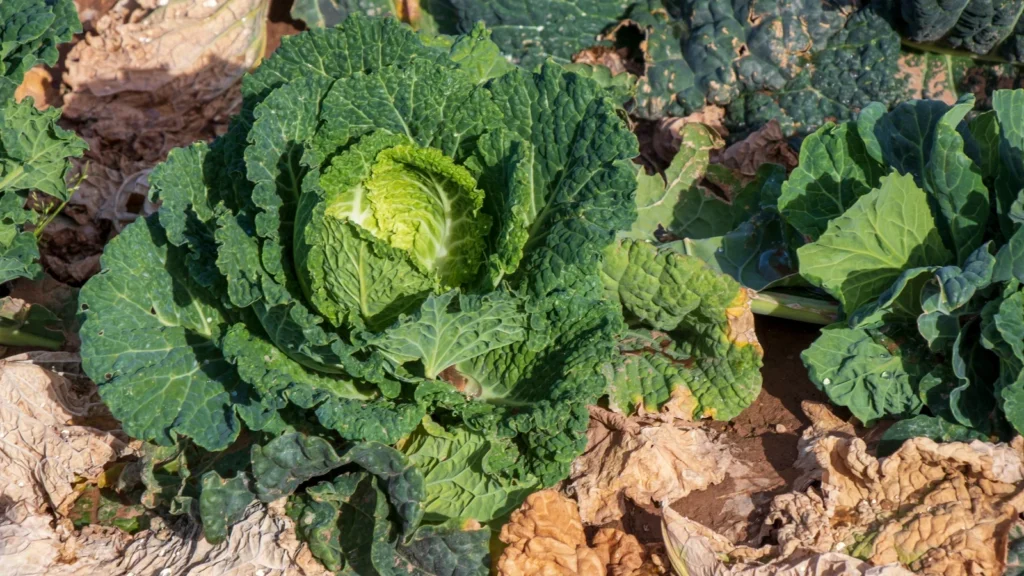
As your savoy cabbage matures, the crinkled heads will begin forming. Consistent watering, fertilization, and pest management are vital during this stage.
Most varieties mature 80–100 days after transplanting, depending on climate and care. The heads are ready when they feel firm to the touch. Avoid waiting too long to harvest, as heads may split or loosen, especially after heavy rainfall.
7 | Harvesting Savoy Cabbage
Timing
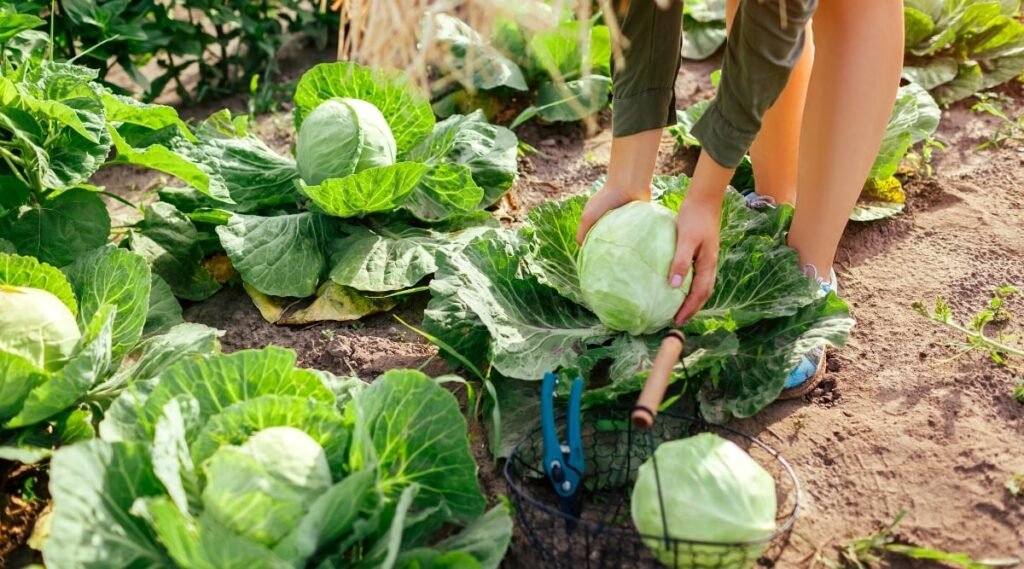
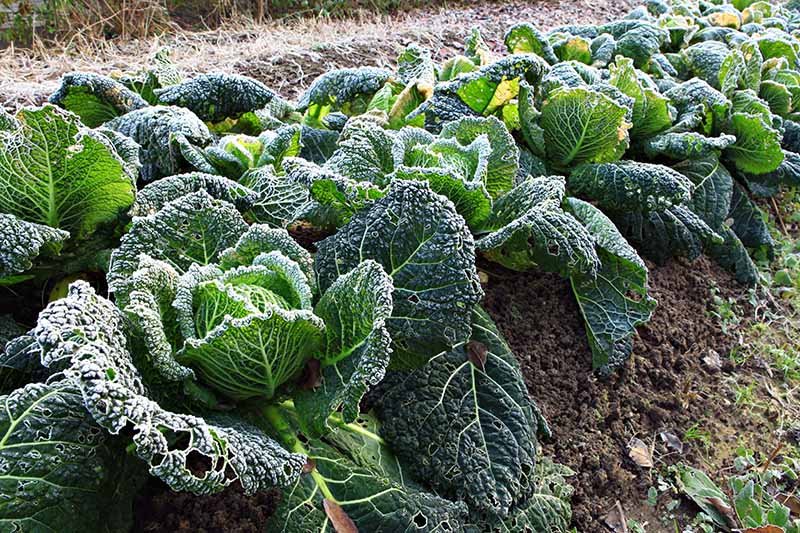
Harvest heads when firm, compact, and full-sized. A gentle squeeze will indicate density — a soft or loose head is not yet ready. Cooler weather can improve flavor, as frost often enhances sweetness.
Technique
Use a sharp knife to cut the head at its base, leaving the outer leaves intact if desired. If only part of the head is harvested, some varieties may continue producing smaller inner heads.
Storage
Savoy cabbage stores well in cool, humid conditions (0–4°C). Properly stored heads can last for several weeks. You can also shred and ferment them into sauerkraut or pickle for long-term storage. The vibrant leaves hold color and flavor during preservation.
8 | Growing Savoy Cabbage in Containers
Savoy cabbage grows well in containers if space is limited. Use pots at least 25–30 cm deep and wide for each plant. Fill with nutrient-rich, well-draining soil and ensure good drainage.
Place containers in full sun, water consistently, and feed regularly with a balanced fertilizer. Container growing also reduces the risk of soil-borne pests and allows you to move plants if weather conditions are extreme.
9 | Troubleshooting Common Problems
- Loose Heads: Usually caused by hot weather or excess nitrogen. Plant in cooler seasons and avoid over-fertilizing.
- Split Heads: Caused by irregular watering or sudden growth spurts. Maintain steady moisture and harvest promptly.
- Yellowing Leaves: May indicate nutrient deficiency or overwatering. Check soil and apply fertilizer as needed.
- Stunted Growth: Often caused by pests like root maggots or compacted soil. Rotate crops and improve soil health with organic matter.
10 | Why Growing Savoy Cabbage is Worth It
Homegrown savoy cabbage is fresh, flavorful, and nutrient-dense. Growing from seed allows you to control the growing conditions, avoid pesticides, and enjoy vegetables at peak freshness.
The ornamental crinkled leaves add visual appeal to the garden, and the tender heads are versatile in cooking. From soups and stews to stir-fries and salads, savoy cabbage is a kitchen staple with endless possibilities.
11 | Final Thoughts
Growing savoy cabbage from seed to harvest is a satisfying journey that teaches patience, attention to detail, and sustainable gardening practices. By following these steps:
- Start seeds at the right time
- Provide fertile, well-draining soil
- Maintain consistent watering and nutrition
- Protect against pests and diseases
- Harvest heads when firm
…you can enjoy a bountiful crop of sweet, tender cabbage for months.
Whether in the garden or a container, savoy cabbage offers both beauty and bounty. With care and attention, your efforts will be rewarded with crisp, flavorful heads perfect for your table.