Few gardening experiences are as satisfying as harvesting fresh, golden ears of sweet corn that you’ve grown yourself. The taste of homegrown corn — crisp, juicy, and bursting with sweetness — easily beats anything you can buy at a store. Whether you’re planting in a backyard garden or a small plot, growing sweet corn is easier than it looks once you understand its needs.
In this guide, we’ll walk step-by-step through the process of growing sweet corn from sowing to harvest — including tips on soil preparation, planting, pollination, and picking your crop at the perfect time.
Why Grow Your Own Sweet Corn
Sweet corn isn’t just another vegetable. It’s a summertime favorite that offers flavor, nutrition, and the joy of growing something iconic. When harvested at the right time, sweet corn delivers a crisp texture and natural sugar content that commercial varieties can’t match.
Here are a few reasons to grow it yourself:
- Superior taste: Store-bought corn begins losing its sweetness soon after harvest. Homegrown corn goes straight from garden to table, preserving its flavor.
- Self-sufficiency: Growing your own staple crops builds confidence and reduces grocery costs.
- Pollinator-friendly: Corn’s tall stalks and tassels attract beneficial insects to your garden.
- Great for beginners: With good sunlight, consistent watering, and a bit of patience, even first-time gardeners can succeed.
Understanding Sweet Corn Basics
Before sowing, it helps to understand what sweet corn needs to thrive:
- Full Sun: Corn loves sunlight — it requires at least 6–8 hours of direct sun daily.
- Warm Soil: Seeds germinate best in warm soil, ideally between 18°C to 25°C (65°F to 77°F).
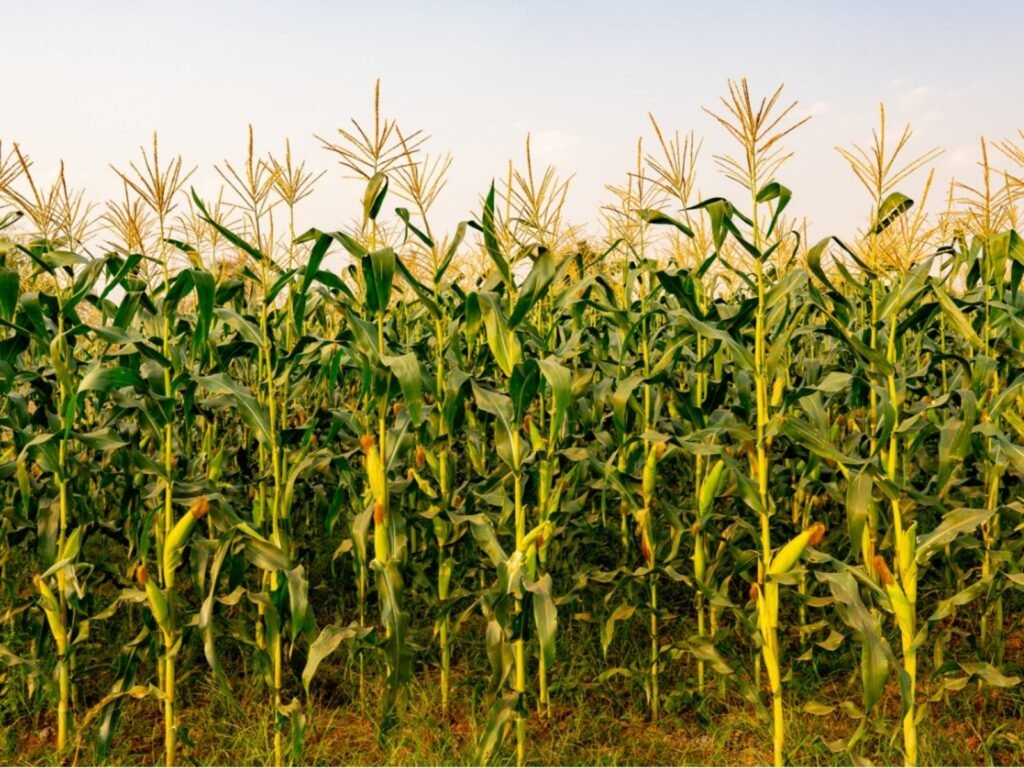
- Space to Grow: Corn can reach heights of 5–8 feet, so it needs room to stretch upward.
- Wind for Pollination: Unlike many crops, corn relies on wind rather than insects for pollination. That’s why planting in blocks (short, wide sections) rather than single rows ensures better kernel development.
Sweet corn typically takes 70 to 100 days from planting to harvest, depending on the variety and growing conditions.
Choosing the Right Variety
There are three main types of sweet corn:
- Standard (su) – Classic flavor, soft texture, and fast maturity. Best for eating fresh soon after harvest.
- Sugar-enhanced (se) – Sweeter and holds its flavor longer after picking.
- Supersweet (sh2) – Extremely sweet, with longer shelf life but requires warm soil for germination.
If you’re a beginner, go for a sugar-enhanced or standard variety since they’re easier to grow and less finicky about temperature.
Preparing the Soil
Corn is a heavy feeder, meaning it needs nutrient-rich soil to produce strong stalks and plump cobs.
- Location: Pick a sunny, sheltered spot where the plants can grow tall without shading smaller crops.
- Soil type: Corn prefers loose, well-drained soil with good organic content. Avoid heavy clay.
- Enrich the soil: Before sowing, mix in compost or well-rotted manure to boost fertility. You can also add a balanced fertilizer (like 10-10-10 NPK) to support early growth.
- Check drainage: Corn roots dislike soggy soil. If water tends to pool, raise the bed slightly or add organic matter to improve structure.
The soil pH should ideally be between 6.0 and 6.8 — slightly acidic to neutral.
Sowing Sweet Corn Seeds
When to Plant
Corn is a warm-season crop. Wait until all danger of frost has passed and the soil temperature is above 16°C (60°F). Cold soil can stunt germination or rot the seeds.
How to Plant
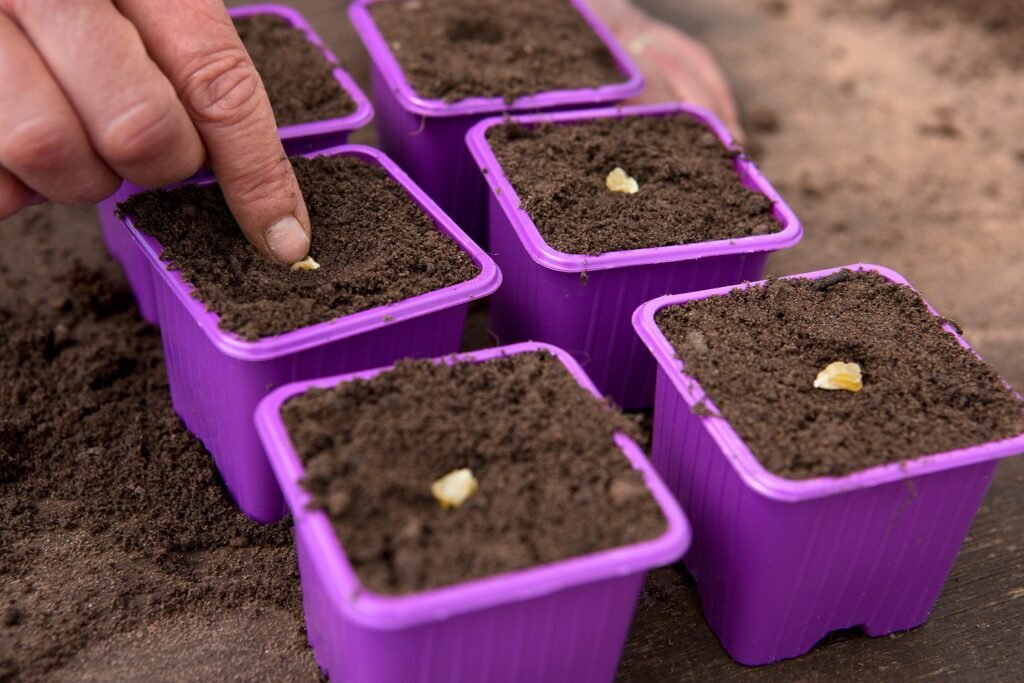
- Direct sowing: Sweet corn doesn’t transplant well, so plant seeds directly into the ground.
- Spacing: Plant seeds 2.5–3 cm deep and 30 cm apart in rows that are 60–75 cm apart.
- Plant in blocks: Instead of one long row, plant 3–4 short rows side by side. This improves wind pollination and results in fuller cobs.
- Water after planting: Keep the soil moist but not waterlogged.
If you want a continuous harvest, plant new blocks every 2–3 weeks until midsummer.
Caring for Sweet Corn Plants
Watering
Corn needs consistent moisture, especially during germination and cob development. Water deeply once or twice a week, aiming for about 2.5 cm (1 inch) of water each time. Dry spells can lead to smaller, poorly filled cobs.
Mulching around the base of plants helps retain soil moisture and suppress weeds.
Feeding
Feed your corn twice during the growing season:
- When plants are knee-high: Apply a nitrogen-rich fertilizer (like blood meal or compost tea) to promote leaf and stalk growth.
- When tassels appear: Add a balanced fertilizer to support ear development.
Weeding and Mulching
Corn roots grow shallow, so weed carefully to avoid damage. Mulch with straw or grass clippings to reduce weeds and maintain moisture.
Pest Control
Common corn pests include aphids, armyworms, and corn earworms. Check leaves regularly for damage and remove pests manually or use organic insect sprays like neem oil if needed. Keep the area around your corn clean and free from debris to discourage hiding pests.
Pollination: The Secret to Full Ears
Corn plants are monoecious, meaning they have both male and female flowers. The tassels at the top produce pollen, while the silks on the ears collect it. Each strand of silk corresponds to one kernel — if pollination fails, you’ll get patchy cobs.
To improve pollination:
- Grow corn in blocks instead of single rows.
- On still days, you can hand-pollinate by gently shaking the tassels so pollen falls onto the silks.
- Avoid growing corn near strong winds or dense hedges that block airflow.
Proper pollination ensures well-filled, plump ears.
Signs of Growth and Maturity
Corn goes through distinct growth stages:
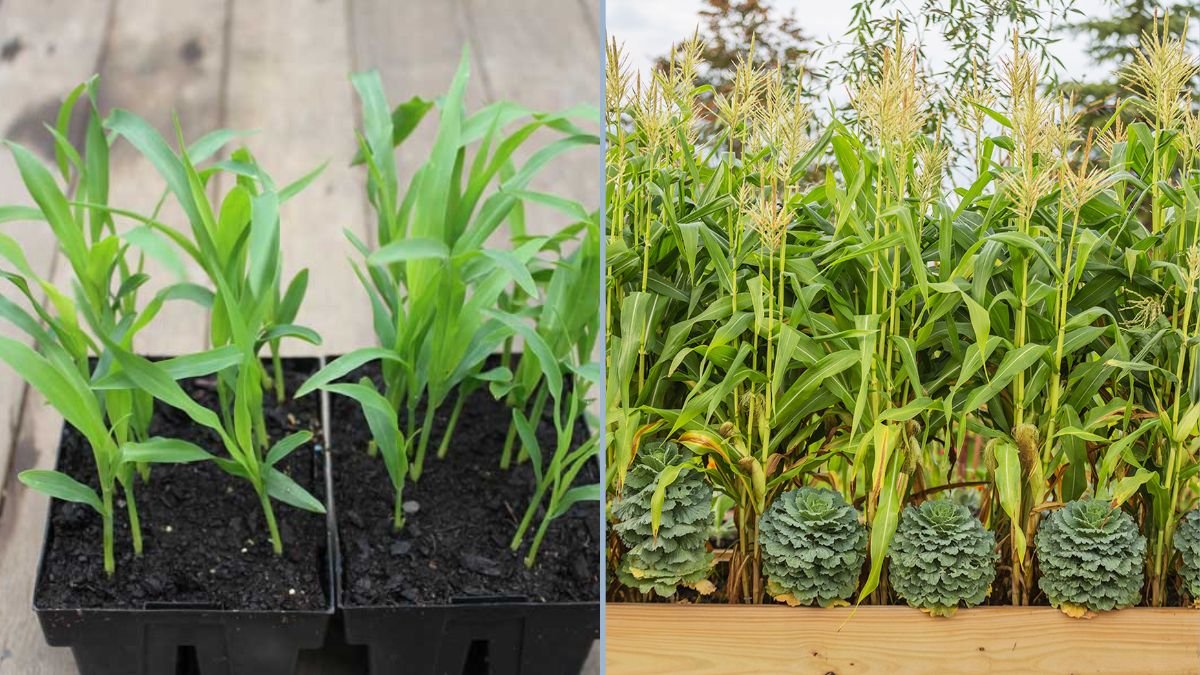
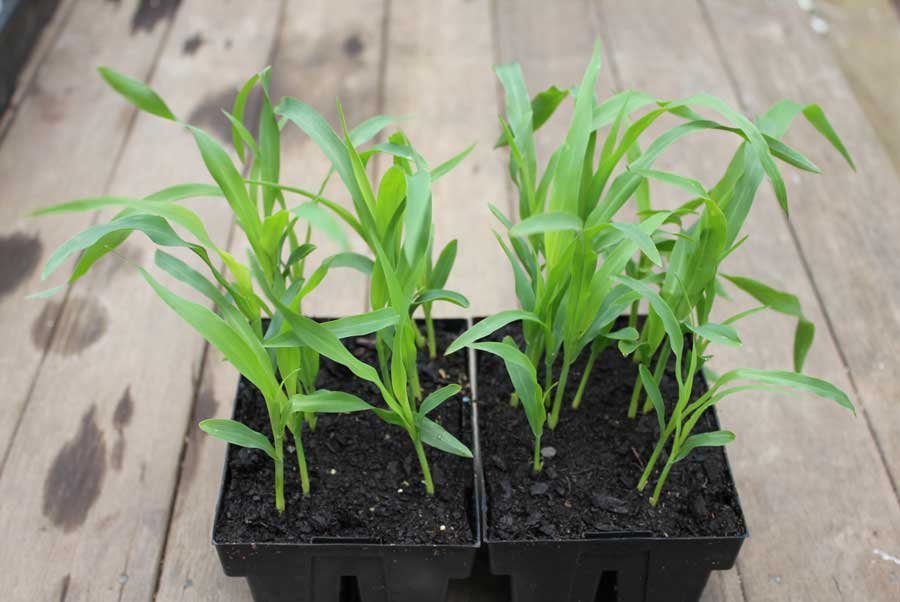
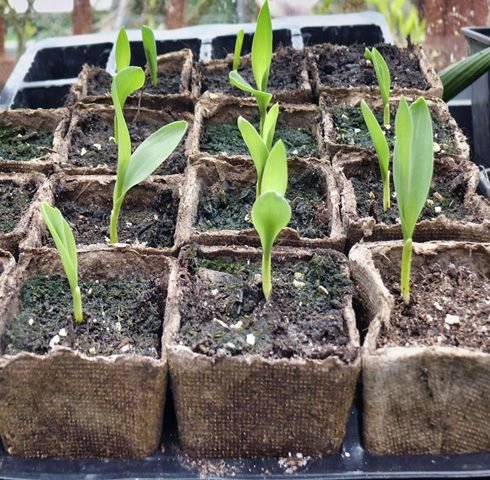
- Seedling stage (0–3 weeks): The young plants emerge and start forming leaves.
- Vegetative stage (3–6 weeks): Rapid stalk growth begins, and plants develop strength.
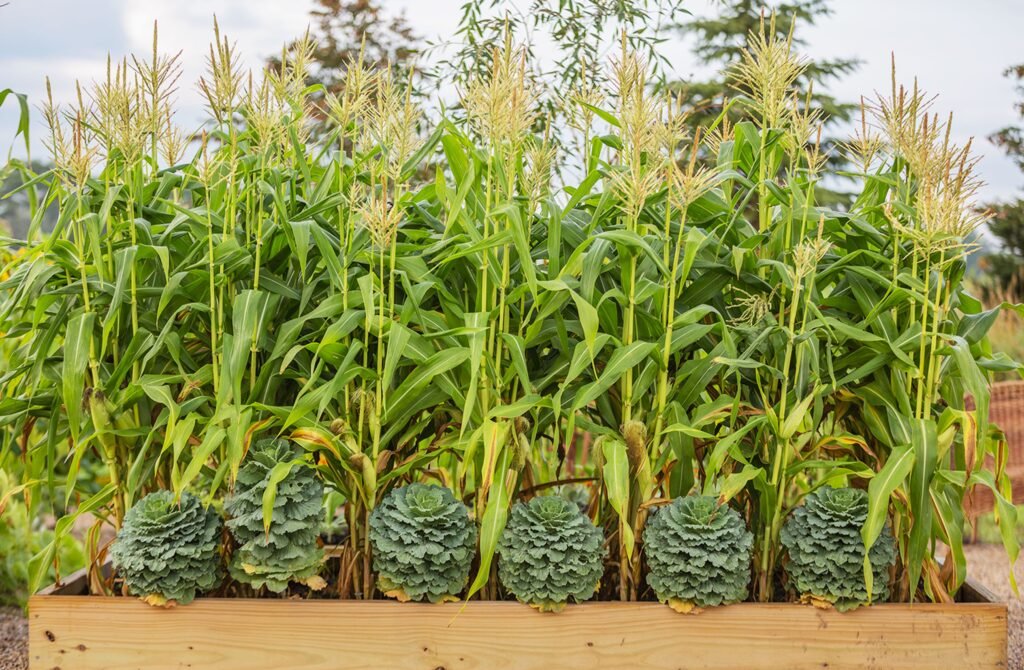
- Tasseling stage (6–8 weeks): Tassels emerge at the top of each stalk.
- Silking stage (8–10 weeks): Silks appear — this is when pollination occurs.
- Ear filling and ripening (10–14 weeks): Kernels swell and fill out until they reach full maturity.
Keep the soil moist and weed-free throughout these stages for best results.
Harvesting Sweet Corn
Harvest time depends on the variety, but most sweet corn is ready 70 to 100 days after sowing.
Here’s how to tell it’s ready:
- The silks turn brown and dry, but the husks are still green.
- Kernels look plump and exude a milky sap when pierced with a fingernail. (If the liquid is clear, it needs more time.)
- Ears feel full and firm when squeezed.
To harvest, grasp the ear, twist it downward, and pull it cleanly off the stalk.
Post-Harvest Tips
- Use immediately: Sweet corn begins losing sugar as soon as it’s picked, converting it to starch. For the best flavor, cook or refrigerate it within a few hours of harvesting.
- Storing: If you can’t cook it right away, store unhusked ears in the refrigerator for up to three days.
- Preserving: You can also freeze blanched kernels or whole cobs for long-term storage.
Common Growing Problems and Solutions
Problem 1: Poor pollination
- Cause: Single-row planting or low wind movement.
- Fix: Plant in blocks or hand-pollinate.
Problem 2: Yellowing leaves
- Cause: Nitrogen deficiency.
- Fix: Add a nitrogen fertilizer or compost tea.
Problem 3: Small ears or missing kernels
- Cause: Drought stress or overcrowding.
- Fix: Maintain consistent watering and proper spacing.
Problem 4: Pest damage
- Cause: Corn earworms or birds.
- Fix: Use organic pest controls or cover young ears with paper sleeves.
Companion Planting Tips
Sweet corn grows well with beans, peas, and squash — a traditional trio known as the “Three Sisters” in Indigenous agriculture. The corn provides height for beans to climb, the beans fix nitrogen in the soil, and the squash shades the ground, reducing weeds.
Avoid planting corn near tomatoes, as both compete for nutrients and attract similar pests.
Final Thoughts
Growing sweet corn from sowing to harvest is one of the most rewarding gardening experiences. It’s a plant that thrives on sunshine, good soil, and a little attention — and pays you back with the unmistakable flavor of summer.
To recap:
- Prepare rich, well-drained soil.
- Plant in blocks for strong pollination.
- Keep the soil moist and feed regularly.
- Watch for brown silks and milky kernels to know when to harvest.
With patience and care, you’ll be rewarded with rows of golden, juicy ears ready to grill, boil, or eat straight off the cob — a true taste of summer, straight from your own garden.