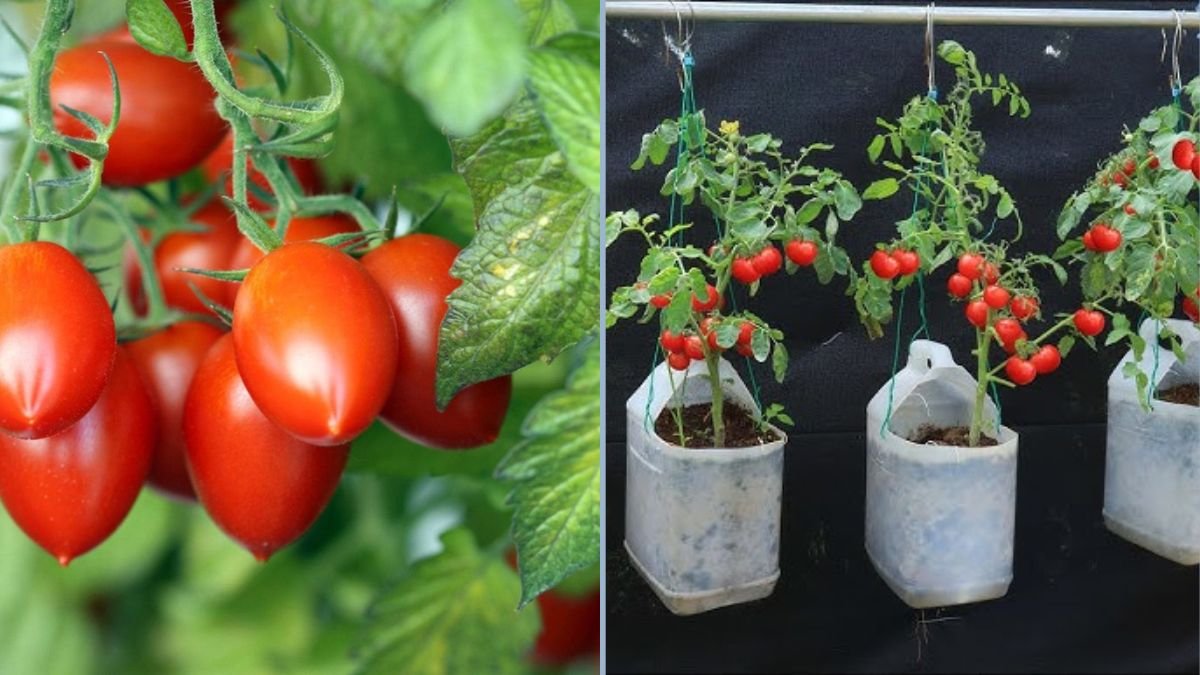
Few vegetables are as satisfying to grow as tomatoes, and among the many varieties, Roma tomatoes hold a special place. Known for their thick flesh, low moisture content, and rich flavor, they’re ideal for sauces, canning, and roasting. But growing them successfully requires more than just sticking a seedling in the ground.
If you’ve ever struggled with weak plants, low yields, or bland fruit, you’re not alone. The secret lies in planting Roma tomatoes the right way — preparing the soil properly, planting deeply, and giving them the care they need from day one.
Here’s everything you need to know to grow strong, healthy Roma tomato plants that reward you with heavy clusters of delicious fruit all season long.
Why Choose Roma Tomatoes?
Before you start planting, it’s helpful to understand what makes Roma tomatoes different.
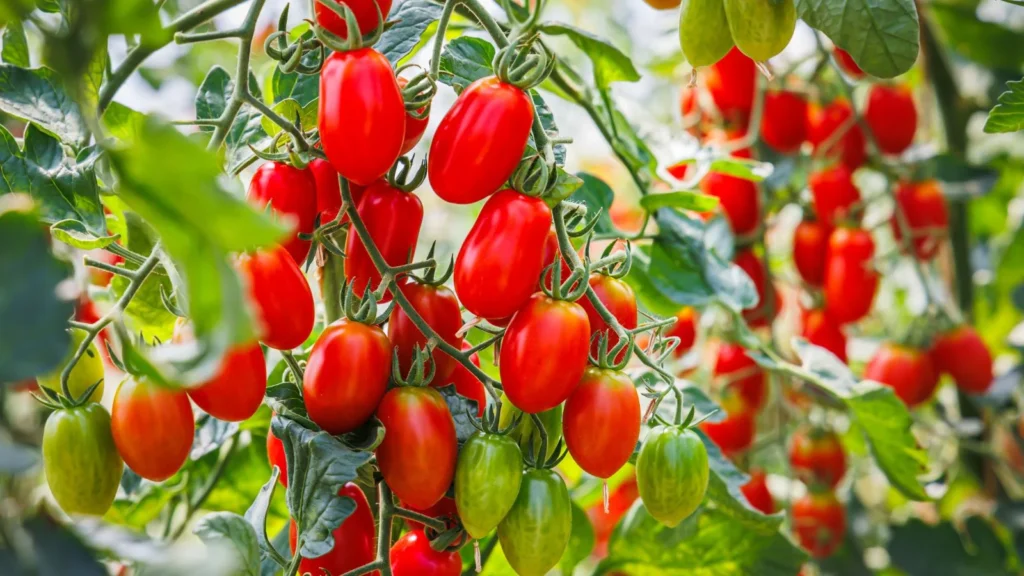
Roma tomatoes (also called plum tomatoes) are an indeterminate variety, meaning they continue growing and producing fruit throughout the season. They’re smaller and more oval-shaped than slicing tomatoes but thicker and meatier — perfect for sauces, salsa, and paste.
They typically have fewer seeds, firm texture, and rich taste. Because of their reliability and productivity, they’re a favorite for both beginner and experienced gardeners.
1. Choose the Right Location
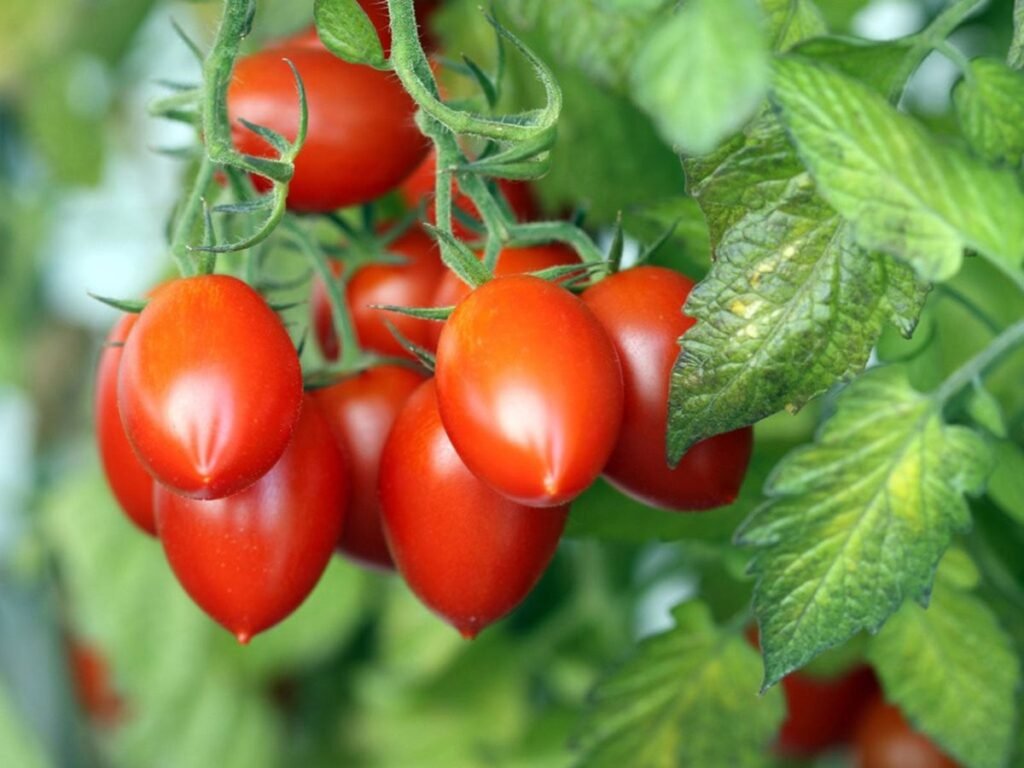
Roma tomatoes love warmth and sunlight. The first rule of successful planting is location, location, location.
- Sunlight: Choose a spot that receives at least 6 to 8 hours of full sunlight daily. The more sun they get, the sweeter and more flavorful your tomatoes will be.
- Air circulation: Good airflow reduces the risk of fungal diseases like blight. Avoid planting them too close to walls or other plants.
- Soil: Roma tomatoes prefer well-draining, fertile soil. Heavy clay or soggy areas can stunt growth and lead to root rot.
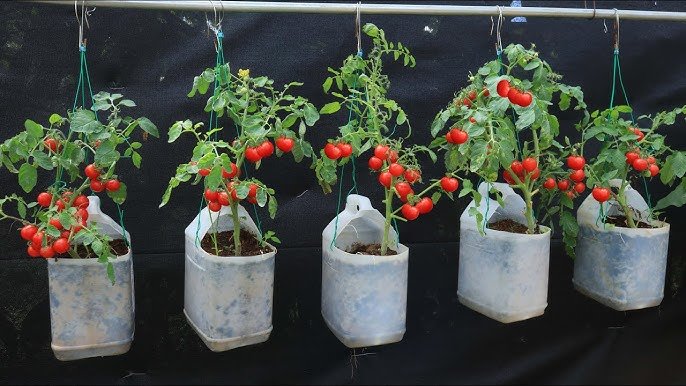
If your garden soil isn’t ideal, consider raised beds or large containers filled with high-quality potting mix.
2. Prepare the Soil Before Planting
Healthy soil means healthy plants. Roma tomatoes are heavy feeders and thrive in rich, loamy soil full of organic matter.
- Soil pH: Keep it slightly acidic, between 6.0 and 6.8.
- Amendments: Before planting, mix in compost, aged manure, or organic fertilizer to boost nutrient content.
- Drainage: Make sure water can drain easily; soggy roots cause disease.
For an extra nutrient boost, add a handful of bone meal or tomato-specific fertilizer into each planting hole. This helps root development and supports early growth.
3. Start with Healthy Seedlings
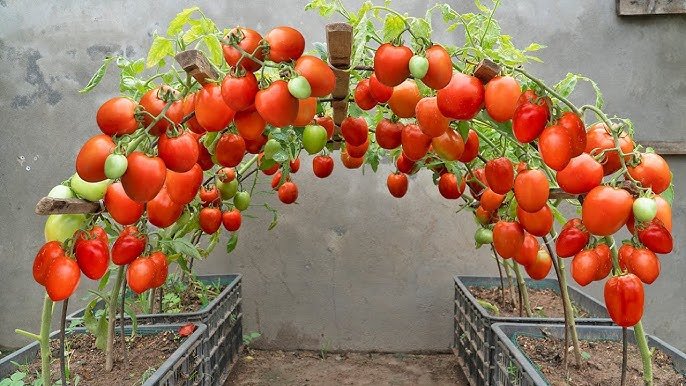
You can grow Roma tomatoes from seed or buy young transplants from a nursery.
If starting from seed, begin 6 to 8 weeks before your area’s last frost date. Keep seedlings in a warm, bright location or under grow lights until they’re ready for transplanting.
Look for strong, sturdy seedlings about 6–10 inches tall with dark green leaves. Avoid leggy or yellowing plants — those are signs of poor health or insufficient light.
4. Plant Deeply — The Secret to Strong Roots
One of the biggest mistakes new gardeners make is planting tomatoes too shallow. Tomatoes can grow roots along their buried stems, so planting deeply is key.
Here’s how to do it right:
- Dig a hole deep enough to bury two-thirds of the plant, leaving only the top leaves above ground.
- Remove the lower leaves on the stem before planting.
- Gently lay the plant at an angle if needed — the stem will straighten upward naturally.
This method encourages a strong, deep root system, helping the plant absorb water and nutrients efficiently and withstand heat or drought.
5. Space Plants Properly
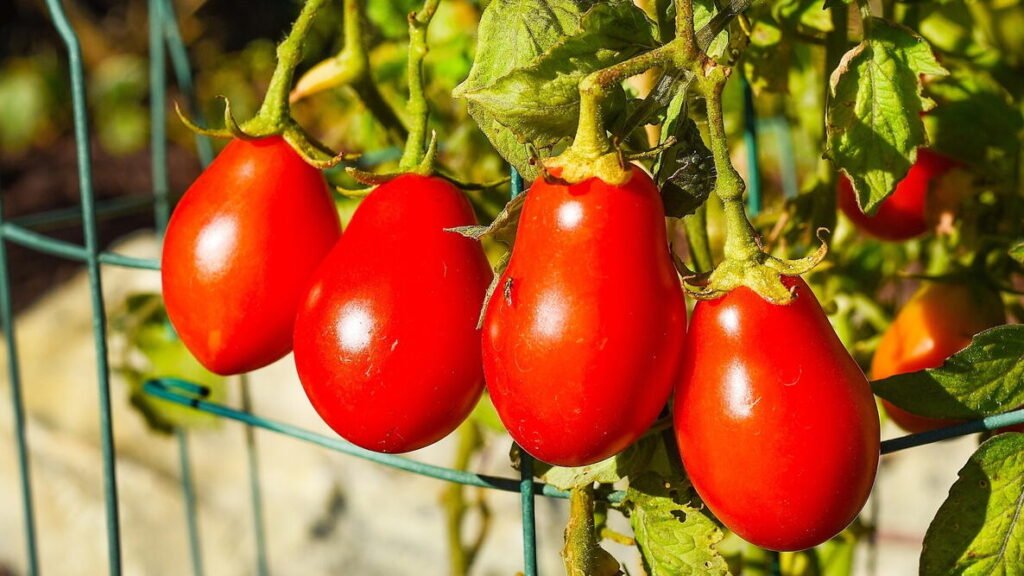
Crowded tomato plants are a recipe for disease and poor airflow. Give each plant plenty of room to breathe.
- Spacing: Place Roma tomato plants about 18–24 inches apart, with rows spaced at least 2–3 feet apart.
- Support system: Install stakes or tomato cages at planting time to avoid disturbing roots later. Roma tomatoes, though smaller than beefsteak varieties, still need support to hold their heavy fruit clusters.
Proper spacing ensures sunlight reaches all parts of the plant and helps prevent fungal problems.
6. Water Smart — Deep and Consistent
Watering correctly can make or break your tomato crop. Roma tomatoes prefer consistent moisture but hate soggy roots.
Follow these watering tips:
- Water deeply once or twice per week, depending on weather. Shallow watering promotes weak, surface-level roots.
- Use drip irrigation or soaker hoses to keep foliage dry and reduce disease risk.
- Mulch around the base with straw or compost to retain moisture and regulate soil temperature.
Avoid overhead watering, especially in humid climates. Wet leaves invite blight, mildew, and fungal issues.
7. Feed for Fruit Production
Once your Roma tomatoes are established, they’ll benefit from regular feeding.
- Start with a balanced fertilizer (10-10-10) early in the season.
- When flowering begins, switch to a low-nitrogen, high-phosphorus and potassium fertilizer — something like 5-10-10.
Too much nitrogen creates lush, green foliage but few fruits. Organic options like compost tea, seaweed extract, or fish emulsion are also excellent for steady nutrition.
8. Mulch and Weed Control
Mulching is one of the simplest but most effective ways to improve tomato health.
- Apply a 2–3-inch layer of straw, shredded leaves, or compost around each plant (but not touching the stem).
- This helps maintain soil moisture, prevent weeds, and keep soil temperature stable.
- It also reduces splash-back when watering, minimizing the spread of soil-borne diseases.
Regularly remove weeds that compete for nutrients and water.
9. Pruning and Maintenance
Pruning Roma tomatoes helps them stay healthy, compact, and productive.
- Remove suckers — the small shoots that grow between the main stem and leaf branches. This channels energy toward fruit rather than excess leaves.
- Pinch off lower leaves that touch the soil to prevent disease spread.
- Keep an eye out for pests like aphids or hornworms. Neem oil or insecticidal soap can keep them in check naturally.
Prune lightly; don’t remove too many leaves, as they shade and protect developing fruits.
10. Watch for Common Problems
Even well-planted Roma tomatoes can face challenges. Here’s how to identify and prevent the most common ones:
- Blossom-end rot: Caused by calcium deficiency or inconsistent watering. Keep soil evenly moist and use calcium-rich fertilizers if needed.
- Cracked fruit: Usually from irregular watering or heavy rain. Mulching helps maintain consistent moisture.
- Yellow leaves: Can indicate overwatering, nutrient imbalance, or disease. Adjust watering and inspect for pests.
- Tomato hornworms or aphids: Hand-pick pests or spray with organic insect control.
Prevention is always easier than cure — regular observation keeps problems from getting out of hand.
11. Harvesting Roma Tomatoes
Roma tomatoes typically take 70 to 80 days from transplanting to reach maturity.
You’ll know they’re ready when the fruits turn a deep red and feel firm but slightly soft when squeezed. Pick tomatoes regularly to encourage more fruiting.
Don’t let ripe tomatoes sit on the vine too long, as this can invite cracking or pests. You can harvest slightly under-ripe fruits and let them finish ripening indoors at room temperature.
12. Extend the Harvest
Want a longer tomato season? Try these tricks:
- Succession planting: Start new seedlings every few weeks for a steady harvest.
- Container growing: Move potted Roma tomatoes to a sunny, sheltered spot as the season cools.
- Row covers or greenhouses: Protect plants from cold nights and early frost to keep them producing longer.
Roma tomatoes adapt well to containers and raised beds, making it easy to extend their productivity into early fall.
13. Bonus Tip: Companion Planting for Better Growth
Roma tomatoes thrive when planted alongside friendly companions.
Good neighbors include:
- Basil: Enhances tomato flavor and deters pests.
- Marigolds: Repel nematodes and insects.
- Garlic and onions: Keep away aphids and whiteflies.
Avoid planting tomatoes near potatoes or corn, as they share similar diseases and pests.
14. Final Thoughts: The Right Way Leads to Big Rewards
Planting Roma tomatoes the right way sets the stage for a summer full of flavorful, sun-ripened rewards. From preparing nutrient-rich soil to planting deeply and watering consistently, each step builds a foundation for success.
Here’s a quick recap of the essentials:
- Choose a sunny, well-drained location.
- Amend the soil with compost and fertilizer.
- Plant seedlings deeply and give them space.
- Water consistently and mulch generously.
- Prune and support the plants for better yield.
With patience and care, your Roma tomatoes will reward you with heavy clusters of rich, meaty fruit perfect for sauces, roasting, or enjoying fresh off the vine.