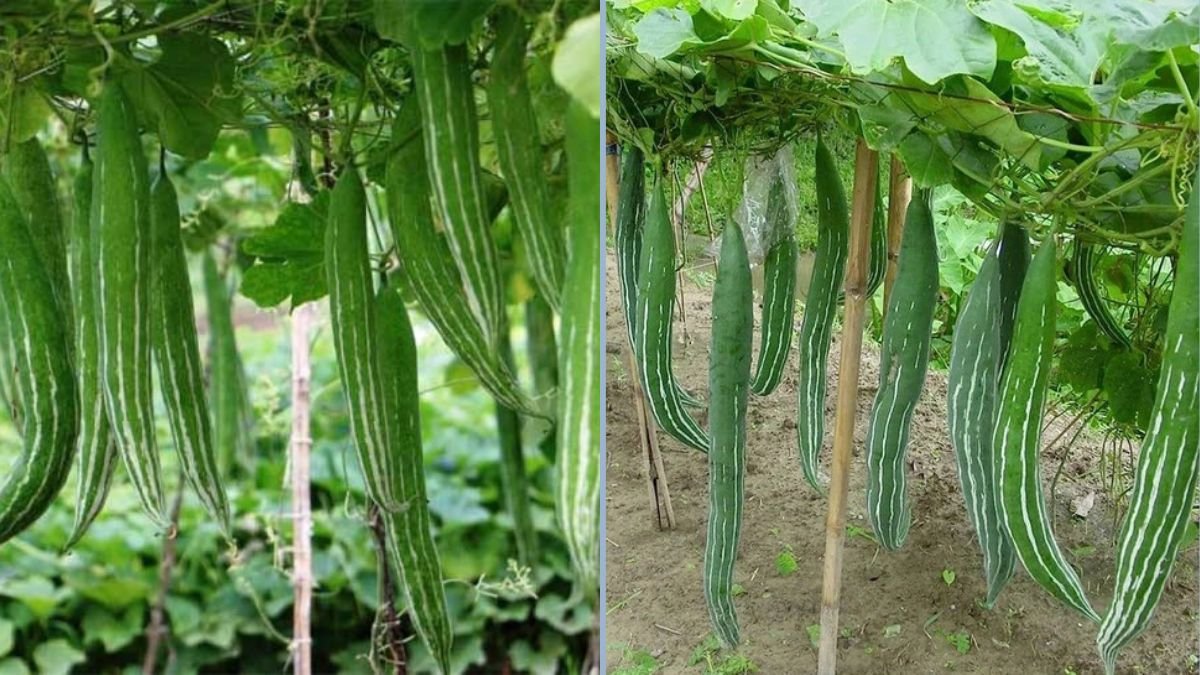
Growing the vine of the Snake Gourd (also known as chichinda, padwal or sisinga) can be immensely rewarding—but getting its elongated, twisting fruits to set reliably sometimes requires a little bit of human help. In this blog post, we’ll walk through the why, when, and how of hand-pollinating snake gourd vines—so you can increase your yield even if natural pollinators are scarce or conditions aren’t ideal.
Why Hand-Pollinate Snake Gourd?
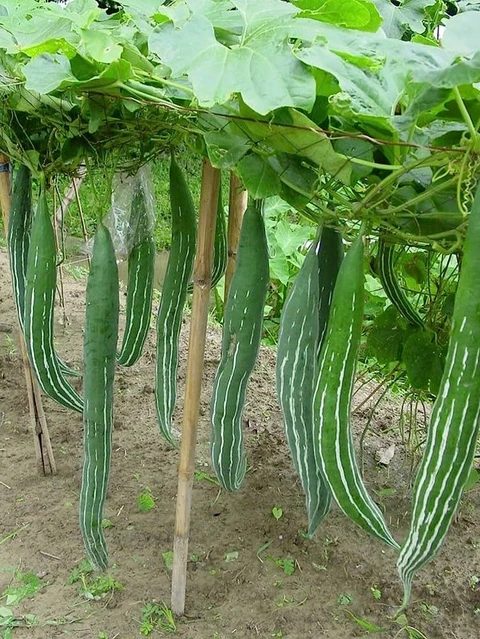
Although snake gourd is a climbing plant that produces separate male and female flowers on the same vine, it doesn’t always set fruit naturally. Natural pollination can be inconsistent depending on weather and pollinator activity.
Here are a few common reasons why you might need to intervene:
- There are few or no bees or insects visiting your vines (especially in urban or indoor settings).
- The blossoms open too early or too late relative to pollinator activity.
- Weather conditions—very hot, rainy, or still air—can reduce pollinator activity or pollen viability.
- The plant may produce many male flowers but few receptive female flowers.
By hand-pollinating, you ensure that pollen from a viable male flower is transferred directly to a receptive female flower. This greatly increases your chances of fruit set and overall yield.
Understanding the Flower Types
Before you begin, it’s essential to identify male and female flowers correctly.
Male flowers:
- Appear on long, thin stalks.
- Have no swelling behind the flower.
Female flowers:
- Have a small swollen ovary at the base, resembling a tiny gourd.
- If successfully pollinated, this swollen base develops into the fruit.
The best time to observe and identify them is in the early morning when the flowers are fresh and open.
When to Hand-Pollinate
Timing is crucial for successful pollination.
- Choose a female flower that has just opened or is about to open. The stigma should appear moist and sticky.
- Use a male flower that has freshly opened with visible yellow pollen.
- Morning hours are ideal since flowers are at their freshest and pollen is most viable.
- On very humid or rainy days, pollen can clump and lose viability, so dry mornings are best.
- If female flowers keep wilting without forming fruit, it’s time to start hand-pollinating.
Step-by-Step: How to Hand-Pollinate Snake Gourd
1. Select a male and female flower
Choose a newly opened male flower and a freshly opened female flower. Gently pluck the male flower from the vine.
2. Prepare the male flower
Carefully remove or peel back the petals of the male flower to expose the pollen-covered anthers. These are your pollen sources.
3. Transfer the pollen
Gently brush or rub the anthers of the male flower against the sticky stigma inside the female flower. Ensure good contact so the pollen sticks properly. Some gardeners like to place the male flower over the female flower for a few seconds to maximize contact.
4. Aftercare
Leave the pollinated female flower on the vine and monitor it. If the small swelling behind the flower begins to grow within a few days, pollination was successful. Continue regular watering, feeding, and pest management for healthy fruit development.
Tips & Troubleshooting
- Too many male flowers, few female flowers:
Snake gourd vines often start by producing mostly male flowers. Encourage more female flowers by ensuring good sunlight, balanced fertilization (lower nitrogen, higher phosphorus and potassium), and proper vine training. - Pollen appears wet or clumped:
This happens due to high humidity or rain. Wait for a dry, sunny morning when pollen is loose and powdery. - Lack of pollinators:
Hand-pollination is the best solution, but you can also attract pollinators by planting colorful flowers nearby, avoiding excessive pesticide use, and maintaining a small water source for bees. - Flowers dropping before fruit formation:
This can result from heat stress, poor nutrition, or unsuccessful pollination. Hand-pollinating improves your odds. - Male and female flowers opening at different times:
If your male and female flowers don’t open on the same day, you can collect a male flower, store it in a cool dry place for a few hours, and use it when the female flower opens. - Record-keeping:
Tag the flowers or note the pollination date so you can track results and refine your technique.
Benefits of Hand-Pollination
- Higher yield: More flowers turn into fruits, increasing overall production.
- Better fruit quality: Properly pollinated flowers produce full-sized, healthy gourds.
- Greater control: You can decide how many fruits to set, ensuring each one gets enough nutrition.
- Useful in low-pollinator areas: Urban gardens, balconies, and greenhouses benefit greatly from manual pollination.
- Educational and rewarding: Watching your efforts turn into healthy gourds can be incredibly satisfying.
Why Grow Snake Gourd?
Snake gourd is not only unique in appearance but also nutritious and versatile.
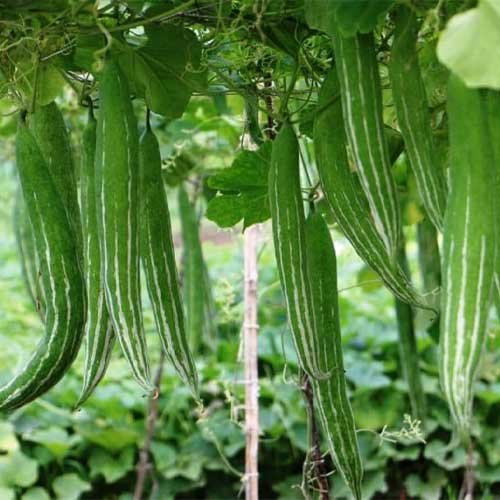
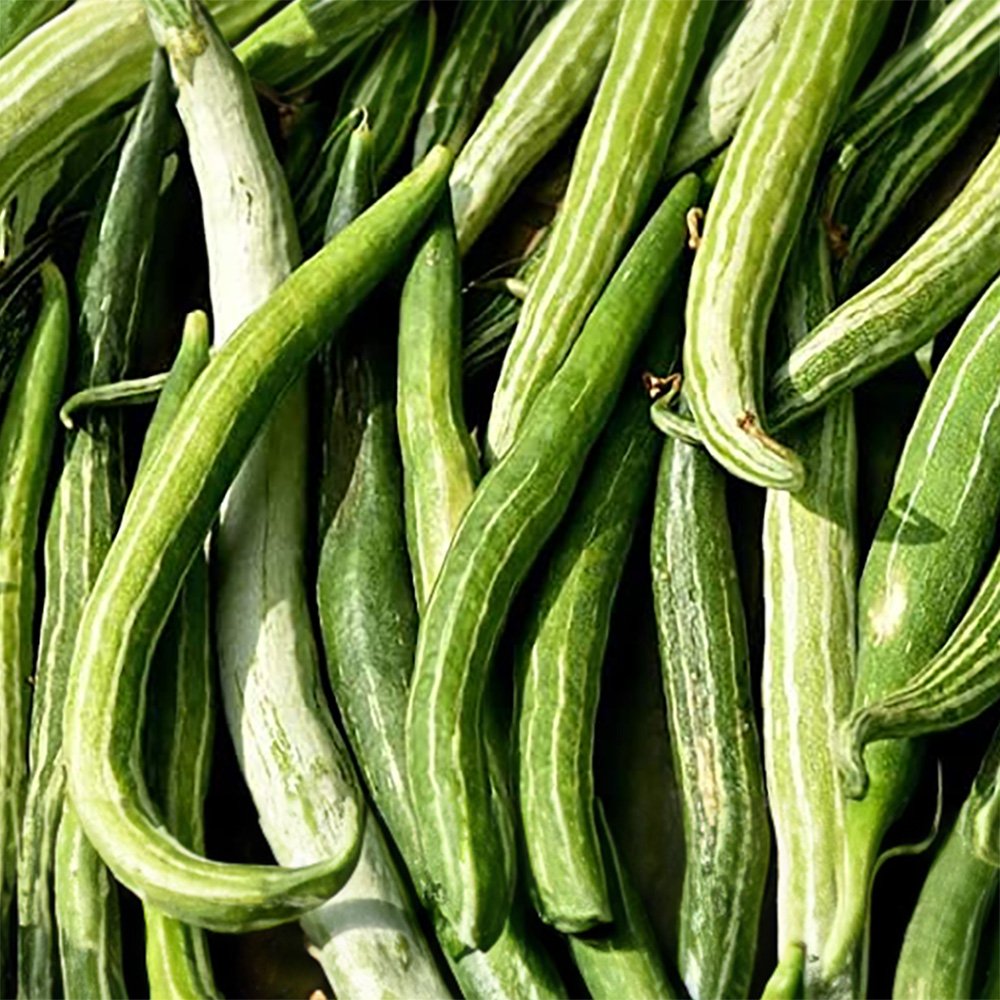
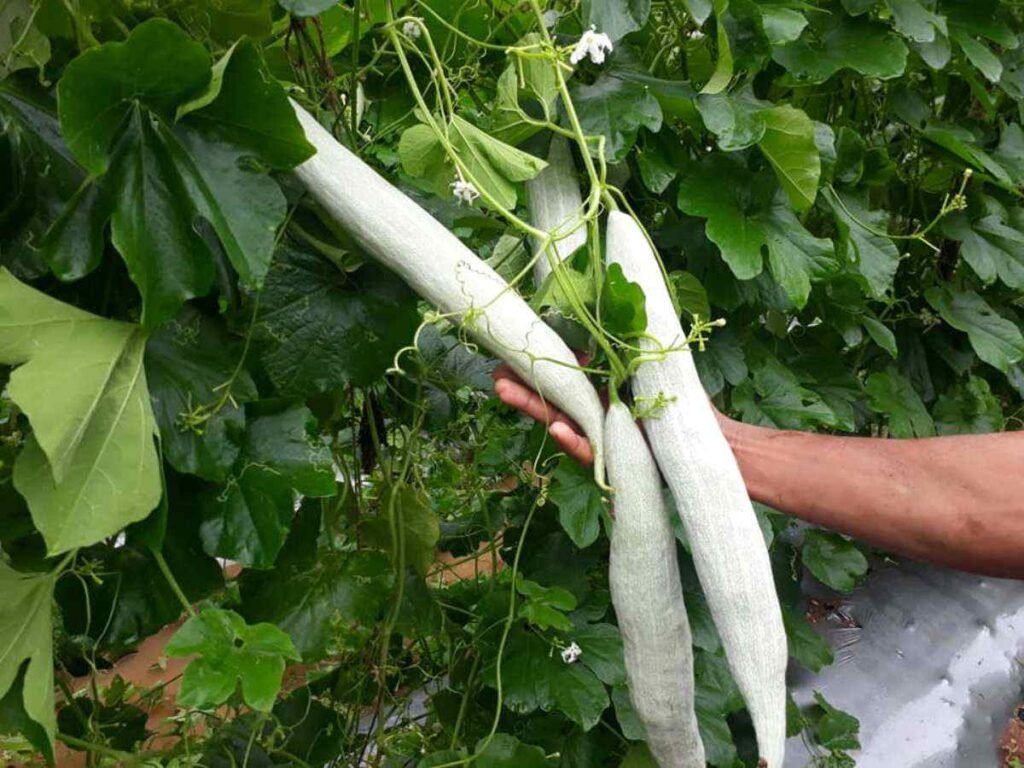
- The fruits are long, twisted, and can grow several feet in length—making them both ornamental and edible.
- They’re rich in fiber, low in calories, and packed with vitamins and minerals.
- The vine grows quickly and climbs beautifully, perfect for trellises or fences.
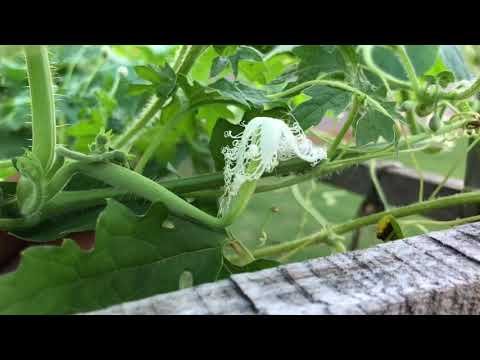
- The delicate white flowers are fragrant and intricate, opening mostly at night and sometimes pollinated by moths.
- In the kitchen, snake gourd is widely used in curries, stir-fries, soups, and stews in Indian and Southeast Asian cuisines.
Growing snake gourd gives you both beauty and utility—lush green vines, attractive blossoms, and a steady supply of vegetables.
Common Mistakes to Avoid
- Ignoring the flower timing: Female flowers stay receptive for only a few hours. Missing that window can result in failed pollination.
- Over-fertilizing with nitrogen: This encourages leaves and stems at the expense of flowers and fruits.
- Skipping trellising: Snake gourd vines need vertical support. Without it, fruits can grow curled, damaged, or attract pests.
- Poor watering habits: Inconsistent watering causes fruit deformities and flower drop. Maintain even soil moisture.
- Neglecting pests and diseases: Watch out for aphids, fruit flies, and powdery mildew. Regular inspection and organic controls help maintain vine health.
Final Thoughts
If your snake gourd vine produces plenty of flowers but few fruits, don’t be discouraged—this is a common issue. Hand-pollination is an easy, natural, and highly effective way to ensure success. Once you’ve learned to distinguish male and female flowers and transfer pollen properly, you’ll enjoy a far better fruit set and a more rewarding harvest.
Combine hand-pollination with healthy soil, balanced nutrients, adequate sunlight, and consistent watering, and you’ll have vigorous vines covered in long, glossy snake gourds.
So, grab a soft brush—or simply a fresh male flower—and become nature’s pollinator. Your garden (and dinner table) will thank you for it.
Happy pollinating, and happy gardening!