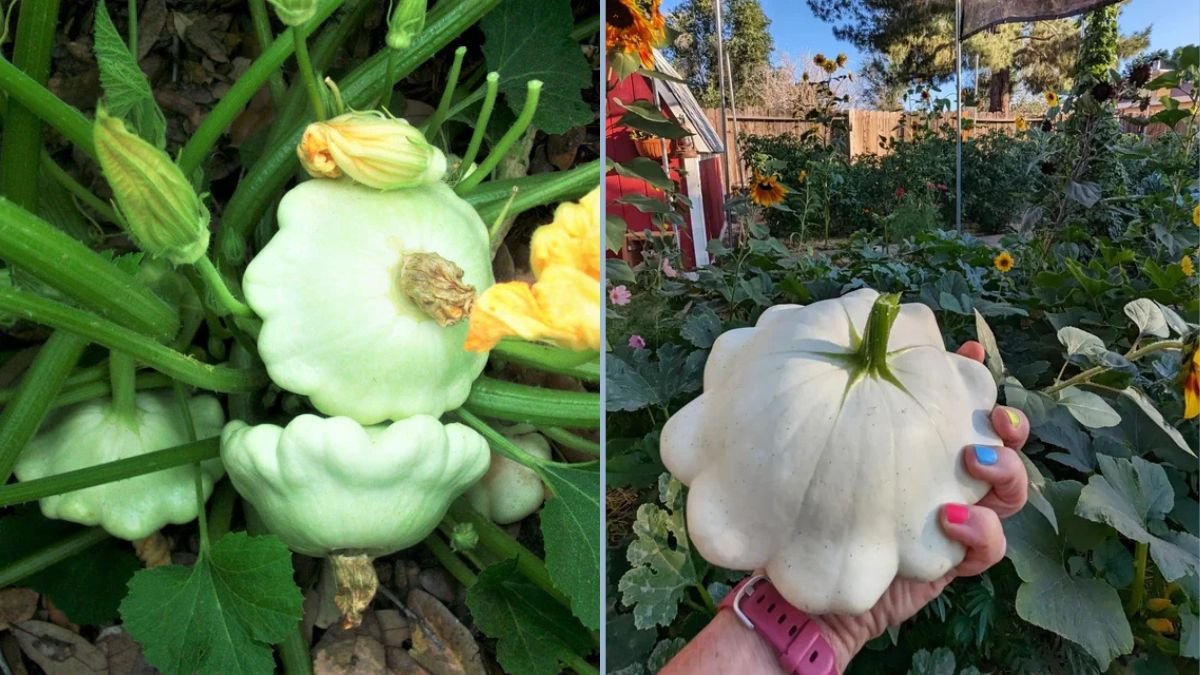
If you’re a home gardener looking to expand your vegetable garden with something unique, colorful, and easy to grow, pattypan squash — also known as white scallop squash — is an excellent choice. With its distinctive round, scalloped shape and delicate flavor, this summer squash is both ornamental and delicious. In this guide, inspired by the video “Growing PATTYPAN SQUASH / WHITE SCALLOP SQUASH from Seed: The Garden Of Feodora”, we’ll cover everything from seed selection and planting to harvesting and caring for your squash plants.
1. What is Pattypan Squash?
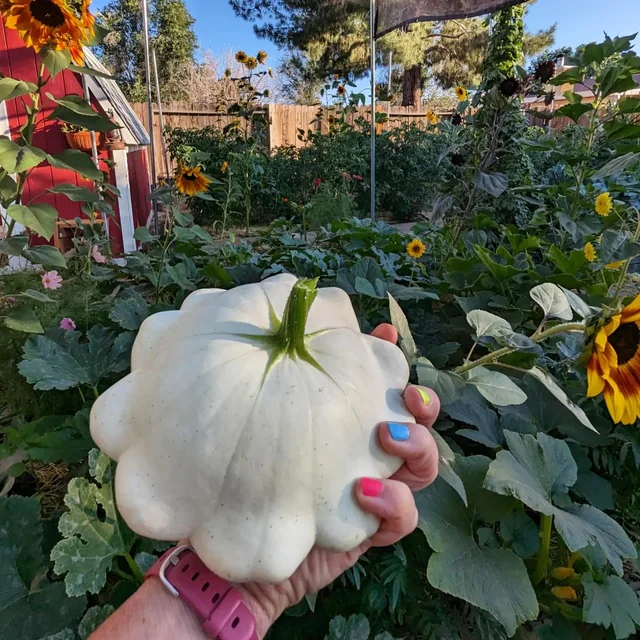
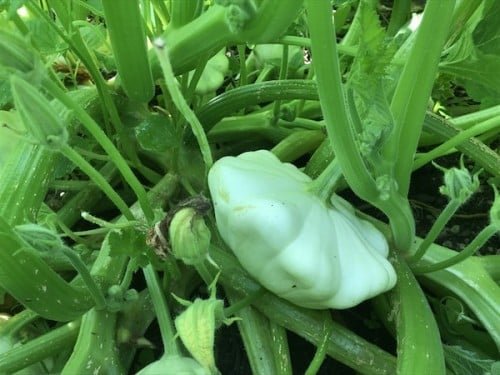
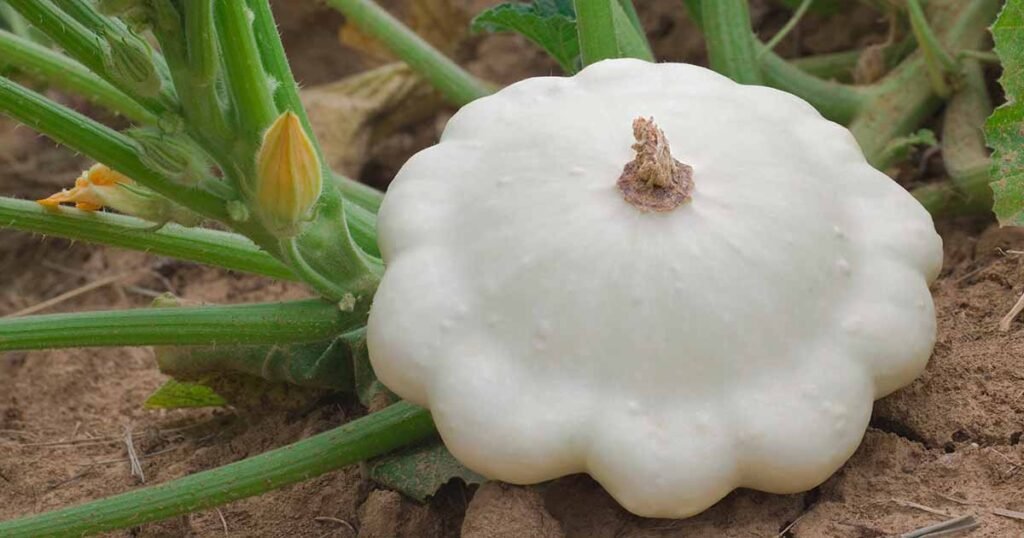
Pattypan squash is a type of summer squash that belongs to the species Cucurbita pepo, which also includes zucchini, yellow squash, and other summer varieties. Its name comes from its shape, which resembles a small flying saucer or a scalloped-edged pan.
There are various colors of pattypan squash, including white, yellow, and green, but the white scallop variety is particularly prized for its mild flavor and tender flesh. It’s versatile in the kitchen: you can roast it, sauté it, grill it, stuff it, or even eat it raw in salads.
For gardeners, pattypan squash is attractive because it grows compactly, produces a good yield, and matures relatively quickly — usually in 50–60 days from sowing.
2. Why Grow Pattypan Squash?
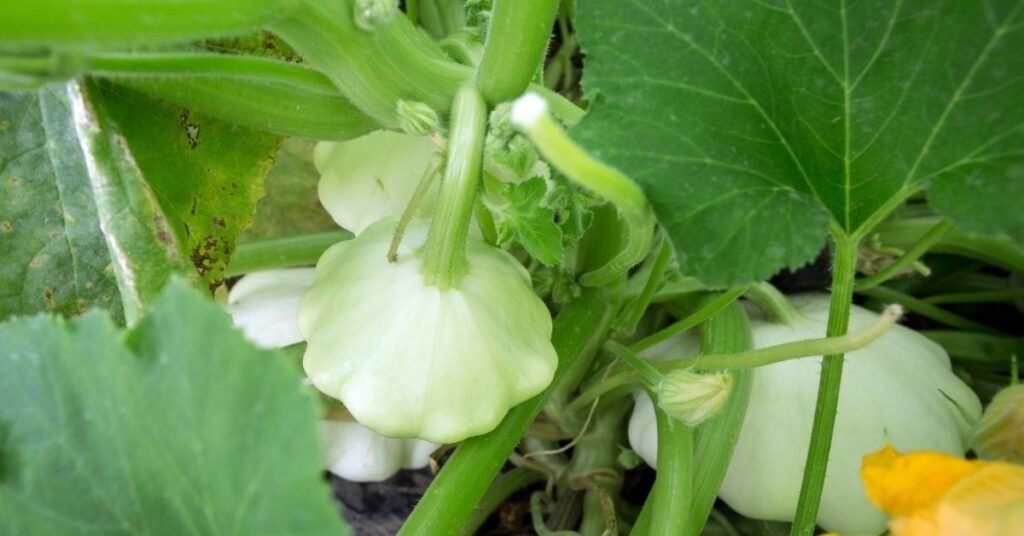
There are several compelling reasons to add pattypan squash to your garden:
- Unique appearance: Its scalloped edges and colorful varieties make it stand out among more common squashes.
- High yield: Plants produce multiple fruits over the summer, making it a reliable crop.
- Easy to grow: Ideal for beginners; the plant is hardy and tolerant of various soil conditions.
- Nutritious and versatile: Low in calories, high in vitamins A and C, and perfect for a variety of dishes.
- Space-efficient: Compact bush varieties are suitable for container gardening or small plots.
3. Selecting Seeds
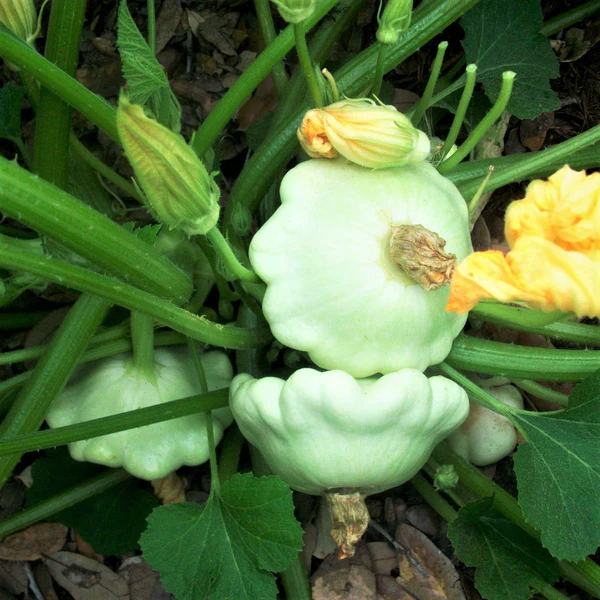
The first step in growing pattypan squash is choosing quality seeds. Look for:
- Certified organic seeds if you want to avoid chemicals.
- Disease-resistant varieties that are suited to your climate.
- Fresh seeds: Squash seeds can lose viability over time, so choose seeds stored under good conditions.
You can also save seeds from a previous harvest if your plants are healthy and open-pollinated. However, hybrid seeds may not produce the same traits as the parent plant, so check the seed packet if you plan to save seeds.
4. Starting Pattypan Squash Seeds Indoors
Starting seeds indoors is recommended if you live in areas with a shorter growing season or unpredictable spring weather.
Materials Needed:
- Seed trays or small pots
- Seed-starting mix (light, well-draining, and nutrient-rich)
- Labels for seed varieties
- Watering spray bottle
Steps:
- Fill your trays or pots with seed-starting mix.
- Plant each seed about 1 inch deep.
- Water lightly, keeping the soil moist but not waterlogged.
- Place trays in a warm, sunny spot or use a grow light. Ideal germination temperatures are 70–85°F (21–29°C).
- Germination usually occurs within 7–14 days. Keep the soil evenly moist during this period.
Once seedlings have two sets of true leaves, they’re ready to be hardened off for transplanting outdoors.
5. Hardening Off Seedlings
Before moving your young squash plants outside, it’s essential to acclimate them to outdoor conditions. This process, called hardening off, reduces transplant shock and increases survival rates.
- Start by placing seedlings outside for 2–3 hours per day in a sheltered spot.
- Gradually increase exposure to direct sunlight and outdoor temperatures over 7–10 days.
- Keep soil lightly moist during this period.
After hardening off, your seedlings will be ready to thrive in the garden.
6. Choosing a Planting Site
Pattypan squash loves full sun and fertile, well-draining soil. Consider these tips:
- Sunlight: At least 6–8 hours of direct sunlight daily.
- Soil: Enrich the soil with compost or well-rotted manure. Squash prefers slightly acidic to neutral soil (pH 6.0–7.5).
- Space: Give plants plenty of room to grow. Bush varieties need about 2–3 feet between plants, while vining types may need 4–6 feet.
- Support: Although pattypan squash is typically bushy, vining varieties benefit from trellising to save space and reduce pest issues.
7. Planting Squash Seeds Directly Outdoors
If you live in a warm climate with no risk of frost, you can sow seeds directly in the garden:
- Prepare soil by loosening and adding compost.
- Plant 2–3 seeds per hole, about 1 inch deep.
- Space holes 2–3 feet apart for bush varieties.
- Thin seedlings to the strongest plant after germination.
Direct sowing is simple and effective if your local weather supports it.
8. Caring for Pattypan Squash Plants
Once established, proper care ensures high yields and healthy plants.
Watering:
- Water deeply and consistently, ideally at the base to avoid wetting foliage.
- Mulch around plants to retain moisture and suppress weeds.
Fertilizing:
- Apply balanced organic fertilizer every 3–4 weeks.
- High nitrogen at early stages supports leaf growth, while phosphorus and potassium encourage fruiting.
Pruning & Maintenance:
- Remove damaged or diseased leaves to prevent pests and diseases.
- For vining varieties, guide stems along trellises to optimize sunlight exposure and airflow.
Pest & Disease Management:
- Watch for squash bugs, aphids, and powdery mildew.
- Use row covers early in the season to protect young plants.
- Encourage beneficial insects like ladybugs to control pests naturally.
9. Pollination Tips
Pattypan squash produces both male and female flowers. Pollination is necessary for fruit development:
- Male flowers usually appear first and have a thin stem. Female flowers have a small bulb (the future fruit) at the base.
- If pollinators are scarce, hand-pollination can increase yields: transfer pollen from male to female flowers using a small brush or by gently shaking flowers together.
10. Harvesting Pattypan Squash
Timing is key for tender, flavorful squash:
- Harvest when the fruit is about 2–3 inches in diameter. Smaller squash is sweeter and less seedy.
- Use a sharp knife or pruning shears to cut fruit from the plant, leaving a small stem attached.
- Regular harvesting encourages the plant to produce more fruits throughout the season.
11. Storing & Using Your Squash
Pattypan squash is best enjoyed fresh but can also be stored and preserved:
- Refrigeration: Store in a perforated plastic bag in the refrigerator for up to one week.
- Freezing: Blanch slices for 2–3 minutes, then freeze in airtight containers.
- Cooking ideas: Roast with olive oil and herbs, grill slices, stuff with grains and vegetables, sauté for a stir-fry, or include raw in salads.
Its mild flavor pairs well with garlic, butter, cheese, and fresh herbs.
12. Common Challenges and Solutions
Even though pattypan squash is easy to grow, gardeners may encounter challenges:
- Powdery mildew: Ensure good spacing and airflow; water at the base.
- Squash bugs: Handpick adults and nymphs; use row covers if necessary.
- Poor fruit set: Check pollination; hand-pollinate if needed.
- Overgrown fruits: Harvest regularly to avoid tough skins and large seeds.
Being proactive and attentive to plant needs ensures a productive season.
13. Tips for a Successful Pattypan Squash Harvest
- Start seeds indoors for an early harvest.
- Mulch heavily to retain moisture and prevent soil-borne diseases.
- Rotate squash planting locations each year to prevent soil fatigue and pests.
- Companion planting with corn, beans, and marigolds can improve growth and reduce pest problems.
- Keep a gardening journal to track planting dates, harvest times, and plant performance for future seasons.
14. Final Thoughts
Growing pattypan squash or white scallop squash from seed is an enjoyable and rewarding gardening project. Its unique shape and flavor make it a standout addition to any vegetable garden. By following proper seed-starting techniques, providing rich soil and adequate sunlight, and regularly harvesting fruits, you can enjoy a plentiful crop all summer long.
Whether you are an experienced gardener or a beginner looking to try something new, pattypan squash offers beauty, nutrition, and flavor — all from the comfort of your backyard.
Plant your seeds, nurture your plants, and watch your garden flourish with these charming, versatile squash. By the end of the season, you’ll have a bounty of scallop-shaped fruits ready to delight your family and friends in every meal.