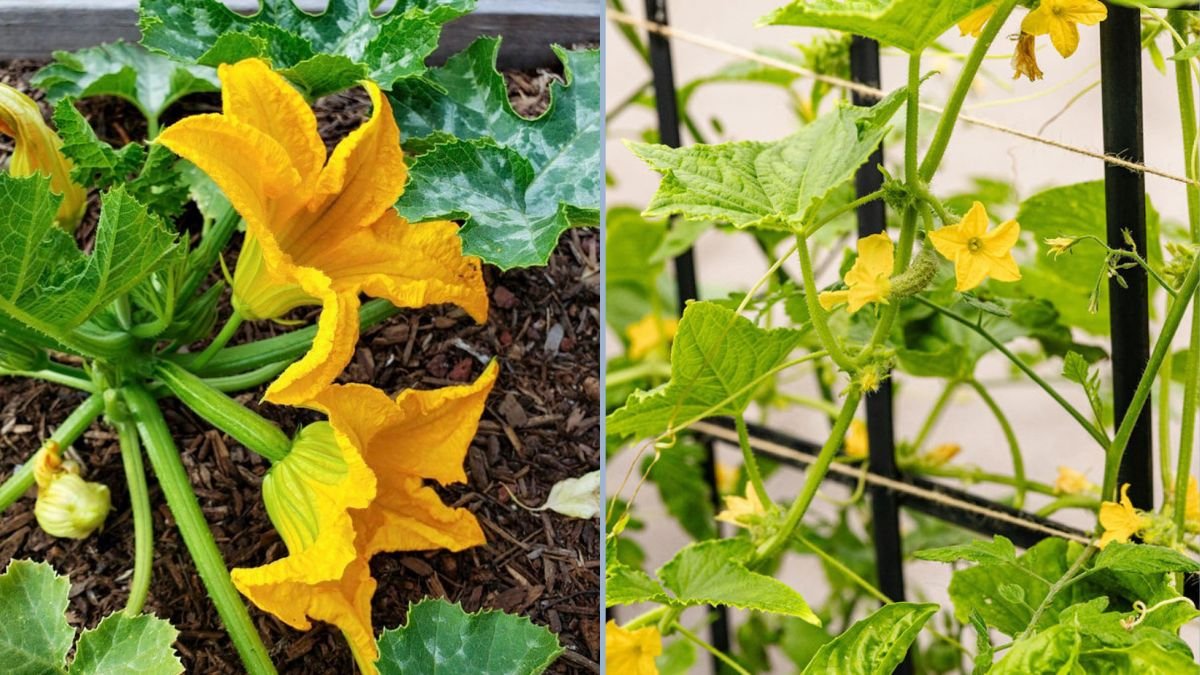
Few things are more frustrating for gardeners than seeing your squash plants bursting with beautiful flowers, only to find that no fruit ever develops. You’ve nurtured your plants, watered consistently, provided plenty of sunshine, and yet your garden is filled with blooms but no squash.
If this sounds familiar, don’t worry — you’re not alone. Many gardeners face this issue, and fortunately, there are practical solutions. In this guide, we’ll explore the common reasons your squash flowers may not be producing fruit, and what you can do to turn those blooms into delicious squash for your table.
1. Understanding Squash Flowers
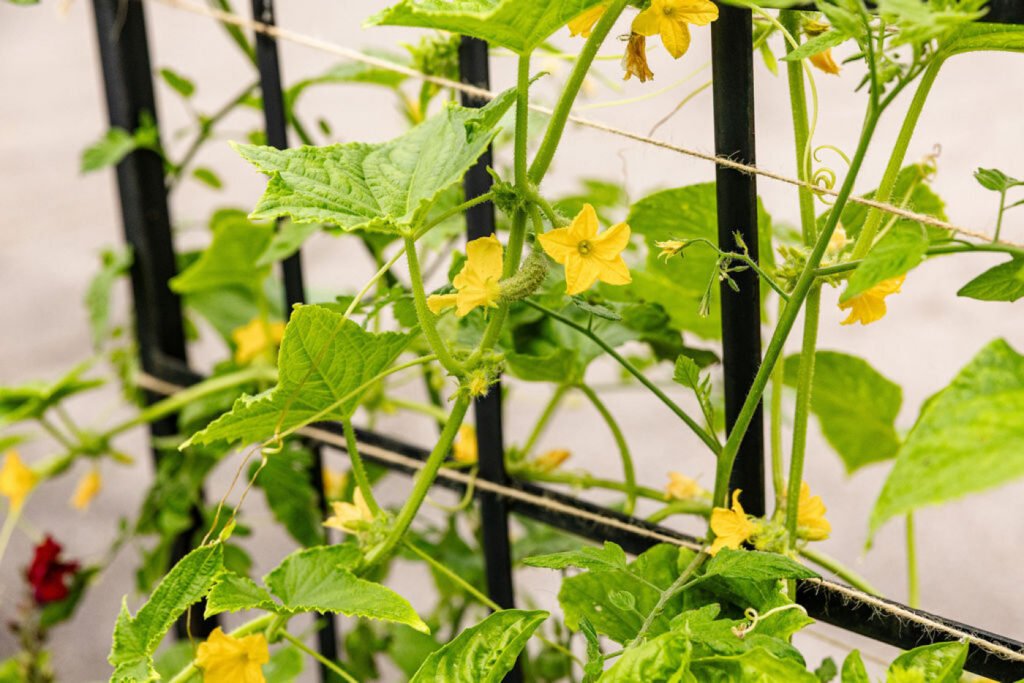
Squash plants produce two types of flowers: male and female. Understanding the difference is essential because only female flowers develop into fruit.
- Male flowers: These appear first and are attached to thin stems. Their sole purpose is to provide pollen for fertilization. They do not develop into fruit.
- Female flowers: These appear slightly later and have a small swelling at the base, which is the ovary — the part that becomes the squash after successful pollination.
If you notice lots of flowers but no fruit, it’s often because pollination is not occurring properly.
2. Pollination Problems: The Most Common Cause
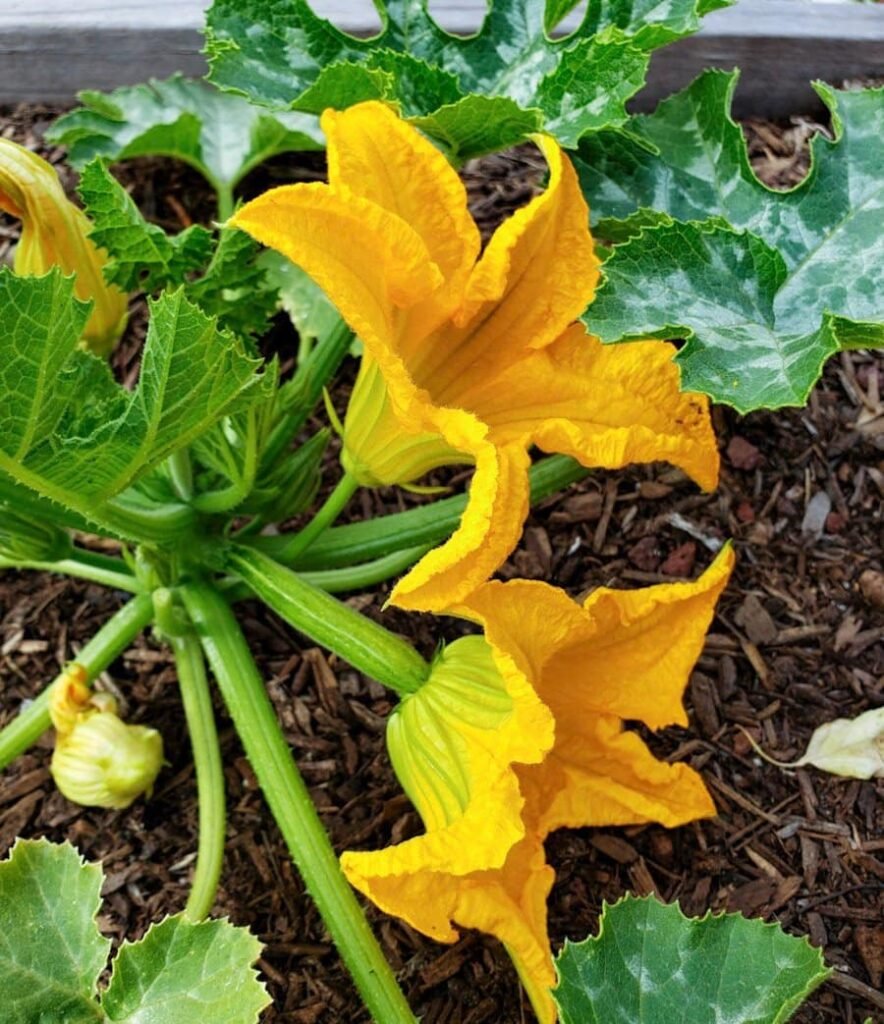
Squash plants rely on insects, primarily bees, to transfer pollen from male flowers to female flowers. Without pollination, female flowers cannot set fruit.
Signs of Poor Pollination:
- Flowers dropping without forming fruit
- Small, misshapen, or shriveled ovaries at the base of female flowers
Common Reasons Pollination Fails:
- Lack of pollinators: Honeybees, bumblebees, and native bees are crucial. If your garden lacks these insects, fruit won’t form.
- Weather issues: Rain, wind, or extreme heat can prevent bees from visiting flowers. Hot days over 90°F (32°C) or very humid weather can interfere with pollen viability.
- Time of day: Squash flowers are typically open in the morning. Pollinators are most active early, so if flowers bloom late in the day, they may miss pollination.
3. How to Encourage Pollination
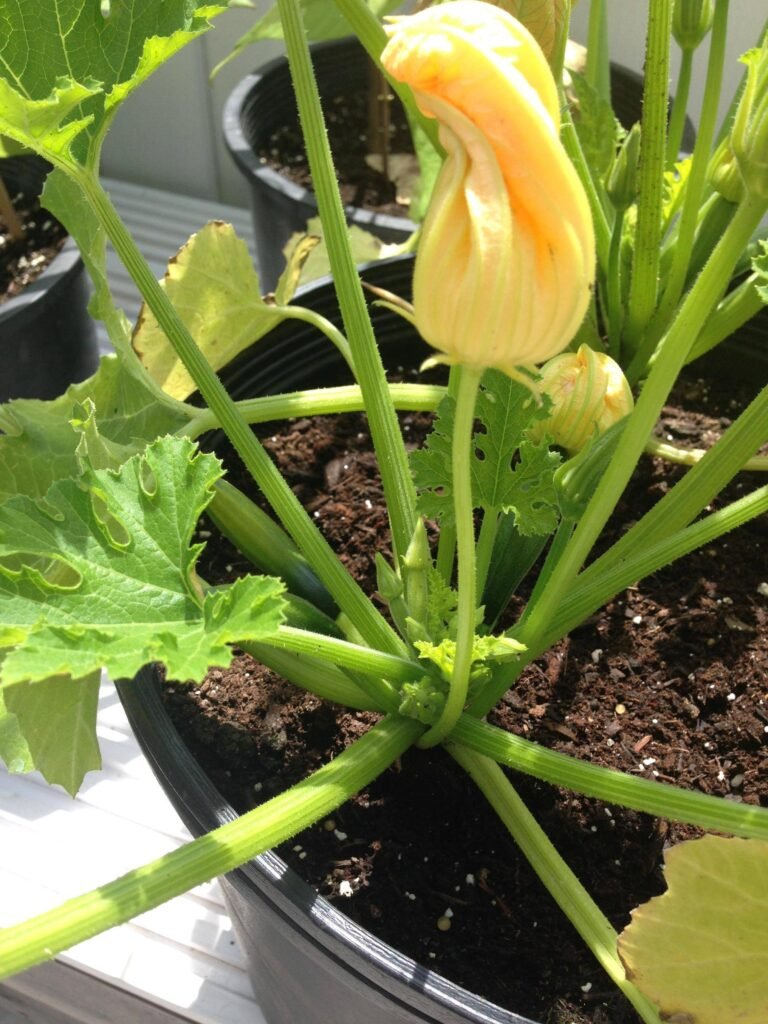
If pollination is the issue, you can help in several ways:
A. Attract Pollinators
- Plant bee-friendly flowers like marigolds, sunflowers, or zinnias nearby.
- Avoid insecticides that harm beneficial insects.
B. Hand Pollination
Hand pollination is simple and effective:
- Pick a male flower and remove its petals.
- Gently brush the exposed pollen onto the stigma of a female flower.
- Repeat with other female flowers to increase fruit set.
Hand pollination can drastically improve your chances of getting squash, especially if natural pollinators are scarce.
4. Environmental Factors That Affect Fruit Set
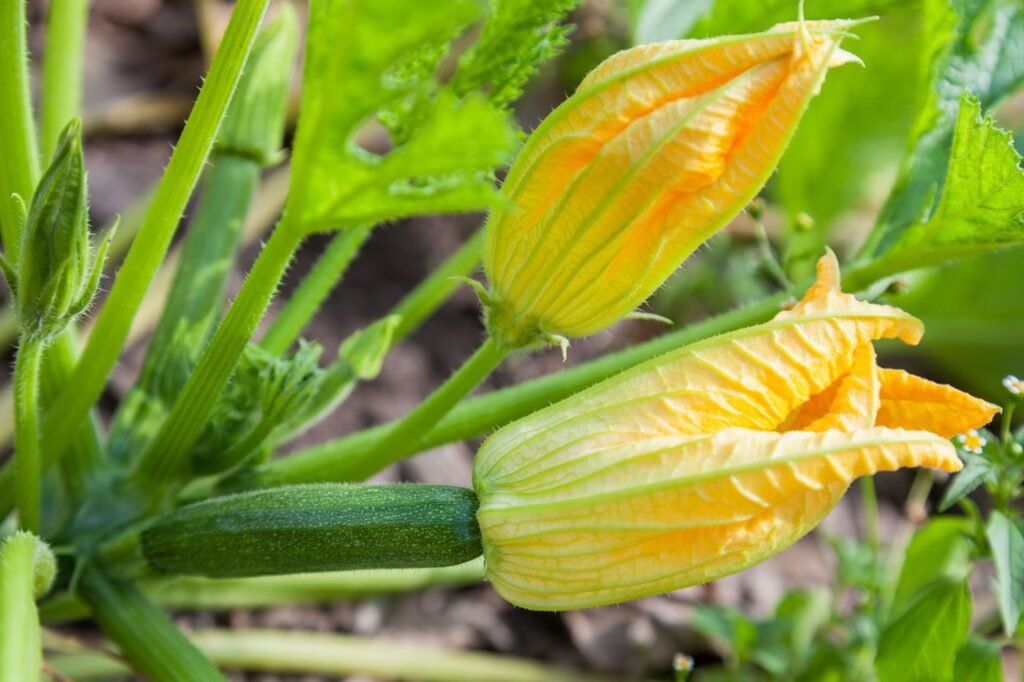
Even with proper pollination, squash plants may fail to produce fruit if environmental conditions are not ideal.
A. Temperature
- Squash plants thrive between 65–85°F (18–29°C).
- Extremely high or low temperatures can prevent fruit development. Female flowers may drop if daytime temperatures exceed 95°F (35°C) or nighttime temperatures drop below 55°F (13°C).
B. Watering
- Squash requires consistent moisture. Both drought and overwatering can stress plants and cause flowers to drop.
- Aim for deep watering at the base of the plant, avoiding wetting the leaves excessively, which can lead to disease.
C. Fertilization
- Over-fertilizing with nitrogen encourages leaf growth but reduces flowering and fruit set.
- Use a balanced fertilizer or one slightly higher in phosphorus and potassium to support blooms and fruit production.
5. Plant Health and Growth Habits
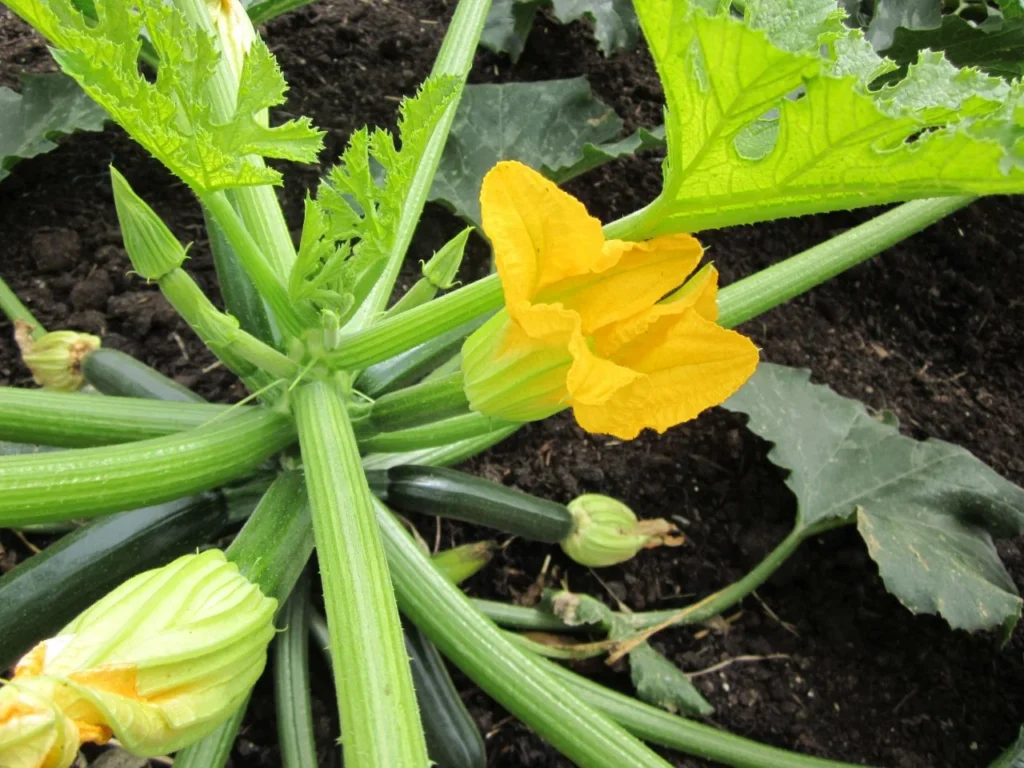
Sometimes, the problem lies with the plant itself rather than external conditions.
A. Overcrowding
- Plants need space for good airflow and sunlight.
- Crowded plants produce lots of flowers but may struggle to set fruit due to competition for nutrients.
B. Pruning
- Removing excess leaves and some early male flowers can redirect energy to female flowers and improve fruit development.
- For vining squash, training vines along a trellis can improve airflow and sunlight exposure.
C. Variety Selection
- Some squash varieties naturally produce more male flowers early in the season. This is normal, but it may delay fruiting slightly.
- Check your seed packet for days to maturity and typical male-to-female flower ratios.
6. Common Misconceptions
It’s easy to assume that a squash plant with lots of blooms should automatically produce fruit, but that’s not always the case.
- “My plant is healthy, so it should fruit”: Even vigorous plants may have poor pollination or environmental stress.
- “All flowers should produce squash”: Only female flowers have the potential to develop into fruit. Male flowers are vital for fertilization but will not form squash.
Understanding the biology of squash plants helps you manage expectations and address problems effectively.
7. Timing Is Everything
Squash plants have a natural growth cycle. Early in the season, plants focus on producing male flowers to ensure pollination is available when female flowers appear.
- If your squash is blooming but not fruiting, it may simply be that female flowers have not yet developed.
- Patience is key — most squash will begin to produce female flowers 2–3 weeks after the first male flowers appear.
8. Monitoring for Pests and Diseases
Some pests and diseases can interfere with fruit set:
- Squash bugs and aphids: These insects can damage flowers and reduce fruit development.
- Powdery mildew or downy mildew: Fungal infections weaken plants and can cause flowers to drop prematurely.
- Cucumber beetles: Can feed on flowers and leaves, reducing pollination and fruit set.
Regular inspection and early intervention are critical. Remove affected leaves, use organic sprays if necessary, and encourage beneficial insects to keep pest populations under control.
9. Practical Solutions to Get Your Squash
To summarize, here are actionable steps to ensure flowers turn into fruit:
- Encourage pollinators by planting flowers and avoiding harmful chemicals.
- Hand-pollinate female flowers if pollinators are scarce.
- Maintain consistent watering and avoid drought stress.
- Balance fertilization, prioritizing phosphorus and potassium for fruit set.
- Provide space and airflow by thinning or pruning overcrowded plants.
- Monitor temperature and protect plants from extreme heat or cold.
- Stay patient — early blooms may be male flowers, and fruiting will follow naturally.
10. Harvesting Tips Once Fruit Develops
Once your female flowers have been successfully pollinated, fruit will begin to develop at the base of the flower:
- Harvest summer squash like pattypan or zucchini when small and tender (usually 2–4 inches in diameter).
- Regular harvesting encourages the plant to produce more flowers and fruit throughout the season.
- Avoid letting squash grow too large; overgrown fruits may have tough skin and large seeds, reducing culinary appeal.
11. Key Takeaways
If your squash plants are blooming but not producing fruit, don’t despair. Most issues are related to pollination, environmental stress, or plant management rather than a fundamental failure. By understanding how squash flowers work, supporting pollination, and maintaining proper growing conditions, you can turn those beautiful blooms into a bountiful harvest.
Remember:
- Only female flowers produce fruit.
- Bees and other pollinators are critical for fruit set.
- Environmental factors like temperature, water, and nutrients play a significant role.
- Early male flowers are normal; female flowers and fruit will follow.
With these strategies, your garden will soon be filled with both blooms and a delicious crop of squash ready for the table.
Squash gardening is a journey that requires observation, patience, and a little hands-on help from time to time. By learning the nuances of pollination and plant care, you can maximize your yield and enjoy the satisfaction of harvesting squash from your own backyard.