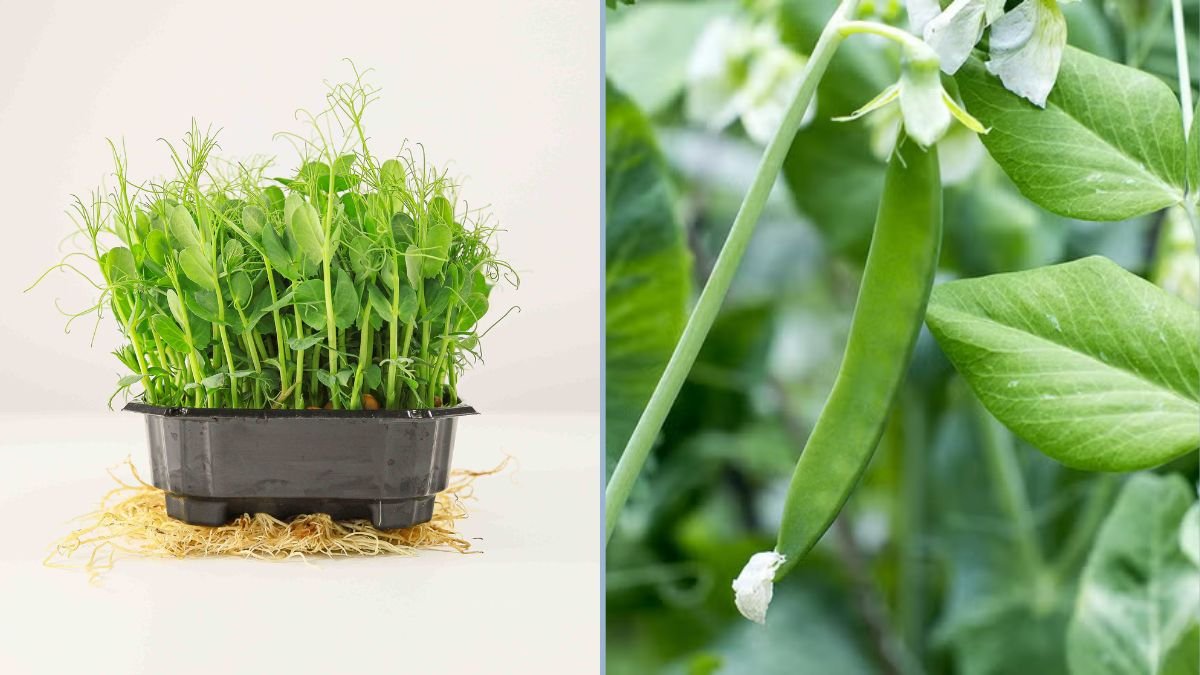
If you’ve been looking for a fresh, flavorful, and nutrient-rich addition to your garden, pea tendrils are a must-try. Often overlooked in favor of peas themselves, the tender young shoots of pea plants are packed with sweetness, crunch, and vitamins, making them a versatile ingredient in salads, stir-fries, and garnishes.
In this guide, we’ll explore everything you need to know about growing, harvesting, and enjoying pea tendrils, so you can make the most of this underrated garden treasure.
1. What Are Pea Tendrils?
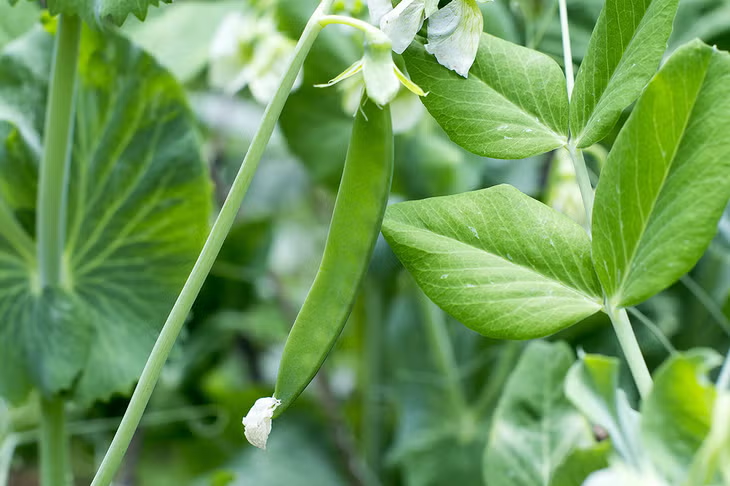
Pea tendrils are the young shoots and leaves that grow from pea plants. They appear as delicate, curling vines with a bright green color. While many gardeners focus on harvesting pea pods, the tendrils themselves are edible, tender, and slightly sweet, with a flavor reminiscent of fresh peas.
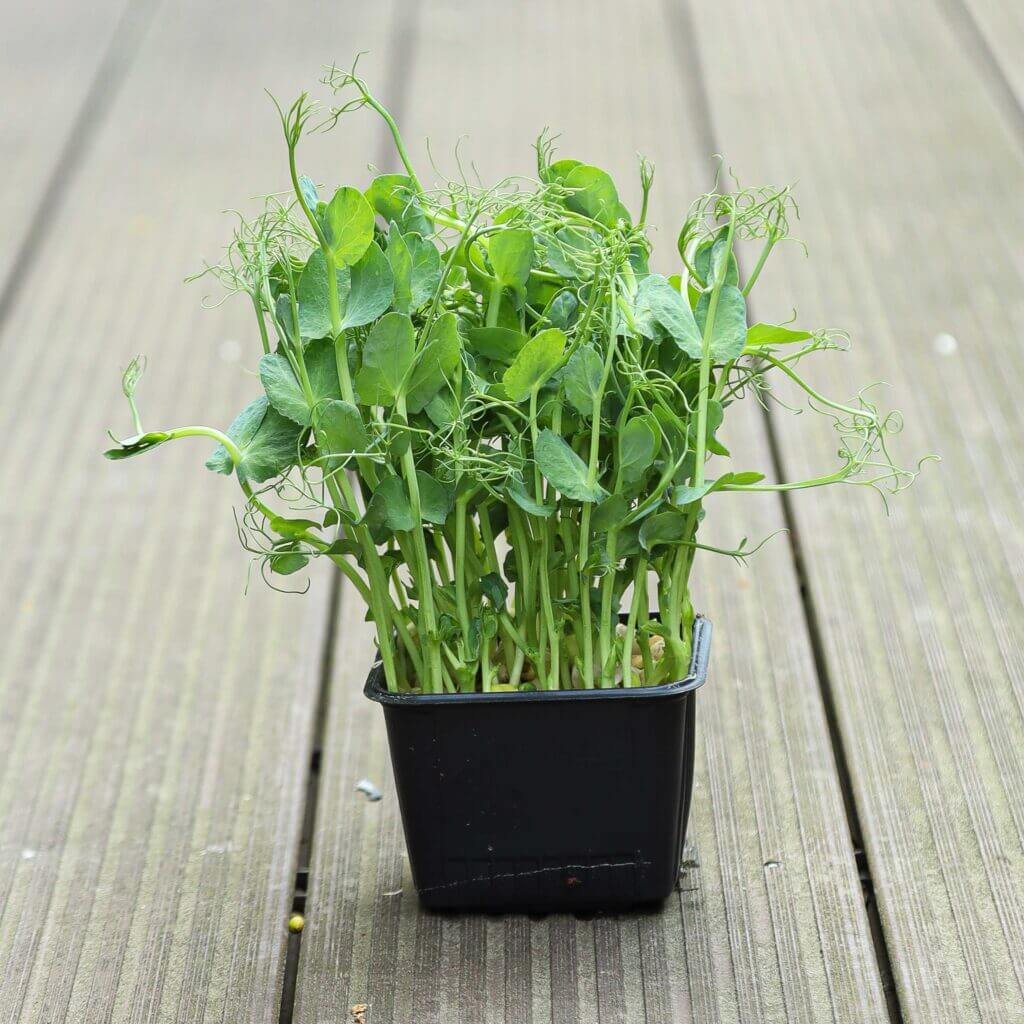
Pea tendrils are commonly harvested when the vines are 4–6 inches long and have small leaves and curling tips. At this stage, they are tender, nutritious, and perfect for raw or lightly cooked dishes.
2. Why Grow Pea Tendrils?
Growing pea tendrils has multiple benefits:
- Quick harvest: Tendrils can be ready in just 2–4 weeks, much faster than waiting for mature pea pods.
- Nutritious: High in vitamins A, C, and folate, as well as antioxidants and fiber.
- Delicate flavor: Adds fresh, slightly sweet, and crunchy notes to a variety of dishes.
- Dual-purpose plants: You can harvest the tendrils early for greens or let the plants mature to enjoy peas as well.
- Vertical interest: Pea vines climb trellises, adding beauty and structure to your garden.
For gardeners seeking both speed and flavor, pea tendrils are a rewarding crop that complements any vegetable garden.
3. Choosing the Right Pea Variety
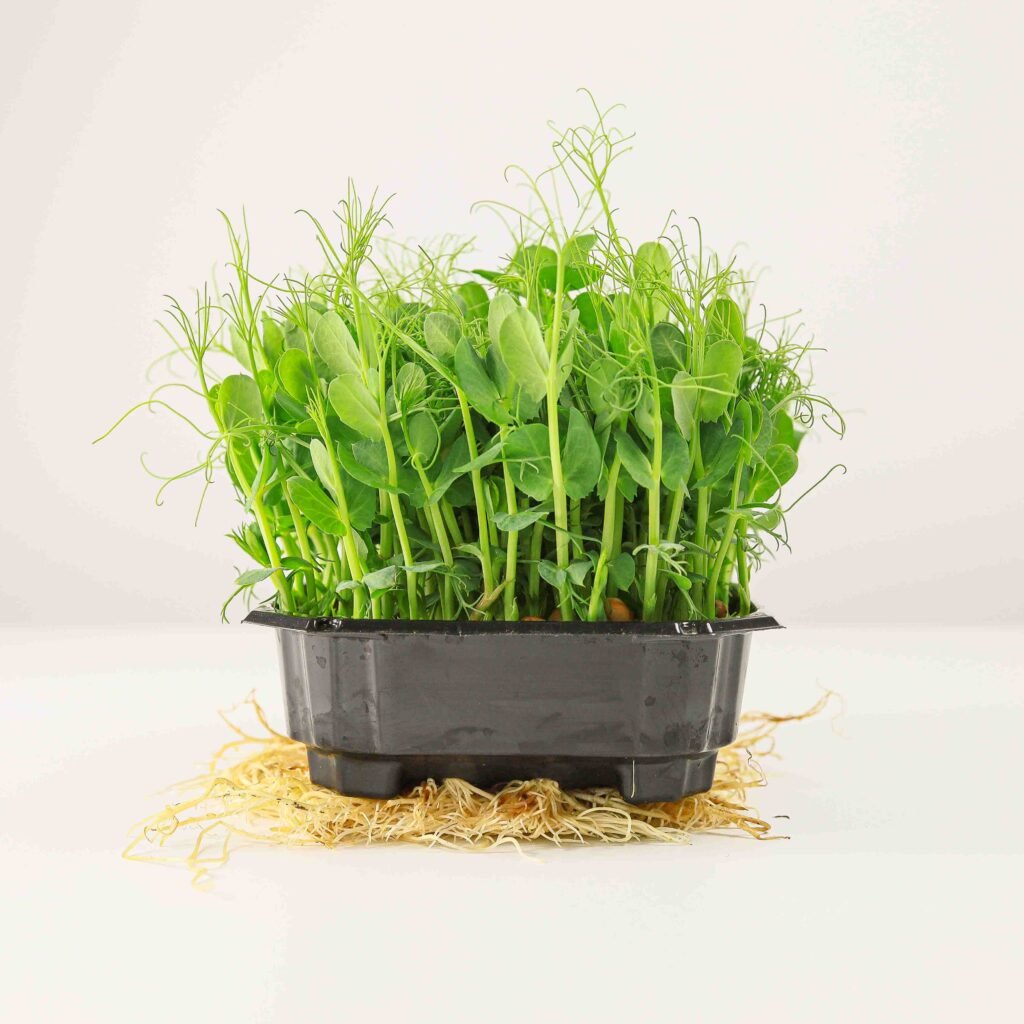
Not all pea plants produce equally tender or flavorful tendrils. Here are some tips for selecting seeds:
- Sugar snap peas and snow peas: Both produce sweet, crisp tendrils ideal for salads and stir-fries.
- Shelling peas: Can be used, but the tendrils may be slightly tougher.
- Climbing vs. bush varieties: Climbing peas produce longer vines and more tendrils per plant, while bush peas are more compact and suitable for small spaces.
- Organic seeds: Ensure seeds are untreated if you plan to eat the tendrils raw.
Check seed packets for recommended growth habits and harvest tips to optimize your tender greens.
4. Preparing Your Garden for Pea Tendrils
Pea plants are easy to grow, but they thrive under the right conditions:
- Soil: Well-draining, fertile soil enriched with compost. Peas prefer a slightly acidic to neutral pH (6.0–7.0).
- Sunlight: At least 6 hours of full sun per day, though pea tendrils can tolerate partial shade.
- Support: Vertical trellises, netting, or stakes help climbing varieties produce longer, cleaner tendrils.
For a continuous supply, prepare multiple planting spots or succession sowings every 1–2 weeks.
5. Planting Peas for Tendrils
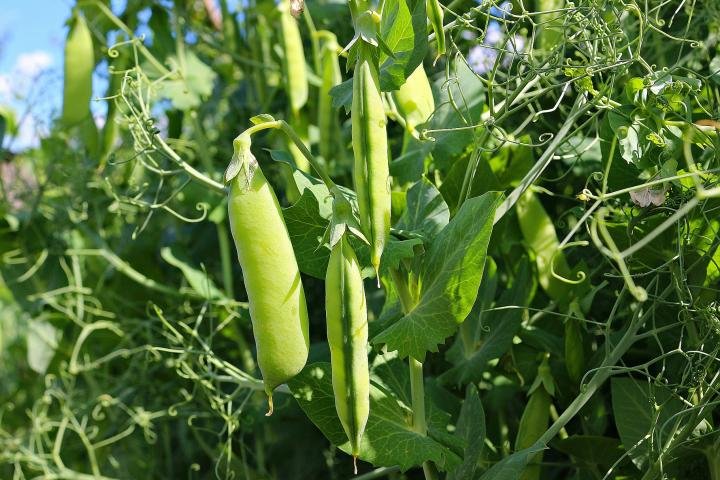
Pea tendrils are easy to start from seeds:
- Soak seeds overnight in water to improve germination.
- Plant seeds 1–2 inches apart, 1 inch deep, in rows or containers.
- Water lightly to keep the soil moist until germination occurs.
- Thin seedlings if necessary, leaving the strongest plants to grow.
Seeds typically germinate in 7–14 days depending on soil temperature. Peas prefer cool weather, so early spring or late summer plantings are ideal.
6. Caring for Pea Plants
Once established, pea plants are low-maintenance, but a few key practices ensure optimal growth:
- Watering: Keep soil consistently moist but not soggy. Drip irrigation or careful hand watering works well.
- Mulching: Helps retain moisture and suppress weeds.
- Fertilization: Peas fix nitrogen from the air, so minimal fertilizer is needed. Avoid high-nitrogen fertilizers, which encourage leafy growth at the expense of flowers and pods.
- Training vines: Use twine or netting to guide climbing varieties upward. This prevents tangled vines and makes harvesting tendrils easier.
Healthy plants produce both delicious tendrils and, if left to mature, tasty pods.
7. Harvesting Pea Tendrils
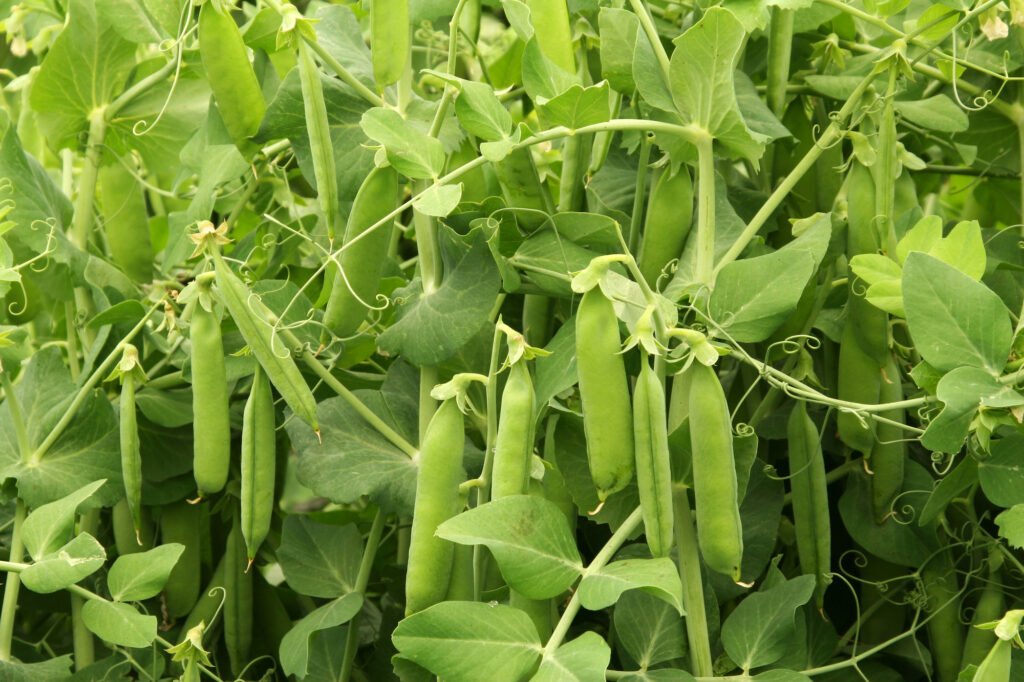
The beauty of pea tendrils is how quickly they can be harvested. Here’s how:
- Timing: Harvest when the shoots are 4–6 inches long with small leaves and curling tips. Young tendrils are tender and flavorful.
- Method: Use scissors or garden shears to snip the top 2–3 inches of the vine. Avoid pulling vines, as this can damage the plant.
- Frequency: Regular harvesting encourages new growth. You can often harvest every few days for a continuous supply.
If you leave the plant to mature, you can later harvest peas while still enjoying tendrils along the way.
8. Using Pea Tendrils in the Kitchen
Pea tendrils are versatile and can be used in many dishes:
- Raw in salads: Add tender greens for a sweet, crisp texture.
- Stir-fries: Lightly sauté with garlic and olive oil for a quick side dish.
- Garnishes: Decorate soups, omelets, and grain bowls.
- Smoothies: Blend into green smoothies for a mild, nutrient-rich boost.
- Pickling: Young tendrils can even be lightly pickled for unique flavors.
Their mild pea flavor pairs well with lemon, sesame oil, soy sauce, or light vinaigrettes.
9. Nutritional Benefits
Pea tendrils are not only delicious but also highly nutritious:
- Vitamins: Rich in vitamin A, vitamin C, and folate.
- Minerals: Contain iron, calcium, and magnesium.
- Antioxidants: Help fight free radicals and support overall health.
- Low calorie: Ideal for weight management while providing fiber and essential nutrients.
Incorporating pea tendrils into your diet is an easy way to boost vegetable intake and add fresh greens year-round.
10. Troubleshooting Common Issues
Even though pea tendrils are easy to grow, you may encounter a few challenges:
- Yellowing leaves: Often caused by overwatering or poor drainage. Adjust watering and improve soil drainage.
- Pests: Aphids and pea weevils can damage shoots. Handpick pests or use organic sprays.
- Powdery mildew: Avoid crowded planting and ensure good airflow around vines.
- Leggy growth: Insufficient sunlight can cause elongated, weak tendrils. Ensure 6+ hours of sun or supplement with a grow light in containers.
Regular observation and care prevent most common problems and keep your pea tendrils tender and productive.
11. Growing Pea Tendrils Indoors
Pea tendrils are also perfect for indoor gardening:
- Containers: Use shallow trays, pots, or even recycled containers with drainage holes.
- Soil: Use a lightweight potting mix for easy drainage.
- Light: Place near a south-facing window or under a grow light.
- Watering: Keep soil consistently moist, not soggy.
Indoor pea tendrils are a fantastic option for apartments or during off-season months when outdoor planting isn’t possible.
12. Succession Planting for Continuous Harvest
To enjoy pea tendrils all season, consider succession planting:
- Plant a new batch of seeds every 1–2 weeks.
- Harvest the first batch when 4–6 inches long.
- Continue planting until weather becomes too hot, as peas prefer cooler temperatures.
This ensures a constant supply of fresh, tender tendrils without overwhelming your garden at once.
13. Companion Planting with Pea Tendrils
Peas are excellent companions in the garden:
- With carrots: Peas add nitrogen to the soil, benefiting root vegetables.
- With lettuce: Vining peas provide partial shade during warmer months.
- With cucumbers: Both crops enjoy vertical growth and do well on trellises.
Avoid planting peas near onions, garlic, or members of the allium family, which can inhibit growth.
14. Final Thoughts
Pea tendrils are a versatile, nutritious, and easy-to-grow green that every gardener should try. With minimal space, rapid growth, and a delightful flavor, they offer quick rewards compared to waiting for mature pea pods.
By understanding planting techniques, care requirements, and proper harvesting, you can enjoy a continuous supply of tender pea shoots for salads, stir-fries, smoothies, and more. Whether you’re a backyard gardener or growing indoors on a kitchen windowsill, pea tendrils provide fresh, flavorful greens year-round.
From their nutritional benefits to their elegant curls and sweet flavor, pea tendrils are a small garden treasure with big rewards. Start planting today and discover how these delicate shoots can elevate your meals and your health.