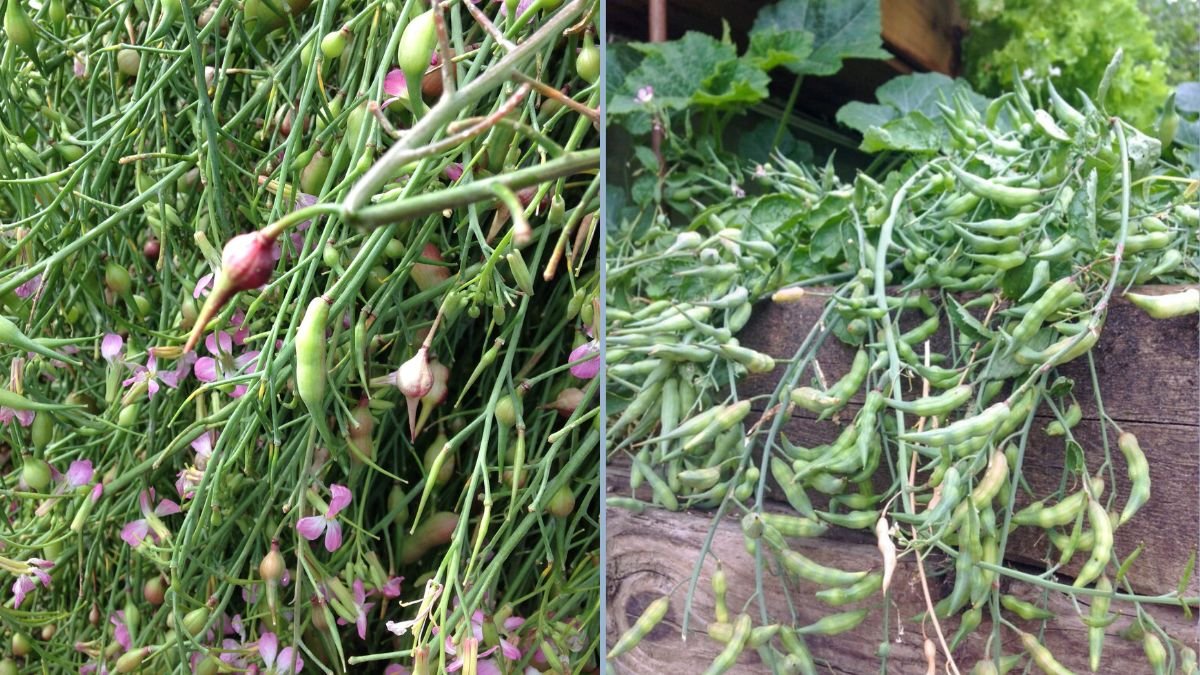
Radishes are a versatile and fast-growing crop, but what if you could harvest the nutritious radish pods without waiting for the radishes themselves to fully develop? Growing radish pods is an innovative approach that allows you to enjoy the peppery, flavorful seed pods while saving space, making it ideal for urban gardeners, container growers, or anyone with limited garden space.
In this guide, inspired by the video “Grow Radish Pods Without Growing Radishes In Polybags”, we’ll walk you through step-by-step instructions to grow radish pods successfully in polybags, explore their nutritional benefits, and offer tips to maximize your yield.
1. What Are Radish Pods?
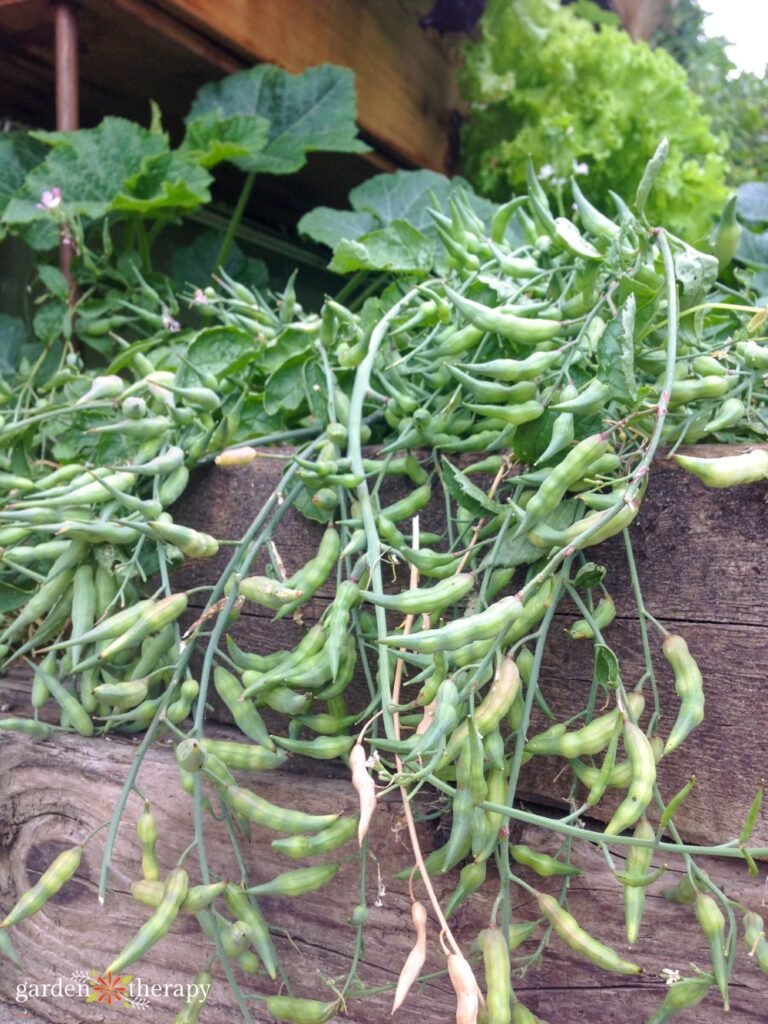
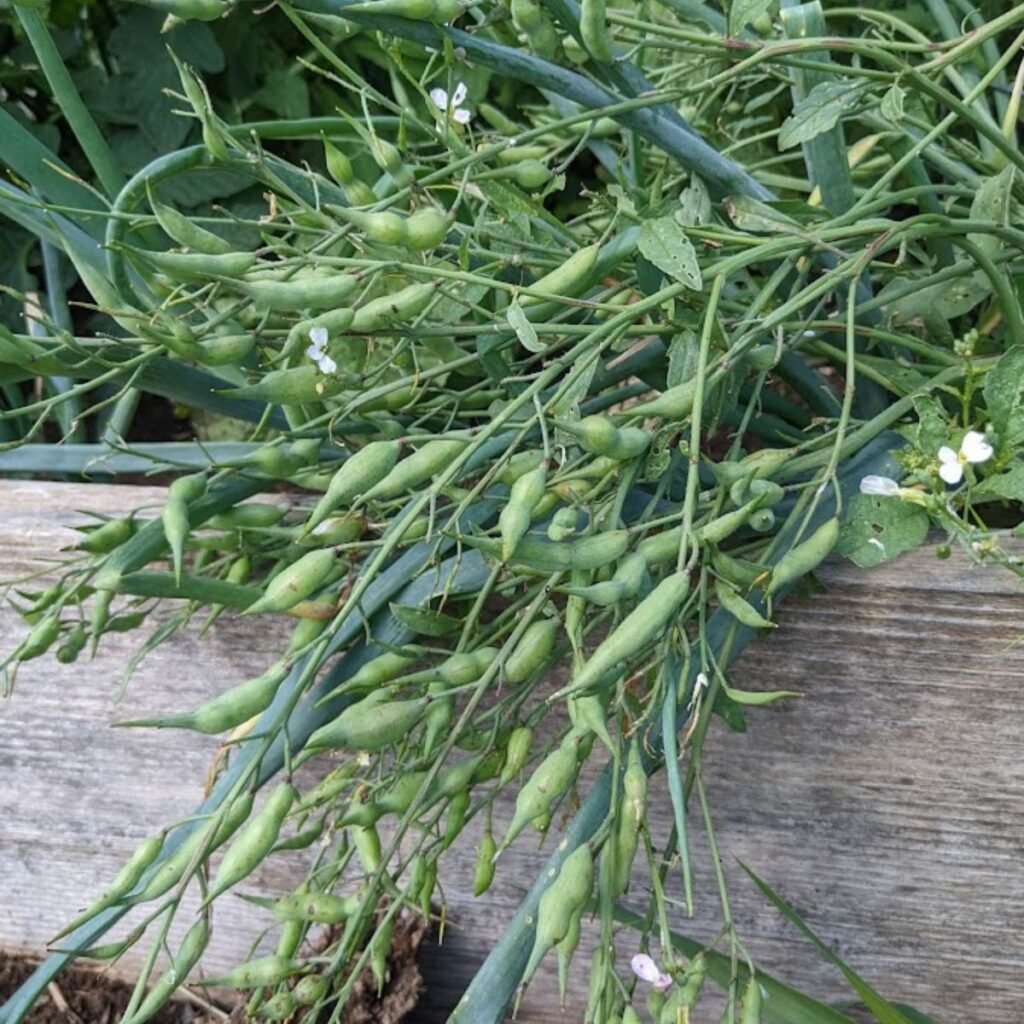
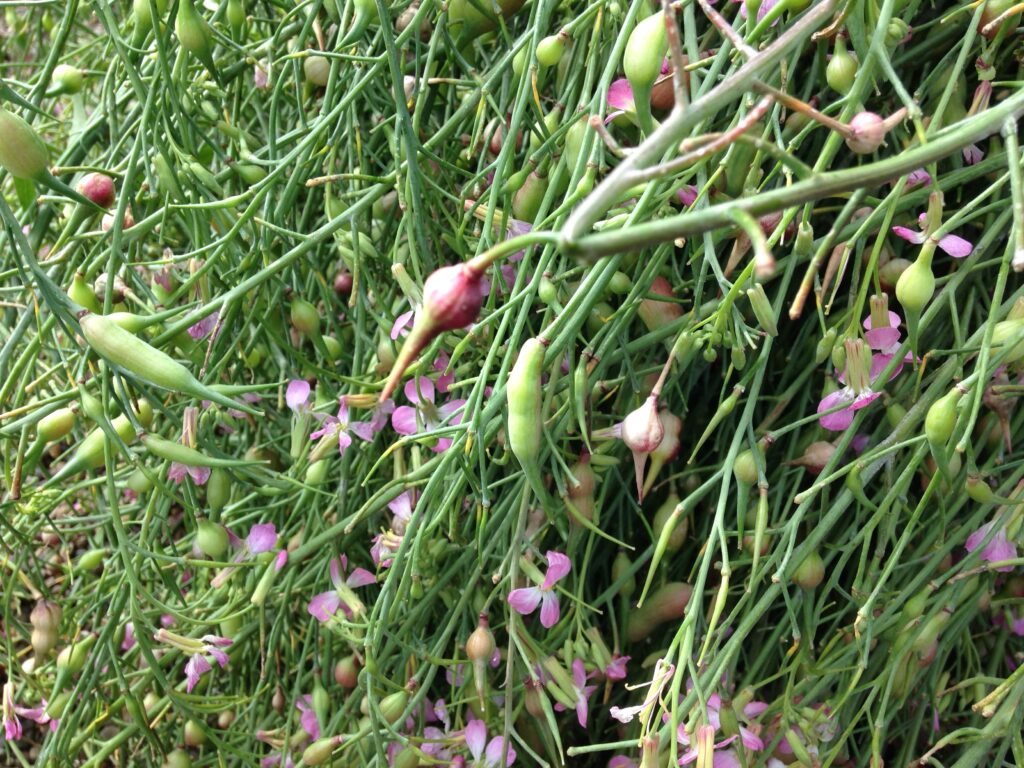
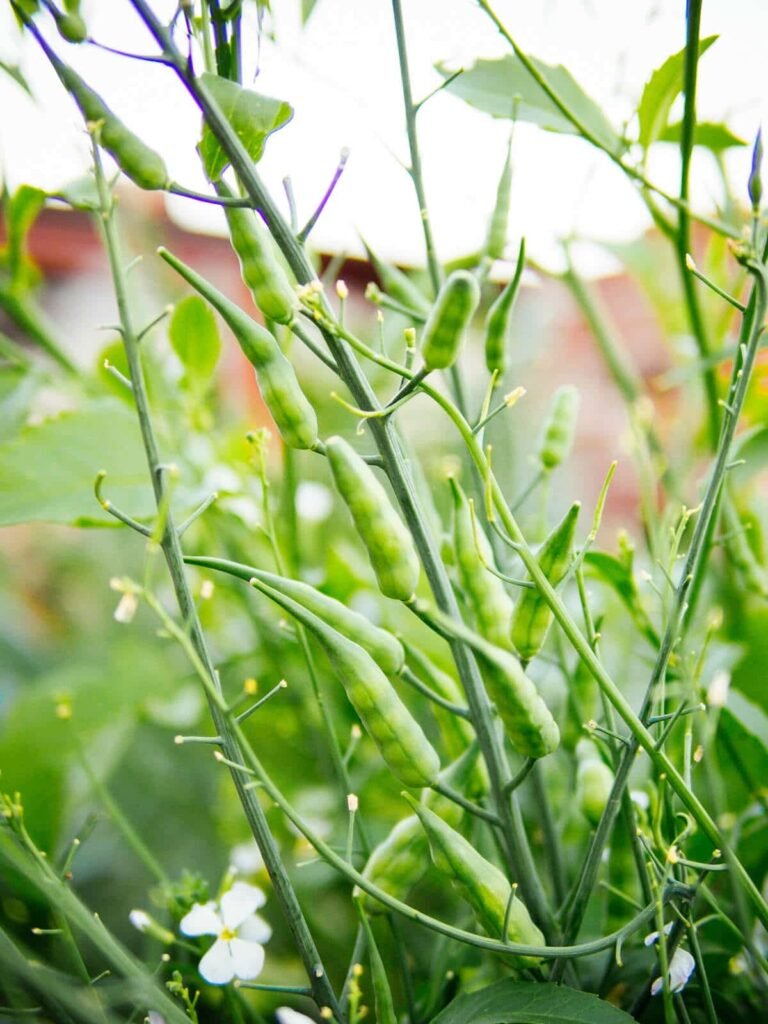
Radish pods, also called radish seed pods, are the slender, elongated seed-bearing structures that grow after radish plants flower. They are crunchy, slightly spicy, and similar in flavor to mustard greens or watercress.
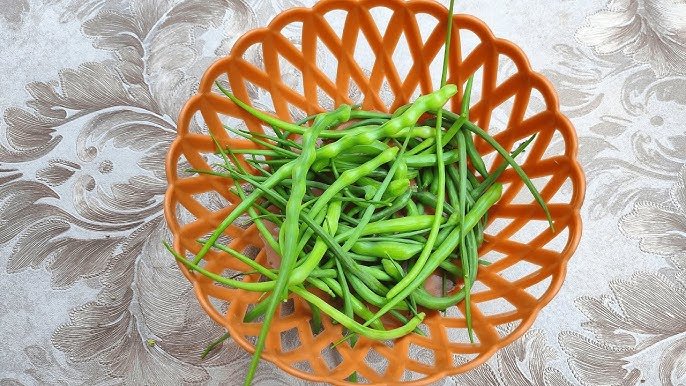
Unlike the typical radish root, these pods develop rapidly and can be harvested within 30–40 days from sowing, depending on the variety. They are popular in salads, stir-fries, pickles, and garnishes, offering a refreshing peppery flavor that’s less pungent than fully matured radish roots.
2. Why Grow Radish Pods Instead of Roots?
There are several compelling reasons to focus on radish pods instead of traditional radishes:
- Quick harvest: Radish pods can be ready in a month, faster than waiting for radish roots to mature.
- Space-saving: Growing pods requires less soil depth than growing full radish roots, making them ideal for polybags, raised beds, or container gardens.
- Dual-purpose plants: You can harvest pods while leaving roots to grow for later use, if desired.
- Nutritious: Radish pods are rich in vitamins A, C, and K, along with minerals like calcium, iron, and magnesium.
- Unique flavor: The spicy, peppery taste adds a fresh element to a variety of dishes.
For gardeners in urban areas, apartments, or those with limited soil, radish pods provide a fast-growing, high-yield alternative to traditional radish cultivation.
3. Choosing the Right Radish Variety
Not all radishes produce the same quality of pods. To maximize yield and flavor, select the right variety:
- Pod-focused varieties: Some radish cultivars are bred specifically for tender pods rather than roots. Check seed packets for “pod” or “green seed pod” varieties.
- Quick-maturing radishes: These produce tender seed pods faster, ideal for polybag cultivation.
- Organic seeds: Choose untreated, chemical-free seeds, especially if you plan to consume the pods raw.
Popular pod-producing varieties include ‘White Icicle,’ ‘French Breakfast,’ and certain Asian radishes, which produce long, crisp pods with a mild peppery taste.
4. Preparing Polybags for Growing
Polybags are an excellent way to grow radish pods, especially in limited spaces. Here’s how to prepare them:
Materials Needed:
- Medium to large polybags (10–15 inches in diameter works well)
- Well-draining potting mix or garden soil enriched with compost
- Watering can or spray bottle
- Trellis or support (optional for pod-bearing plants)
Steps:
- Fill polybags with soil up to 2–3 inches from the top.
- Make small holes or slits at the bottom for drainage to prevent waterlogging.
- Water the soil lightly to settle it before sowing seeds.
Using polybags allows you to control soil conditions, reduce pests, and easily move plants for better sunlight exposure.
5. Sowing Radish Seeds for Pods
To grow radish pods successfully, proper sowing is critical:
- Spacing: Scatter seeds evenly on the soil surface or sow 1–2 seeds per inch in rows.
- Depth: Cover seeds lightly with 0.5–1 inch of soil.
- Watering: Water gently but thoroughly after sowing. Keep the soil consistently moist for optimal germination.
- Germination: Radish seeds typically sprout within 3–7 days, depending on temperature.
For continuous harvest, consider succession planting every 10–15 days, ensuring a steady supply of fresh pods.
6. Caring for Radish Pod Plants
While radish pod plants are low-maintenance, proper care ensures healthy growth:
A. Watering
- Keep soil consistently moist but avoid overwatering, which can lead to root rot or fungal problems.
- Water at the base to avoid wetting foliage, reducing the risk of disease.
B. Sunlight
- Radish pods grow best with 4–6 hours of direct sunlight per day.
- Partial shade is tolerated but may reduce pod yield and flavor.
C. Fertilization
- Light feeding with compost or a balanced fertilizer encourages strong foliage and pod growth.
- Avoid high nitrogen fertilizers, which promote leafy growth at the expense of pod formation.
D. Pest and Disease Management
- Watch for aphids, flea beetles, or cutworms. Handpick or use organic sprays as needed.
- Ensure proper spacing and air circulation to minimize powdery mildew or fungal infections.
7. Encouraging Pod Formation
To maximize radish pod yield:
- Pinch early flowers: Some gardeners remove the first flower buds to redirect energy into pod formation rather than seed development.
- Regular watering: Stress from drought or inconsistent moisture can reduce pod growth.
- Fertilizer timing: Apply compost or light fertilizer when the plants are 2–3 weeks old to boost healthy foliage and pod production.
Healthy, well-maintained plants produce longer, tender, and flavorful pods.
8. Harvesting Radish Pods
Timing is everything when harvesting radish pods:
- Optimal size: Pods are best harvested when 4–6 inches long and still tender.
- Frequency: Harvest regularly to encourage new pod growth. Avoid letting pods mature and become tough or fibrous.
- Method: Use scissors or garden shears to snip pods, leaving a small stem attached to avoid damaging the plant.
With proper care, polybag-grown radish pod plants can produce harvests for 4–6 weeks before flowering and seed development reduce pod quality.
9. Using Radish Pods in the Kitchen
Radish pods are versatile and can be used in numerous dishes:
- Raw: Add to salads, sandwiches, or wraps for a peppery crunch.
- Stir-fried: Quickly sauté with garlic, olive oil, or soy sauce.
- Pickled: Slice and pickle in vinegar and spices for a tangy treat.
- Garnishes: Use whole pods to decorate soups, grain bowls, or protein dishes.
Their mild, spicy flavor pairs well with citrus, sesame oil, and light vinaigrettes, making them a healthy, flavorful addition to everyday meals.
10. Nutritional Benefits of Radish Pods
Radish pods are not only flavorful but highly nutritious:
- Vitamins: Rich in vitamin C, vitamin A, and folate.
- Minerals: Contain potassium, calcium, and iron.
- Antioxidants: Compounds that help combat free radicals and promote overall health.
- Low-calorie: Ideal for weight management while providing fiber and essential nutrients.
Incorporating radish pods into your diet adds a fresh, peppery taste while boosting nutrition effortlessly.
11. Troubleshooting Common Problems
Even in polybags, you may encounter issues. Here are some tips:
- Yellowing leaves: Often due to overwatering, poor drainage, or nutrient deficiency. Adjust watering and add compost if needed.
- Tough pods: May occur if pods are left to mature too long. Harvest when tender.
- Pests: Aphids, flea beetles, and caterpillars can damage pods. Inspect regularly and remove by hand or with organic sprays.
- Slow growth: Ensure adequate sunlight and consistent watering; polybags can heat up, so avoid extreme temperatures.
Regular monitoring ensures a healthy crop and tender, flavorful pods.
12. Advantages of Growing Radish Pods in Polybags
Polybag cultivation has unique benefits:
- Space-saving: Ideal for balconies, patios, and urban gardening.
- Controlled soil: Reduce the risk of pests and soil-borne diseases.
- Mobility: Move plants for better sunlight or protection from extreme weather.
- Extended harvest: Multiple polybags allow staggered planting for continuous pod production.
This method is perfect for gardeners who want fresh produce without needing a large plot of land.
13. Succession Planting for Continuous Harvest
To enjoy a steady supply of radish pods:
- Sow new seeds every 1–2 weeks.
- Harvest mature pods regularly to stimulate new growth.
- Keep polybags in a well-lit, cool area to maintain growth.
With careful planning, you can have fresh radish pods all season long without planting a large garden.
14. Final Thoughts
Growing radish pods without waiting for full radish roots is a smart, space-efficient way to enjoy fresh, crunchy, and nutritious greens. Using polybags makes this method accessible for small-space gardeners, urban dwellers, and anyone seeking a fast, continuous harvest.
By choosing the right seeds, providing proper soil and care, and harvesting pods at the optimal size, you can enjoy tender, flavorful radish pods for salads, stir-fries, pickles, and garnishes. This approach saves time, reduces space requirements, and offers a unique twist on traditional radish gardening.
Whether you’re a beginner gardener or an experienced grower looking for a new crop, radish pods in polybags are an excellent choice — nutritious, fast-growing, and delicious. Start a few polybags today, and within a month, you’ll be enjoying your own homegrown radish pods with minimal effort.