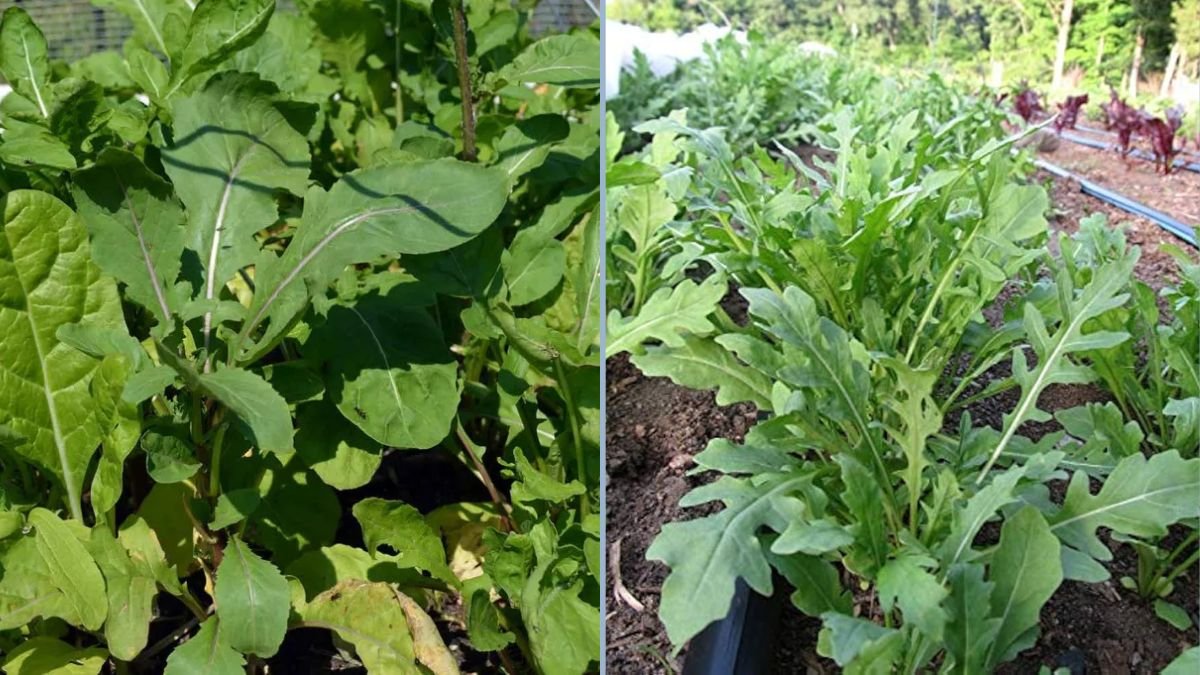
If you’re a salad lover, a culinary explorer, or just someone looking to spice up your garden greens, arugula is a must-have. But did you know that there’s more than one type of arugula to grow? Wild arugula and traditional (garden) arugula each have unique flavors, textures, and growing habits that make them both worth cultivating. In this guide, we’ll explore the differences between the two, the benefits of growing both, and tips for maximizing your harvest and culinary options.
1. What Is Arugula?
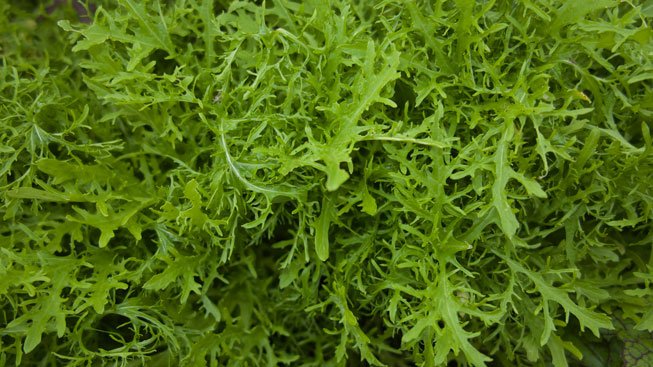
Arugula, scientifically known as Eruca vesicaria, is a leafy green vegetable popular for its peppery, slightly bitter taste. It belongs to the mustard family and is often used in salads, sandwiches, pestos, and even pizzas. Its bold flavor makes it a standout green, adding depth to otherwise mild dishes.
While many people are familiar with the smooth, tender leaves of traditional arugula, wild arugula offers a different experience — more robust flavor, varied leaf shapes, and a touch of “wildness” that elevates both the garden and the plate.
2. Traditional Arugula
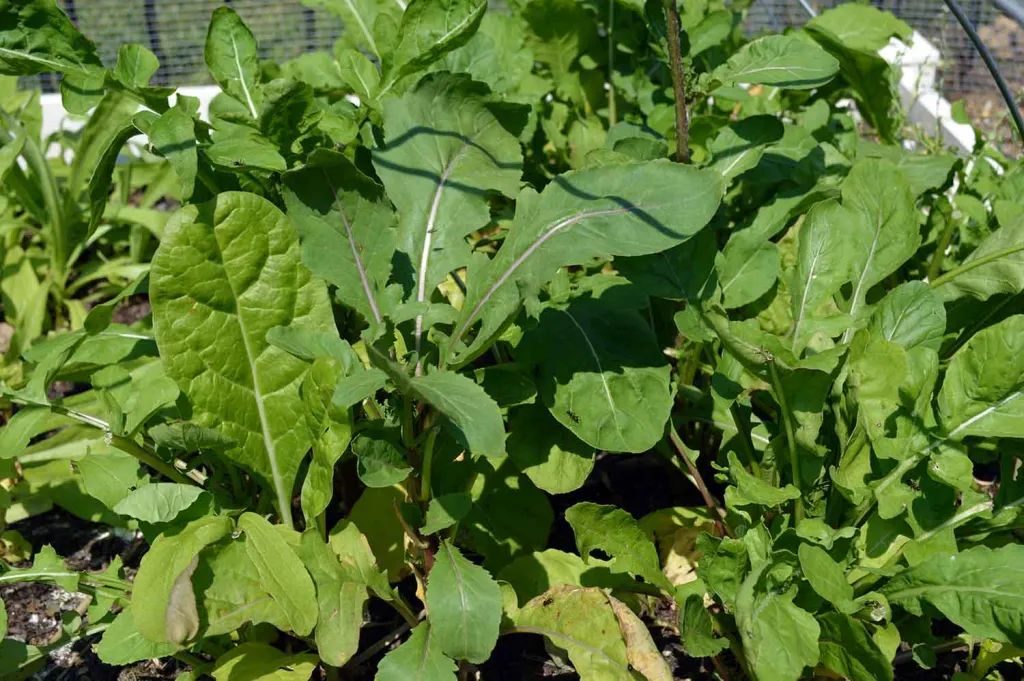
Traditional arugula, sometimes called garden arugula or cultivated arugula, is the variety most commonly found in grocery stores and home gardens.
Characteristics:
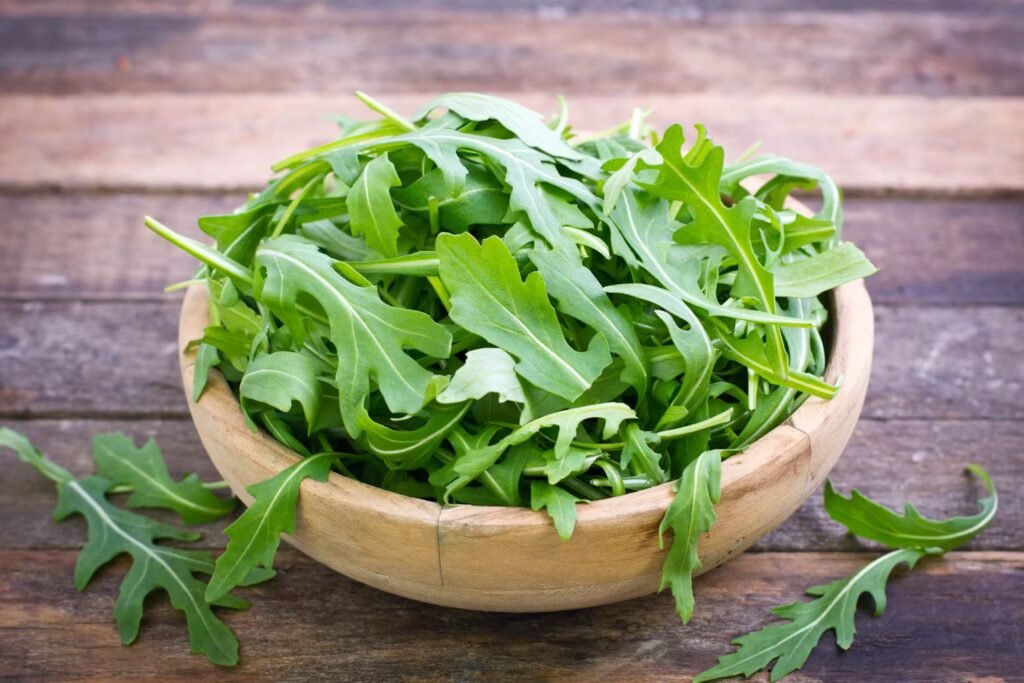
- Leaves: Broad, smooth, and tender, ideal for salads.
- Flavor: Mildly peppery, with a subtle bitterness that pairs well with vinaigrettes.
- Growth habit: Typically grows in rosettes close to the ground.
- Maturity: Fast-growing, often ready to harvest in 3–4 weeks.
Traditional arugula is beginner-friendly, easy to grow in most climates, and produces a reliable crop throughout the growing season. Its mild flavor makes it versatile in a variety of dishes without overpowering other ingredients.
3. Wild Arugula
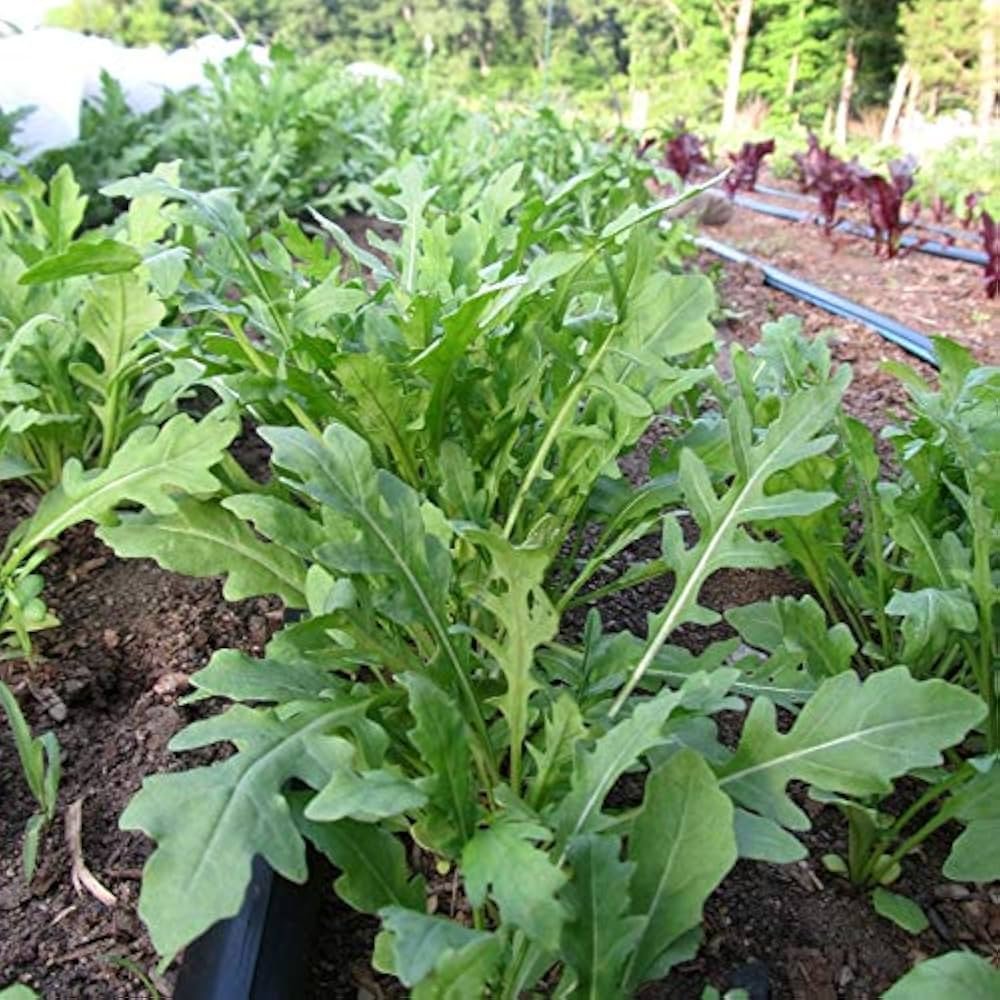
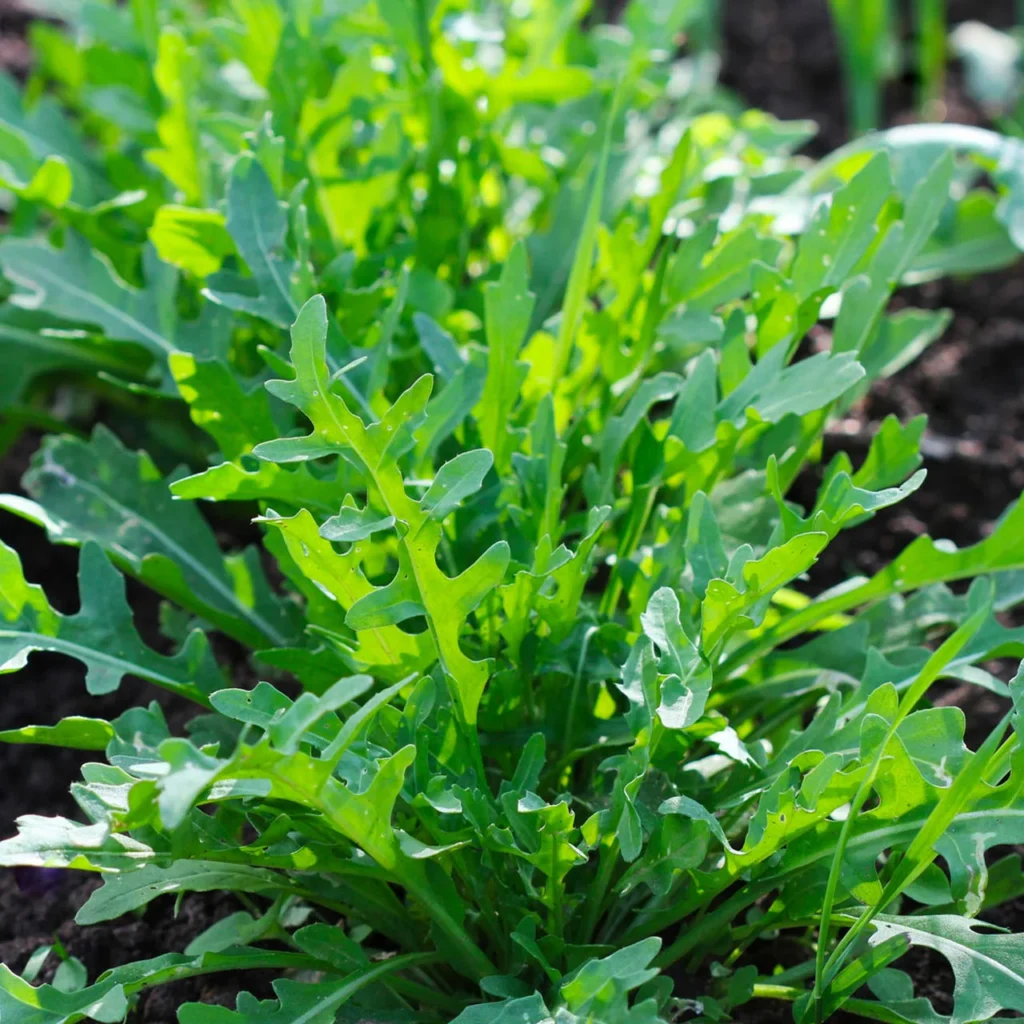
Wild arugula, sometimes called rocket or arugula selvatica, is the untamed cousin of traditional arugula.
Characteristics:
- Leaves: Narrow, deeply lobed, or jagged with a more rugged appearance.
- Flavor: Intensely peppery, spicier than traditional arugula, with earthy undertones.
- Growth habit: Taller and more upright, often self-seeding if left undisturbed.
- Maturity: Slightly slower to mature but produces multiple harvests if pruned correctly.
Wild arugula thrives in less manicured garden settings and can be grown alongside other crops as a “living mulch” or companion plant. Its bold flavor is perfect for those who want an arugula with more punch in salads, sautés, or garnishes.
4. Why Grow Both Varieties?
Growing both wild and traditional arugula in your garden has several benefits:
A. Flavor Diversity
By cultivating both varieties, you can enjoy a spectrum of flavors from mild and tender to bold and peppery. Traditional arugula is perfect for delicate salads, while wild arugula adds heat and complexity to more robust dishes.
B. Extended Harvest
Traditional arugula matures quickly, giving you an early harvest, while wild arugula continues producing later into the season. Planting both ensures a continuous supply of fresh greens.
C. Culinary Flexibility
Different dishes call for different intensities of flavor. With both types in your garden, you can choose the perfect leaf for pesto, sandwiches, stir-fries, or garnishes.
D. Garden Resilience
Wild arugula is hardier and more resistant to pests and diseases. By planting both, you diversify your garden’s resilience and ensure a reliable crop even in less-than-ideal conditions.
5. Growing Conditions for Both Types
Both traditional and wild arugula thrive under similar growing conditions, but there are subtle differences to keep in mind.
A. Soil
- Well-draining soil enriched with compost works best for both.
- Wild arugula tolerates slightly poorer soils and more varied conditions.
B. Sunlight
- Full sun produces the best flavor for both varieties.
- Partial shade is tolerated, especially in hotter climates.
C. Watering
- Consistent moisture is key. Keep soil evenly damp but not waterlogged.
- Mulching can help retain soil moisture and prevent leaf scorch.
D. Temperature
- Arugula prefers cooler weather, thriving in 50–70°F (10–21°C).
- Both types may bolt (flower and go to seed) quickly in hot weather, so succession planting or shade cloth can prolong harvest.
6. Planting Tips
Traditional Arugula:
- Sow seeds ¼ inch deep, spaced 1–2 inches apart.
- Thin seedlings to 4–6 inches apart for optimal growth.
- Harvest outer leaves first for continuous production.
Wild Arugula:
- Sow seeds ½ inch deep and space slightly further apart (6–8 inches).
- Expect taller, more robust growth.
- Pinch flowers early to encourage more leafy growth before the plant sets seeds.
Succession planting every 2–3 weeks ensures a steady supply of fresh leaves for both varieties.
7. Companion Planting
Both arugula varieties are excellent companion plants:
- With tomatoes: Their peppery leaves repel certain pests.
- With lettuce or spinach: Wild arugula’s upright growth provides light shade and adds vertical interest.
- With herbs like basil or dill: Encourages beneficial insects.
Planting arugula alongside other crops can improve overall garden health while enhancing flavor diversity.
8. Harvesting Tips
Traditional Arugula:
- Harvest leaves when 3–4 inches long.
- Snip outer leaves first and leave the central rosette to continue growing.
- Avoid letting plants bolt, as leaves become bitter after flowering.
Wild Arugula:
- Harvest leaves and tender stems 6–8 inches long.
- Cut selectively to encourage regrowth.
- Enjoy flower buds and blooms in salads for added flavor and visual appeal.
Regular harvesting prolongs the life of both varieties and ensures tender, flavorful greens.
9. Culinary Uses for Both Types
- Salads: Traditional arugula for mild green salads, wild arugula for spicy or mixed greens.
- Sandwiches and wraps: Both varieties add texture and flavor.
- Pesto and sauces: Traditional arugula works well in creamy pestos; wild arugula adds a peppery kick.
- Sautéed or stir-fried: Wild arugula holds up better under heat.
- Garnishes: Flowers and leaves of wild arugula are edible and visually striking.
By combining both varieties, your meals gain depth, nutrition, and vibrant flavor.
10. Nutritional Benefits
Arugula is a nutrient powerhouse, regardless of variety:
- Vitamins: High in vitamin K, vitamin A, and vitamin C.
- Minerals: Provides calcium, potassium, and magnesium.
- Antioxidants: Contains compounds that may reduce inflammation and support heart health.
- Low in calories: Ideal for weight management while providing essential nutrients.
Wild arugula often contains higher levels of antioxidants and phytonutrients due to its more robust, untamed growth.
11. Common Challenges and Solutions
Even hardy greens like arugula can face challenges:
- Bolting: High heat triggers flowering. Plant in cooler seasons and use partial shade.
- Pests: Aphids, flea beetles, and caterpillars may feed on leaves. Use row covers or organic pest control.
- Disease: Downy mildew and leaf spot can affect growth. Ensure proper spacing and airflow, and avoid overhead watering.
- Bitter leaves: Often due to bolting or prolonged exposure to heat. Regular harvesting and succession planting prevent bitterness.
With attentive care, both wild and traditional arugula flourish in your garden.
12. Why You Should Grow Both
Growing both wild and traditional arugula ensures:
- Flavor diversity: A spectrum from mild to spicy.
- Extended harvest: Continuous supply throughout spring and fall.
- Garden resilience: Wild arugula tolerates harsher conditions and deters pests.
- Culinary versatility: Suitable for raw salads, cooked dishes, and garnishes alike.
Combining the best of both worlds enriches your garden and your kitchen.
13. Final Thoughts
Arugula is more than just a salad green. By growing both traditional and wild varieties, you gain access to a range of flavors, textures, and nutritional benefits that elevate meals and enhance your garden. Traditional arugula offers quick, tender leaves for early harvests, while wild arugula brings bold flavor, durability, and aesthetic appeal.
Whether you’re an experienced gardener or a beginner looking to explore leafy greens, planting both types ensures you enjoy the full spectrum of arugula’s potential — peppery, tender, flavorful, and nutritious. With the right care, spacing, and harvest techniques, these versatile greens can become a staple in your garden and kitchen year-round.
So next planting season, don’t choose one over the other. Grow both wild and traditional arugula — your taste buds and your garden will thank you.
If you want, I can also create a side-by-side growing chart for wild vs traditional arugula, including planting depth, spacing, harvest time, and flavor notes for quick reference in the garden.