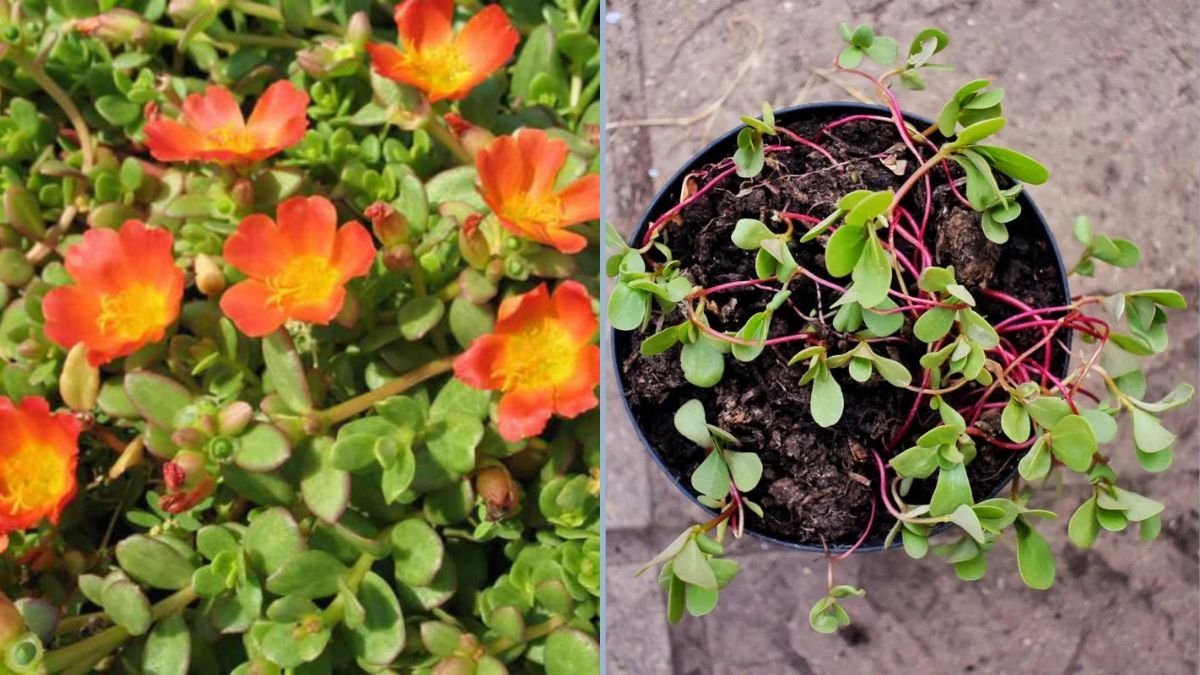
If you’re looking for a low-maintenance, drought-tolerant plant that thrives in almost any condition and provides a nutritious, edible green, purslane is an excellent choice. Known for its succulent leaves, slightly tangy flavor, and impressive nutritional profile, purslane is gaining popularity in gardens and kitchens alike.
One of the most exciting aspects of purslane is how easy it is to propagate. You don’t need seeds, fancy equipment, or a green thumb — a small stem or cutting is all it takes to start a thriving patch. In this guide, we’ll explore how to propagate purslane successfully, including step-by-step instructions, care tips, and practical uses for this versatile plant.
1. What Is Purslane?
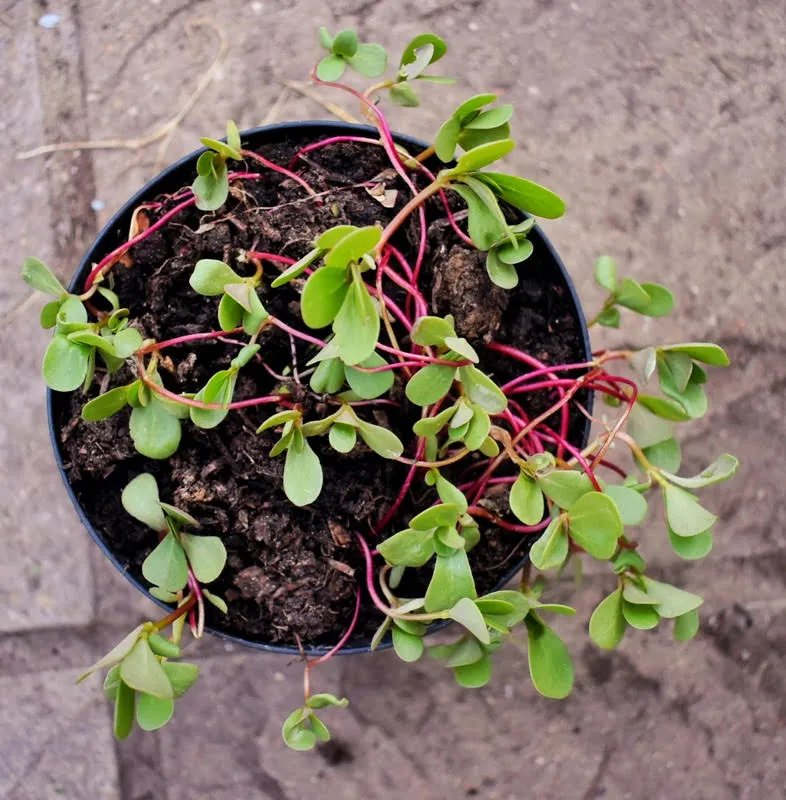
Purslane (Portulaca oleracea) is a succulent plant that grows low to the ground and spreads rapidly. It is often considered a weed due to its resilience, but it is also prized for its edible, fleshy leaves and stems.
Key Features:
- Leaves: Thick, succulent, and slightly sour.
- Flowers: Small, yellow blooms that open during the day.
- Growth habit: Spreads quickly, creating a mat-like ground cover.
- Nutritional value: High in omega-3 fatty acids, vitamins A, C, and E, magnesium, and antioxidants.
Purslane’s adaptability makes it suitable for containers, garden beds, and even cracks in sidewalks — essentially, wherever sunlight and minimal soil are available.
2. Why Propagate Purslane?
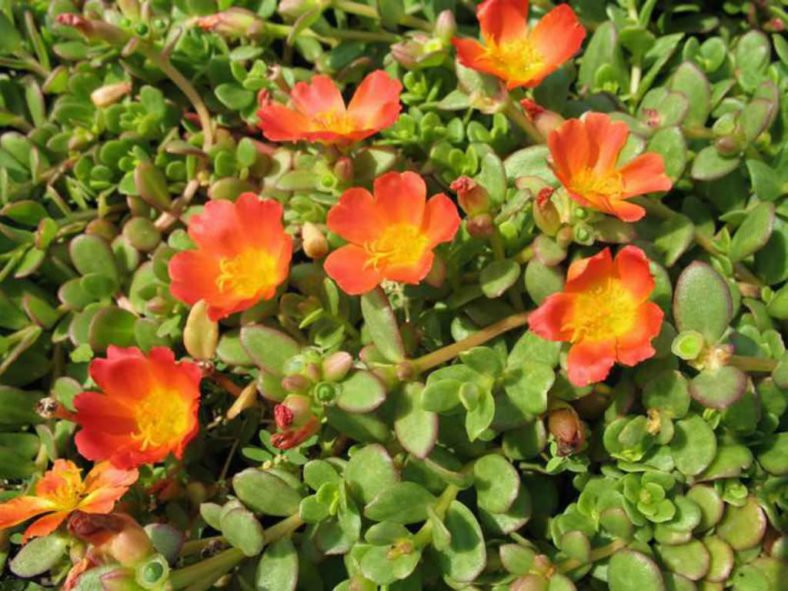
Propagating purslane is highly beneficial for several reasons:
- Rapid growth: One cutting can quickly produce a new plant.
- Low cost: No need to buy seeds if you already have a healthy plant.
- Versatility: Propagated plants can be grown in the garden, pots, or even vertical gardens.
- Resilience: Purslane is drought-tolerant and pest-resistant, so propagating it is low-risk.
Whether you want to expand your garden or share plants with friends, propagation is the easiest and most efficient way to multiply purslane.
3. Methods of Propagating Purslane
There are two main ways to propagate purslane: stem cuttings and seeds. While seeds work well, stem cuttings are faster and often more reliable.
A. Stem Cutting Propagation
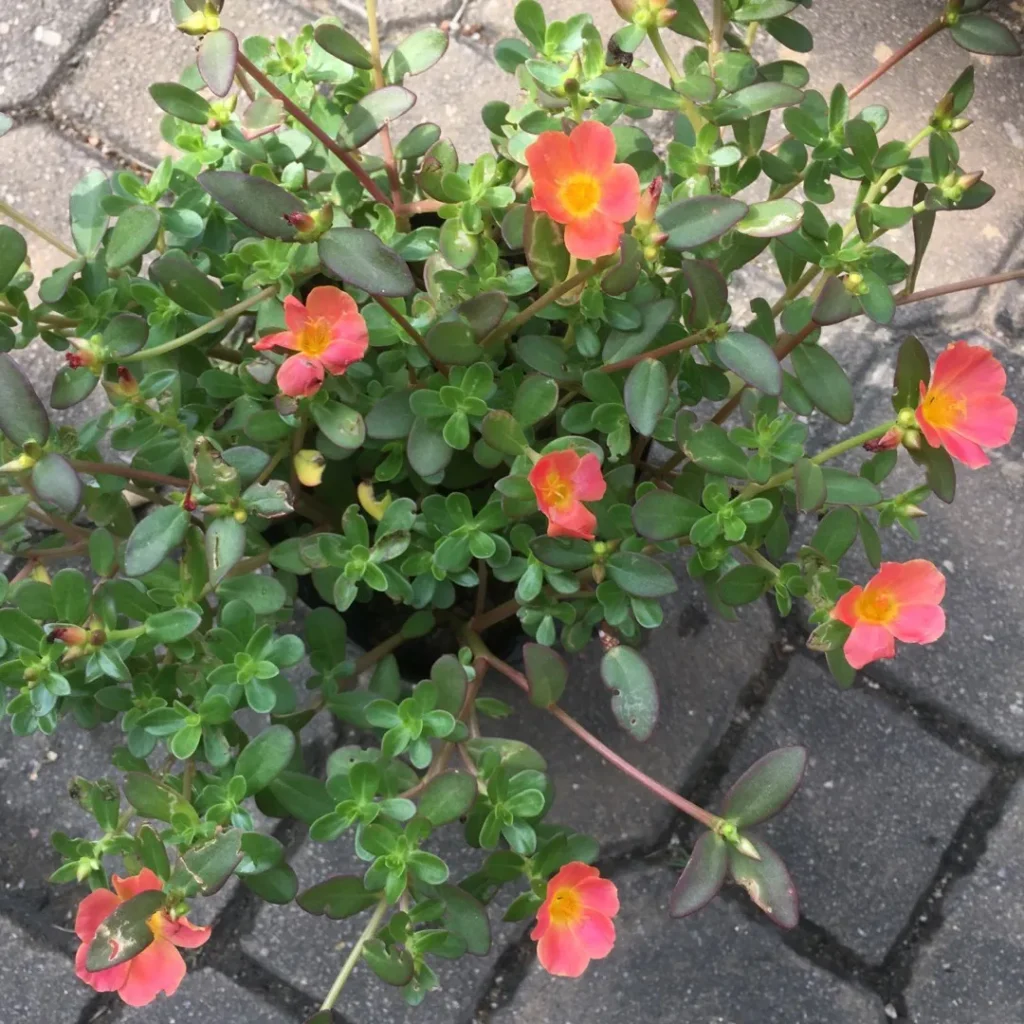
This is the most popular method because purslane roots easily and establishes quickly.
Steps:
- Choose a healthy, mature purslane plant. Look for firm, vibrant stems.
- Cut a 3–5 inch stem segment using clean scissors or pruning shears.
- Remove the lower leaves from the cutting, leaving a few at the top.
- Allow the cutting to air-dry for a few hours to form a callus (optional but helps prevent rot).
- Plant the cutting directly in moist soil or sand, burying the lower portion where the leaves were removed.
- Water lightly to keep the soil slightly moist.
Roots will start forming within a week, and new growth will follow soon after.
B. Seed Propagation
While less common, purslane seeds are tiny but effective if handled properly.
Steps:
- Collect seeds from mature purslane flowers or purchase from a nursery.
- Prepare a shallow container with well-draining soil.
- Sprinkle seeds evenly over the soil surface; do not bury them deeply — they need light to germinate.
- Mist lightly with water to keep the soil damp but not soggy.
- Keep the container in a warm, sunny spot. Seeds usually germinate within 1–2 weeks.
Seed propagation is ideal for starting many plants at once but requires patience, as germination takes longer than rooting cuttings.
4. Choosing the Right Soil and Container
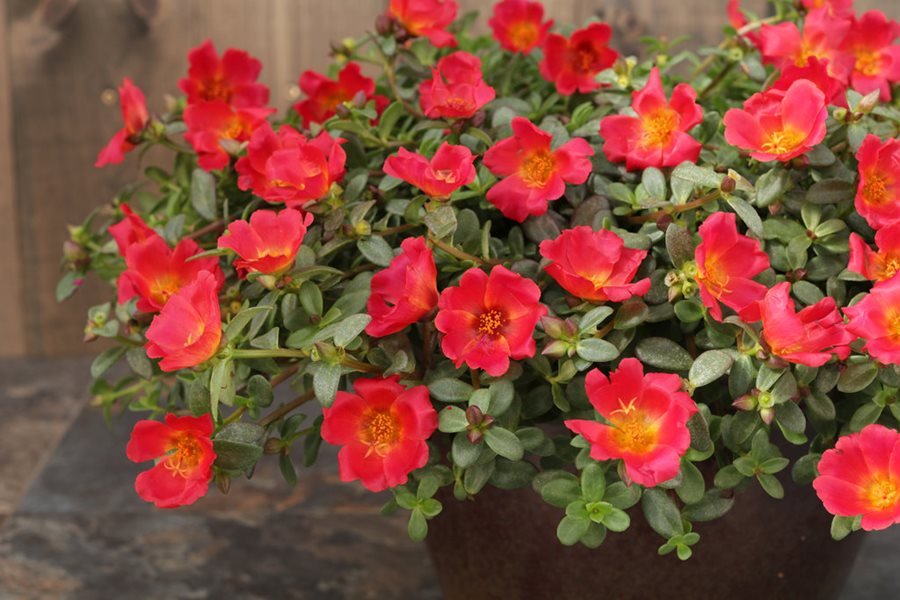
Purslane is adaptable, but using the right soil improves propagation success:
- Soil: Well-draining, sandy or loamy soil works best. Purslane thrives in slightly nutrient-poor soil.
- Container: For cuttings, use small pots or trays. Ensure they have drainage holes.
- Sunlight: Purslane prefers full sun, though it tolerates partial shade. Bright light encourages compact growth and vibrant leaves.
Whether planting in the garden or a container, soil drainage is key to preventing stem rot during propagation.
5. Watering and Care for Propagated Purslane
Once planted, caring for your cuttings or seedlings is straightforward:
- Watering: Keep soil lightly moist during the first week. After roots establish, purslane is extremely drought-tolerant and requires minimal watering.
- Temperature: Purslane thrives in warm temperatures (70–90°F / 21–32°C). Protect young cuttings from frost.
- Fertilization: Minimal fertilizer is needed. Over-fertilization may encourage leggy growth rather than the dense, succulent foliage that purslane is known for.
Proper care ensures healthy, fast-growing plants that quickly cover ground or fill containers.
6. Transplanting Purslane
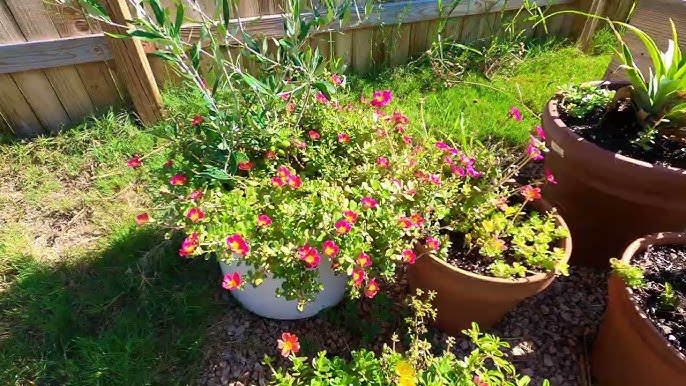
Once rooted, purslane can be transplanted to a garden bed or larger container:
- Dig a small hole slightly larger than the root system.
- Place the rooted cutting gently in the hole and fill in with soil.
- Press soil lightly around the base and water gently.
- Space plants 6–12 inches apart to allow spreading and mat formation.
Transplanted purslane establishes quickly and begins producing edible leaves within weeks.
7. Harvesting Purslane
Purslane leaves and stems are edible, tender, and nutrient-rich.
- Timing: Harvest when the plant is 4–6 inches tall for the most tender stems.
- Method: Use scissors to snip leaves or entire stems.
- Frequency: Regular harvesting encourages the plant to produce more stems and keeps it from flowering too early.
Purslane is incredibly prolific, so you can often enjoy multiple harvests in a single season.
8. Culinary Uses
Purslane’s slightly sour, peppery flavor makes it a versatile green in the kitchen:
- Salads: Raw leaves add crunch and flavor.
- Sautéed: Lightly stir-fry with garlic and olive oil.
- Soups: Add to broths for tangy freshness.
- Smoothies: Blend into green smoothies for extra vitamins and omega-3s.
- Pickling: Young stems can be pickled for tangy, crunchy snacks.
Its succulent texture makes it an excellent addition to Mediterranean and Middle Eastern dishes.
9. Nutritional Benefits
Purslane is more than just tasty — it’s highly nutritious:
- Omega-3 fatty acids: One of the highest plant-based sources.
- Vitamins: Rich in vitamin A, C, and E.
- Minerals: Contains magnesium, calcium, potassium, and iron.
- Antioxidants: Helps combat free radicals and supports overall health.
Regularly incorporating purslane into your diet is an easy way to boost nutrition naturally.
10. Common Problems and Solutions
Even a hardy plant like purslane can encounter a few challenges during propagation:
- Rotting cuttings: Often caused by overwatering or poor drainage. Allow callus formation and use well-draining soil.
- Leggy growth: Occurs in low light. Provide full sun or a grow light.
- Pests: Aphids and slugs may occasionally nibble leaves. Use organic pest control or handpick.
- Bolting: Purslane flowers quickly in high heat or long days. Regular harvesting keeps plants producing leaves.
With minimal intervention, purslane is remarkably resilient and rewarding to grow.
11. Advantages of Propagating Purslane
Propagating purslane offers numerous advantages:
- Cost-effective: No need to buy seeds repeatedly.
- Fast-growing: Cuttings root quickly and produce leaves within weeks.
- Low maintenance: Thrives in poor soils, full sun, and with minimal watering.
- Edible and nutritious: Provides omega-3s, vitamins, and minerals.
- Aesthetic value: Its sprawling, succulent habit makes it an attractive groundcover or container plant.
These benefits make purslane ideal for both beginner and experienced gardeners.
12. Final Thoughts
Purslane is a versatile, nutritious, and resilient plant that deserves a spot in every garden. Its ability to propagate easily from cuttings or seeds makes it perfect for gardeners looking to expand their crops with minimal effort.
By following simple steps — selecting healthy cuttings, providing well-draining soil, maintaining sunlight, and harvesting regularly — you can enjoy a continuous supply of tender, edible leaves and stems throughout the growing season. Whether you’re using it in salads, soups, stir-fries, or smoothies, purslane adds flavor, nutrition, and beauty to your garden and your table.
Start propagating purslane today, and you’ll quickly discover why this humble succulent is a favorite among gardeners, chefs, and health enthusiasts alike. Its ease of growth, resilience, and culinary versatility make it an ideal addition to any home garden.