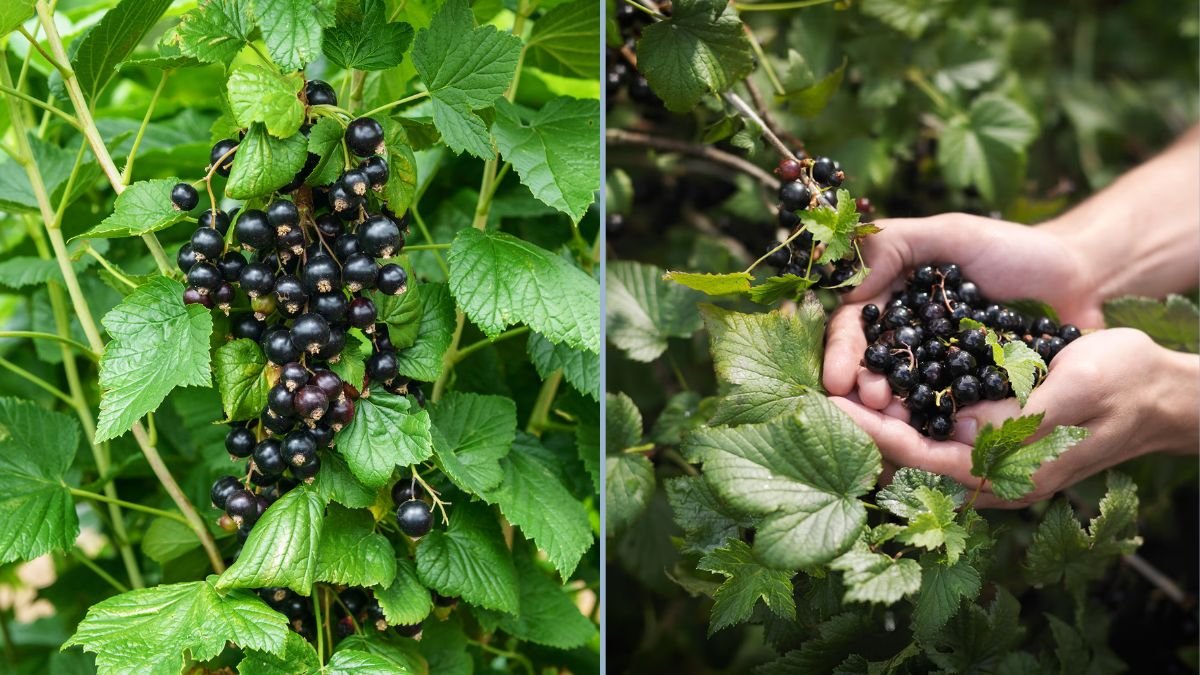
When you hear “blackcurrant,” you might think of a dark berry tucked into jams, syrups, or candies—or perhaps a mysterious flavor that’s oddly rare in American grocery stores. But the humble blackcurrant (Ribes nigrum) is far more fascinating than it appears.
This small, glossy berry has a long history that spans continents, wars, and even agricultural bans. Beyond that, it’s one of the most nutrient-dense fruits on the planet and an important player in both ecosystems and culinary traditions.
In this post, we’ll explore three key things you should know about blackcurrants—what they are and where they come from, why they’re so nutritionally powerful, and the quirks that make them unique in cultivation and culture.
1. What Are Blackcurrants (and Where Do They Come From)?
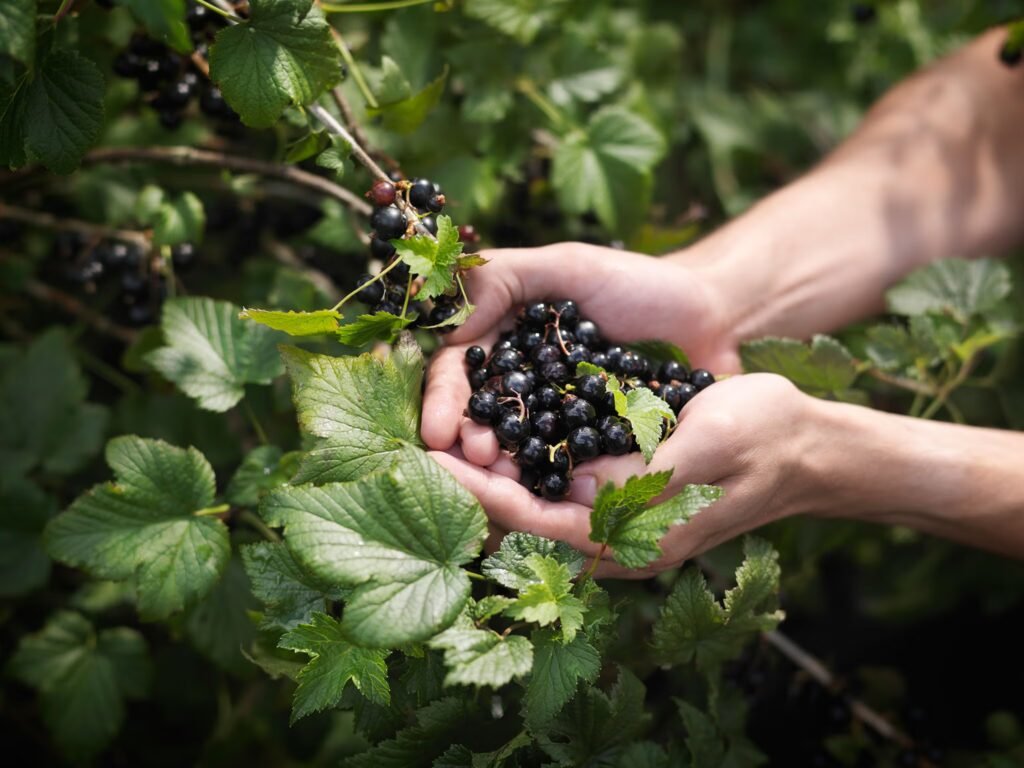
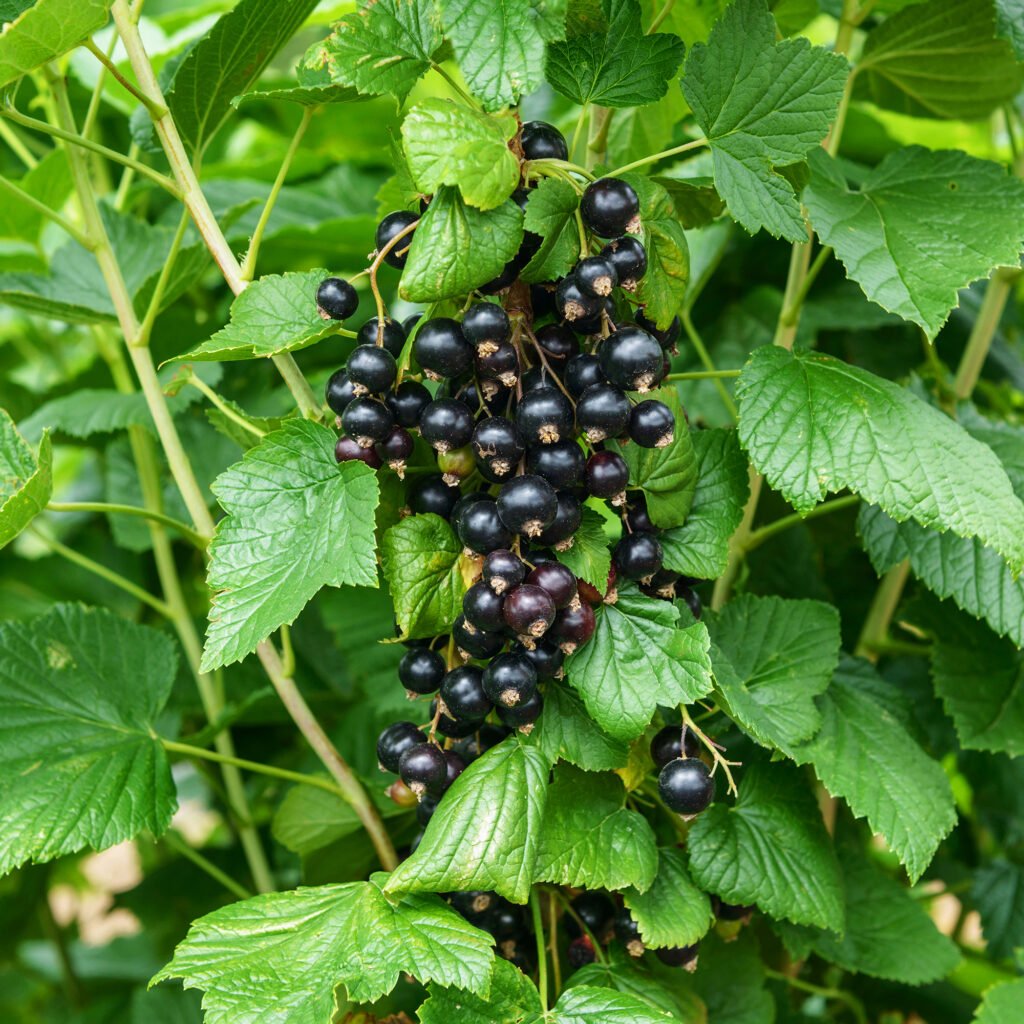
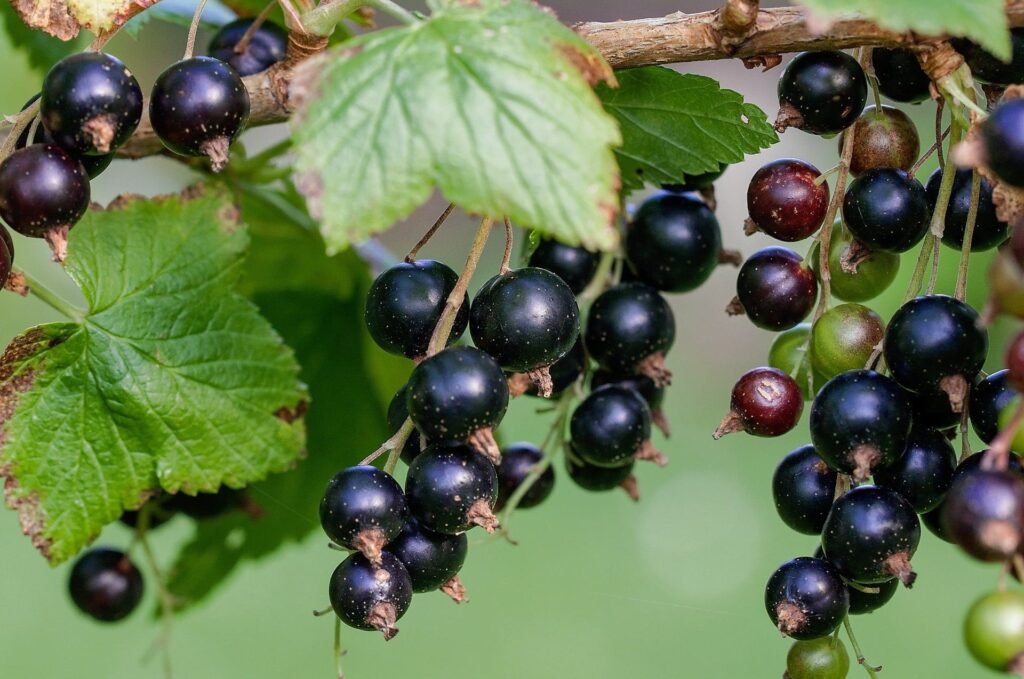
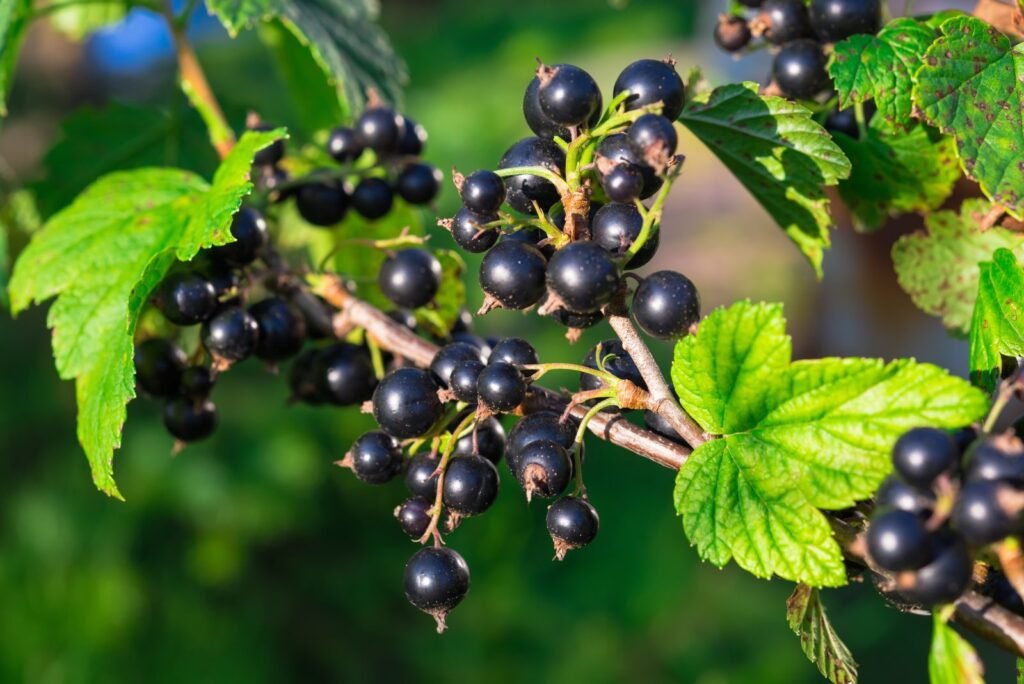
Blackcurrants are small, deep-purple berries that grow in clusters on woody shrubs. They belong to the same family as gooseberries and other currants, and they’ve been cultivated in northern Europe and Asia for centuries.
The shrubs typically grow up to about two meters tall, with multiple stems and broad, serrated leaves. The berries start out green before ripening into a dark purple—almost black—color, which gives them their name. Each berry is about the size of a small pea, with a tangy, slightly astringent flavor.
A Brief History
Blackcurrants are native to temperate regions of Europe and northern Asia. They thrive in cooler climates, particularly where summers are mild and winters are cold. For hundreds of years, they’ve been prized in Europe for their flavor and medicinal uses—especially for making jams, syrups, and the famous French liqueur crème de cassis.
However, in the early 20th century, blackcurrants became nearly extinct in the United States. The U.S. government banned their cultivation after discovering that the plants could host a fungus called white pine blister rust, which threatened valuable timber trees. As a result, blackcurrants all but disappeared from American farms and kitchens for decades.
In Europe, however, the berry continued to flourish. During World War II, when citrus fruits were scarce, the British government even encouraged families to grow and consume blackcurrants as a natural source of vitamin C. Blackcurrant syrup became a staple for children and soldiers alike—a tradition that still echoes in popular British brands today.
2. The Nutritional and Health Power of Blackcurrants
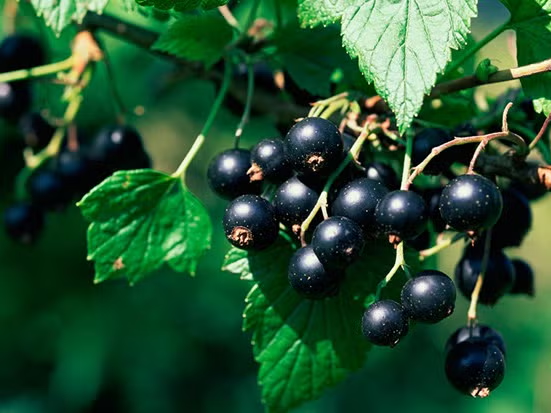
If there’s one thing that makes blackcurrants truly stand out, it’s their extraordinary nutritional profile. These small berries are loaded with vitamins, minerals, and antioxidants that support a range of bodily functions and health benefits.
Packed with Vitamin C
Blackcurrants are among the richest natural sources of vitamin C—containing up to four times more of it than oranges. Vitamin C is crucial for supporting the immune system, protecting cells from oxidative stress, and promoting healthy skin and connective tissue.
Just a small handful of blackcurrants can easily supply your daily recommended intake of this vital nutrient.
Rich in Antioxidants and Anthocyanins
The deep purple-black color of blackcurrants comes from a group of plant compounds known as anthocyanins. These pigments act as antioxidants, helping to neutralize harmful free radicals in the body.
Research suggests that anthocyanins may help reduce inflammation, support heart health, and even improve blood flow and eye health. Because blackcurrants have one of the highest anthocyanin concentrations of any fruit, they’ve earned a reputation as a potent “superfood.”
Other Notable Nutrients
- Gamma-linolenic acid (GLA): Blackcurrant seed oil contains this unique omega-6 fatty acid, which may help reduce inflammation and improve skin health.
- Potassium and iron: These minerals help regulate blood pressure, muscle function, and oxygen transport in the blood.
- Fiber: The berries’ skin and seeds are rich in dietary fiber, supporting digestion and a healthy gut microbiome.
Health Potential
While no single food can work miracles, regular consumption of antioxidant-rich fruits like blackcurrants can contribute to better long-term health. Studies suggest they may support immunity, reduce oxidative stress, improve joint flexibility, and enhance post-exercise recovery.
So if you’re looking for a way to boost your nutrition naturally, a serving of blackcurrants—fresh, frozen, or in juice form—can be a delicious and effective option.
3. Cultivation, Uses, and Curiosities
Beyond their nutrition, blackcurrants are fascinating plants from a horticultural and cultural perspective. Let’s explore how they grow, how they’re used, and why they’re so unique in the agricultural world.
How They Grow
Blackcurrant shrubs thrive in cooler, temperate regions. They prefer moist, well-drained soils that are rich in organic matter and slightly acidic. The plants do best in areas with cold winters, as they require a period of dormancy before producing fruit.
They’re relatively hardy plants, able to withstand frost and even brief droughts once established. However, they can be vulnerable to pests like the big bud mite and diseases such as reversion virus, so careful management and pruning are essential for healthy yields.
A mature blackcurrant bush can produce several pounds of fruit per season, making it both productive and rewarding for gardeners in the right climate.
Culinary Uses
Blackcurrants have a strong, tart flavor that distinguishes them from milder berries like blueberries or raspberries. Because of their intensity, they’re often used in processed or sweetened forms rather than eaten raw.
Popular uses include:
- Jams and jellies: Their natural pectin content makes them perfect for setting into spreads.
- Juices and syrups: Especially popular in Europe as refreshing summer drinks or mixers.
- Desserts: Blackcurrants pair beautifully with cream, chocolate, and citrus in cakes, tarts, and ice creams.
- Sauces and glazes: Their tartness complements rich meats like duck, venison, or pork.
- Beverages: The famous French crème de cassis liqueur and the British “Ribena” drink are both blackcurrant-based.
Even the leaves of the plant can be used—they’re sometimes steeped to make a fragrant herbal tea.
Cultural and Historical Curiosities
Blackcurrants are deeply embedded in the culture of several European countries. In the UK, they’re almost synonymous with “Ribena,” a drink developed during wartime to provide children with vitamin C. In France, the berries are celebrated for their role in classic cocktails like the Kir (white wine with a splash of cassis).
Their near disappearance from American markets created an aura of mystery around them. For decades, generations of Americans grew up never tasting a blackcurrant. But in recent years, the ban has been lifted in many states, and farmers are starting to reintroduce the crop.
This resurgence has sparked renewed interest among chefs, health enthusiasts, and small farmers who see potential in reviving a once-forbidden fruit.
Blackcurrants in the Garden
For gardeners in northern climates, blackcurrants can be both a beautiful and useful addition. They produce clusters of delicate flowers in spring, followed by berries in midsummer.
To grow them successfully:
- Choose a cool, sunny to partially shaded spot with rich, moist soil.
- Plant dormant shrubs in late autumn or early spring.
- Prune annually to remove old wood and encourage new shoots.
- Mulch generously to retain moisture and suppress weeds.
Once established, blackcurrant bushes are long-lived and productive, often bearing fruit for 10–15 years.
Conclusion
So, what are the three things to know about blackcurrants?
- They’re a resilient, historic berry. Native to Europe and Asia, blackcurrants have survived bans, wars, and disease threats to become one of the world’s most treasured fruits.
- They’re nutritional powerhouses. Packed with vitamin C, antioxidants, and plant compounds that promote health, they’re as good for your body as they are for your taste buds.
- They’re unique in growth and culture. From their love of cool climates to their deep culinary and cultural roots, blackcurrants are as versatile as they are distinctive.
Whether you discover them in a jar of jam, a refreshing drink, or a farmer’s market basket, blackcurrants deserve a spot on your radar—and maybe even in your garden.
They’re more than just berries. They’re a symbol of resilience, nutrition, and the enduring relationship between humans and the natural world.