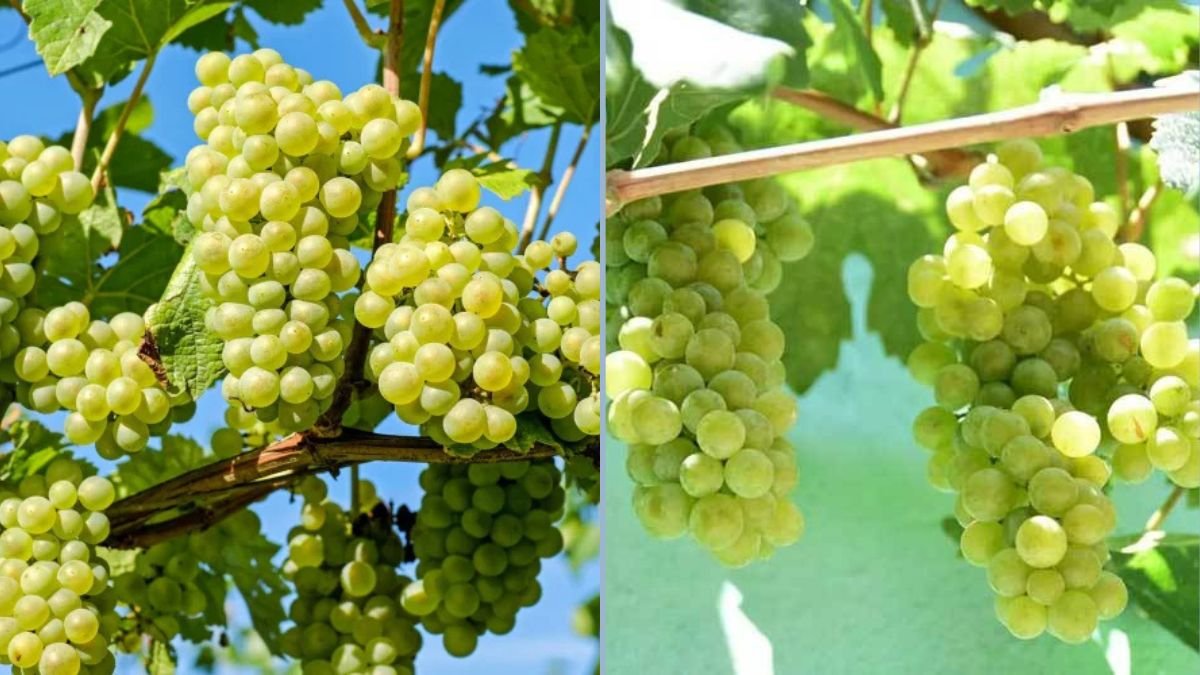
If you’ve ever tasted Cotton Candy grapes, you know they’re something truly extraordinary. With their unique sweetness that tastes just like real cotton candy, these grapes have taken the fruit world by storm. Imagine being able to grow these delicious, seedless wonders right in your backyard—or even in a container on your balcony!
In this complete guide, we’ll walk you through everything you need to know about growing Cotton Candy grape plants, from choosing the right variety and soil to pruning, fertilizing, and harvesting. Whether you’re a beginner or an experienced gardener, you’ll discover the sweet magic of cultivating this modern hybrid grape in your very own kitchen garden.
What Are Cotton Candy Grapes?
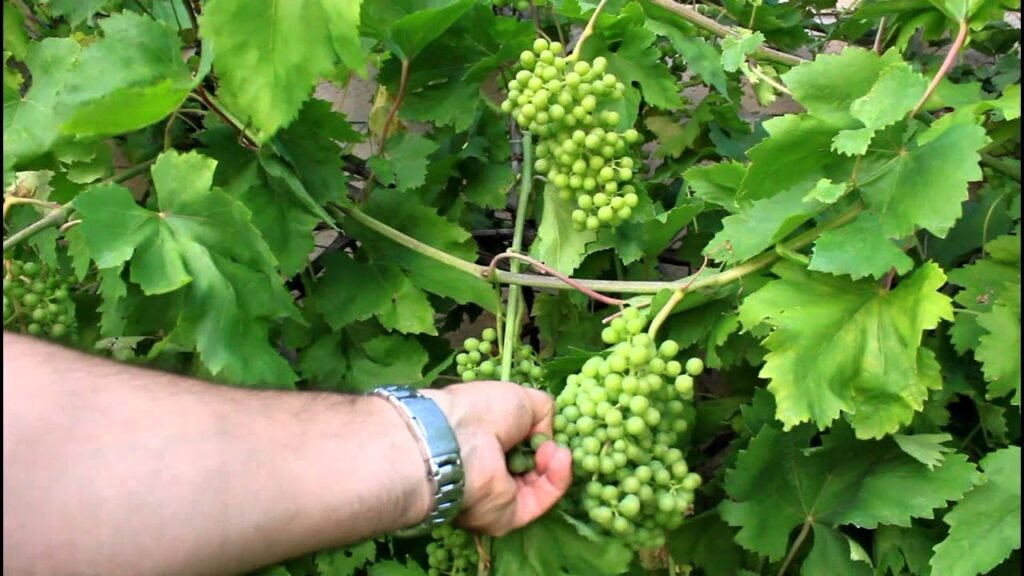
Cotton Candy grapes are a hybrid variety created by crossing Concord-like grapes (known for their sweet flavor) with seedless green grapes. The result is an unbelievably sweet, aromatic grape that tastes remarkably like the fluffy carnival treat.
They were developed by International Fruit Genetics (IFG) in California and have since gained worldwide popularity for their dessert-like flavor and crisp, juicy texture. Unlike regular table grapes, Cotton Candy grapes are seedless, easy to eat, and packed with natural sugar—making them a hit among both kids and adults.
Why Grow Cotton Candy Grapes at Home?
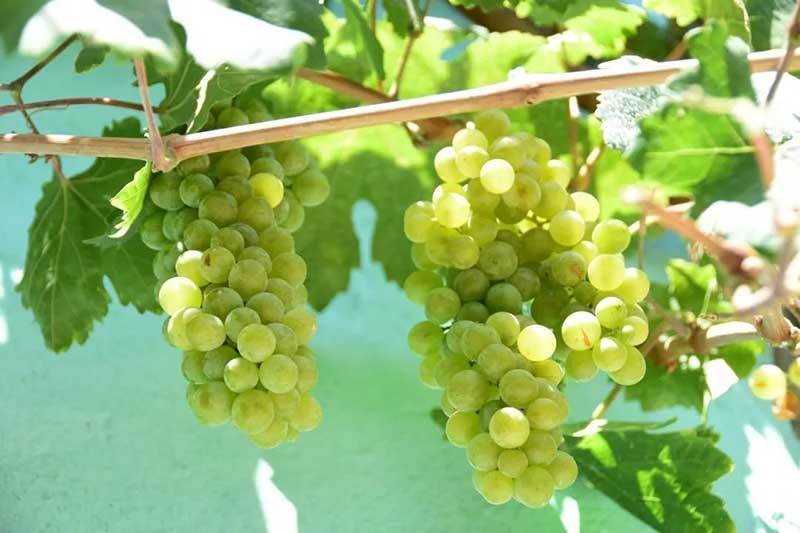
You might wonder why you should grow these grapes yourself when they’re available in supermarkets during certain seasons. Here’s why home-growing is a fantastic idea:
- Fresh and chemical-free: Grow them organically without pesticides.
- Cost-effective: Store-bought Cotton Candy grapes can be pricey!
- Perfect for small spaces: Can be grown in large containers or pots.
- Satisfying and aesthetic: Adds greenery and elegance to your garden.
- Fun and educational: A rewarding project for families and children.
Growing your own Cotton Candy grapevine allows you to enjoy this rare fruit fresh from the vine—sweet, fragrant, and completely natural.
Ideal Growing Conditions for Cotton Candy Grapes
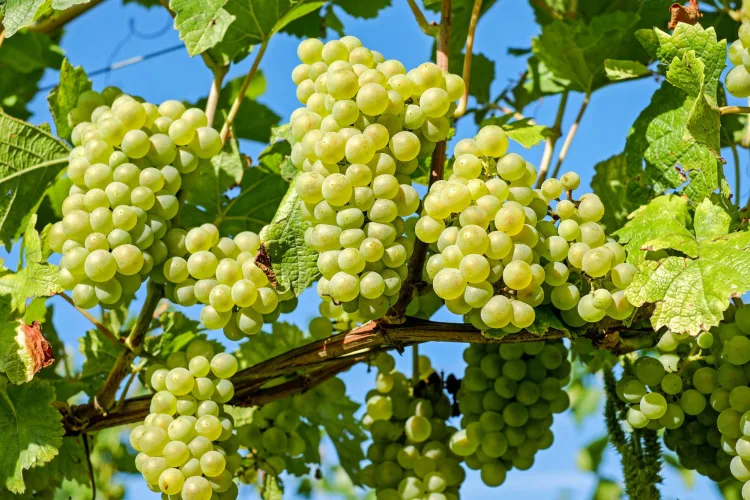
Like most grape varieties, Cotton Candy grapes thrive in warm, sunny climates. To achieve the best results, pay attention to these conditions:
- Sunlight: At least 6–8 hours of full sunlight daily.
- Temperature: Prefers 25°C to 35°C (77°F–95°F). Protect from frost.
- Soil pH: Slightly acidic to neutral, between 6.0 and 6.5.
- Climate: Grows best in dry, temperate regions with moderate humidity.
If you live in an area with cold winters, growing the vine in a large container will let you move it indoors during frost.
Step-by-Step Guide: How to Grow Seedless Cotton Candy Grape Plants
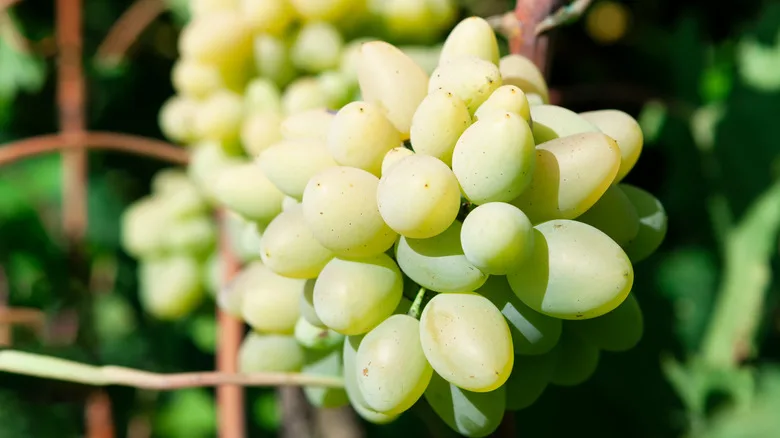
1. Choose the Right Plant or Cutting
Start by sourcing a certified Cotton Candy grapevine or cutting from a reliable nursery or online vendor. Avoid planting from store-bought grapes because they are seedless and won’t germinate.
Opt for:
- A grafted plant, which establishes quickly.
- A disease-resistant rootstock suitable for your region.
Planting time: Early spring or late winter, when temperatures are mild and the soil is workable.
2. Select the Perfect Container or Planting Spot
If growing in a container:
- Choose a large pot (at least 20–25 gallons) to support deep roots.
- Ensure there are multiple drainage holes at the bottom.
- Place it in a sunny, sheltered area with good airflow.
If planting directly in the ground:
- Pick a spot with well-drained, loamy soil.
- Avoid low-lying areas where water may accumulate.
3. Prepare the Ideal Soil Mix
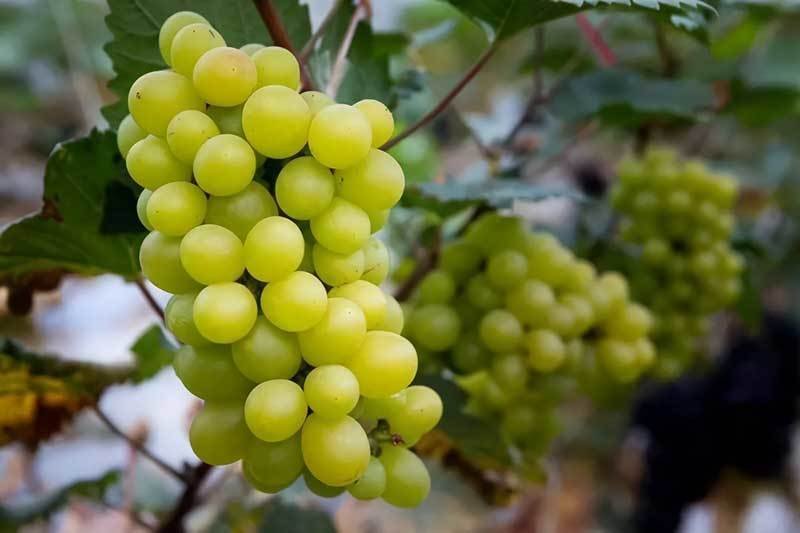
Cotton Candy grapes love nutrient-rich, loose, and aerated soil.
Recommended potting mix:
- 40% garden soil
- 30% compost or aged cow manure
- 20% coco peat or peat moss
- 10% river sand or perlite
Before planting, mix in a handful of bone meal or organic fertilizer for a phosphorus boost, which promotes strong root growth.
4. Planting the Vine
Here’s how to get your vine started:
- Fill your pot or hole with prepared soil.
- Create a small mound in the center.
- Spread the roots gently over the mound.
- Backfill and firm the soil around the base.
- Water thoroughly after planting.
Keep the crown of the plant slightly above soil level to prevent rot.
5. Support and Training
Cotton Candy grapevines are vigorous climbers and need support from the beginning.
Install:
- A trellis, wire frame, or sturdy stake for vertical growth.
- Tie young shoots loosely with garden twine to guide direction.
Training your vine properly ensures better sunlight exposure, air circulation, and higher fruit yield.
6. Watering and Mulching
Water is critical during the establishment and fruiting phases.
- Water deeply once or twice weekly, depending on weather.
- Avoid shallow, frequent watering—it encourages weak roots.
- During flowering and fruit development, maintain consistent moisture.
- Apply mulch (straw, dry leaves, or wood chips) around the base to retain moisture and suppress weeds.
Avoid overwatering, as soggy soil can lead to root rot and fungal issues.
7. Feeding and Fertilizing
Cotton Candy grapes are moderate feeders. Follow a seasonal feeding schedule:
- Spring: Use a balanced NPK 10-10-10 fertilizer every 4–6 weeks.
- Summer (before flowering): Switch to a high-phosphorus fertilizer (5-10-10) for strong blooms and fruit set.
- Post-harvest: Add compost or organic manure to rejuvenate the soil.
You can also feed with liquid seaweed or compost tea monthly for micronutrients. Avoid excess nitrogen, which encourages leafy growth at the expense of fruit.
8. Pruning and Maintenance
Pruning is crucial for a healthy grapevine and abundant harvest.
When to prune:
- Major pruning: Late winter before new buds appear.
- Light pruning: Throughout the growing season to remove dead or tangled shoots.
How to prune:
- Keep 2–3 strong canes (main fruiting branches).
- Cut off old or weak stems.
- Thin out crowded areas for better air circulation.
Proper pruning allows the plant to focus its energy on producing sweeter, larger grape clusters.
9. Managing Pests and Diseases
Like all grape varieties, Cotton Candy grapes can face occasional pest attacks.
Common pests:
- Aphids
- Mealybugs
- Leafhoppers
- Spider mites
Diseases to watch for:
- Powdery mildew
- Downy mildew
- Anthracnose
Organic control methods:
- Spray neem oil or insecticidal soap every 2 weeks.
- Avoid overhead watering to reduce fungal risks.
- Maintain cleanliness—remove fallen leaves and debris regularly.
Healthy vines with good airflow are naturally more resistant to disease.
10. Sunlight and Air Circulation
Your Cotton Candy grape plant needs full sunlight to develop its signature sweetness. Grapes convert sunlight into natural sugars during ripening, which gives them their cotton candy flavor.
- Ensure 8 hours of direct sunlight daily.
- Keep containers spaced apart for good airflow.
- In hotter climates, provide partial afternoon shade to prevent leaf scorch.
11. Pollination and Fruit Development
Cotton Candy grapes are self-pollinating, so you don’t need multiple plants. However, having more than one vine nearby can enhance pollination and increase yields.
Once the flowers appear, it typically takes 120–150 days for the grapes to ripen. The fruits will grow in clusters—firm, green, and translucent.
12. Harvesting Cotton Candy Grapes
Patience pays off with this plant. Cotton Candy grapes usually start fruiting in the second or third year after planting.
Signs of ripeness:
- Grapes turn light green to golden with a slight blush.
- They taste sweet and smell aromatic.
- The stems begin to brown slightly.
Use pruning shears to snip the whole cluster rather than plucking individual grapes, which can damage the vine.
Store harvested grapes in the refrigerator—they’ll stay fresh for up to a week. But honestly, they’re best enjoyed straight from the vine!
Troubleshooting: Common Problems and Solutions
| Problem | Likely Cause | Solution |
|---|---|---|
| Yellow leaves | Overwatering or nutrient deficiency | Improve drainage, feed with balanced fertilizer |
| Poor fruiting | Excess nitrogen or lack of sunlight | Prune properly, increase sunlight exposure |
| Sour grapes | Harvested too early | Wait until grapes are fully ripe |
| Fungal spots | High humidity | Apply neem oil, prune to increase airflow |
Bonus Tips for Growing Cotton Candy Grapes Successfully
- Be patient—fruiting takes time, but it’s worth it!
- Always plant in full sun for maximum sweetness.
- Regular pruning and trellis training will boost yield.
- Add Epsom salt monthly for magnesium to improve flavor.
- Protect from birds—use a net when grapes begin to ripen.
- Keep the soil evenly moist, never soggy.
Conclusion: The Sweetest Harvest You’ll Ever Grow
Growing your own seedless Cotton Candy grape plant is like cultivating pure happiness. The moment you taste that first homegrown cluster—sweet, aromatic, and bursting with flavor—you’ll know the effort was worthwhile.
With a bit of patience, sunlight, and care, your kitchen garden or balcony can transform into a mini vineyard producing one of the world’s sweetest grape varieties. So go ahead—plant your Cotton Candy grapevine today and discover the magic of nature’s candy right at home!