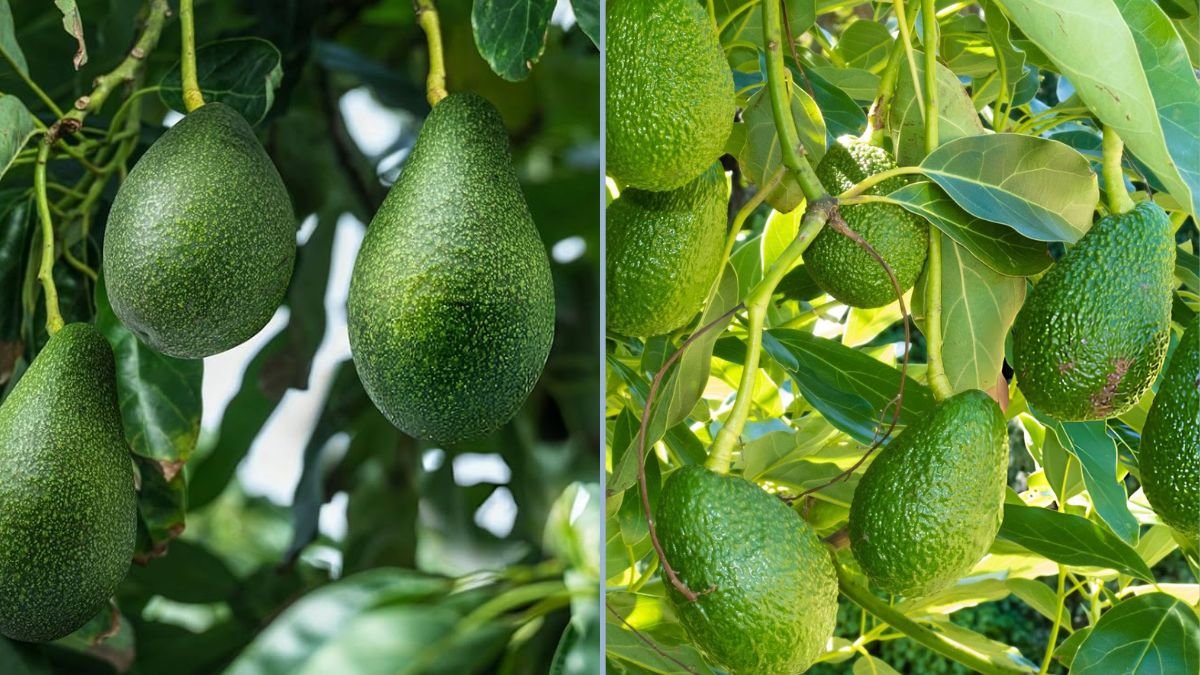
If you love adventurous fruits and enjoy experimenting with unique flavors, two tropical favorites deserve your attention: the Pinkerton avocado and the American pawpaw. Recently, these fruits have made a splash as they join the “Sook Club,” a community of fruit enthusiasts dedicated to exploring rare and delicious varieties. In this post, we’ll dive into the characteristics, cultivation, and culinary potential of these fruits, plus tips for growing them in your own backyard.
1. Introducing the Pinkerton Avocado
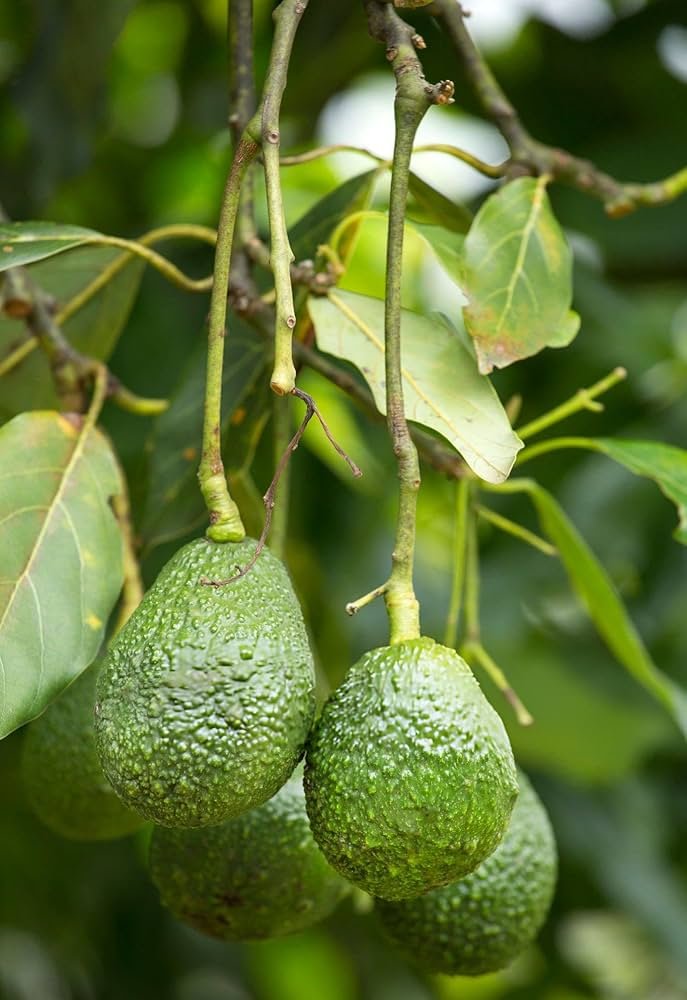
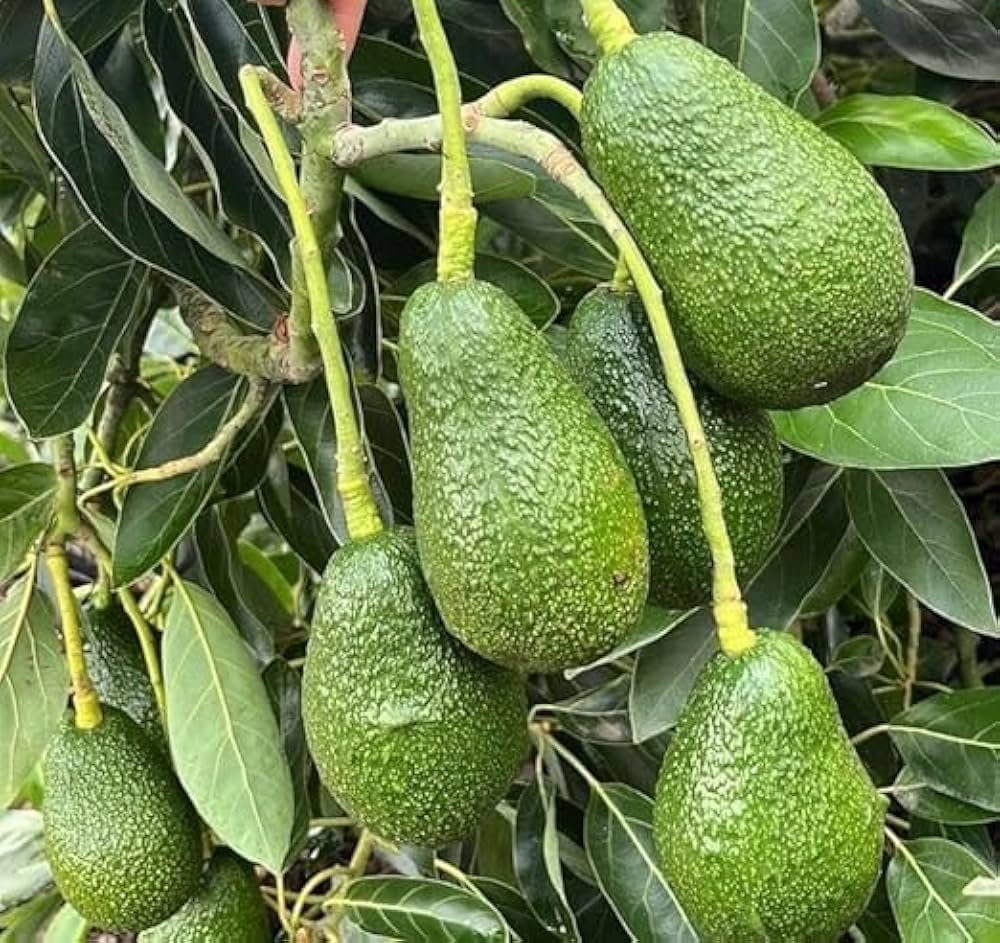
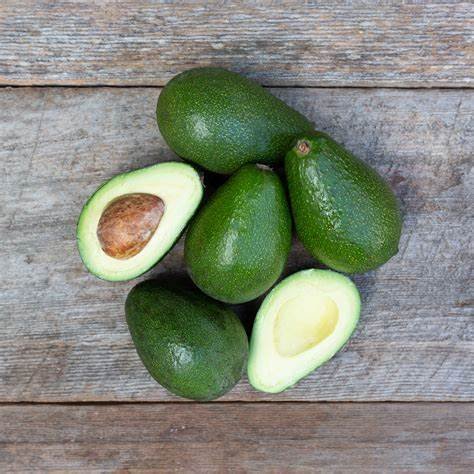
The Pinkerton avocado is a distinctive avocado variety that has captured the hearts of many fruit lovers. Originating in California, it is named after the horticulturist who first selected it. Pinkerton is often celebrated for its high yield, creamy texture, and long, pear-shaped fruit. Unlike more common varieties like Hass, the Pinkerton avocado has several unique traits that make it appealing for both gardeners and consumers.
Key Features of Pinkerton Avocados
- Shape and Size: The fruit is elongated and often described as pear-shaped, making it easy to slice and serve.
- Skin: Dark green and slightly pebbly, the skin remains fairly easy to peel when the fruit is ripe.
- Flavor: The flesh is buttery and rich, with a smooth, creamy texture that many people find ideal for guacamole, sandwiches, and salads.
- Seed: Pinkerton has a small seed relative to its fruit size, which means more edible flesh per avocado.
- Harvest Period: Pinkerton avocados have a longer harvesting window compared to other varieties, often producing fruit from late winter through early summer in the right climate.
Advantages in Home Gardens
One of the reasons Pinkerton avocados are popular with backyard gardeners is their adaptability. The trees are known for being vigorous growers, producing fruit consistently even in less-than-ideal soil conditions. Additionally, Pinkerton is moderately heat-tolerant, making it suitable for regions with hot summers.
2. Cultivating Pinkerton Avocados
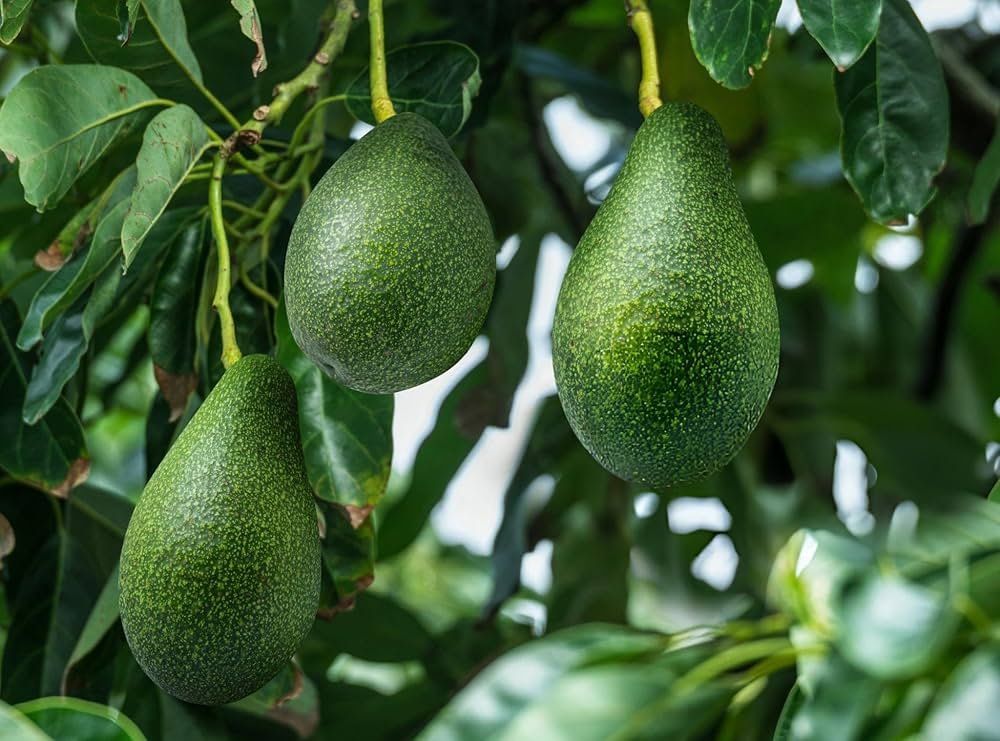
Growing Pinkerton avocados successfully requires understanding their climate and soil preferences. While the tree is hardy and adaptable, following these guidelines will maximize fruit yield and quality.
Climate Requirements
- Pinkerton trees prefer subtropical to warm-temperate climates.
- They thrive in regions with plenty of sunlight, ideally receiving 6–8 hours of sun per day.
- While tolerant of heat, they may need protection from frost during cold snaps, especially when young.
Soil and Planting
- Well-drained soil is essential; waterlogged roots can lead to disease and poor growth.
- A slightly acidic to neutral soil pH is ideal.
- Plant trees in an area with space to grow, as Pinkerton avocado trees can reach 20–25 feet tall when mature.
Irrigation and Care
- Young trees need regular watering to establish roots.
- Mature trees benefit from deep watering to encourage strong root development.
- Mulching helps retain soil moisture and protects roots from extreme temperature fluctuations.
Pollination
- Pinkerton is a Type A avocado flower, which opens in the morning as female and closes, reopening in the afternoon as male.
- Planting a complementary Type B avocado nearby can improve fruit set, though Pinkerton can produce fruit on its own in some cases.
3. Culinary Uses of Pinkerton Avocados
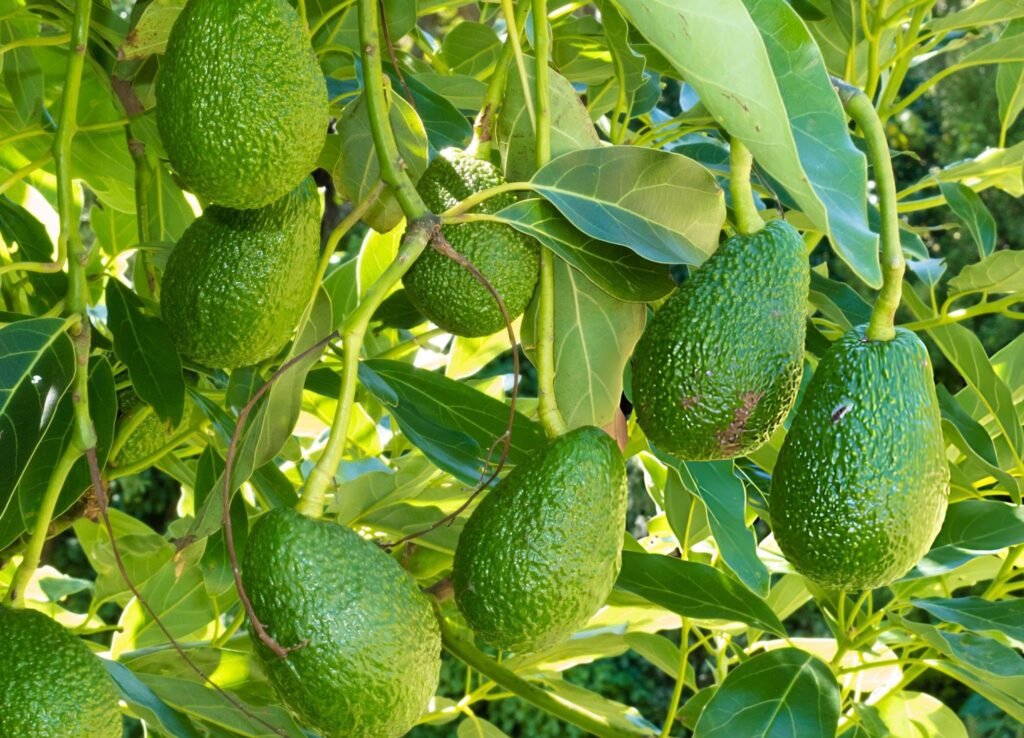
The creamy texture and rich flavor of Pinkerton avocados make them versatile in the kitchen. Here are a few ideas to enjoy this fruit:
- Guacamole: The buttery flesh blends smoothly with lime, salt, and fresh herbs.
- Smoothies: Pinkerton adds a creamy texture and subtle sweetness to green smoothies or fruit blends.
- Salads: Slice or cube Pinkerton avocado to enhance texture and flavor in leafy salads.
- Toast and Sandwiches: A classic choice, the richness of the flesh pairs beautifully with bread, tomatoes, or smoked salmon.
- Baking and Desserts: Avocado can be used as a fat substitute in cakes, brownies, and puddings for a healthier alternative.
The small seed also makes Pinkerton particularly convenient for slicing and serving compared to some other avocado varieties.
4. Introducing the American Pawpaw
Alongside Pinkerton avocados, American pawpaws have joined the Sook Club, introducing a native North American fruit that has long been overlooked. Known scientifically as Asimina triloba, pawpaws are the largest edible native fruit in the United States. With a custard-like texture and tropical flavor, they are a delightful addition to any fruit collection.
Key Features of American Pawpaws
- Flavor: Often described as a mix between banana, mango, and melon, pawpaws have a sweet, tropical taste.
- Texture: The flesh is creamy and custard-like, making it ideal for eating fresh or blending into desserts.
- Appearance: Pawpaws are oblong to oval in shape, with greenish-yellow skin when ripe. The fruit usually contains several large seeds.
- Harvest: Pawpaws ripen in late summer to early fall, depending on the region.
Growing American Pawpaws
Pawpaws are relatively easy to grow in temperate climates, but they do have specific requirements:
- Climate: Best suited to USDA zones 5–9, pawpaws can tolerate cold winters better than avocados.
- Soil: They prefer fertile, well-drained, slightly acidic soil.
- Pollination: Pawpaw trees have flowers that require cross-pollination, so at least two genetically distinct trees are needed for fruit production.
- Shade Protection: Young pawpaw trees benefit from partial shade, especially in the early stages of growth.
5. Culinary Uses of Pawpaws
American pawpaws are versatile in cooking and baking. Here are some ideas for enjoying their tropical flavor:
- Fresh Eating: Simply scoop out the custard-like flesh and enjoy.
- Smoothies and Milkshakes: Blend pawpaw with milk, ice, or other fruits for a tropical drink.
- Baked Goods: Pawpaw puree can be used in muffins, cakes, or bread for a unique flavor.
- Desserts: Custards, ice creams, and puddings benefit from pawpaw’s creamy consistency.
Pawpaws are highly perishable, so it’s best to eat them soon after ripening or use them in recipes that can be frozen or preserved.
6. The Sook Club Experience
The Sook Club is a community of fruit enthusiasts who celebrate unusual and underappreciated fruit varieties. By bringing together Pinkerton avocados and American pawpaws, the club highlights the diversity of flavors and textures available in nature. Members share growing tips, recipes, and tasting experiences, inspiring others to explore these fruits at home.
Benefits of Joining the Fruit Community
- Access to rare and unusual fruit varieties.
- Tips for successful cultivation in different climates.
- Culinary inspiration for using unique fruits in creative ways.
- Networking with like-minded fruit enthusiasts and gardeners.
7. Growing Both Fruits Together
For adventurous gardeners, growing Pinkerton avocados and American pawpaws in the same garden can be rewarding:
- Space Considerations: Avocado trees are taller, while pawpaw trees tend to be smaller and bushier. Planting pawpaws in partial shade near avocado trees can work well.
- Complementary Seasons: Avocado and pawpaw harvests occur at different times, allowing for a continuous supply of fresh fruit.
- Soil and Water Needs: Both fruits prefer well-drained soil, but pawpaws may need slightly more attention to moisture retention.
8. Challenges and Tips
While both fruits are rewarding, there are challenges to consider:
Pinkerton Avocado
- Susceptible to root rot in poorly drained soil.
- May need frost protection in cooler regions.
- Requires consistent watering during dry periods.
American Pawpaw
- Requires cross-pollination for good fruit set.
- Fruits are highly perishable and must be eaten quickly.
- Young trees need protection from strong sun or pests.
Gardening enthusiasts can overcome these challenges with careful planning, proper site selection, and attentive care.
9. Why Explore These Fruits
Exploring fruits like Pinkerton avocados and American pawpaws goes beyond taste. It connects gardeners and food lovers to biodiversity, local ecosystems, and a deeper appreciation for seasonal produce. These fruits also offer opportunities to experiment in the kitchen and introduce new flavors to family and friends.
Whether you are a home gardener looking for a high-yield avocado tree or a curious foodie wanting to taste the exotic custard-like pawpaw, these fruits offer a unique experience.
10. Conclusion
The journey of Pinkerton avocados and American pawpaws into the Sook Club is a reminder that there is a world of unique fruit waiting to be explored. Pinkerton offers creamy, buttery avocado goodness, while American pawpaws bring a tropical twist to temperate regions. Together, they exemplify the joy of gardening, experimentation, and culinary creativity.
For gardeners, joining a fruit community like the Sook Club can be both educational and inspiring. From planting tips to tasting experiences, it encourages exploring beyond ordinary fruits and discovering flavors that delight the palate.
Whether you grow these fruits at home or simply enjoy them in recipes, Pinkerton avocados and American pawpaws are sure to leave a lasting impression. So grab a tree—or a fruit—and start your tropical fruit adventure today!