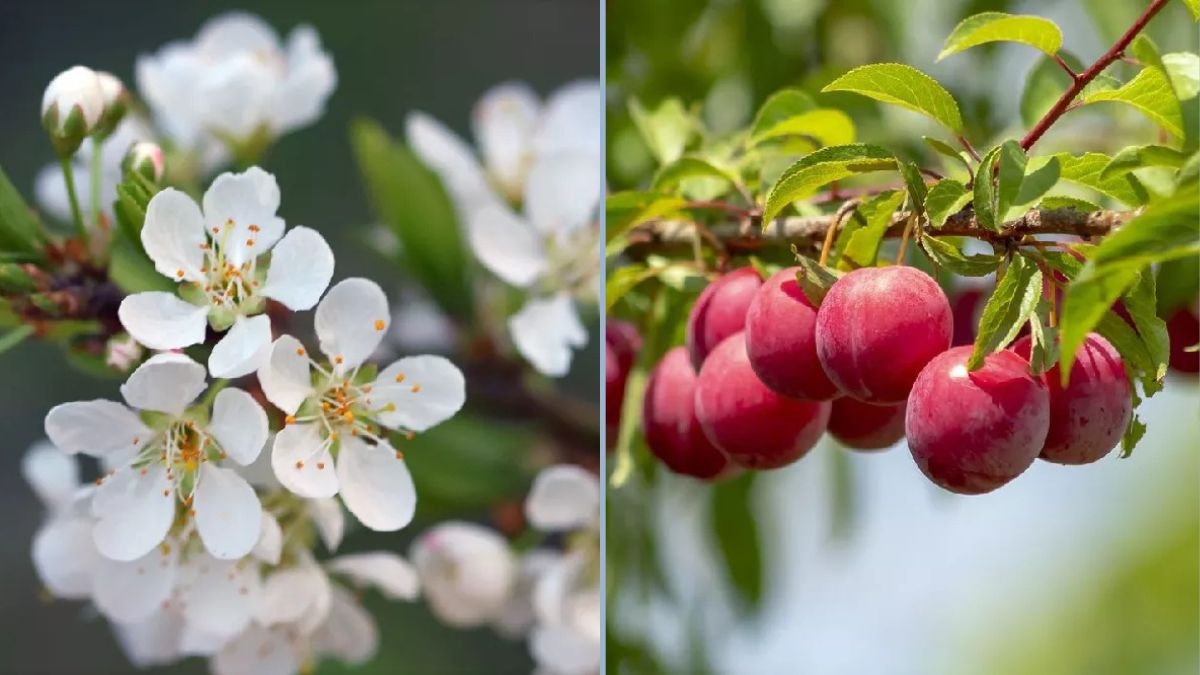
If you’re a gardener in Austin, Texas, looking to grow sweet, juicy plums in your backyard, you’ll want to consider the Santa Rosa and Methley plum varieties. Both are self-fertile, meaning they don’t require a second tree for pollination, making them perfect for smaller yards or urban gardens. In this post, we’ll explore the characteristics of these plum varieties, tips for growing them in Austin’s climate, and how to care for them so you can enjoy a bountiful harvest of fresh, homegrown plums.
1. Introduction to Santa Rosa and Methley Plums
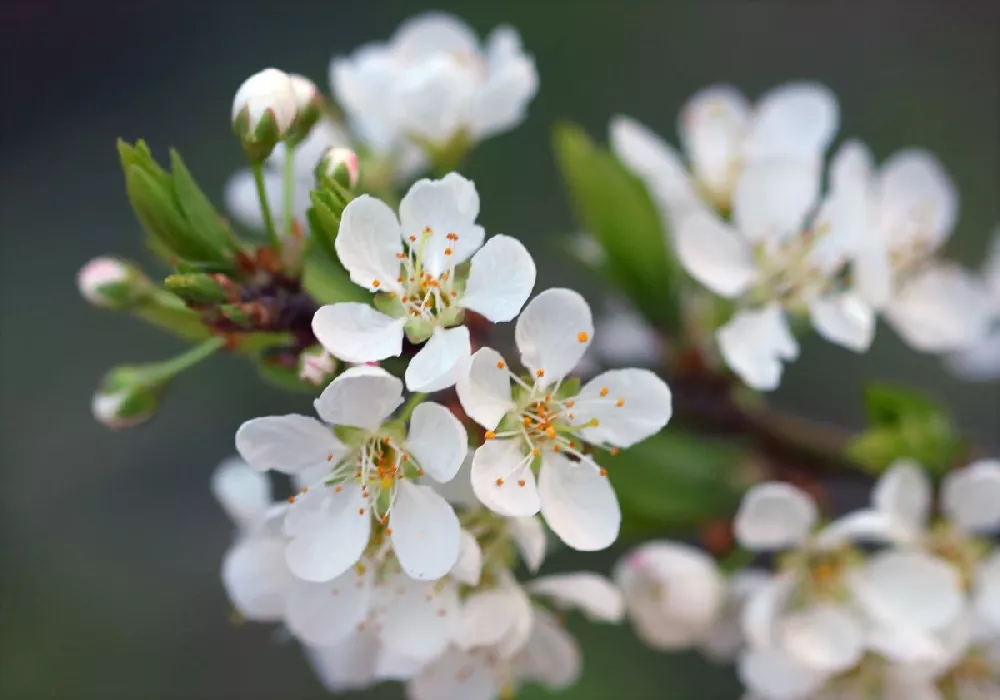
Plums are among the most rewarding fruit trees to grow, offering a combination of vibrant color, delicious flavor, and versatility in the kitchen. Santa Rosa and Methley plums are particularly suited for warm climates like Austin, thanks to their heat tolerance and self-fertile nature.
Santa Rosa Plum
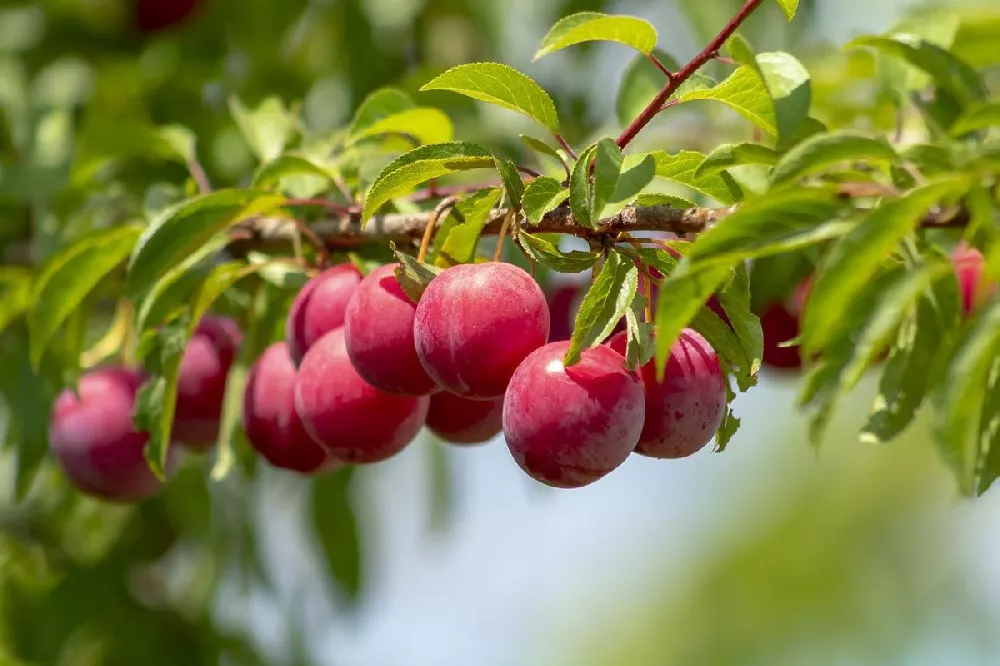
The Santa Rosa plum is a well-known Japanese plum variety prized for its large, reddish-purple fruit and excellent flavor. It was introduced in California in the early 20th century and has become a staple in backyard gardens for its reliability and high fruit quality.
Key Features of Santa Rosa Plum:
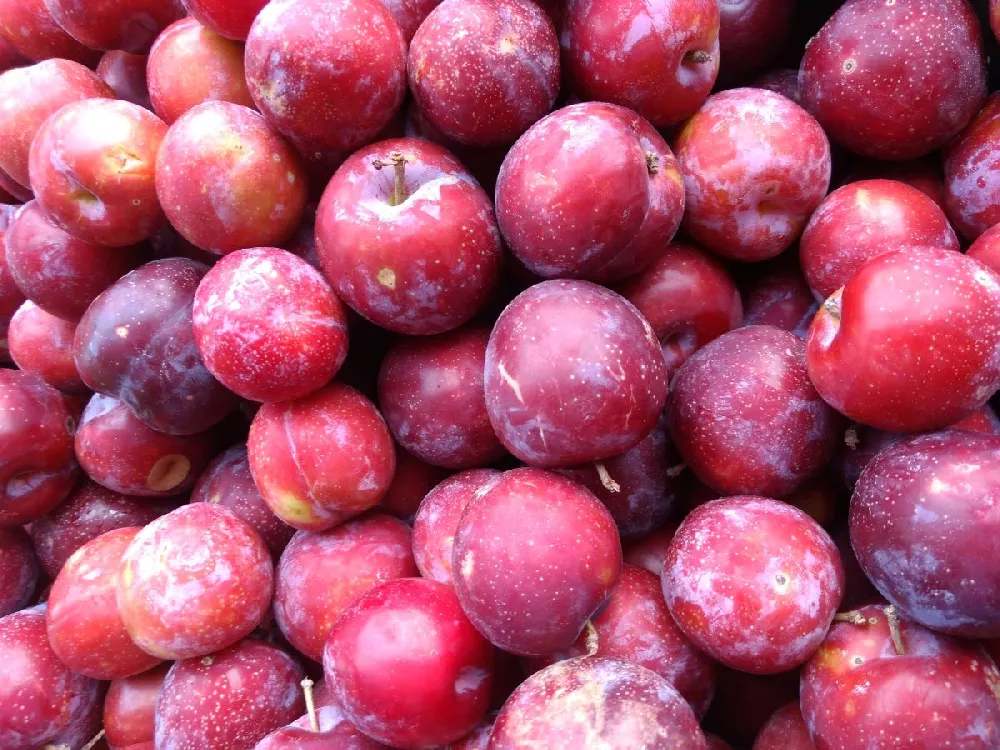
- Large, round fruit with red-purple skin.
- Sweet-tart flavor with juicy, firm flesh.
- Self-fertile, but fruit set can improve if other compatible plums are nearby.
- Fruit typically ripens in mid-summer, providing a long harvest window in warm climates.
Methley Plum
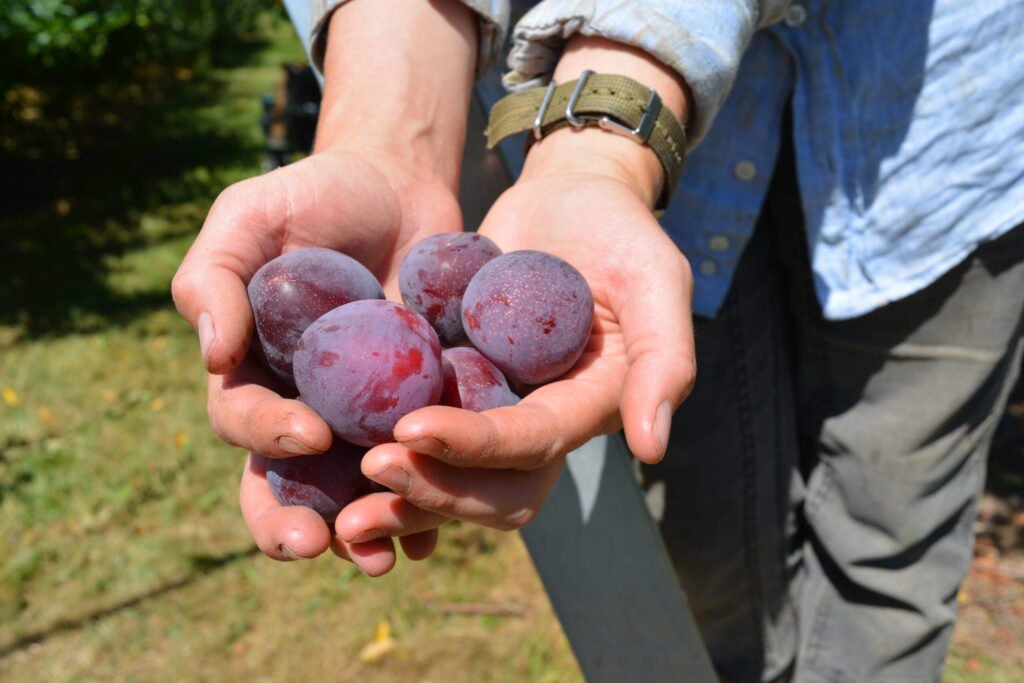
Methley is a Japanese plum variety that produces small to medium-sized, dark red to purple fruit. It is also self-fertile and early-ripening, making it ideal for Austin gardeners looking for an early plum harvest.
Key Features of Methley Plum:
- Small to medium, deep red fruit with sweet, juicy flesh.
- Early harvest, often in late spring to early summer.
- Self-fertile and highly adaptable to warm climates.
- Dense, low-growing tree structure, perfect for backyard gardens.
2. Benefits of Self-Fertile Plums
One of the major advantages of choosing Santa Rosa or Methley plums is that they are self-fertile. This means:
- You only need one tree to produce fruit.
- Smaller yards or urban gardens can accommodate productive plum trees without requiring multiple plantings.
- Pollination from bees and other pollinators is still beneficial and can improve fruit yield and size, but it is not strictly necessary.
For Austin gardeners, self-fertility is particularly helpful because space can be limited, and the city’s climate can pose challenges for cross-pollination.
3. Climate and Soil Requirements in Austin, Texas
Austin, Texas, has a humid subtropical climate with hot summers, mild winters, and occasional frost. Both Santa Rosa and Methley plums adapt well to these conditions, but a few considerations will help ensure success:
Climate Tips:
- Santa Rosa and Methley plums thrive in areas with hot summers and long growing seasons.
- While these trees can tolerate mild frost, young trees may need protection during unexpected cold snaps.
- Austin’s humidity can increase the risk of fungal diseases, so proper spacing and airflow are essential.
Soil Requirements:
- Well-draining soil is crucial to prevent root rot.
- Slightly acidic to neutral soil (pH 6.0–7.0) works best.
- Adding compost or organic matter before planting improves soil fertility and moisture retention.
4. Planting Santa Rosa and Methley Plums
Planting your plum trees correctly is key to establishing healthy, productive trees.
Site Selection:
- Choose a sunny location with at least 6–8 hours of direct sunlight per day.
- Ensure the area has good air circulation to reduce fungal disease risks.
- Avoid low-lying areas where water may accumulate during heavy rains.
Planting Steps:
- Dig a hole twice the width of the root ball but no deeper than the tree’s current root depth.
- Mix native soil with compost or well-rotted organic matter to enhance fertility.
- Place the tree in the hole and backfill gently, ensuring the root collar is slightly above soil level.
- Water thoroughly after planting and apply a 2–3 inch layer of mulch around the base to retain moisture and regulate temperature.
5. Caring for Your Plum Trees
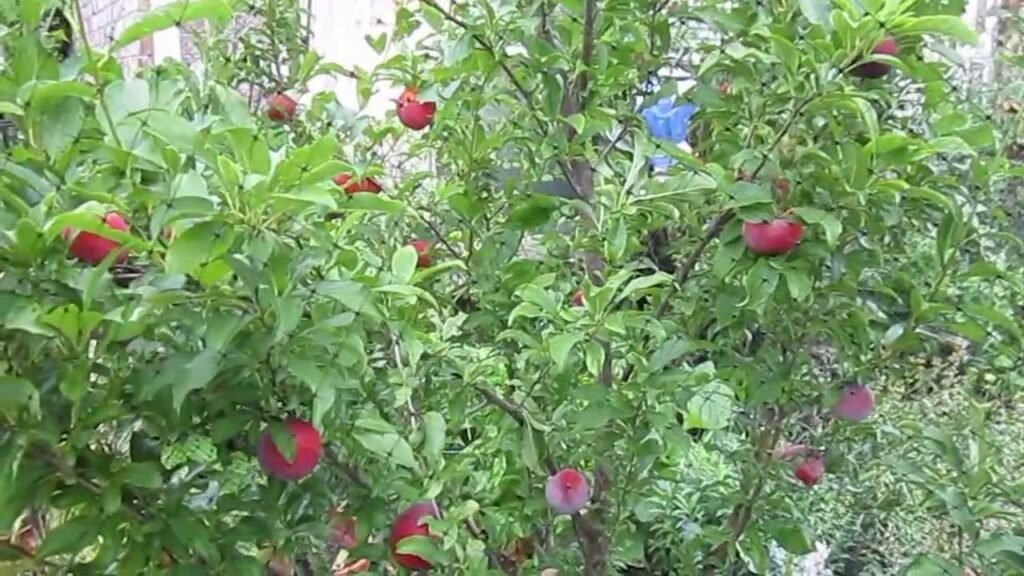
Proper care throughout the year will help Santa Rosa and Methley plums thrive and produce abundant fruit.
Watering:
- Young trees require consistent moisture to establish roots.
- Mature trees benefit from deep, infrequent watering to encourage deep root growth.
- Avoid overwatering, as plums are susceptible to root rot in soggy soil.
Fertilization:
- Apply a balanced fertilizer formulated for fruit trees in early spring before new growth begins.
- Organic options such as compost, aged manure, or seaweed extract support healthy growth without chemical residues.
- Avoid over-fertilization, which can lead to excessive vegetative growth at the expense of fruit production.
Pruning:
- Prune annually to maintain shape, remove dead or diseased wood, and improve air circulation.
- Train the tree to an open-center or vase shape to maximize sunlight exposure for all branches.
- Pruning also encourages larger fruit size and reduces the risk of fungal diseases.
Pest and Disease Management:
- Monitor for common pests such as aphids, plum curculio, and spider mites.
- Encourage beneficial insects and birds to help control pests naturally.
- Fungus issues like brown rot can occur in humid climates; ensure good airflow and consider organic fungicides if needed.
6. Harvesting Santa Rosa and Methley Plums
Harvest time is one of the most rewarding aspects of growing plums. Knowing when to pick is essential for flavor and texture:
Santa Rosa Plums:
- Harvest when the skin is deep reddish-purple and the fruit gives slightly to gentle pressure.
- The flesh should be juicy and sweet-tart.
- Picking too early can result in less flavorful fruit.
Methley Plums:
- Harvest when fruit is deep red and fully soft to the touch.
- Methley plums ripen earlier than Santa Rosa, providing an extended season of fresh plums.
Storage:
- Fresh plums can be stored at room temperature for a few days or in the refrigerator for up to a week.
- Overripe plums can be used in jams, sauces, or desserts.
7. Culinary Uses for Backyard Plums
Plums are extremely versatile and can be enjoyed in many ways:
- Fresh Eating: Enjoy plums straight from the tree for the best flavor.
- Baking: Use plums in pies, tarts, cobblers, and cakes.
- Preserves: Make jams, jellies, or plum sauce for later use.
- Beverages: Blend into smoothies, juices, or cocktails.
- Savory Dishes: Plums can complement meats like pork or duck in sauces or glazes.
The sweet-tart balance of Santa Rosa and Methley plums enhances both sweet and savory recipes, making them a gardener’s delight.
8. Advantages of Growing Plums in Austin
Choosing plum varieties suited to Austin’s climate has several advantages:
- Self-Fertile Varieties: No need for multiple trees to produce fruit.
- Heat Tolerance: Both varieties handle hot Texas summers well.
- Extended Harvest: Methley ripens early, Santa Rosa later, providing fruit over several weeks.
- Backyard-Friendly: Compact size and self-fertility make these trees ideal for small urban yards.
9. Challenges and Tips for Success
While Santa Rosa and Methley plums are well-adapted to Austin, gardeners should consider a few challenges:
- Fungal Diseases: Humidity can increase disease risk; proper spacing and pruning reduce problems.
- Birds: Plums are a favorite for birds; netting may be needed to protect fruit.
- Frost: Late winter frosts can damage blooms; protect young trees if necessary.
Tips for Success:
- Start with healthy, certified disease-free trees.
- Plant in full sun with well-draining soil.
- Use mulch to conserve moisture and control weeds.
- Monitor for pests and diseases regularly.
- Enjoy harvesting and preserve excess fruit to reduce waste.
10. Conclusion
Growing Santa Rosa and Methley plums in Austin, Texas, is a rewarding and delicious gardening adventure. These self-fertile varieties offer sweet, juicy fruit, extended harvests, and backyard-friendly growing habits. With proper planting, care, and attention to local climate conditions, you can enjoy fresh plums straight from your garden each season.
Whether you’re snacking on a ripe Santa Rosa plum, making preserves from Methley plums, or experimenting with plum-based desserts, backyard plum gardening brings both joy and flavor to your home. For Austin gardeners with limited space, self-fertile plums are an ideal choice, making it possible to grow a thriving fruit garden in your own backyard.
Start planning your plum garden today and experience the sweet rewards of growing your own Santa Rosa and Methley plums in Austin!